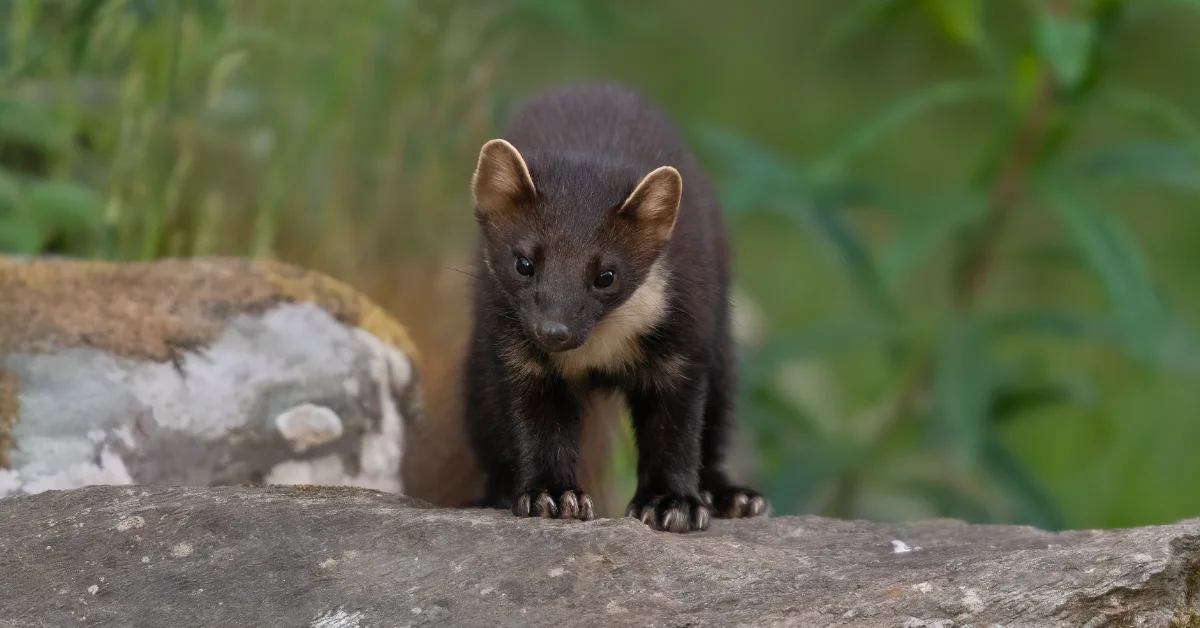
In 2024, the Two Moors Pine Marten Project, an initiative of Devon Wildlife Trust in the United Kingdom, reintroduced 15 endangered pine martens in Dartmoor National Park.
Pine martens are a small mammal species classified as critically endangered in England and Wales, though they still have a strong presence in Scotland.
The destruction of wild woodlands, human-animal conflict, and decades of hunting are to blame for the species’ decline in England and Wales.
But conservation projects, like the Two Moors Pine Marten Project, are helping the weasel-like critters bounce back.

Along with the 15 pine martens released in 2024, 19 more followed in 2025, both events marking the “first attempt to re-establish a sustainable breeding population of the tree-climbing members of the weasel family to the South West since they were hunted to extinction more than 100 years ago,” a press release from Devon Wildlife Trust explained.
And now, new evidence confirms the success of these releases.
“Exclusive video footage gathered by the Two Moors Pine Marten Project shows a female marten with four of its offspring, known as kits, as they explore an Exmoor woodland,” the press release announced.
“The film clip is the first proof that pine martens released by the project are breeding on Exmoor.”
Since their initial release, trail cameras installed by conservation partners and local citizen scientists have shown that the pine martens have been active and highly mobile, though shy of people and difficult to spot.
Confirmation that they are breeding in the wild in both locations is a major win for experts.
“The news of breeding pine martens marks a wonderful moment for our project staff, our project partners, and the dozens of volunteers who have worked with us to bring this native animal back,” Ali North, Two Moors Pine Marten Project field officer in Exmoor, said in a statement.
“This has been a community effort with local people helping us in a series of key tasks ranging from building pine marten den boxes to installing and regularly checking remote cameras.”
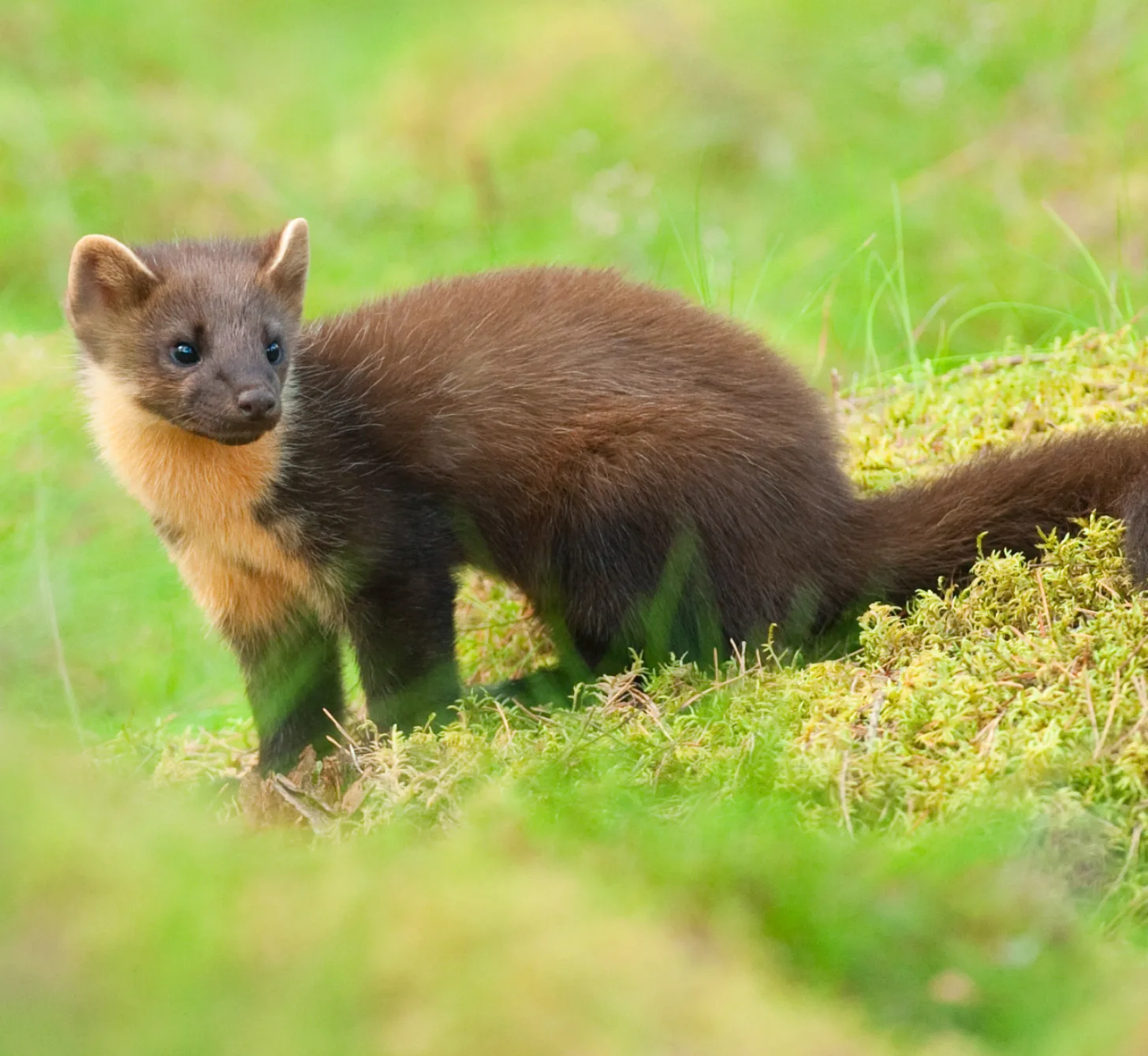
North added that pine marten mothers typically give birth in March or April and have an average of two to three babies.
“To see four with their mum was an amazing sight,” she said, “and suggests that Exmoor is the perfect home for these animals.”
While the footage is a thrilling discovery for conservationists, they caution that it is also a sign that their efforts must continue.
“Seeing pine martens breeding on Exmoor is a hugely encouraging milestone for nature recovery in the National Park. It shows what can be achieved through careful partnership working, long-term monitoring and the support of local communities,” Ali Hawkins, a senior ecologist at Exmoor National Park Authority, said in a statement.
“While this is very positive news, the population remains small and vulnerable, so continued public support and reporting of sightings will be vital as we help this native species re-establish itself.”
While the newest footage shows the Exmoor pine martens at play, another female pine marten and her kits were recorded in Dartmoor in 2025, confirming both releases from the project have resulted in wild breeding.
That footage was captured by locals Tim and Rachael, who set up wildlife cameras to support the organization’s Citizen Science Woodland Survey.
“Since moving to the Wray Valley last year, we have been extremely lucky, as we have managed to capture quite a few trail cam videos of pine martens in the woods behind where we live,” Tim and Rachael shared in a statement.
“We have only ever filmed a single one at a time, so we couldn't believe our eyes when we downloaded this video of a mother with her two kits, playing alongside her. We feel very fortunate to have experienced this sighting and so glad to see the success of the Two Moors Pine Marten Project!”
You may also like: Rare footage of silver bear cub captured in national park livestream. Is it a pizzly bear?