The Prionailurus genus comprises five species of small Asian wild cats: the fishing cat, leopard cat, rusty-spotted cat, Iriomote cat, and flat-headed cat.
While all of these cats face threats due to shrinking ecosystems, the flat-headed cat is one of the world’s most elusive felines.
For decades, the cat could be found throughout the lowland tropical rainforests and swamp forests of Thailand, Peninsular Malaysia, Sumatra, and Borneo.
But after a sighting in 1995, the flat-headed cat disappeared from Thailand altogether. For nearly three decades, it was considered locally extinct.
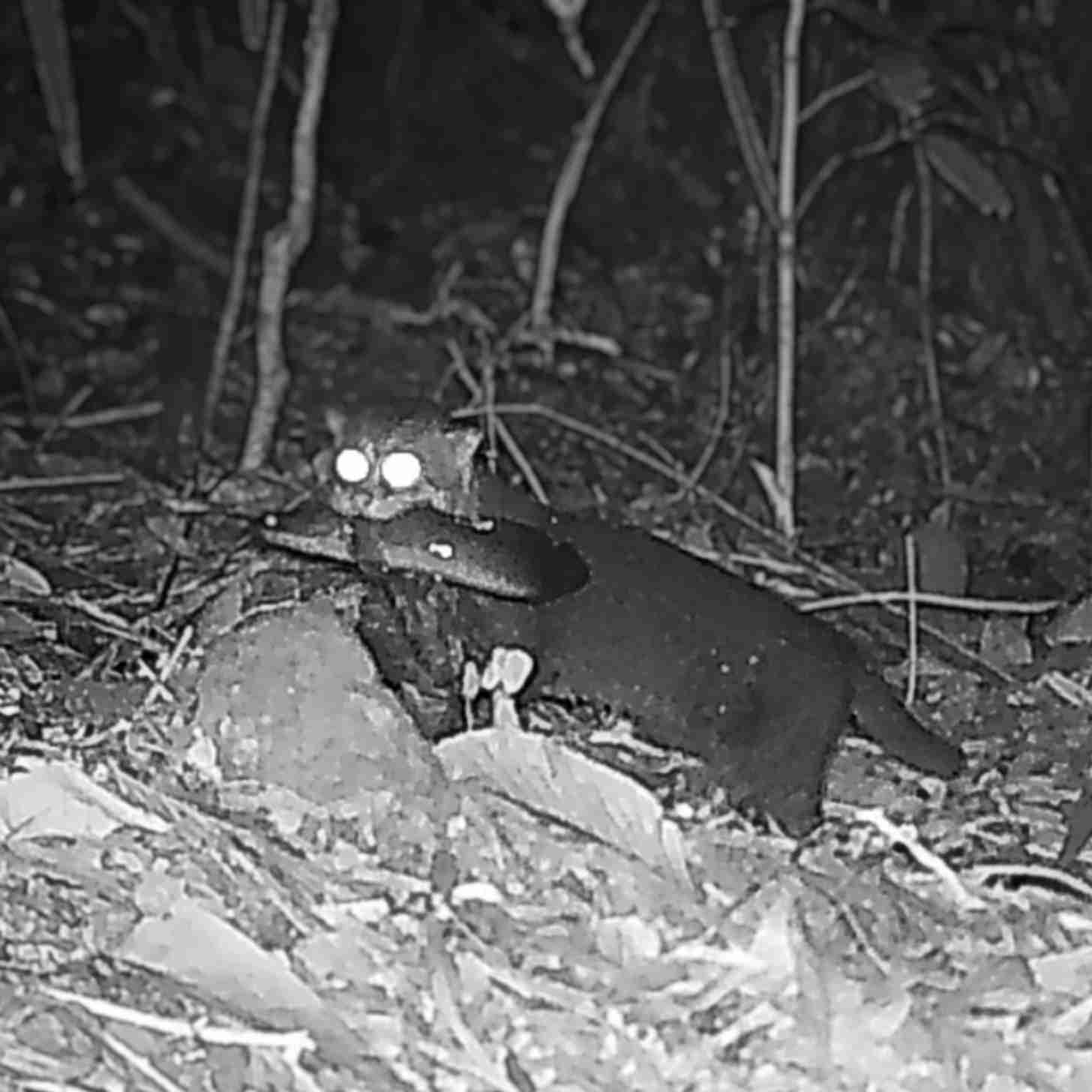
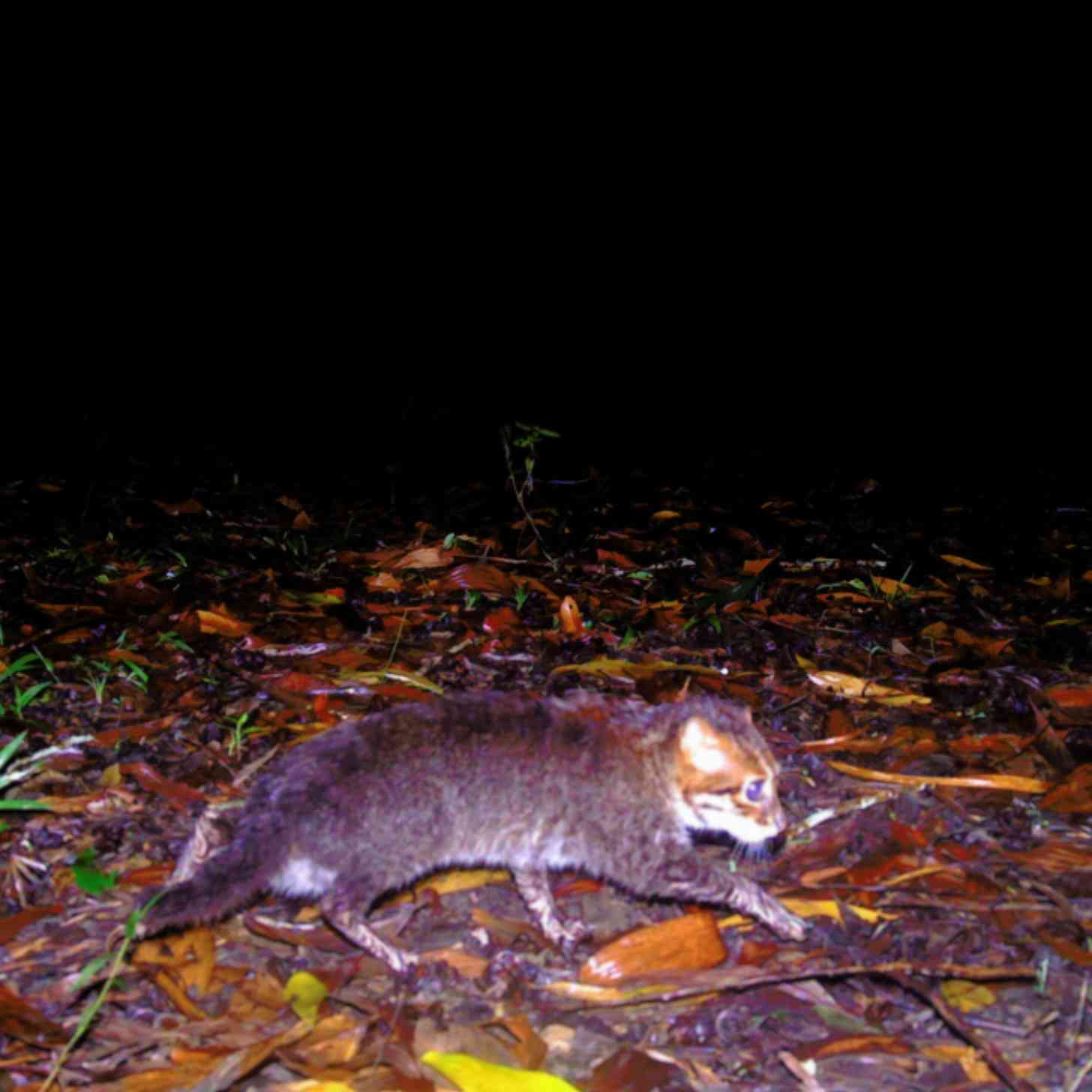
Finally, in 2024, Thailand’s Department of National Parks, Wildlife and Plant Conservation and Panthera Thailand released new images of the cat traipsing through the country’s southern forests.
It was the first confirmation that flat-headed cats had returned to the region in 29 years.
“After nearly three decades, this rediscovery shows what’s possible when science and strong protection come together,” Kritsana Kaewplang, Panthera Thailand’s country director, said in a press release.
“These habitats are among the most biodiverse and threatened in the country, yet they continue to surprise us with their resilience,” she continued. “We’re eager to expand this research and strengthen conservation measures in these vital habitats.”
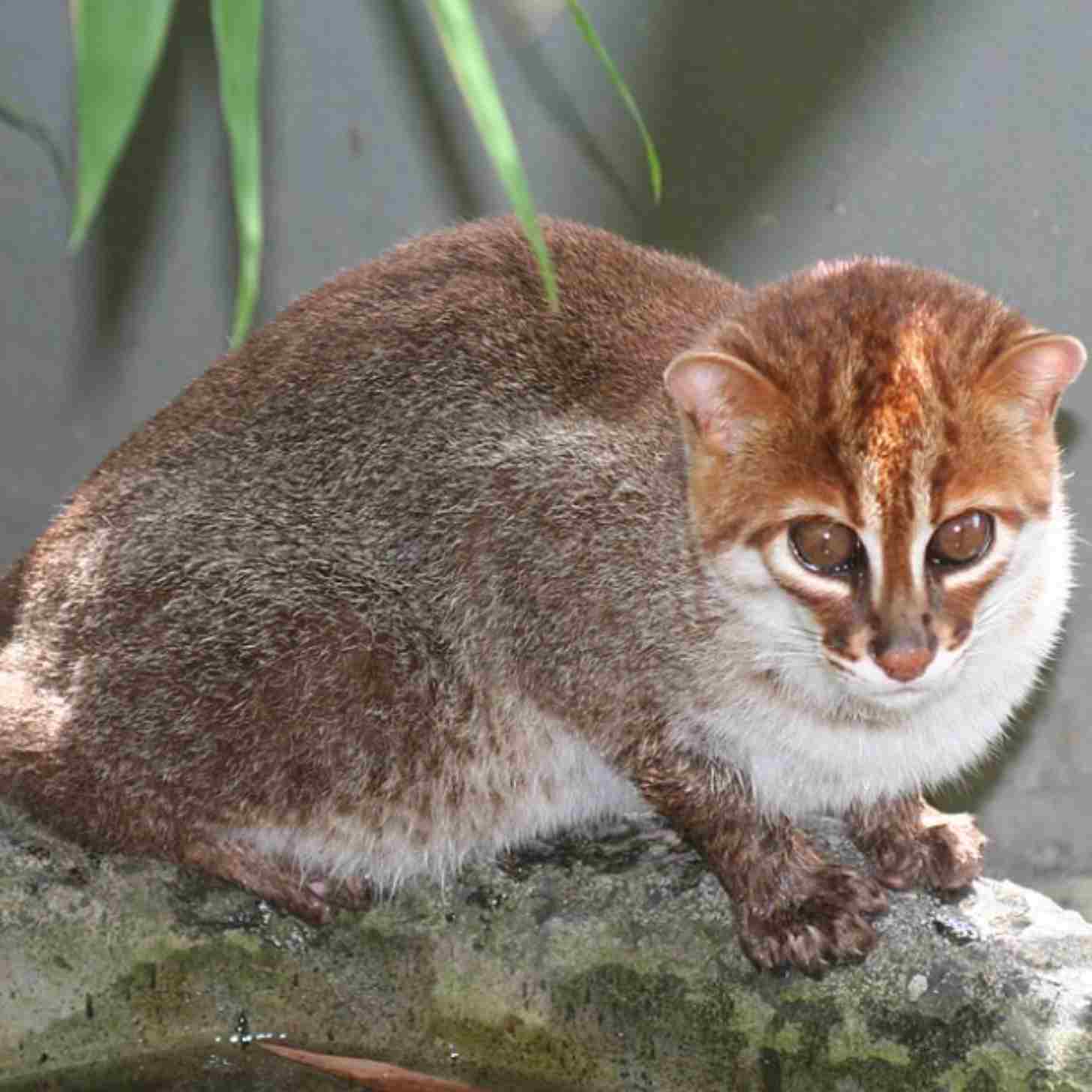
Named for its distinctly flat skull shape, the small striped cat boasts round ears, close-set eyes, and a stubby tail. Its webbed, otter-like feet help it navigate wetland and peat swamp ecosystems, where it preys on fish, frogs, and crustaceans.
Conservationists attribute the endangered cat’s absence in the country to human-induced habitat loss and the pollution of local waterways. They attribute its return to better management of water levels and forest fire prevention.
“This is a landmark moment for Thailand and a powerful reflection of our long-standing commitment to conservation,” said Athapol Charoenshunsa, the director general of the Department of National Parks, Wildlife and Plant Conservation.
“Rediscovery of the flat-headed cat in southern Thailand is a significant win for conservation in Thailand and the broader Southeast Asia region where the species is still found,” he continued.
“Uncovering the existence of a species once thought lost in the region highlights the dedication and effectiveness of DNP officials in protecting border forests and preserving rare wildlife populations despite challenging political and social circumstances that make conservation work difficult.”
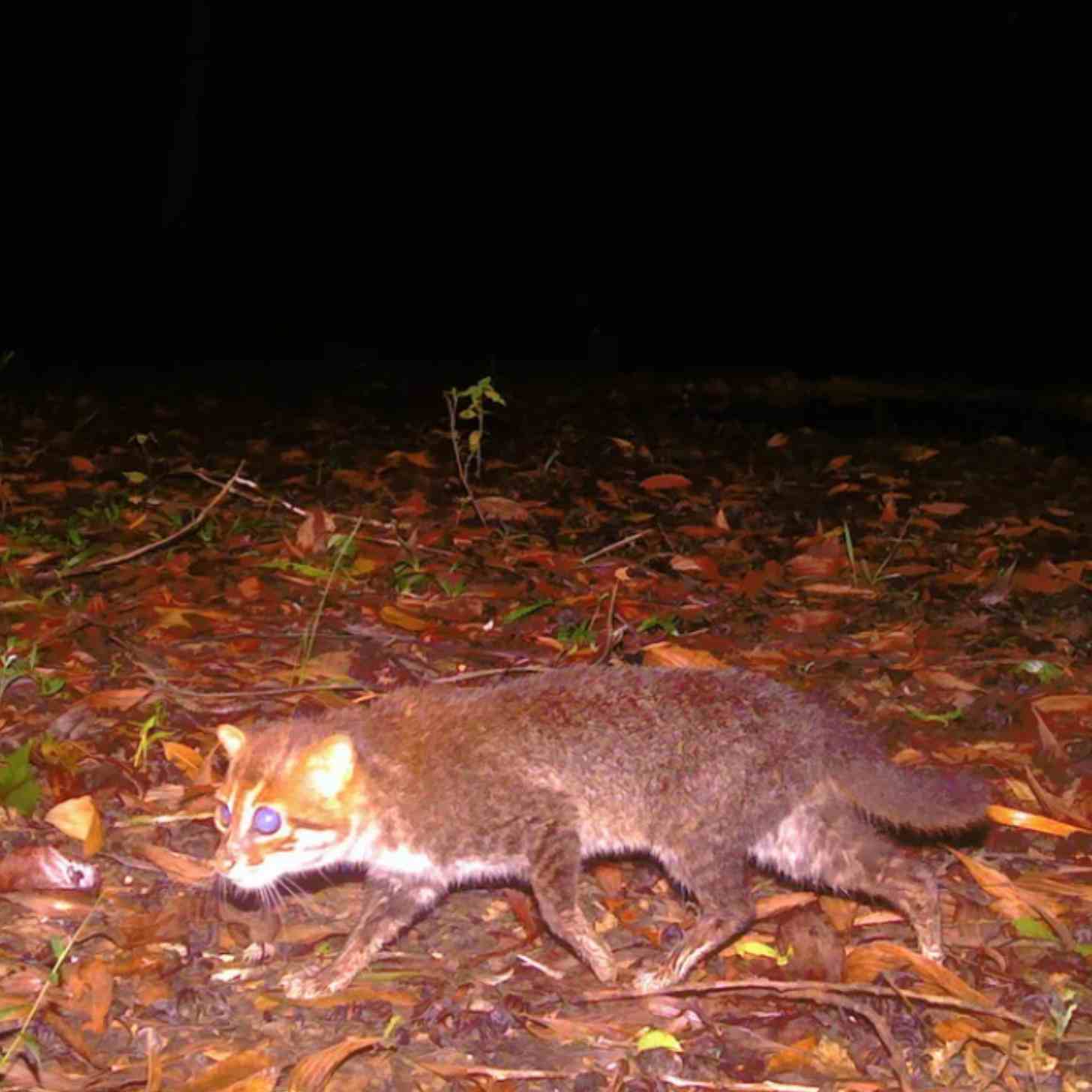
According to Panthera Thailand, their trail camera recorded 13 sightings in 2024 and 16 more in 2025 — amounting to the largest flat-headed cat survey ever conducted.
One of the images included a female flat-headed cat and her cub, signaling not just the species’ return but its ongoing reproduction in the region.
“Even species thought to be lost can be rebuilt if we invest in protecting the habitats they depend on,” said Panthera’s small cat conservation science director, Dr. Wai Ming Wong.
“Flat-headed cats’ persistence in Thailand suggests that these ecosystems still hold remarkable biodiversity but also underscores how urgently we must conserve and restore them before they vanish entirely.”
You may also like: Mammal returns to Romania for the first time in centuries
Header image via Michael Cory (CC BY 2.0)