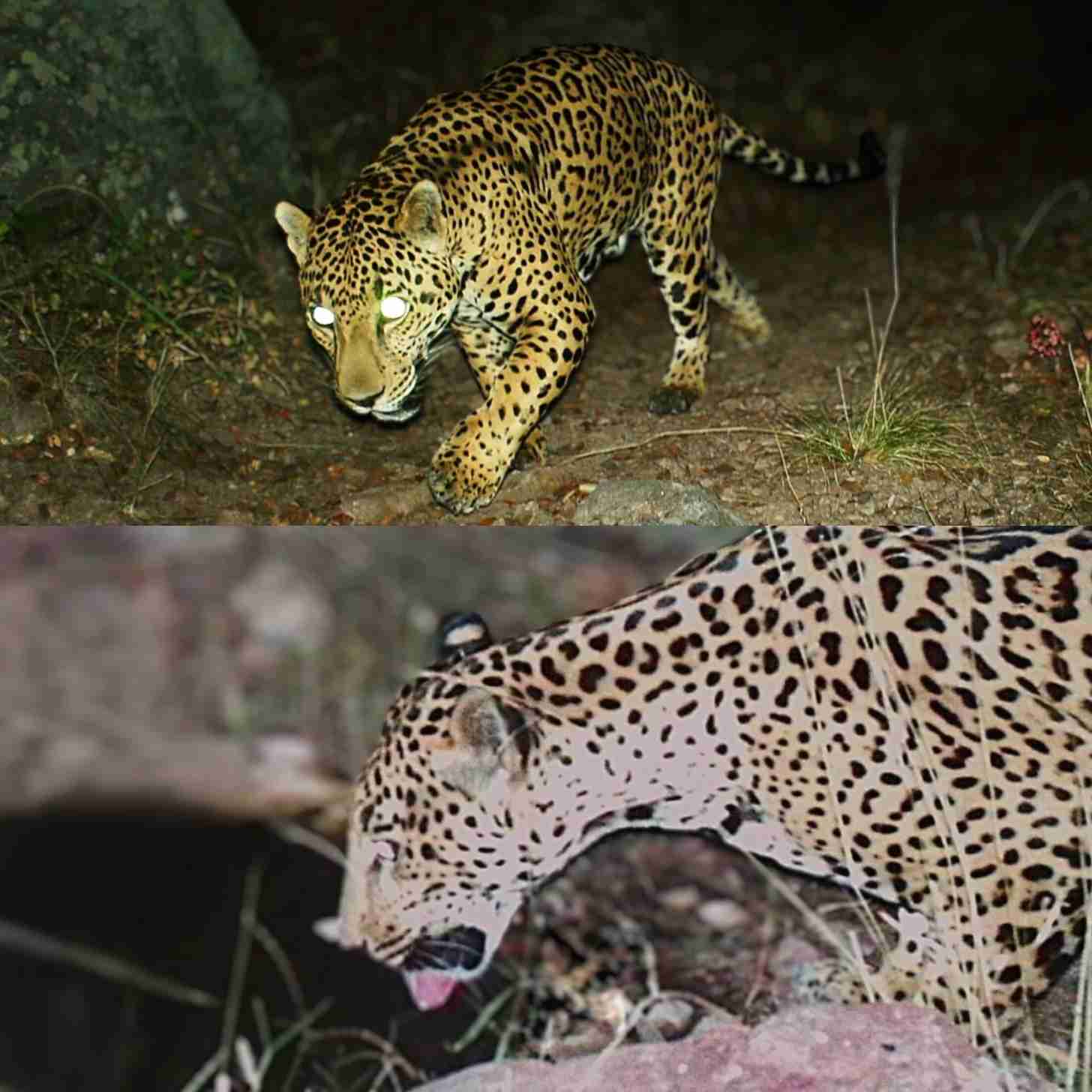
In late November, trail cameras in southeastern Arizona captured images of a male jaguar, the fifth jaguar documented in the state since 2011.
Footage of the big cat, nicknamed Cinco, was shared by the University of Arizona’s Wild Cat Research and Conservation Center. The center has been monitoring jaguar appearances and tracking their movements in the state for nearly 15 years.
“We’re very excited,” Susan Malusa, director of the center’s jaguar and ocelot project, told the Associated Press. “It signifies this edge population of jaguars continues to come here because they’re finding what they need.”
Researchers identified Cinco by comparing the distinct black patterns on their coats, called rosettes, to those of previously recorded jaguars.
“They are unique like a fingerprint,” Malusa said. “There are no two alike.”
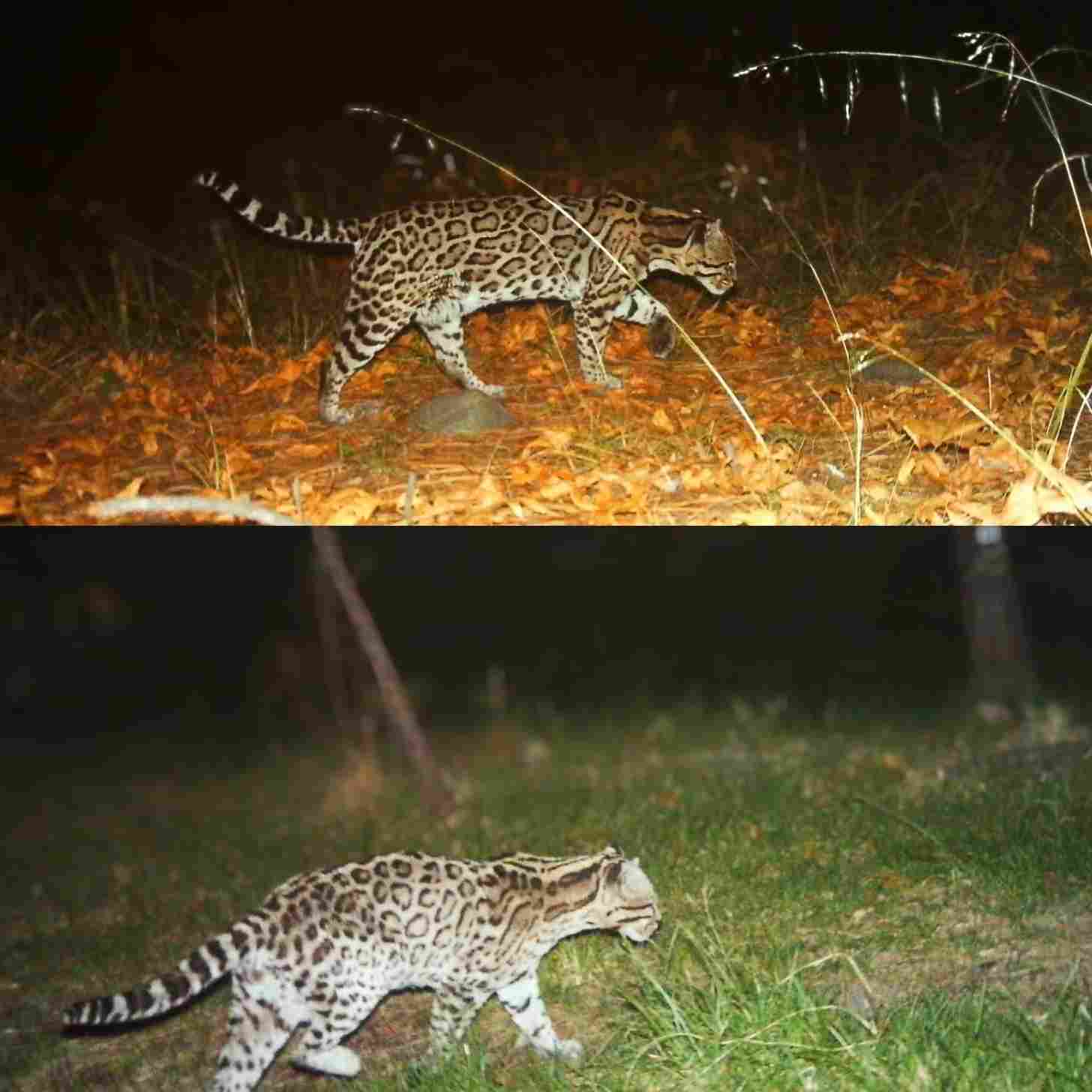
To date, they’ve logged 230 jaguar detections. The latest jaguar sighting is just one point of data in a much bigger story — and the mysteries they present.
“ Are populations are increasing, are they stable, declining?” Malusa posed. “What does long-term recovery look like?”
In the early and mid-1900s, jaguars and ocelots faced a series of mounting threats, from poachers to government-sanctioned predator programs.
Even after jaguars were listed as endangered in 1997, they continued to face widespread habitat loss due to deforestation, draining wetlands, and border wall construction along the U.S.-Mexico border.
Although the core population of jaguars lives in Mexico, scientists believe drought and declining prey may be pushing them northward.
Conservationists warn that continued border wall construction could block vital wildlife corridors and threaten jaguars’ ability to move, survive, and recover in the region. Fringe populations, which have wandered into Arizona, are considered crucial signs of the species’ resilience and adaptation.
Which is why sightings of big cats like Cinco give Malusa hope.
“That’s the message — that this species is recovering,” Malusa said. “We want people to know that and that we still do have a chance to get it right and keep these corridors open.”
You may also like: Pocket-sized owl babies mark first sighting for rare species in over 100 years
Header image via Haim Charbit / Pexels