For conservationists, it’s no secret that wildlife crossings have become a vital tool to save the lives of animals from vehicle collisions around the world.
While many might imagine the massive highway overpasses when they think of wildlife crossings, there are other innovative options uniquely made for specific animals, like salamander tunnels or canopy ropes for monkeys.
In Costa Rica, sloth conservationists have been building aptly-named “sloth crossings,” to help protect wild sloths and reconnect their natural habitats.
The Sloth Conservation Foundation, otherwise known as SloCo, has been instrumental in bringing these sloth crossings to the canopies of Costa Rica.
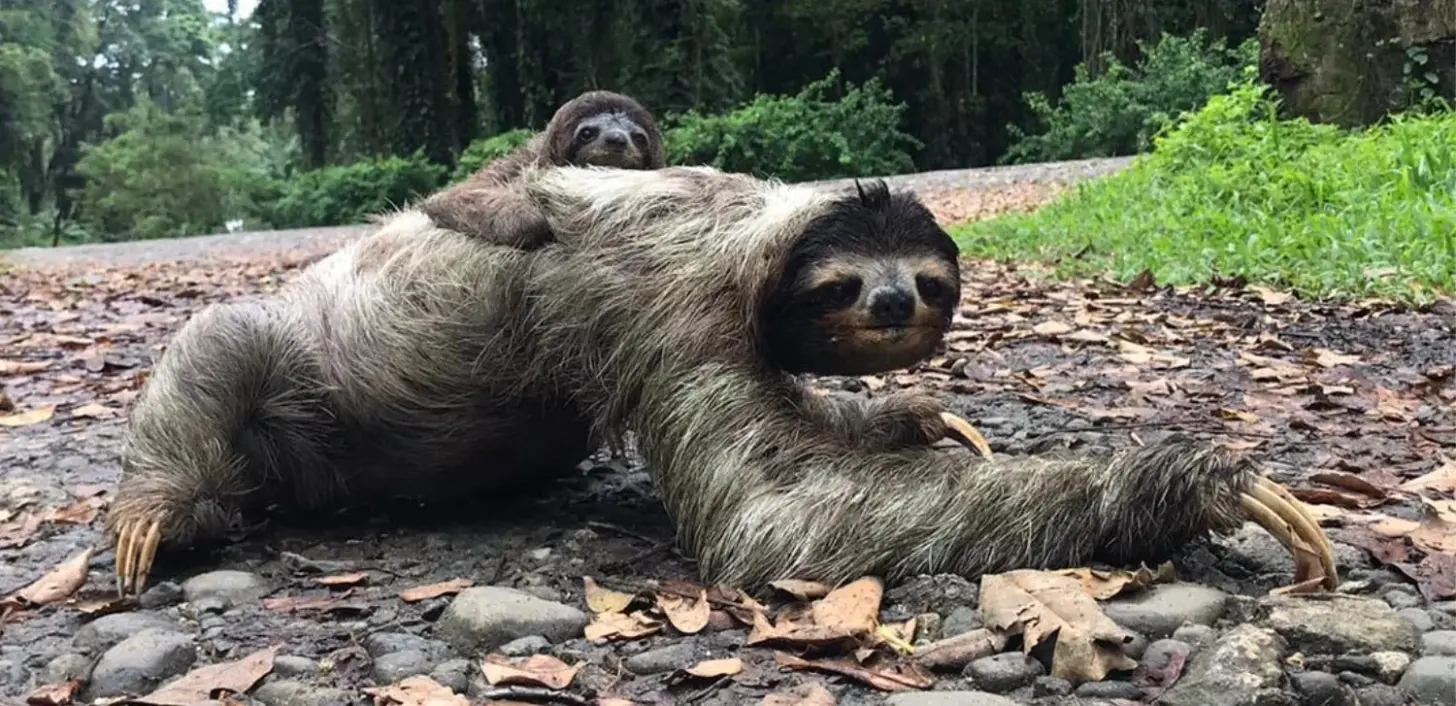
“Behind power line electrocutions, the biggest threats to the survival of wild sloths in Costa Rica are dog attacks and road traffic collisions,” the organization writes on its website.
“Both occurrences stem from habitat fragmentation forcing sloths to descend to the floor and crawl across the ground where they are extremely vulnerable. In order to keep the sloths safely up in the trees and away from danger, we build Sloth Crossing bridges across roads and in places where the once-continuous rainforest has been disturbed by development.”
The artificial bridges are simple rope systems that are installed between trees to link fragmented sections of the forest together, giving wildlife a safe route of passage.
“Our most basic Sloth Crossing design consists of a single rope secured between two hardwood trees,” SloCo explained on its website.
“We then grow carefully-chosen species of native vine, which can grow up to 3 feet per day and reach a diameter of over 1 foot, along the rope, which will eventually create a natural bridge for wildlife.”
A more extensive design of the sloth crossing includes support posts and a flat metal grid, where plants and vines are grown. This adds some stability and vegetation cover, though it’s more expensive and difficult to install. A simple regular rope costs just $200 to install, according to the foundation.
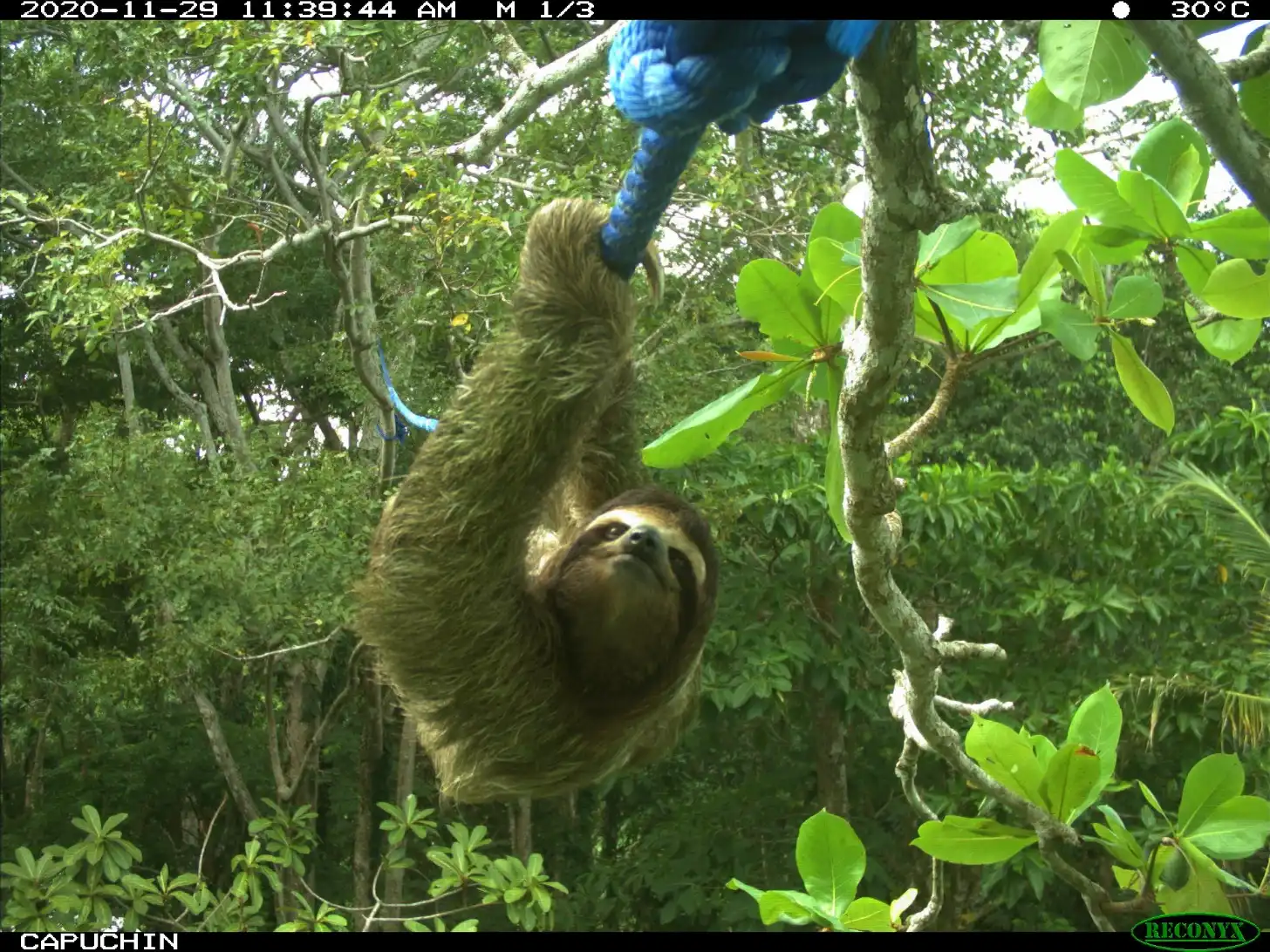
Regardless of what type of crossing is built, each one includes camera traps, which begin to record when heat or movement, though sometimes the sloths move too slowly to trigger the detection technology.
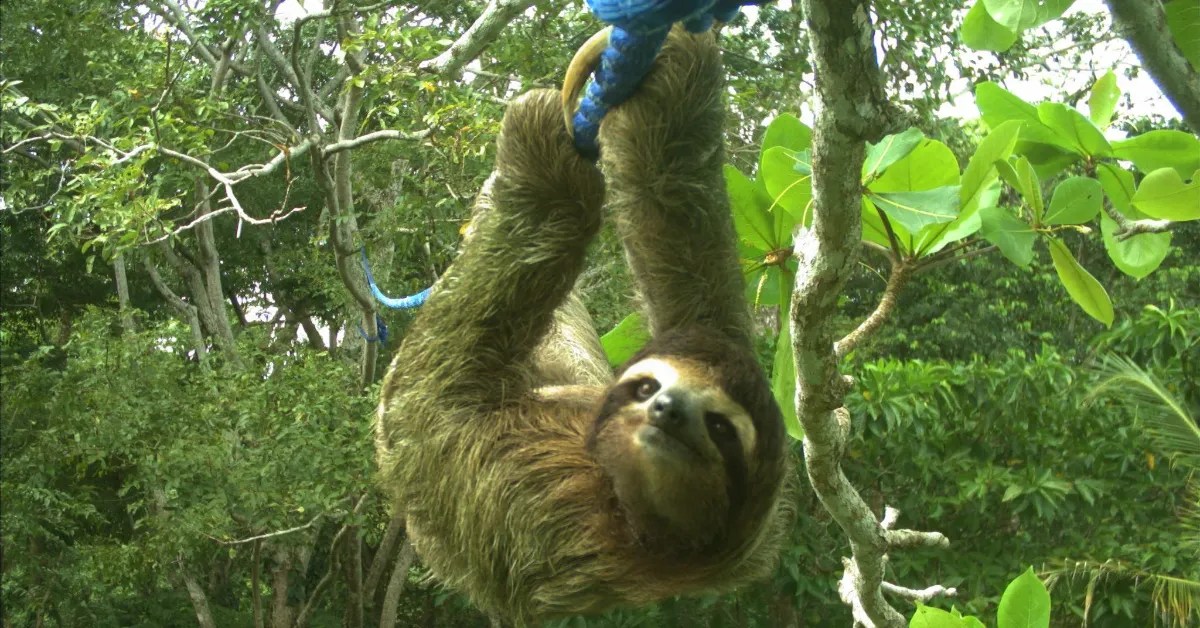
One camera trap set up by the foundation was able to capture some adorable images of sloths using the rope bridge — as well as other forest-dwelling species.
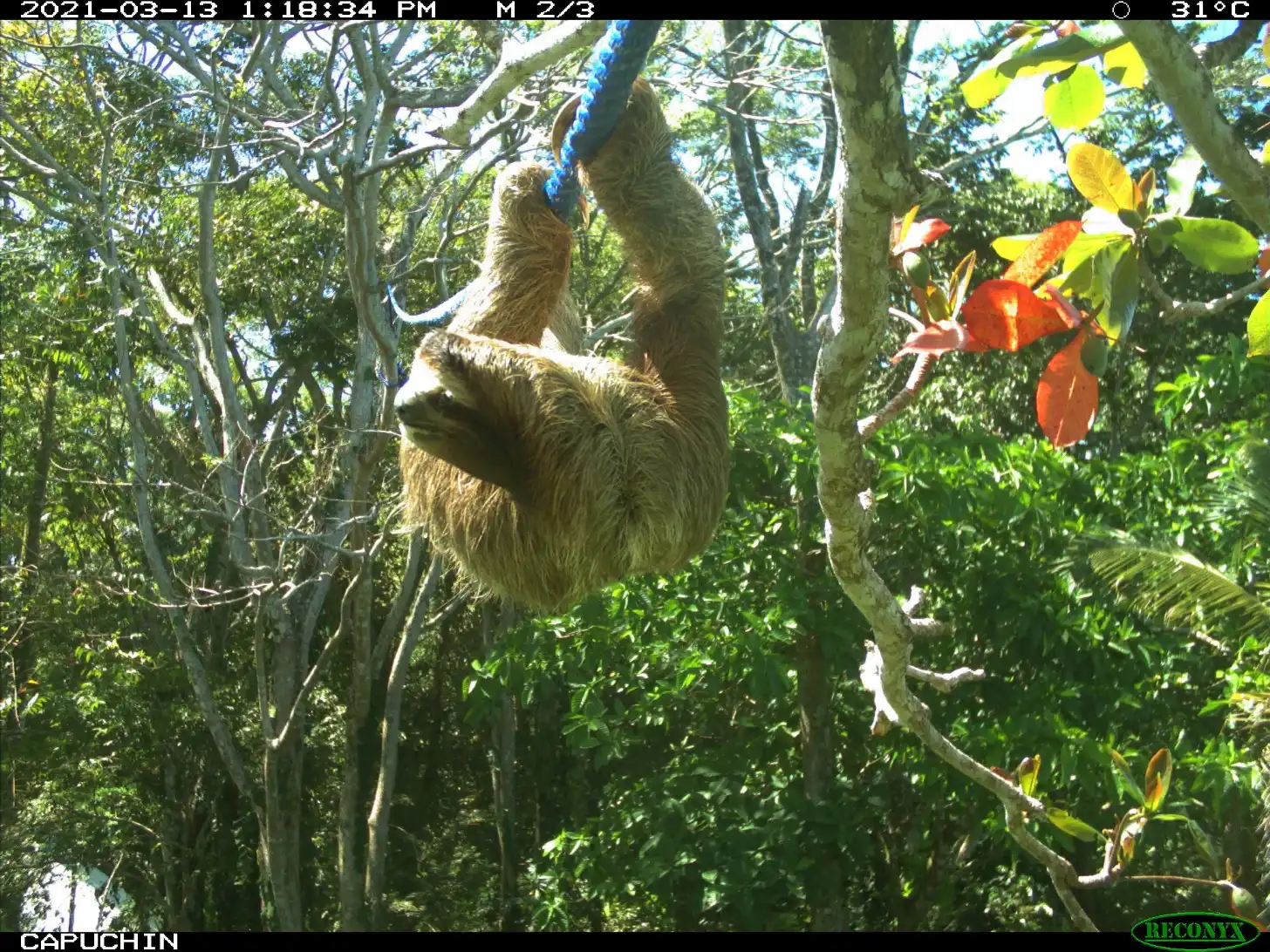
“Over the course of six months, the camera took over 6,000 photos. 4,000 of those images were of howler monkeys using the bridge,” SloCo shared in an update. “According to our preliminary analysis, it seems that kinkajous and opossums are among the first species to use the bridges, with the first crossings witnessed within days of installing the bridge.”
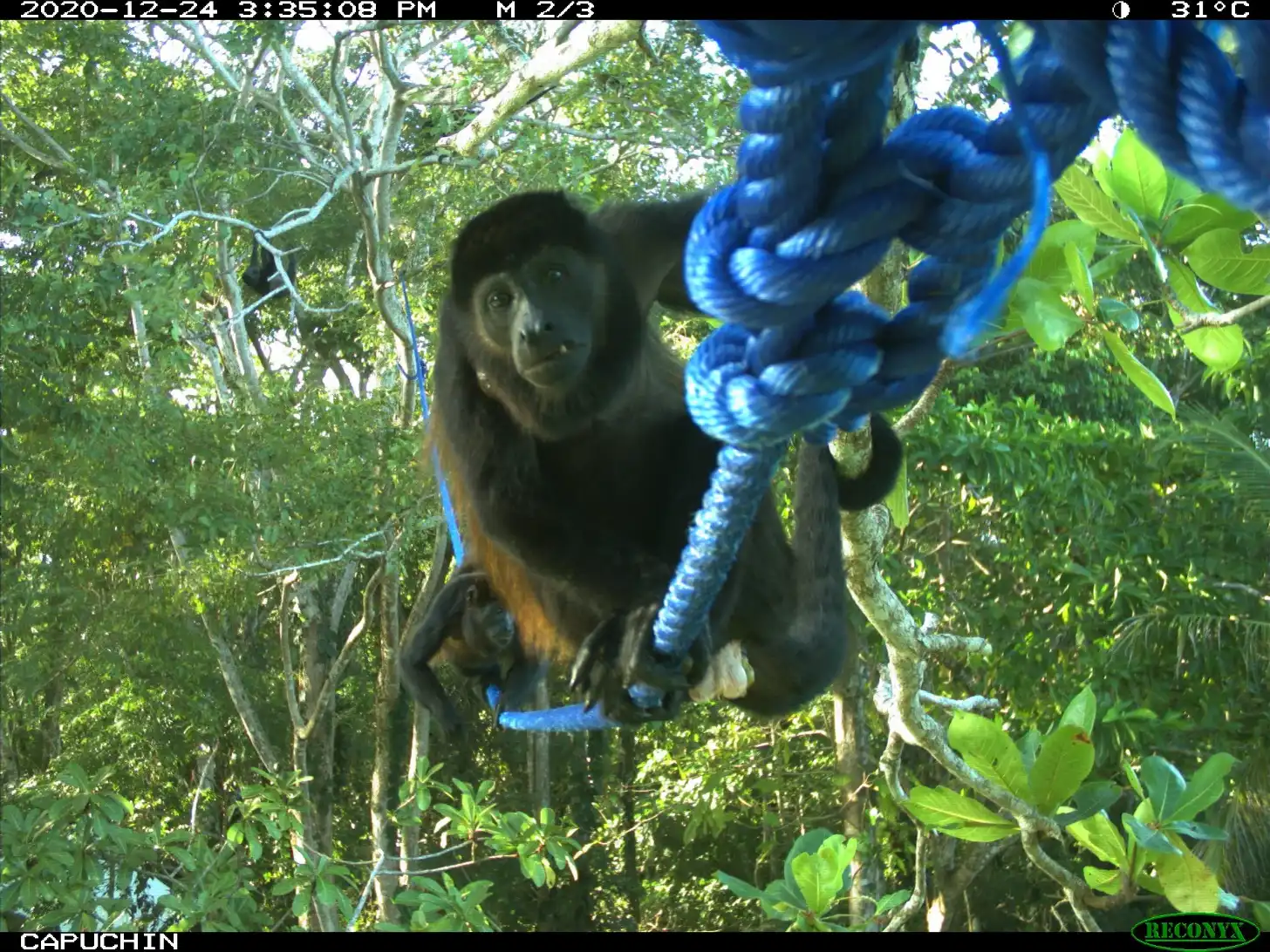
While many sloths have snuck by cameras undetected, the foundation is encouraged by its efforts.
According to Ecoflix Foundation, which funds conservation projects including the sloth crossings, over 400 bridges have been installed across Costa Rica so far, reconnecting over 19,000 acres of forest, and leading to an 82% reduction in wildlife injury and conflict in target areas.
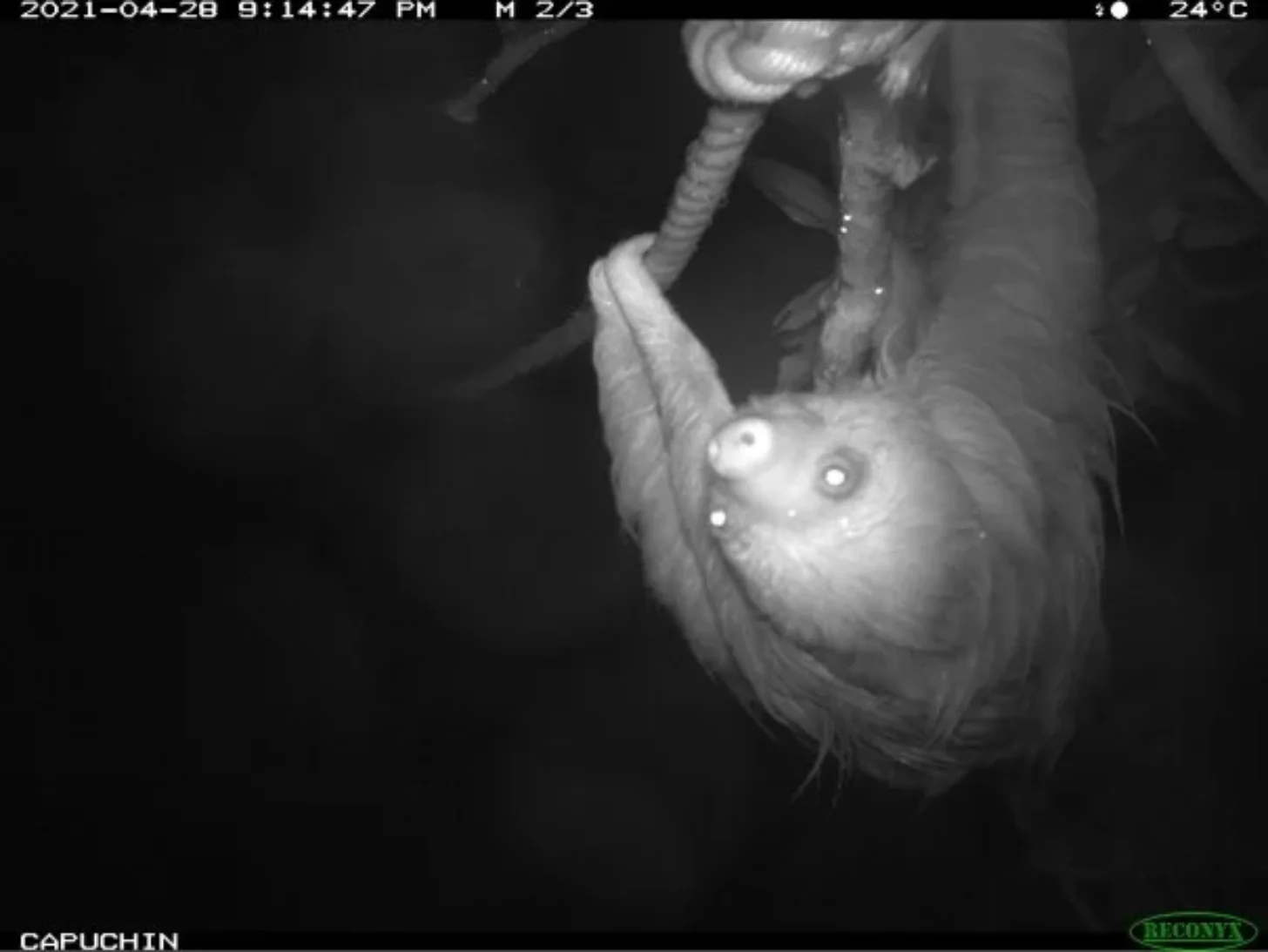
One other upside to the bridges is that they mitigate inbreeding among sloths.
“Sloths are very vulnerable to habitat loss because it makes travelling to find a mate very difficult. As the world’s slowest mammal, sloths cannot run nor jump, and so any gap in the forest canopy represents a major barrier to movement,” SloCo explained.
“It is very important that sloths are able to move far enough away from their immediate relatives to avoid accidentally breeding with them in the future. When inbreeding happens, it causes something called ‘a loss of genetic diversity’ in the population, and this is really bad news for the health of wild sloths.”
Installing these rope bridges gives sloths a chance to safely inhabit their natural environment and maintain a healthy population. They also empower local communities to get involved in wildlife conservation.
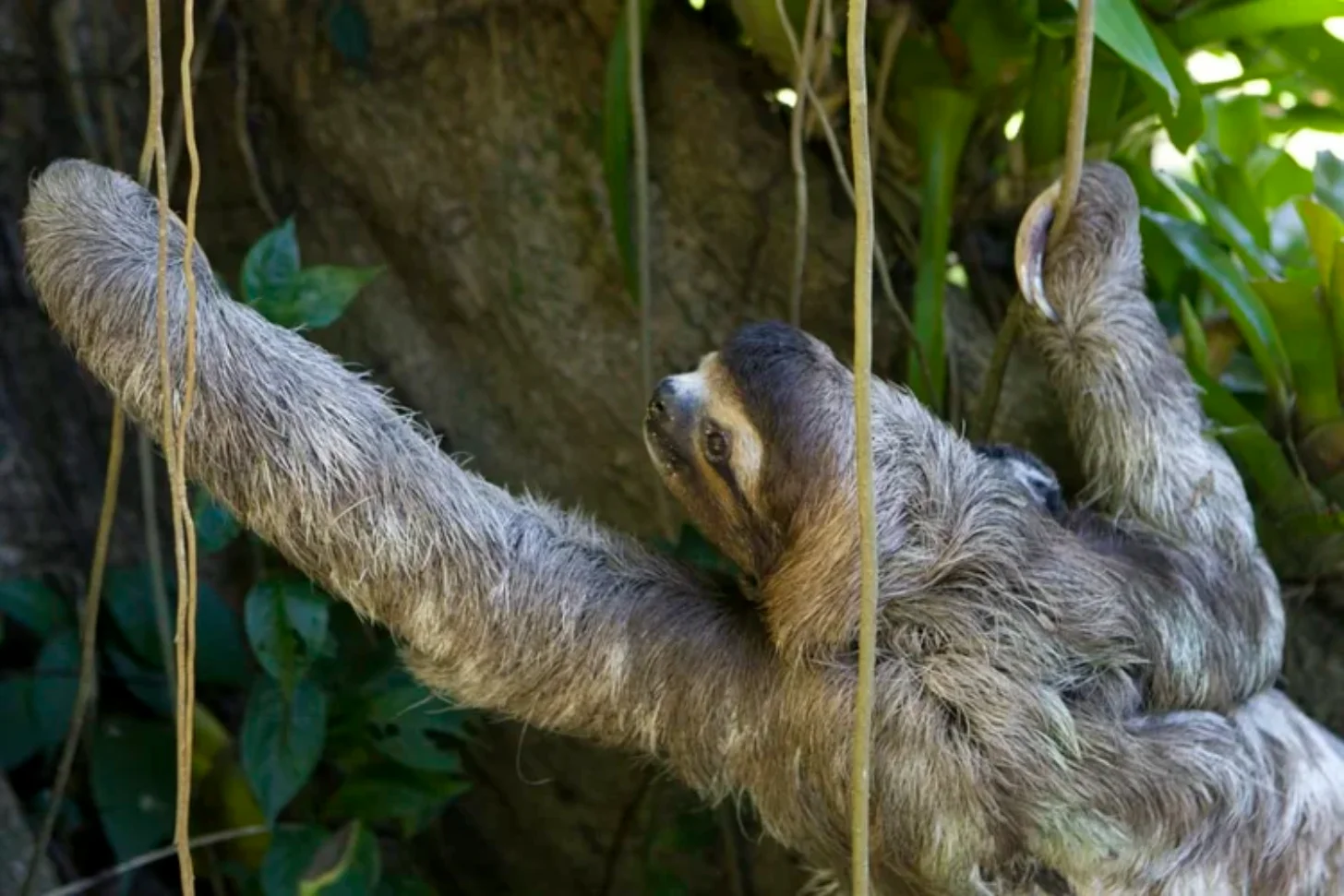
While SloCo does install crossings over roads, they also work with Costa Rican landowners to install them “anywhere connectivity has been broken.” That might include across gardens, fences, driveaways, or between schools and restaurants.
“We believe that innovative, forward-thinking conservation strategies can bridge the gap between human development and the natural world,” SloCo shares on its website, “creating solutions that allow both sloths and people to flourish, side by side.”
You may also like: Critics doubted a $1.46B wildlife crossing. Trail cameras tell a success story: '75 recorded uses each night'
Featured Image: Courtesy of Sloth Conservation Foundation