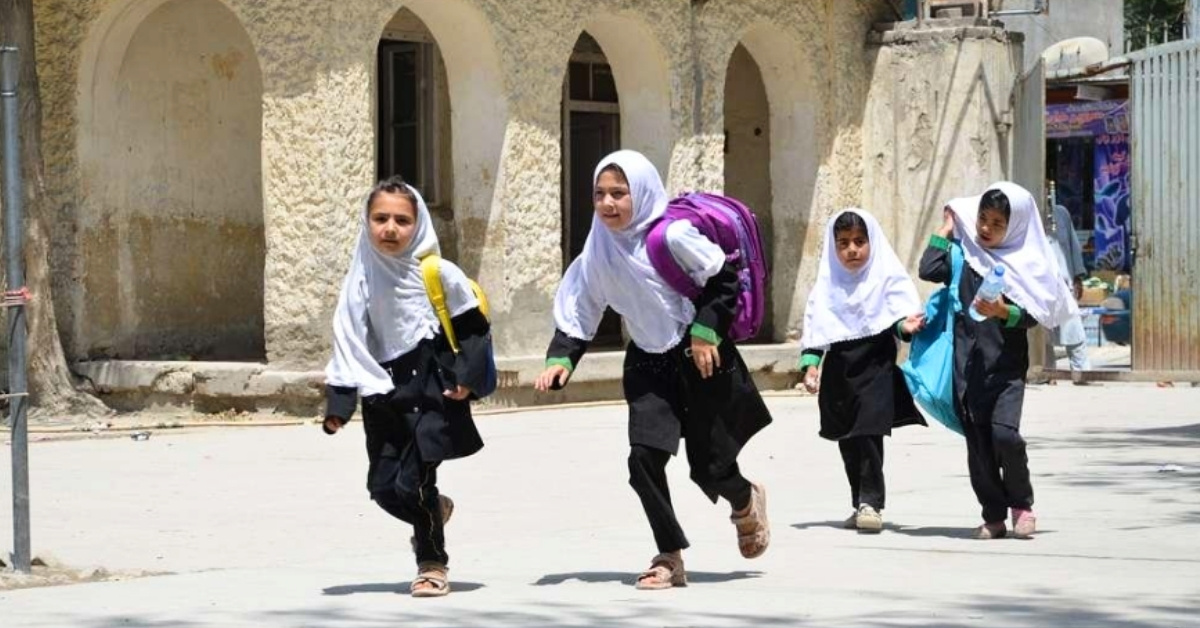
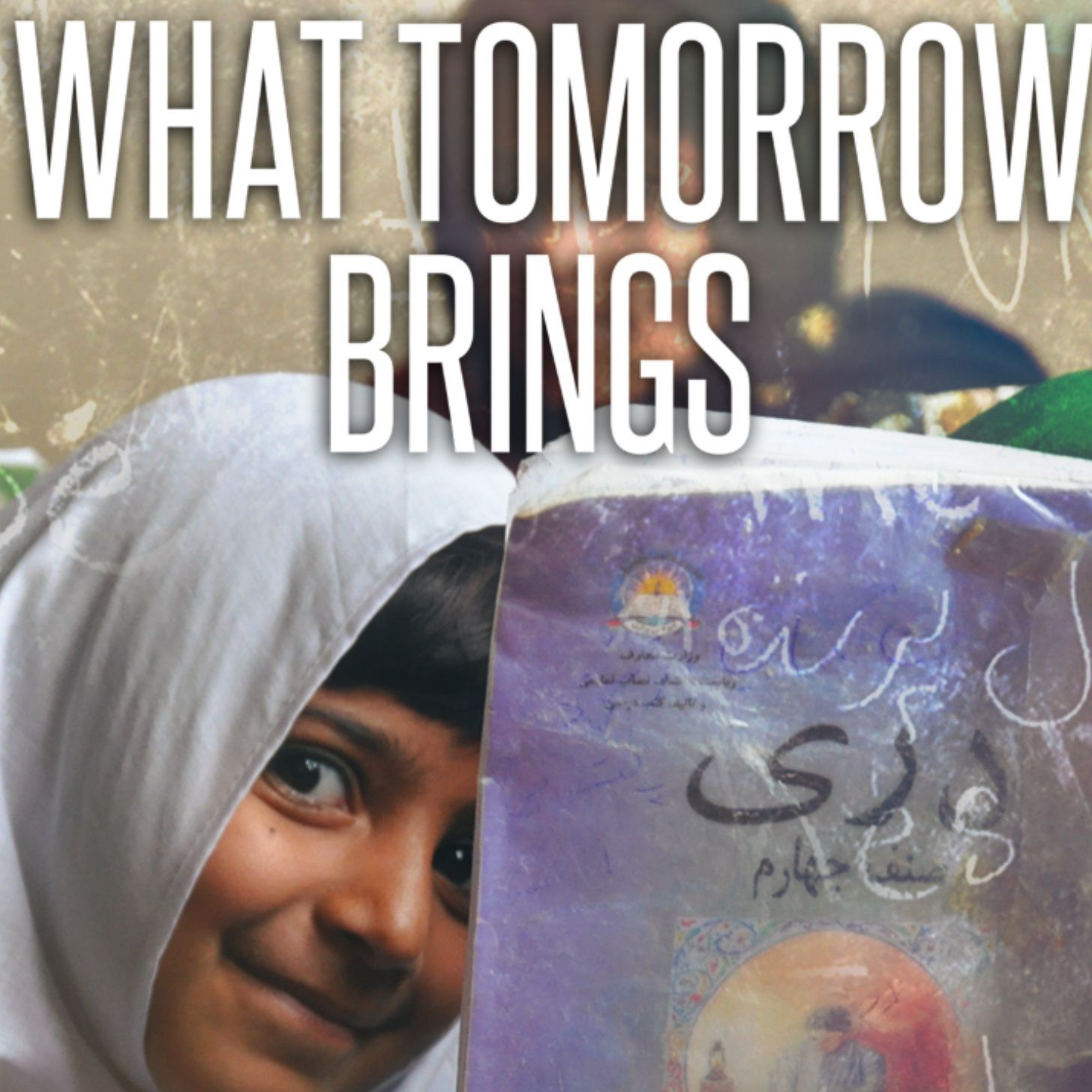
In July 2025, Razia Jan passed away at the age of 81. But she is forever memorialized in the PBS documentary “What Tomorrow Brings.”
As the principal and founder of Zabuli Education Center — the first school for girls in Deh’Subz, Afghanistan — Jan made sure that her girls were safe from the threat of the Taliban. Which meant testing the water from the drinking fountain every morning for potential poison.
“Every day I pray that nothing goes wrong and that they can go forth,” Jan told PBS filmmaker Beth Murphy. “I can’t really be sure what tomorrow brings, but at least they are in school this year. If the water is poisoned, I’m just one person.”
The documentary was filmed over the course of eight years and helped Jan raise awareness and funds for her next dream: a free women’s college with a midwifery program. In a country with high infant and maternal mortality rates, it was one of many ways that the educator hoped to improve the lives of women and girls in Afghanistan.
When the Taliban returned to power in 2021, Jan’s education center and college program were shut down indefinitely.
But until she died in July 2025 at the age of 81, she continued working with her nonprofit, Razia’s Ray of Hope Foundation, to ensure that girls across the country had access to early education, good nutrition, and essential health services.
“Razia was totally undeterred by rejection,” Andrea Alberto, the executive director of Razia’s Ray of Hope Foundation, told the New York Times. “She said, ‘We’ll teach as many of them as we possibly can.’”
A version of this article originally appeared in the 2026 Feminist Edition of the Goodnewspaper.