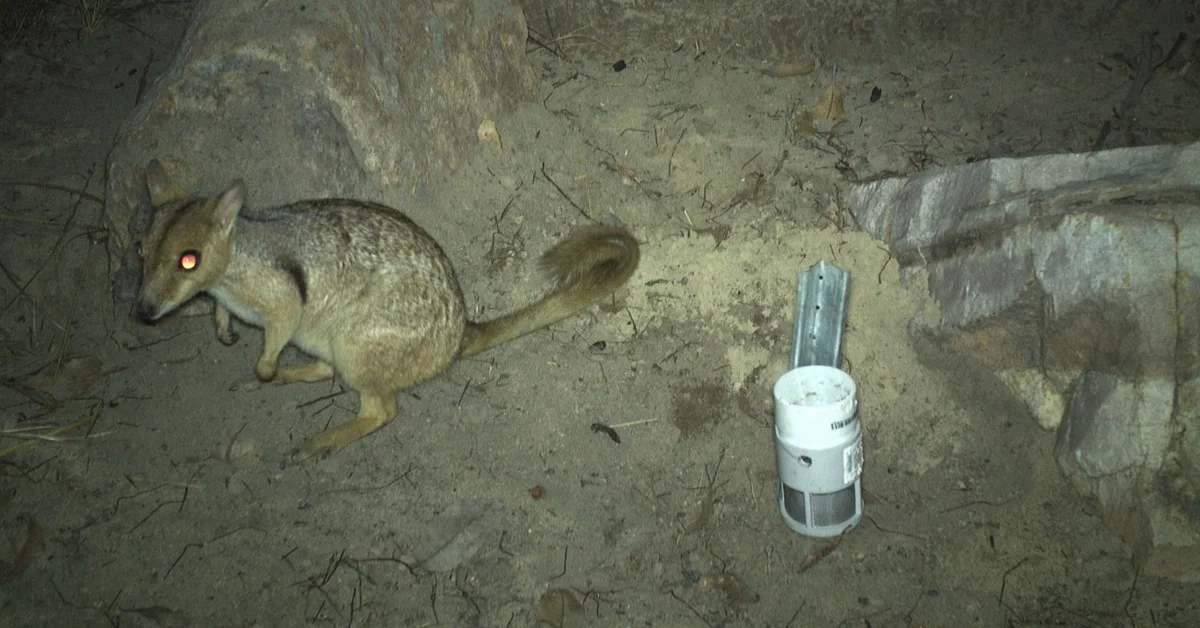
Researchers at the Australian Wildlife Conservancy are rejoicing after a major discovery: Confirmed sightings of a tiny wallaby for the first time in 50 years.
The Nabarlek is Australia’s second-smallest wallaby, and new trail camera footage confirmed its presence at two new locations in Western Australia’s Kimberley region.
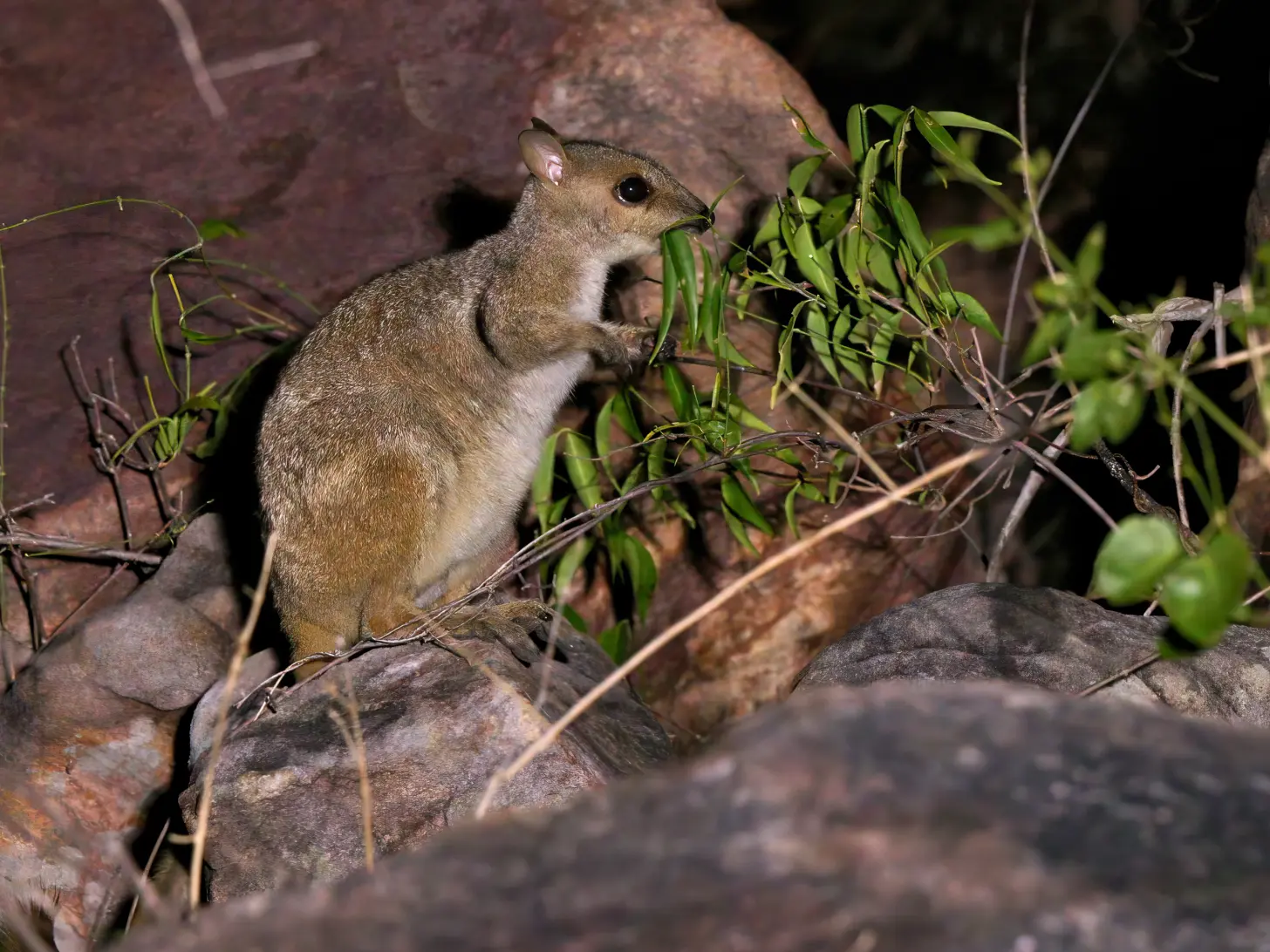
The camera traps — and a scat analysis — verified the presence of the 2.6-pound (or 1.2-kilogram) rock-wallaby on Yampi Sound Training Area on Dambeemangaddee Country. A second population was also confirmed around 105 miles away in the northeast of Dambeemangaddee Country.
These were the first detections of the species on mainland Dambeemangaddee Country in over 50 years, and the first on record for the Yampi Sound Training Area, one of 20 priority places for the federal government’s “threatened species action plan.”
Seeing these tiny wallabies in the wild provides both major insight into the species’ ecology and hope for the endangered species in the northern part of the country.
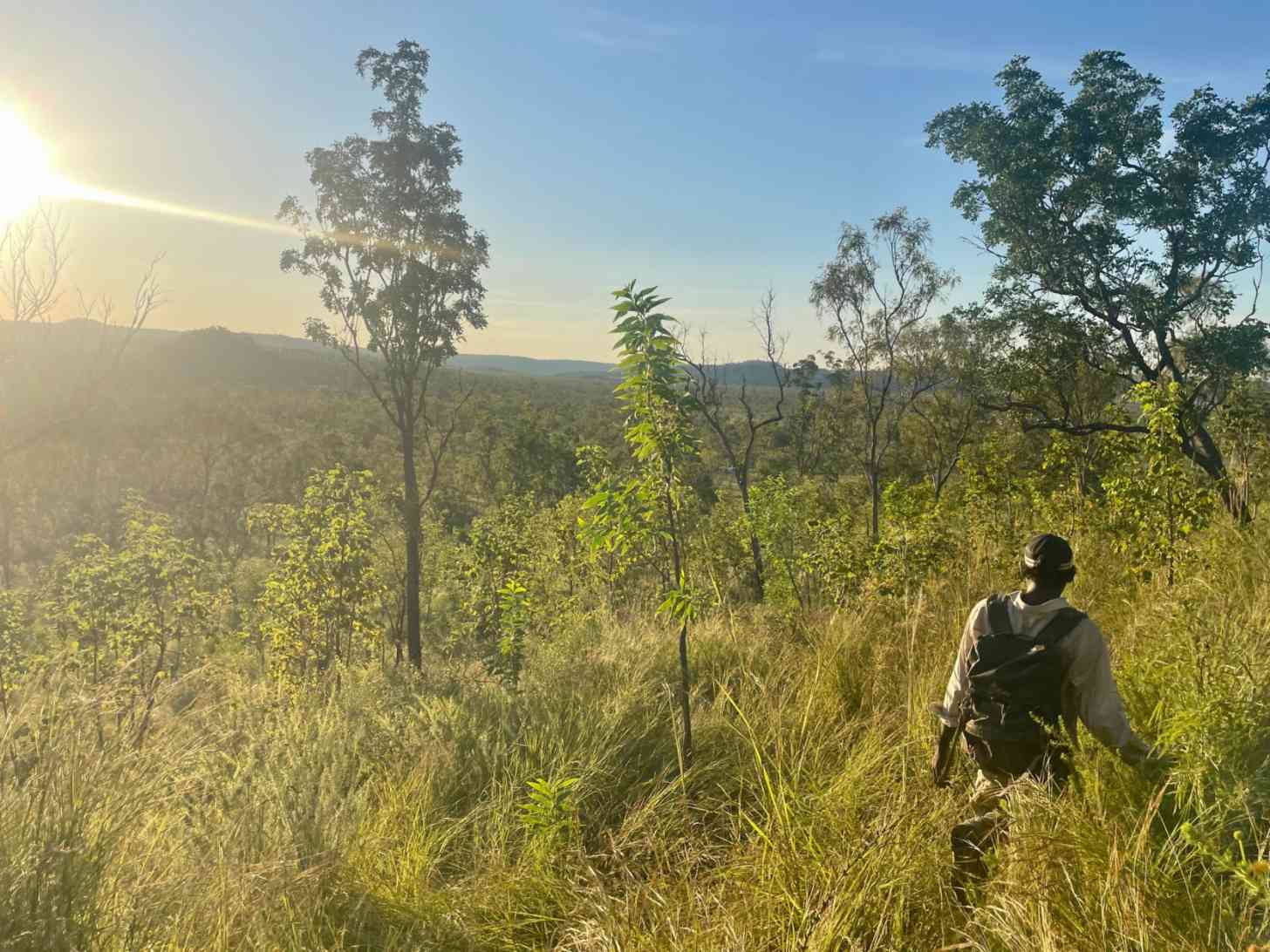
“This is very exciting and great news for the species,” Larissa Potter, AWC senior field ecologist, said.
“Confirming the Nabarlek’s presence at two new sites on mainland Dambeemangaddee Country is a major step forward for our understanding of where the species occurs. It’s also reassuring as it indicates that this threatened wallaby is persisting on the Kimberley mainland in places we didn’t previously know about.”
The Nabralek is believed to have once been widespread across the area, but in recent years, there have been very few records of the species in any part of Australia. Feral cats, more herbivores influencing the ecosystem, and severe wildfires may be to blame for the species’ decline.
About as long as a loaf of bread, the tiny critters are also elusive, due to the fact that they live in very remote, rocky habitats.
Additionally, the Nabralek looks very similar to two other wallaby species, the Monjon and the Short-eared Rock-wallaby, making it even harder for researchers to confirm the species’ presence.
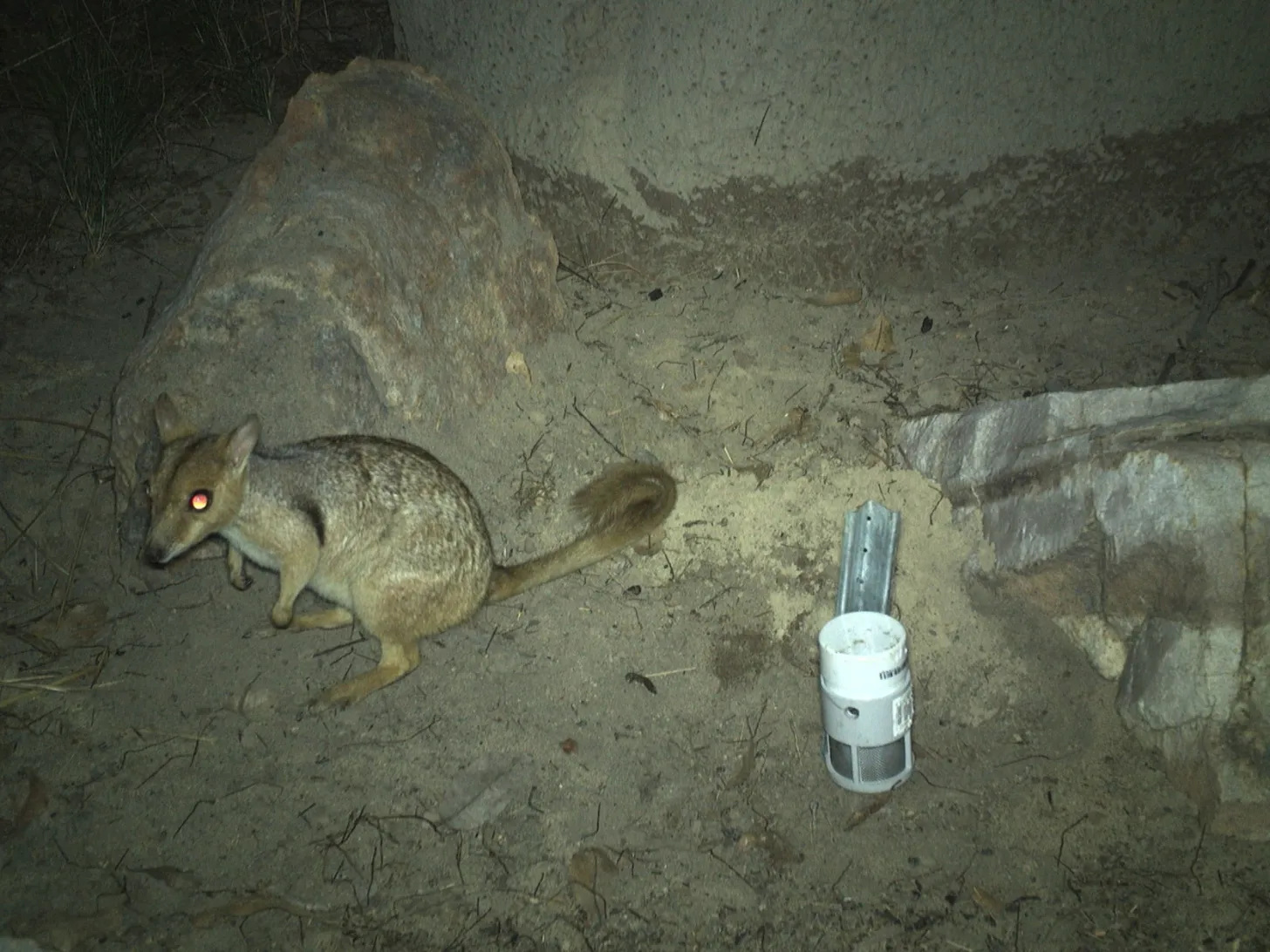
The AWC worked with the Dambimangari Aboriginal Corporation to study the Nabralek, using camera images and genetic analysis through scat samples, later examining the images more thoroughly for distinctive markings and physical traits that differentiate the species from other wallabies.
“Every animal has its own song and story, they might be small, they might be big, but they all play their part in keeping [the country] healthy. They’re part of the ecosystem,” Inga Pedersen, Dambeemangaddee traditional owner, said.
“We heard that the Nabarlek didn't exist anymore [on the mainland], so it’s good to know that they’re there; it shows their country is healthy.”
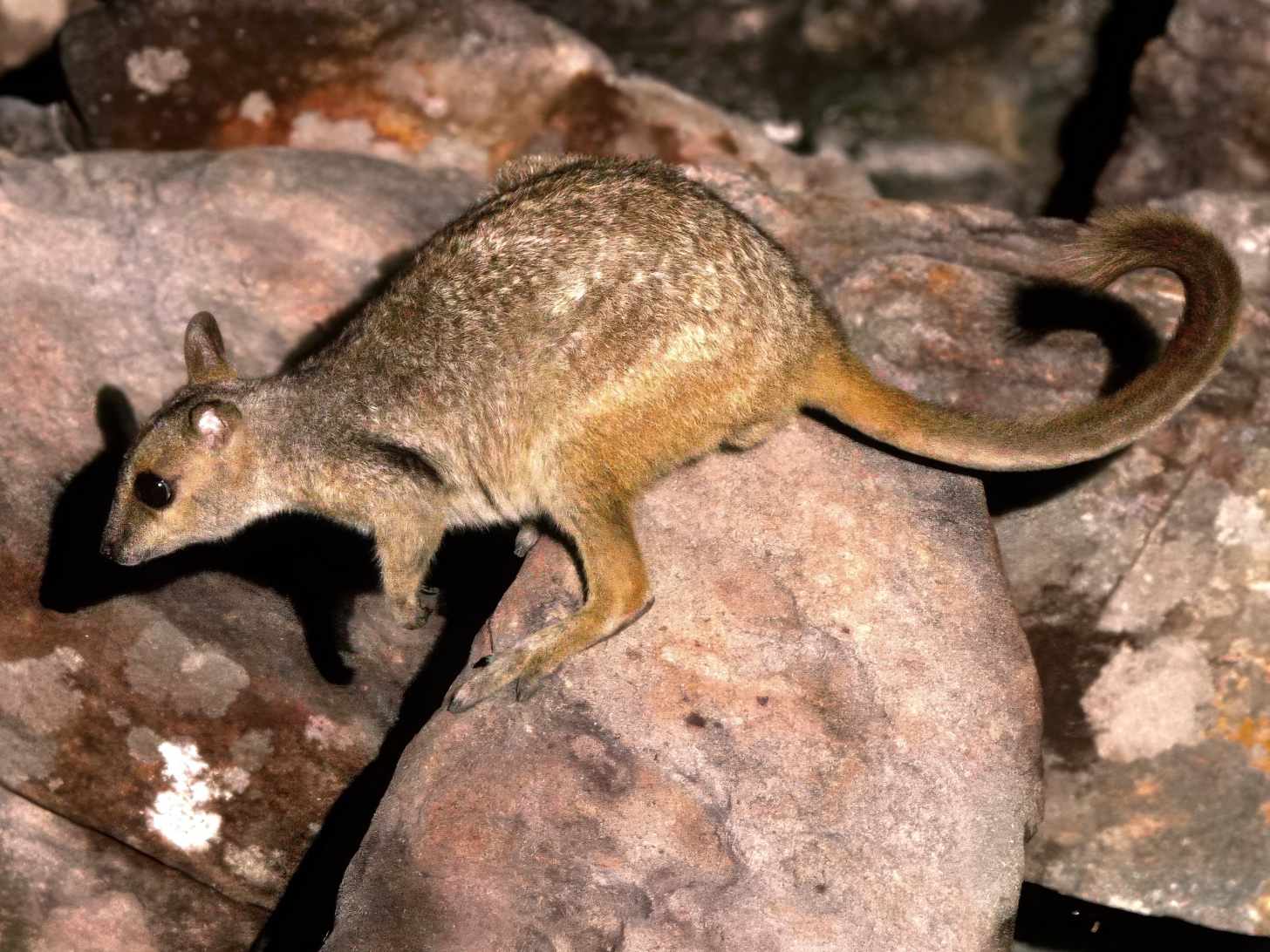
Now, the AWC and DAC will continue to survey the area to find more Nabarlek populations. This will allow them to further investigate threats facing the species and implement conservation efforts to protect it.
“Now we want to know more about them. Is it a healthy population?” Pederson said. “We want to compare them to the ones on the islands, and make sure this animal isn't disappearing.”
You may also like: Trail cameras catch elusive, endangered ocelots using wildlife crossing in Texas
Featured Image: Courtesy of Australian Wildlife Conservancy