It’s a good day Down Under.
Australian conservationists in Queensland are celebrating after discovering a new addition to the country’s population of critically endangered northern hairy-nosed wombats.
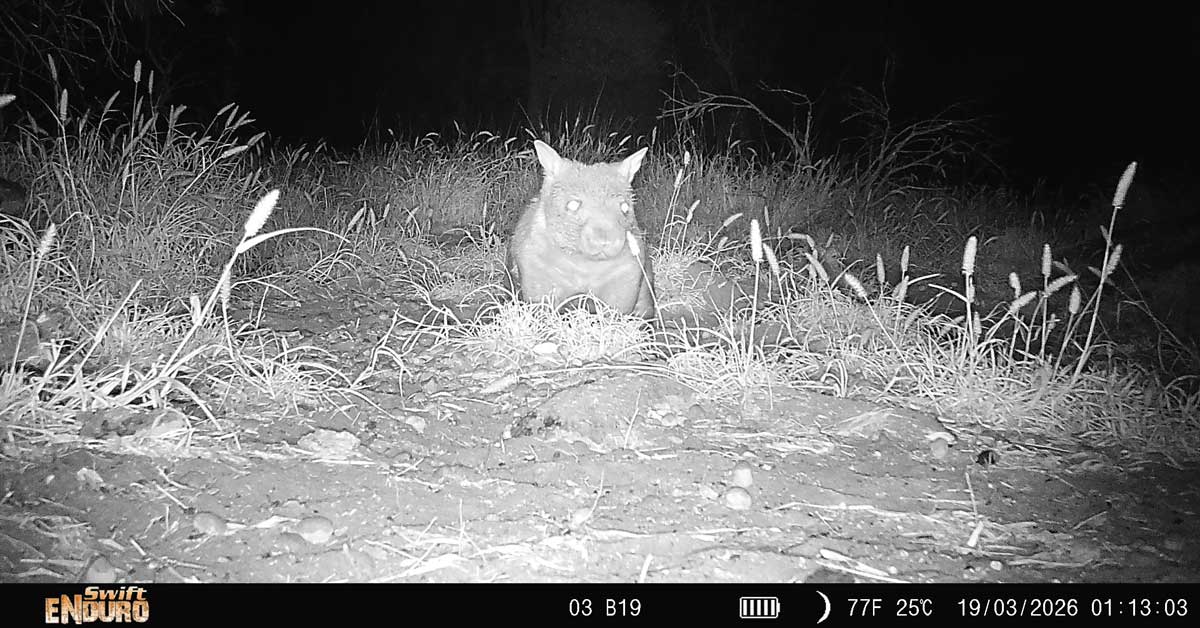
In March, a female wombat was spotted on a motion sensor camera deployed by the Australian Wildlife Conservancy at the Richard Underwood Nature Refuge.
The female was seen waddling around southwest Queensland — and when conservationists took a closer look, they noticed a “mini bulge” in the photo.
They realized the wombat was a mother carrying her young, and according to a press release from AWC, the conservationists “turned to mush upon seeing the images.” When the mother was first photographed in March, the baby was believed to be around two or three months old.

“There are only around 450 Northern Hairy-nosed Wombats left in the world – but you can now make that 451,” an “ecstatic” Ben Stepkovitch, AWC Wildlife Ecologist, said in a statement.
“We’re all very excited about the images because every new joey adds to the overall population of the species, giving us hope that they’ll persist well beyond the near future.”
Conservationists say the offspring offers a unique glimpse into the reproductive cycle of one of the “world’s rarest mammals.”
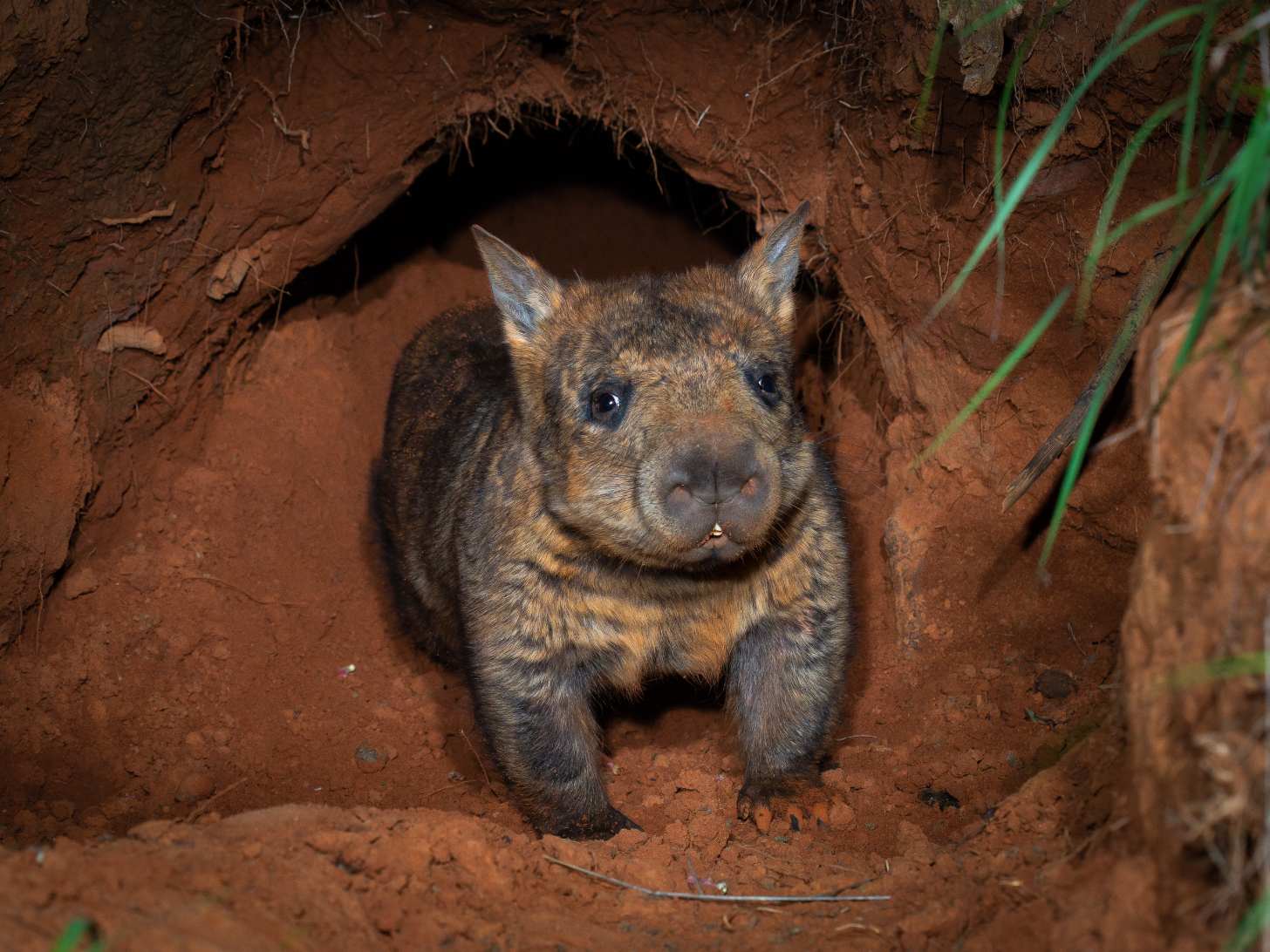
According to the AWC, the northern hairy-nosed wombat is the world’s largest burrowing marsupial, a nocturnal mammal with a distinct appearance, including a broad nose, pointy ears, and faint black eye patches.
The species historically lived in open eucalypt woodlands, which were vastly cleared in the 19th and 20th centuries. Due to habitat destruction, and even direct killings by European colonizers, the species fell to just 35 individuals in the 1980s.
At this time, the Queensland Parks and Wildlife Service established a dedicated program to protect the remaining wombats, including fences to keep out predators like wild dogs and dingoes, and the population of wild wombats has steadily increased.
That said, the species is still critically endangered, and those working to protect them were overjoyed to see a new arrival.
The first people to identify the new mom were caretaker volunteers Anne and Corinne at Richard Underwood Nature Refuge.
Sifting through pictures from the motion sensor camera, they saw the female with a “slightly slumping belly.”

“When we saw the little bulge on the belly, we got very excited and wondered if this could be a little baby pouch, so we passed the photos immediately onto AWC’s science team to be sure,” Anne and Corinne said in a statement.
“They ran it by the wombat gurus at the Queensland government, and confirmed it was indeed a newly born wombat.”
Now, the team is monitoring the mom’s movements and condition from afar, checking new data from the motion sensor camera on a regular basis.
“We are making an effort to download the images more regularly,” Stepkovitch added.
“Over the last three months, we’ve seen the pouch grow and mum seems to be doing well and holding up against the weight of her joey well. We anticipate that the joey will emerge from the pouch by October when it’s about nine months old. Everyone at AWC is very excited.”
You may also like: Conservationists celebrate birth of baby pancake tortoise, hope for one of the world's most endangered reptiles
Header image courtesy of Australian Wildlife Conservancy