Since 1989, the Knowles-Nelson Stewardship Program has protected more than 750,000 acres of land in Wisconsin, which is home to over 400 endangered and threatened animals.
Through the program, the Wisconsin Department of Natural Resources has maintained public parks and trails, safeguarded its forests from development, and protected its shorelines.
In 2015, the state’s DNR started Snapshot Wisconsin, a wildlife monitoring project that encourages volunteers to identify animals on trail cameras. Thanks to over 30,000 volunteers, the citizen science project has catalogued more than 100 million wildlife photos in the last decade.
“Ten years ago, we were accepting our very first volunteers into the Snapshot Wisconsin program,” Snapshot's lead scientists, Dr. Christine Anhalt-Depies and Dr. Jennifer Stenglein, said in a joint statement in 2025.
“The reality is that your enthusiasm and dedication to the project has exceeded our expectations. Snapshot Wisconsin has grown into more than we could have imagined,” they continued. “With multiple years of data, this project is useful for tracking Wisconsin’s wildlife populations through time and across the state.”
Although it started in just two counties, Snapshot Wisconsin has become the largest trail camera project of its kind in the country.
“Data from Snapshot Wisconsin supports decision making for 14 different species, with more products in development,” the scientists said.
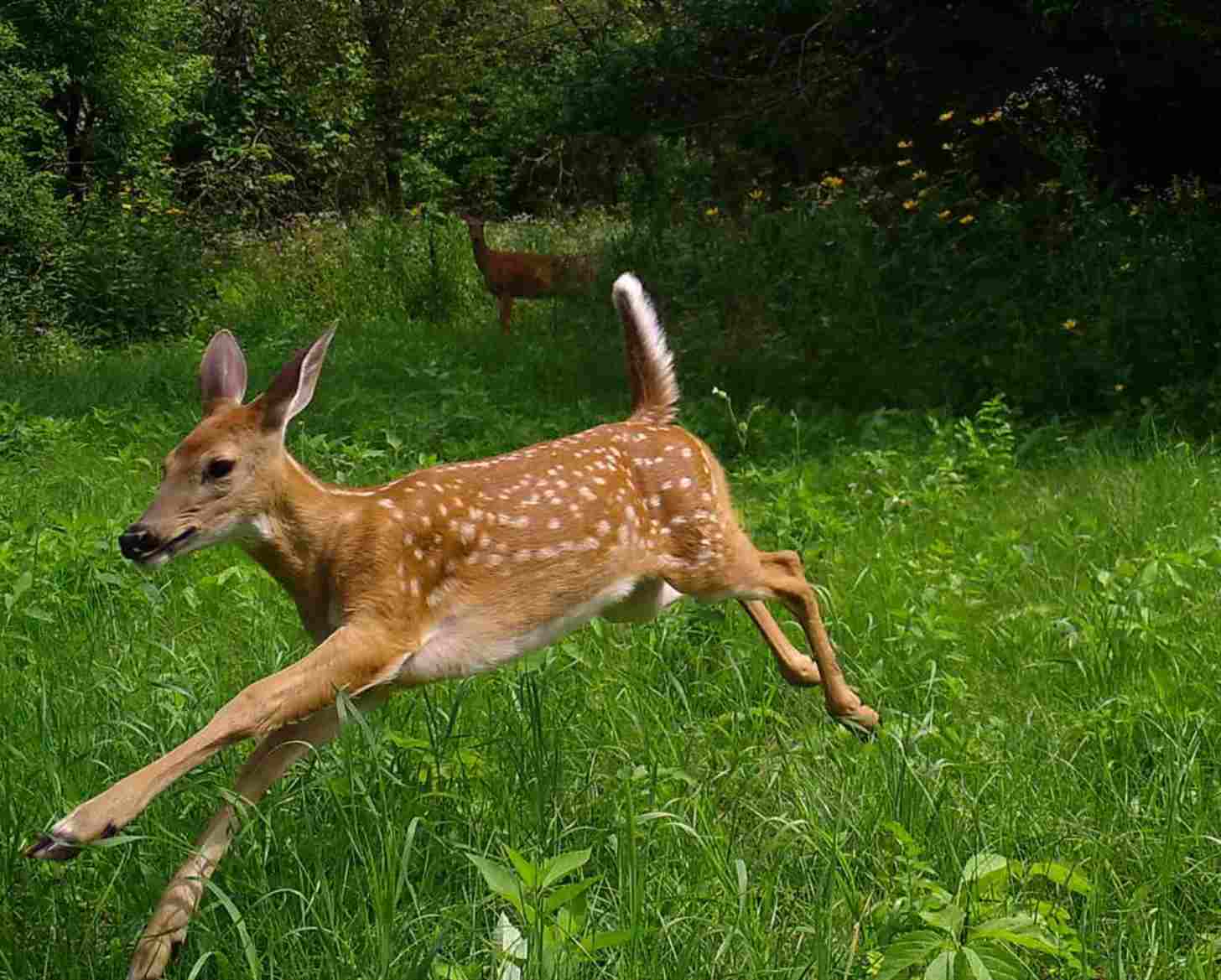
The program has led to a wealth of information, including fawn-to-doe ratios for white-tailed deer, decision support data for elk and wolves, and trending reports for furbearers like beavers, bobcats, and coyotes.
“Snapshot Wisconsin is used in classrooms and nature programs in support of science and environmental education, and this project has impacts far beyond Wisconsin,” Stenglein and Anhalt-Depies wrote. “Research based on Snapshot Wisconsin has resulted in 21 scientific publications. Snapshot Wisconsin data are requested and used by high school students, university researchers, and Wisconsinites for their own curiosity and research questions.”
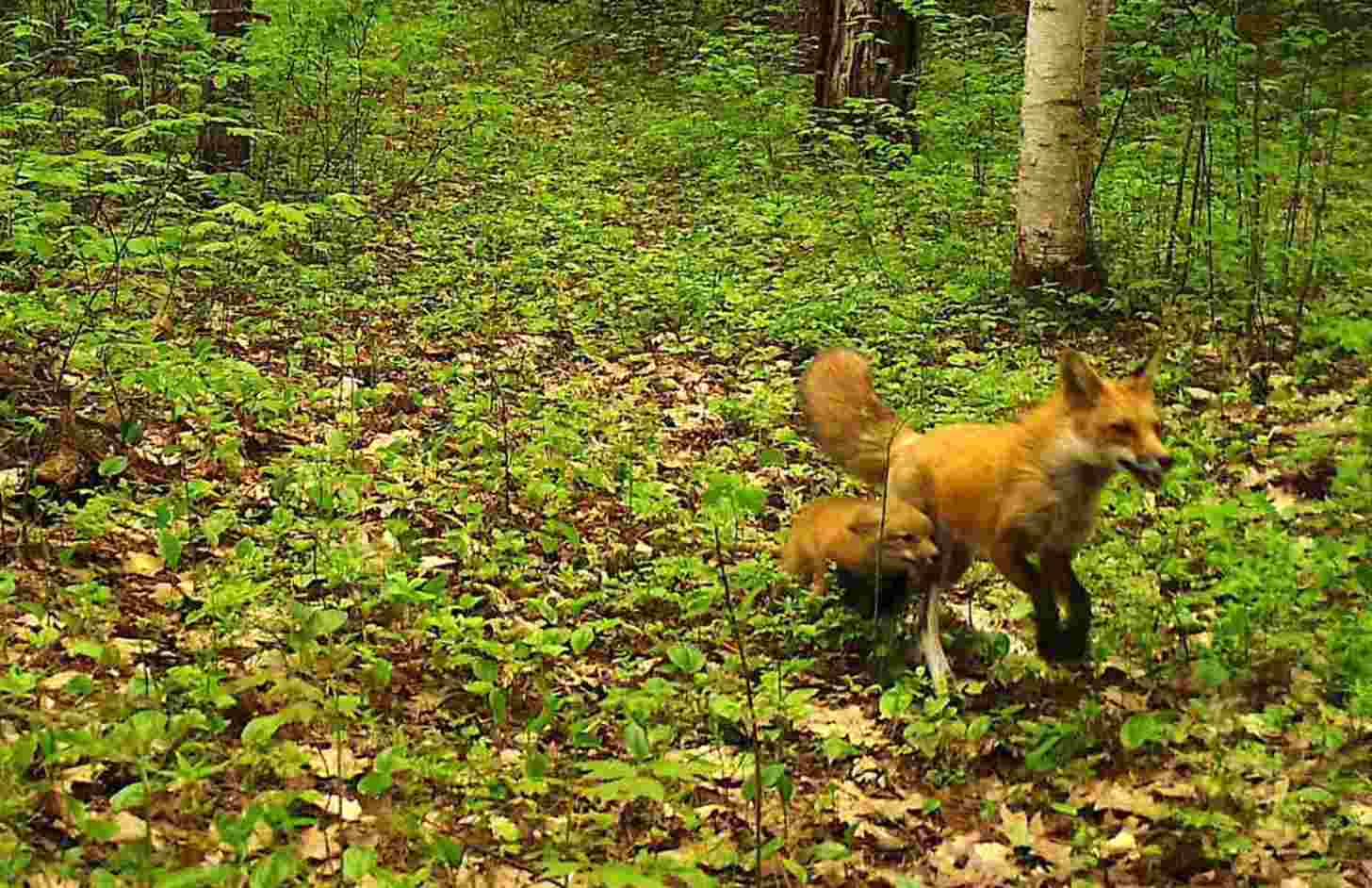
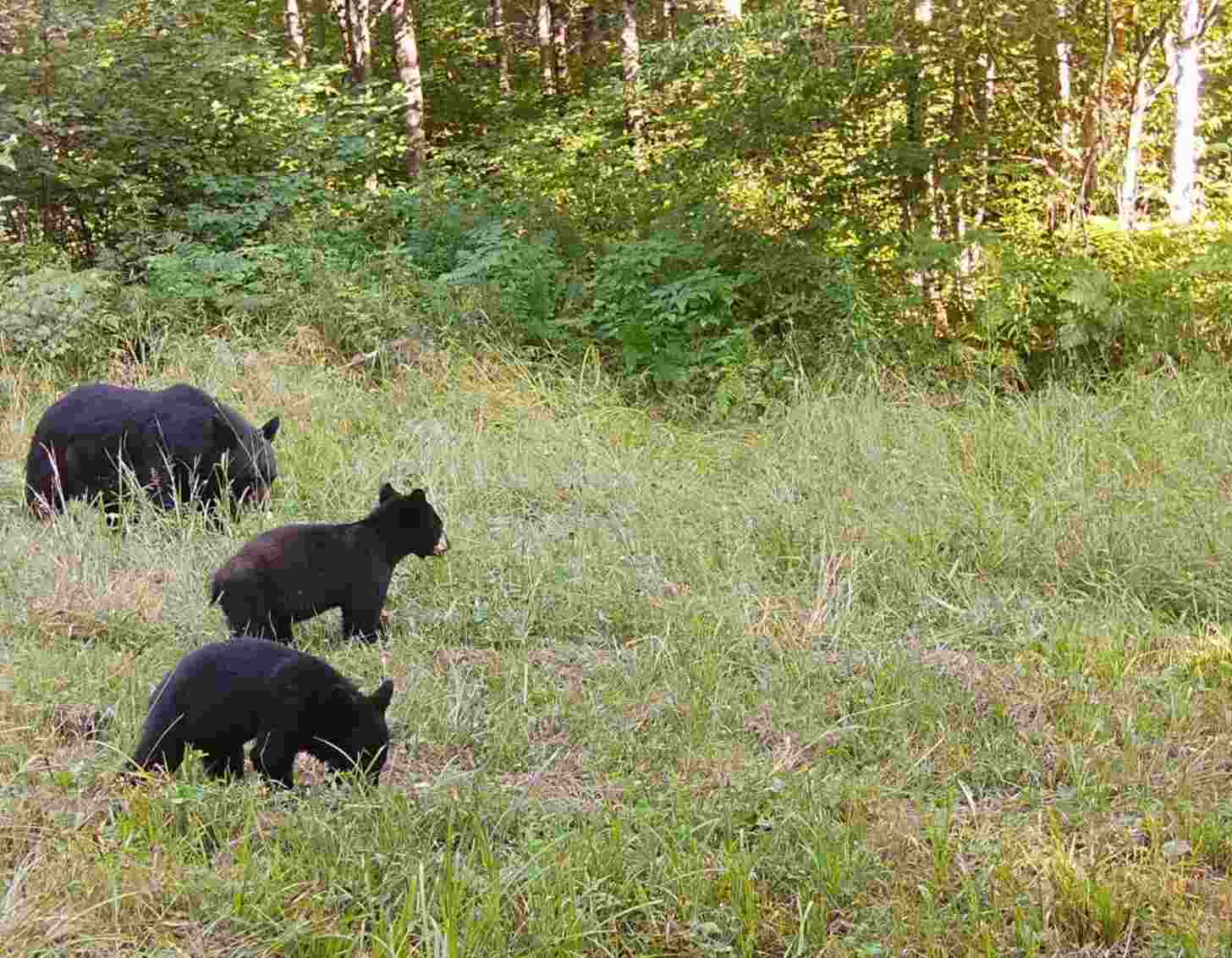
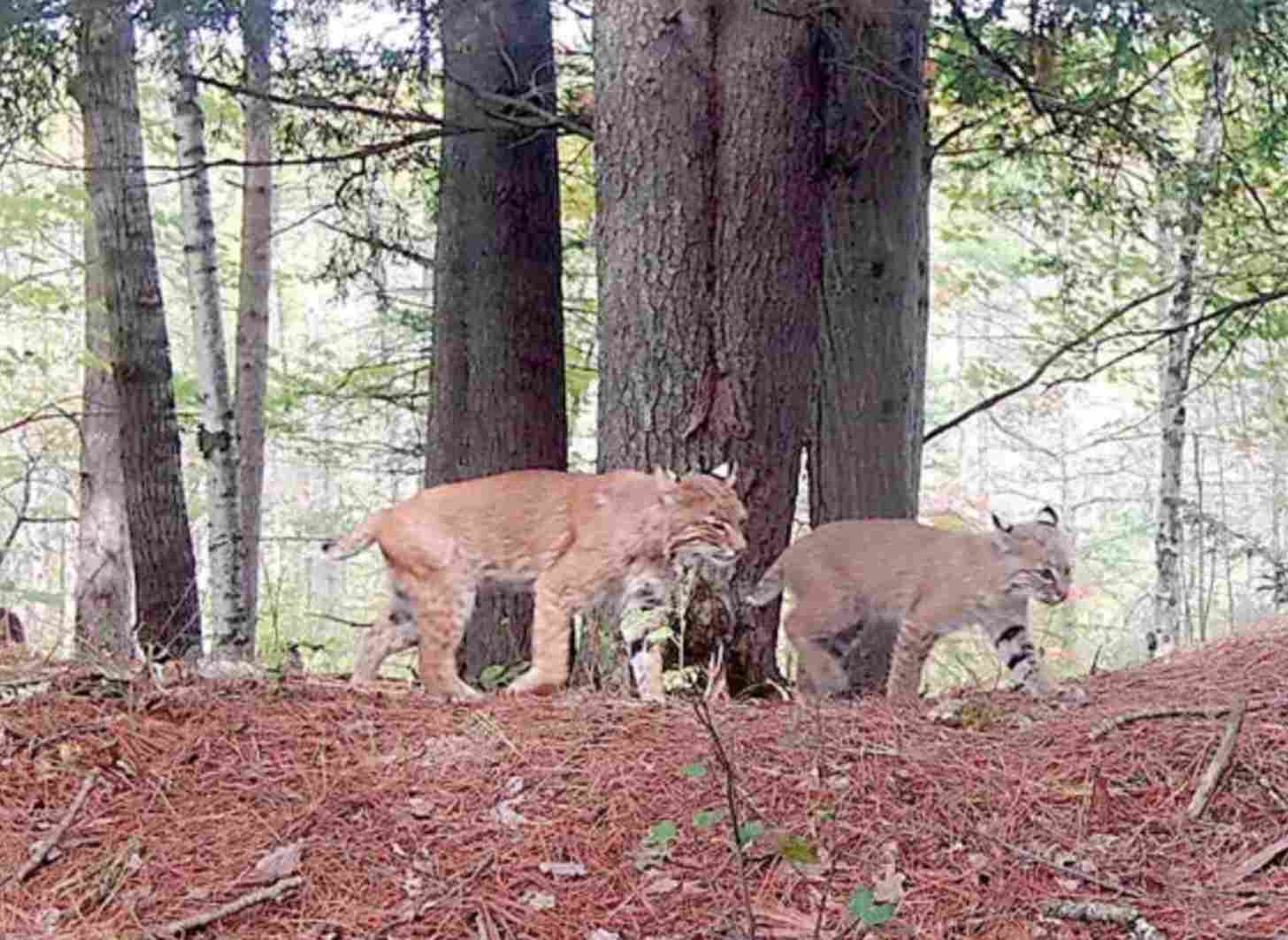
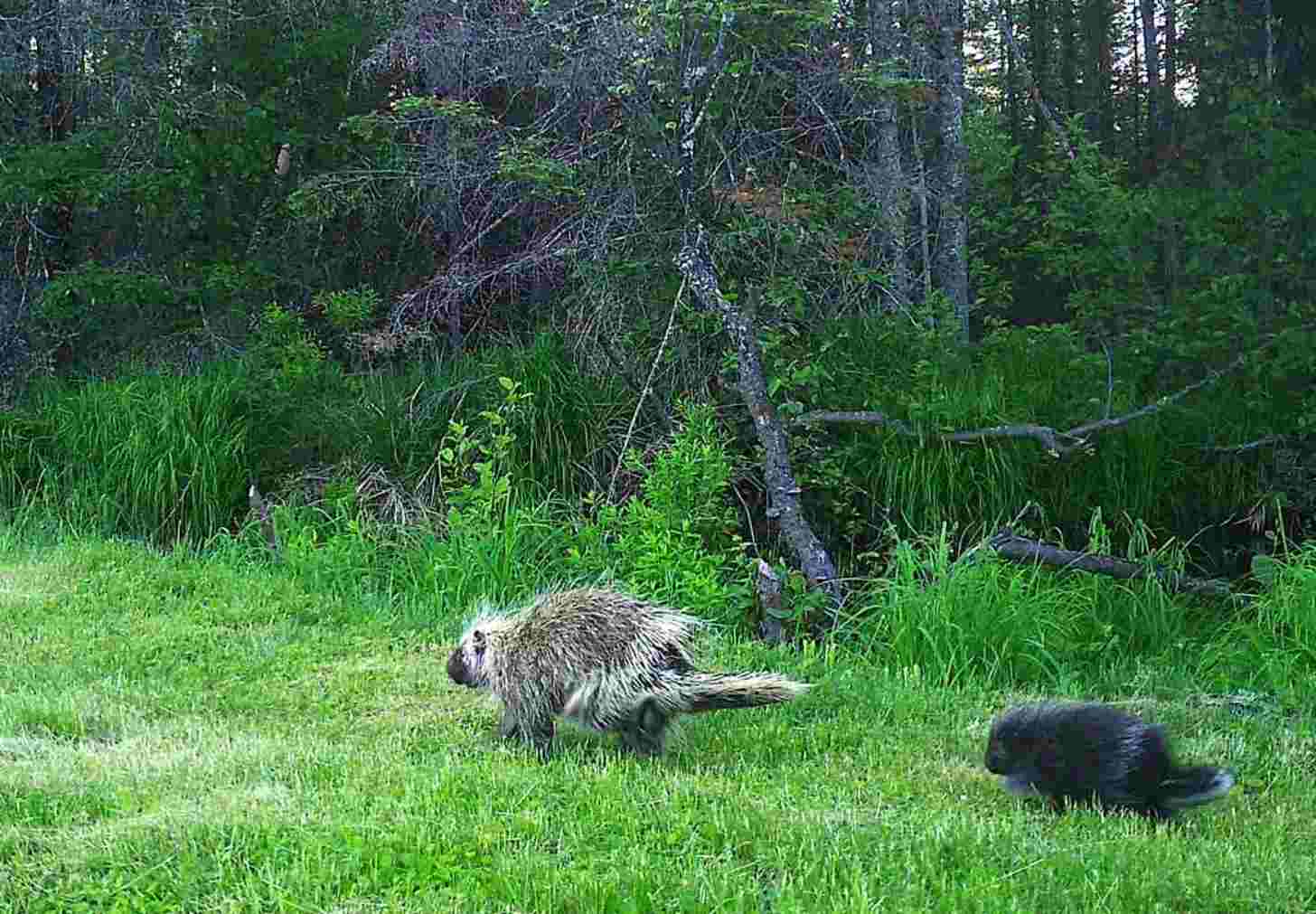
Wild animals spotted on the 2,000-plus trail cameras include black bear cubs, a family of bobcats, fox kits, an adult porcupine and her porcupette, and many, many more.

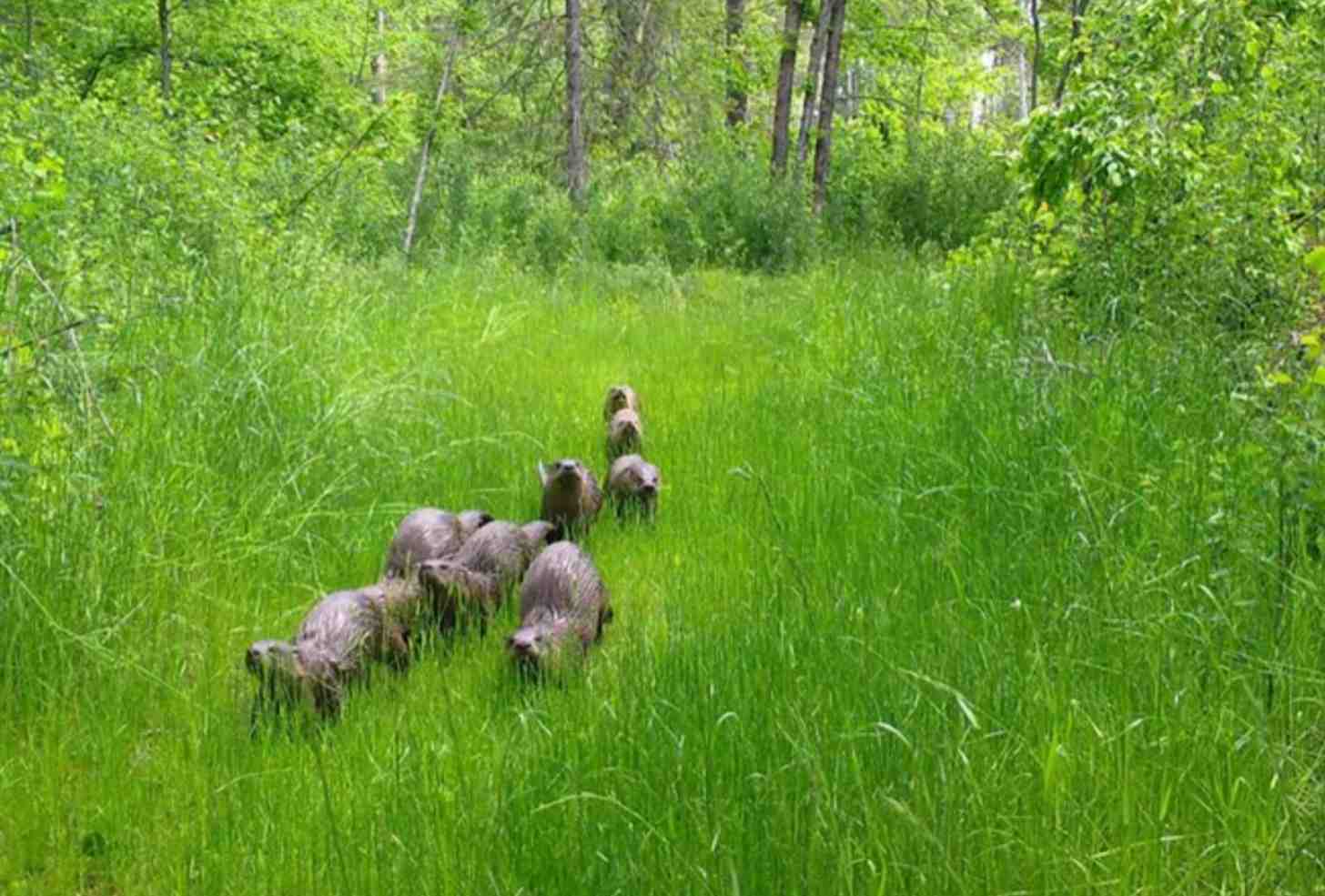
“The 100,000,000 photos that you all have helped collect are beautiful, wild, and surprising,” the scientists said. “We all have our favorites. One of ours comes from the first year of Snapshot Wisconsin. A romp of eight otters running down a grassy path in Sawyer County. Who even knew otters traveled together over land like this? A volunteer brought it to our attention and commented on how they were surprised.”
“This was the first of so many moments like this,” they continued, “sharing awe and delight around Wisconsin’s incredible natural resources.”
Unfortunately, the Knowles-Nelson Stewardship Program, in its current form, is set to expire on June 30, after Wisconsin lawmakers were unable to meet an agreement on its reauthorization.
Generally, the political divide was less about whether the program should exist and more about its size, funding, and oversight, with Republican leaders calling for a more limited version of the plan.
However, as Republicans and Democrats campaign for the governorship, all candidates have promised to uphold some version of the Knowles-Nelson Stewardship Program in the future.
“We absolutely need it,” Senate Democratic Leader Dianne Hesselbein said in a press release. “Knowles-Nelson has been around for so long, and it’s worked so well making sure we have green spaces in the state of Wisconsin to enjoy.”
You may also like: After rewilding success, trail cameras captured the return of one of the Pacific Northwest’s most elusive mammals
Header image via Snapshot Wisconsin, Department Of Natural Resources