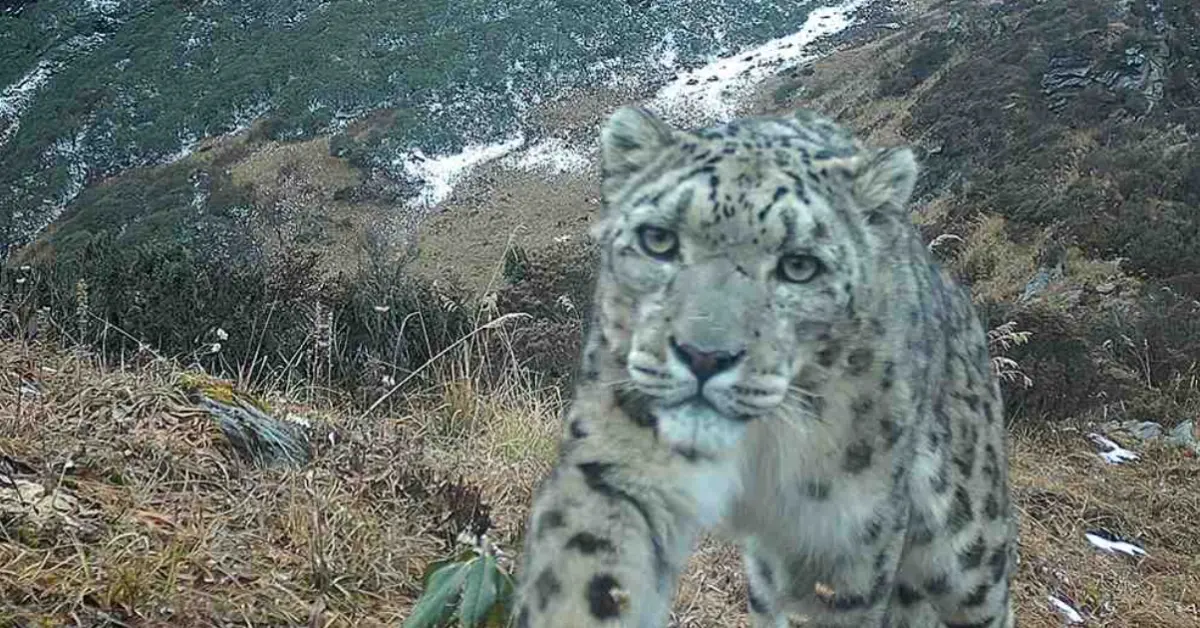
For thousands of years, the snow leopard was considered the king of the mountains, with its habitat range extending through 12 countries across Asia: Afghanistan, Bhutan, China, India, Kazakhstan, Kyrgyz Republic, Mongolia, Nepal, Pakistan, Russia, Tajikistan, and Uzbekistan.
But today, the snow leopard is on the decline. The top predator faces threats on all sides, from poaching, habitat loss, and the dropoff of its natural prey species.
And its most looming threat? Climate change.
According to the World Wildlife Fund, impacts from a warming planet could result in a loss of up to 30% of the snow leopard habitat in the Himalayas alone.
But the WWF is not letting them go without a fight. For years, the nonprofit has teamed up with communities and governments throughout Asia to raise awareness for the vulnerable species, reduce the impacts of development on fragile snow leopard habitats, and tackle the illegal wildlife trade.
They’ve also assisted India and Mongolia in conducting their first national snow leopard population assessments, which helps local conservationists monitor the ongoing impacts of climate change while providing critical baseline data about existing populations.
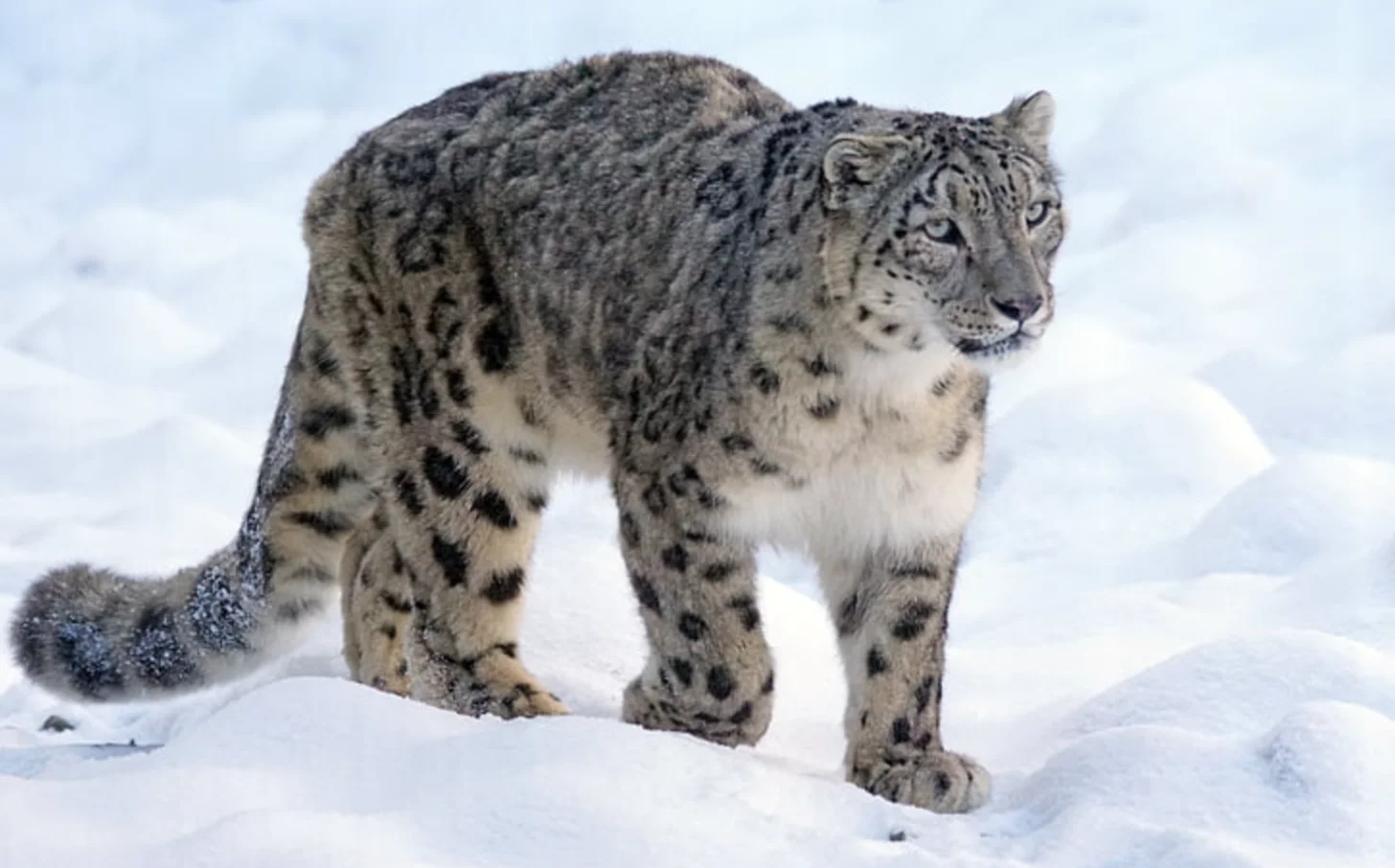
But snow leopards are notoriously hard to spot in the wild, thanks to their thick coats that help them blend into their snowy surroundings. Their camouflage has led to the nickname, “the ghost of the mountains.”
And the harder they are to find, the harder it is to save them.
Fortunately, a recent post on the WWF UK Instagram page showed how effective trail cameras can be in tracking the elusive species.
“POV: you’re a camera trap in the high altitudes of Wolong,” the nonprofit shared on social media.
“WWF China’s camera trap monitoring has documented a range of species during their ongoing survey in the area — from the iconic snow leopard to red foxes and takin, too!”
The photos shared on Instagram come from an ongoing survey launched in 2022 to document elusive mountain cats across 10 high-altitude regions in China, including the Wolong National Nature Reserve in Sichuan Province and Sanjiangyuan National Park in Qinghai Province.
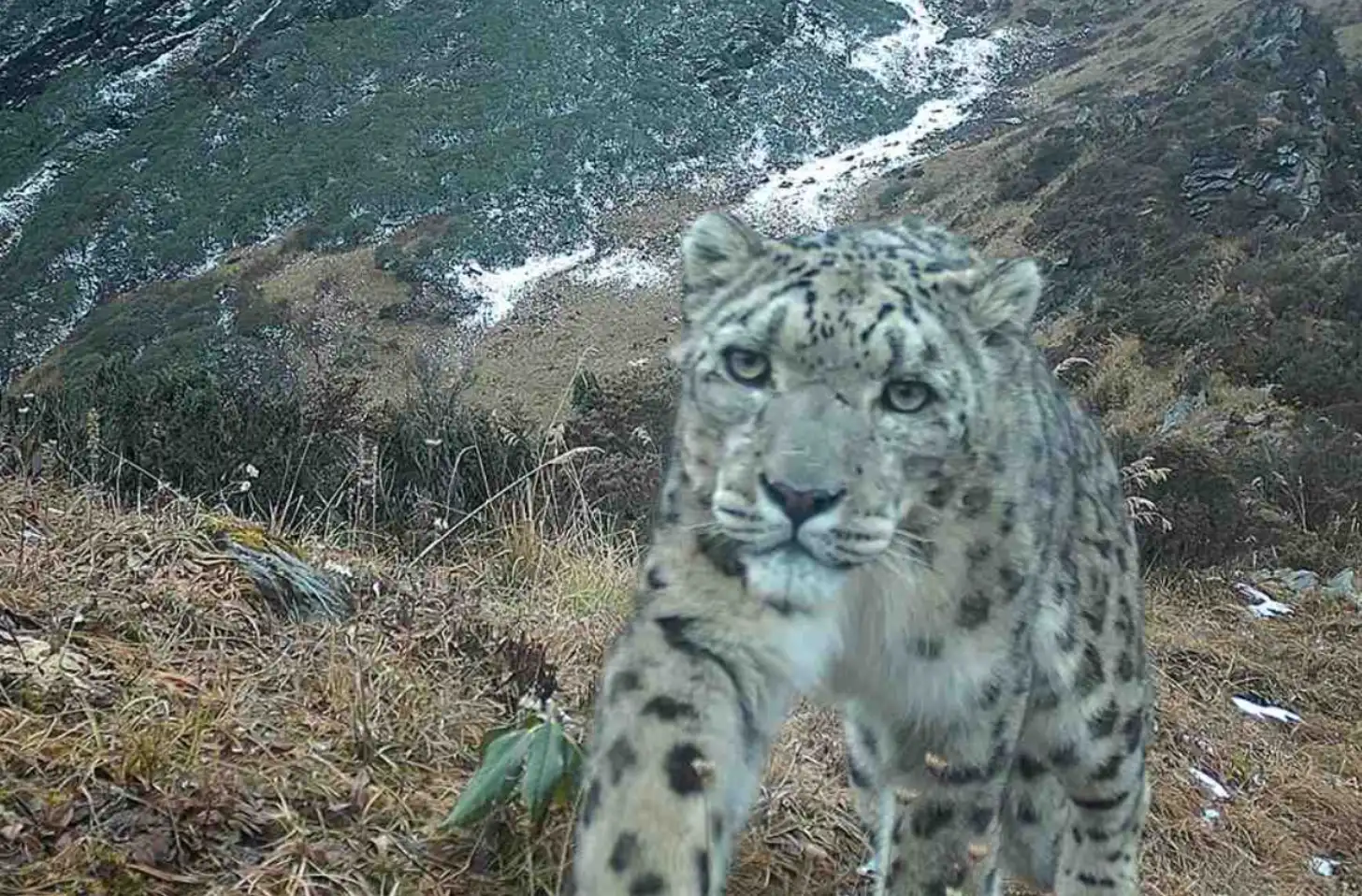
So far, the trail cameras have captured more than 600 photos of snow leopards. Researchers estimate that only 22% of existing snow leopard populations have been recorded, which means that every shred of data is valuable.
On its website, WWF said that its conservationists have increasingly relied on modern technology like trail cameras to gather life-saving data.
“Together, we help manage human-leopard conflict, improve protection measures, increase awareness, and enhance community stewardship and benefit programs to ensure the long-term survival of the species,” WWF said.
You may also like: This giant snail is the size of a croissant. Conservationists are banding together to save it from extinction
Featured Image: @wwf_uk/Instagram