Founded in 1945, UNESCO is a global organization dedicated to the conservation of international culture, including endangered languages and World Heritage Sites.
One of its greatest efforts is the 1970 Convention, which calls on member states to prevent theft and trafficking of cultural property.
While stolen artifacts remain a concern for physical museums and institutions globally, in 2025, UNESCO launched a virtual museum of 250 looted cultural objects submitted by 46 countries.
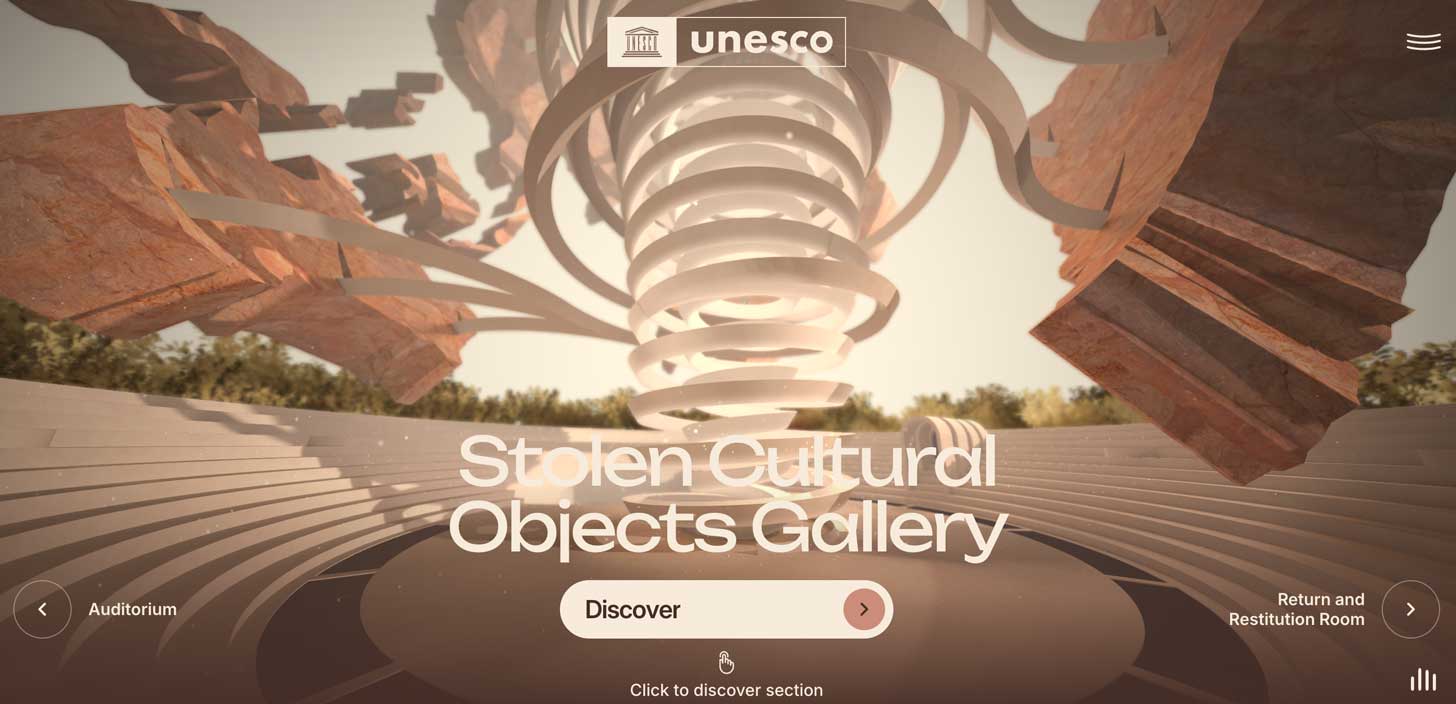
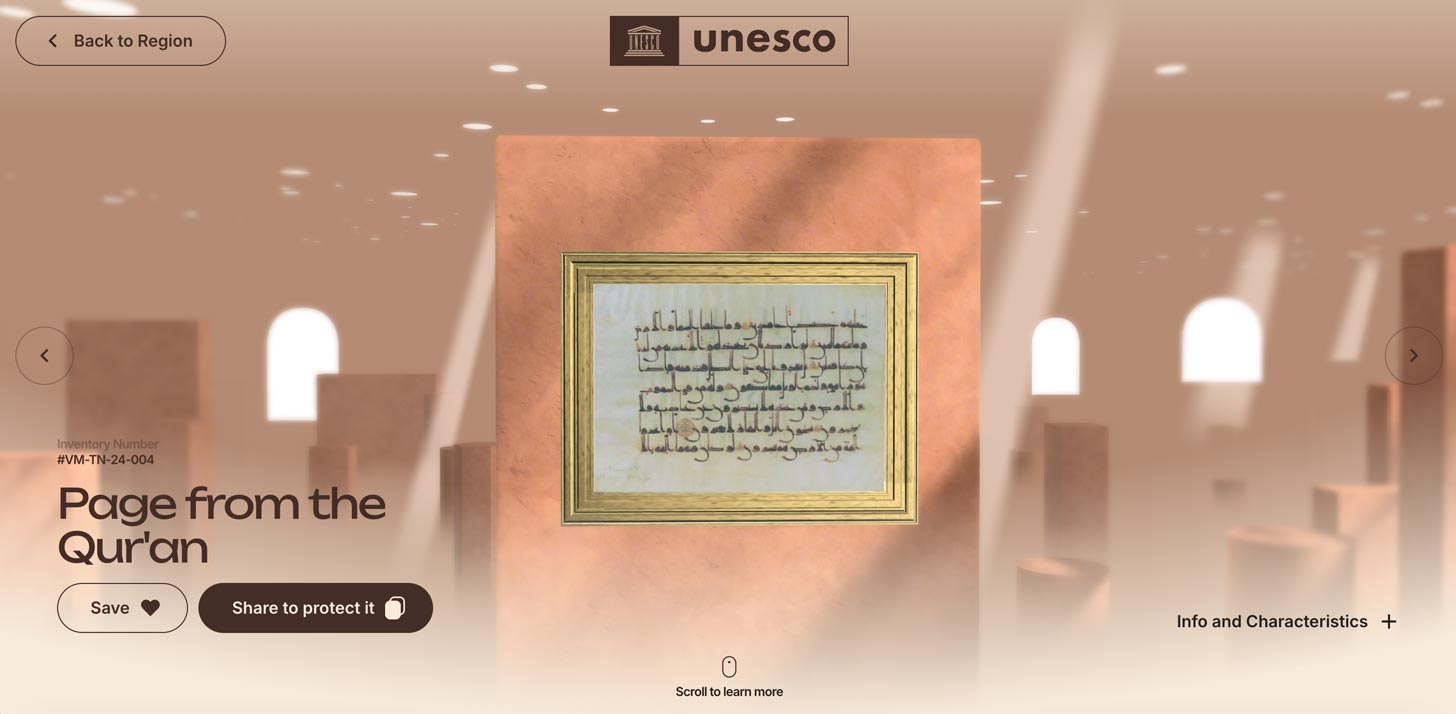
In the virtual museum, the objects have been rendered in 2D and 3D displays, which users can browse for free on their computers — or even pair with a virtual reality headset.
The rooms in the digital museum are divided by regions of the world, and users click on an item to learn more, or “admire” it close-up.
Some featured items include a 2,000-year-old gold bracelet from Romania, an elephant tusk from Cameroon, and an ancient coin from what is now Libya.
There is also a Return and Restitution Room where users can read the stories of looted objects that have been returned to their home countries and are now on display.
As of 2025, only three objects are featured in this “room,” though UNESCO’s ultimate goal is for its looted collection to shrink until everything lives in the Return and Restitution Room.

“Unlike traditional museums, the Virtual Museum is designed to gradually empty itself with the goal of returning and not accumulating,” UNESCO said in a statement.
“As stolen objects are recovered and restituted, they will be removed from the digital collection, symbolizing justice and restoration.”
A version of this article was originally published in The 2026 Storytelling Edition of the Goodnewspaper.
You may also like: Built with books found in the rubble, these two men have opened Gaza's first new library
Header image courtesy of UNESCO