For much of the 20th century, farmers sought to combat food insecurity caused by war and famine by maximizing their yields.
A majority of farmers began relying on chemicals like synthetic fertilizers, herbicides, and pesticides — unaware that that style of farming depletes the soil, inhibits plant growth, and harms pollinators.
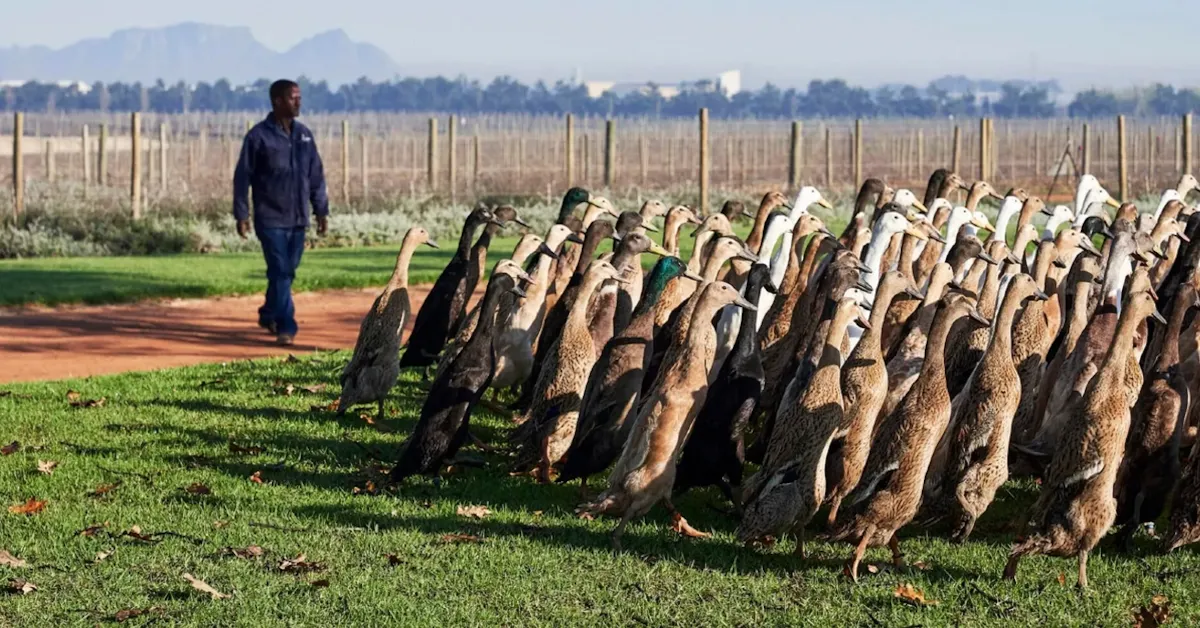
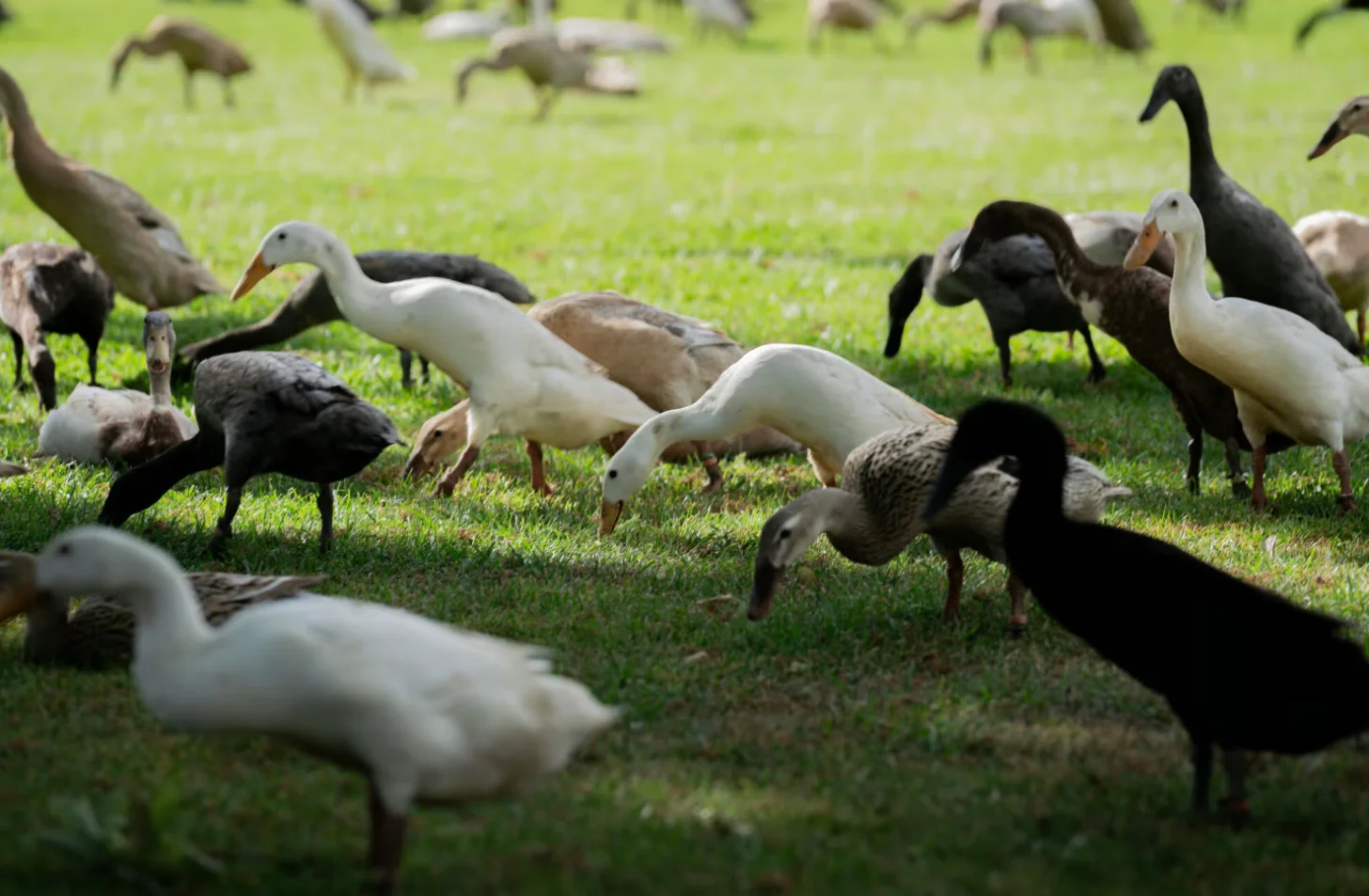
So in 1984, the Vergenoegd Löw Wine Estate in Stellenbosch, South Africa decided to try something new. Then-owner John Faure introduced long-necked Indian Runner ducks to the farm so they could gobble up vineyard pests on the raised, trellised vines — and naturally fertilize the soil with their droppings.
“It became clear that by learning from and imitating nature, it was possible to cultivate more eco-sustainably,” Vergenoegd Löw Wine Estate stated on its website.
According to the farm’s ecology ranger, Milan Germishuizen, Indian Runner ducks were originally bred in Indonesia over 2,000 years ago to control pests in rice paddies.
For centuries, farmers across Indonesia have herded large flocks onto the flooded fields to eat wayward snails, slugs, and weeds.
“Using the ducks instead of pesticides is obviously better for the ecology,” Christiaan Cloete, the estate and farm manager, told Enca. “When you use chemicals, you sometimes kill a lot of beneficial insects. We are trying to create a more biodiverse ecology in the vineyards.”
It also makes for better wine.
“The more pesticides and artificial fertilizers you put onto your soil, eventually your soil will degenerate,” Germishuizen explained.
“So by using natural methods ... we are really looking after our soils, which eventually does give us a much better product at the end of the day.”
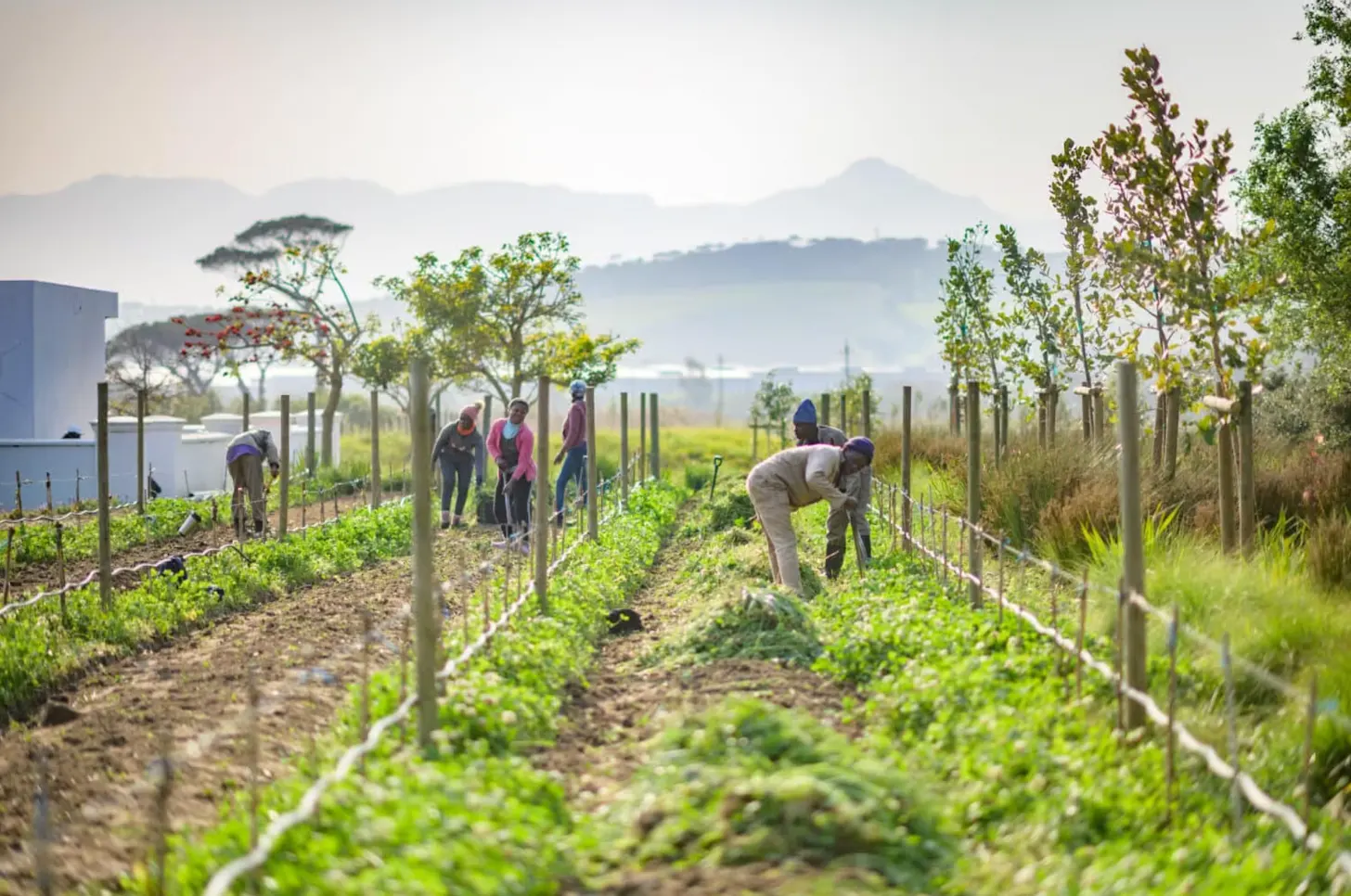
When grapes are on the vines, ducks are gently directed away and sent towards irrigation dams, where their droppings enrich the water through “fertigation.” The ducks also help break down manure from the farm’s sheep and cattle, enriching the vineyard’s soil.
According to Cloete, the farmers now breed the ducks themselves — and even sell them to ten surrounding farms that have adopted the practice, too.
The number of ducks has changed over the last 40 years, but the wine farm typically has around 1,000 ducks in their “fleet.”
As of August 21, they had 890 ducks on the property, with 400 ducklings expected to hatch by the end of October. Vergenoegd Löw Wine Estate plans to sell half of them to local farmers and keep the rest to replace elderly ducks who are aging out of the pest-control business.
“A lot of our neighbors have gotten on board with regenerative farming,” said Tessa Kleynhans, the commercial manager of the estate’s on-site hotel.
“We’re trying to set the precedent for regenerative farming,” she added. “We are trying to make a use case that, if you invest the capital in the beginning, even though it’s a long, tedious process, it is worth it in the end.”
You may also like: When he learned 75% of produce was crawling with pesticides, a teen invented a handheld AI chemical scanner
Featured Image: Vergenoegd Löw Wine Estate