Scientists figured out a way to map the planet's melting permafrost in real time
Disappearing lakes and artificial intelligence are helping researchers gather data to map the thawing of permafrost across the globe.
Read More
Scientists are studying how caterpillars hear without ears. It could change how humans make hearing aids
This line of research into how insects hear sounds using specialized, microscopic hairs could inspire a new generation of acoustic tools.
Read More
The country's two largest school districts have restricted AI for students. Will others follow?
Los Angeles and New York City banned most students from using artificial intelligence in classrooms this school year.
Read More
Researchers give warblers tiny backpacks to learn more about bird migration
The devices are light enough to be carried by small migratory songbirds, which often weigh less than a spoonful of sugar.
Read More
Federal judge halts data center construction on public land
A federal administrative court has temporarily revoked authorization to build a massive data center near Boulder City, Nevada.
Read More
Trail cameras catch elusive, endangered ocelots using wildlife crossing in Texas
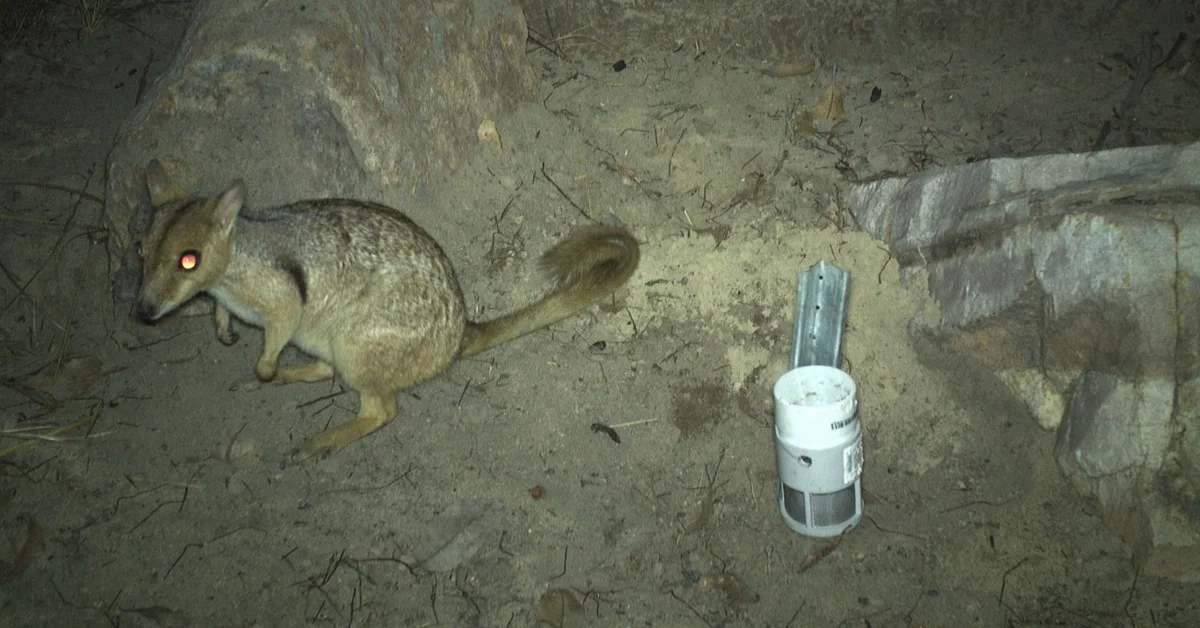
There are fewer than 100 wild ocelots left in the United States. Wildlife crossings may have saved them from extinction.
Read More
Amid scrutiny, Texas agencies are blocked from spending on Flock: 'Stop turning Texas into a surveillance state'
The order came as The Texas Tribune was preparing to publish an investigation detailing how a state agency has devoted at least $30 million to building the state’s Flock surveillance network.
Read More
New NJ law requires data centers to report water and energy use: 'They will not operate in the shadows'
The law requires operators to disclose total energy consumption, energy used for cooling and IT equipment, peak daily water use, water sources, and backup power supplies to the state Board of Public Utilities twice a year.
Read More
Amid Europe's record-breaking heat and drought, solar power made it possible to cope
Europe’s solar panels produced 17% more power during the summer’s heat waves than they normally do, stabilizing the grid as afternoon cooling demand climbed.
Read More