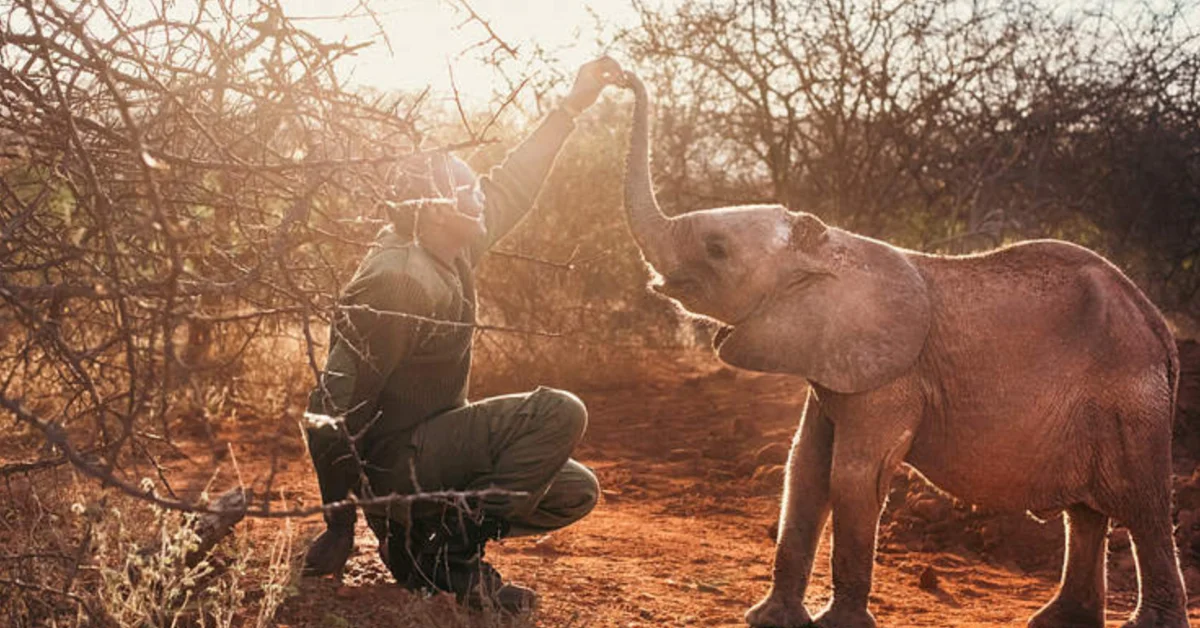
In southwestern Kenya, the Sheldrick Wildlife Trust houses a menagerie of rescued giraffes, hippos, rhinos, and zebras. It’s also home to Korbessa, a 3-year-old African elephant, who the keepers affectionately call “little frog.”
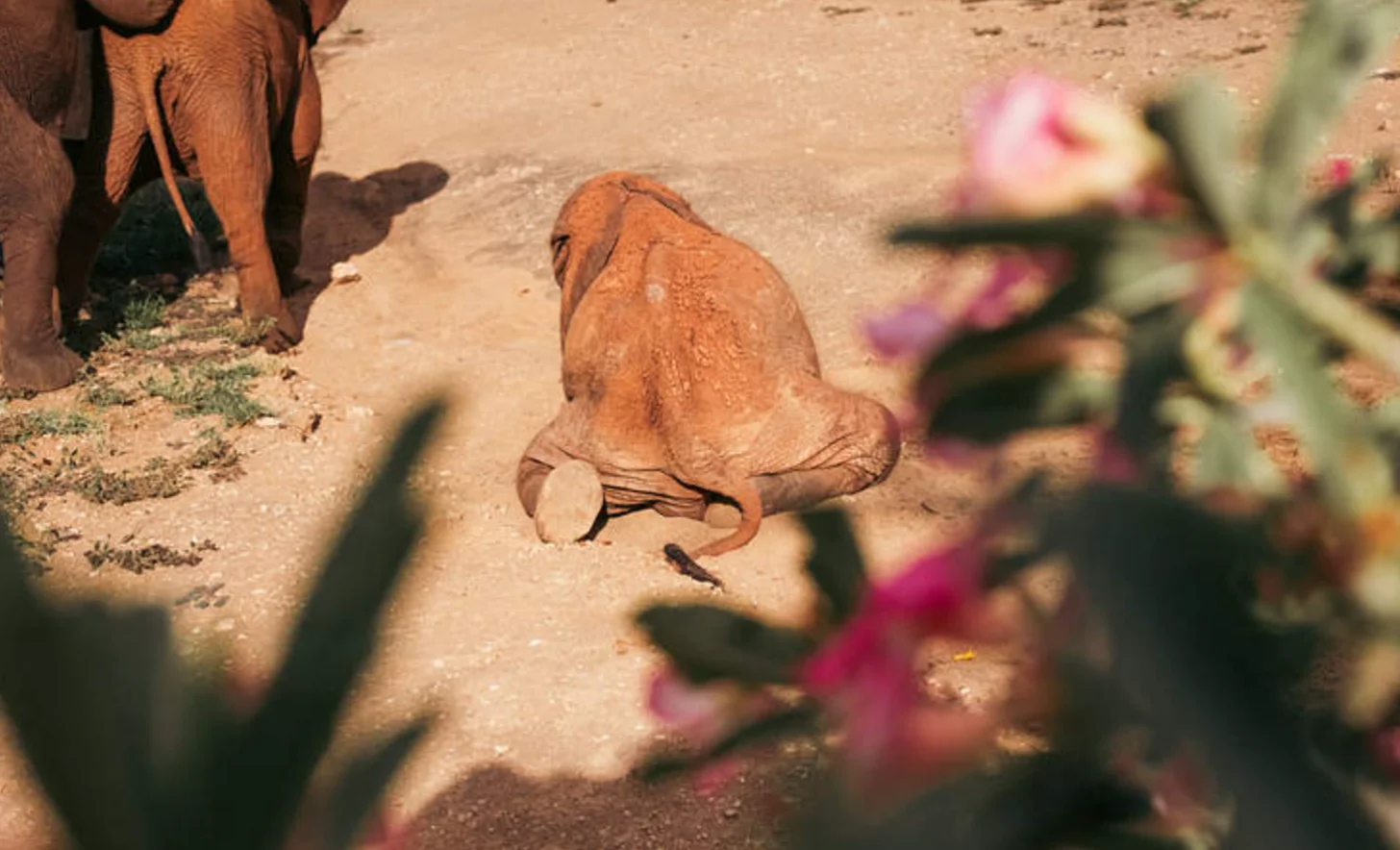
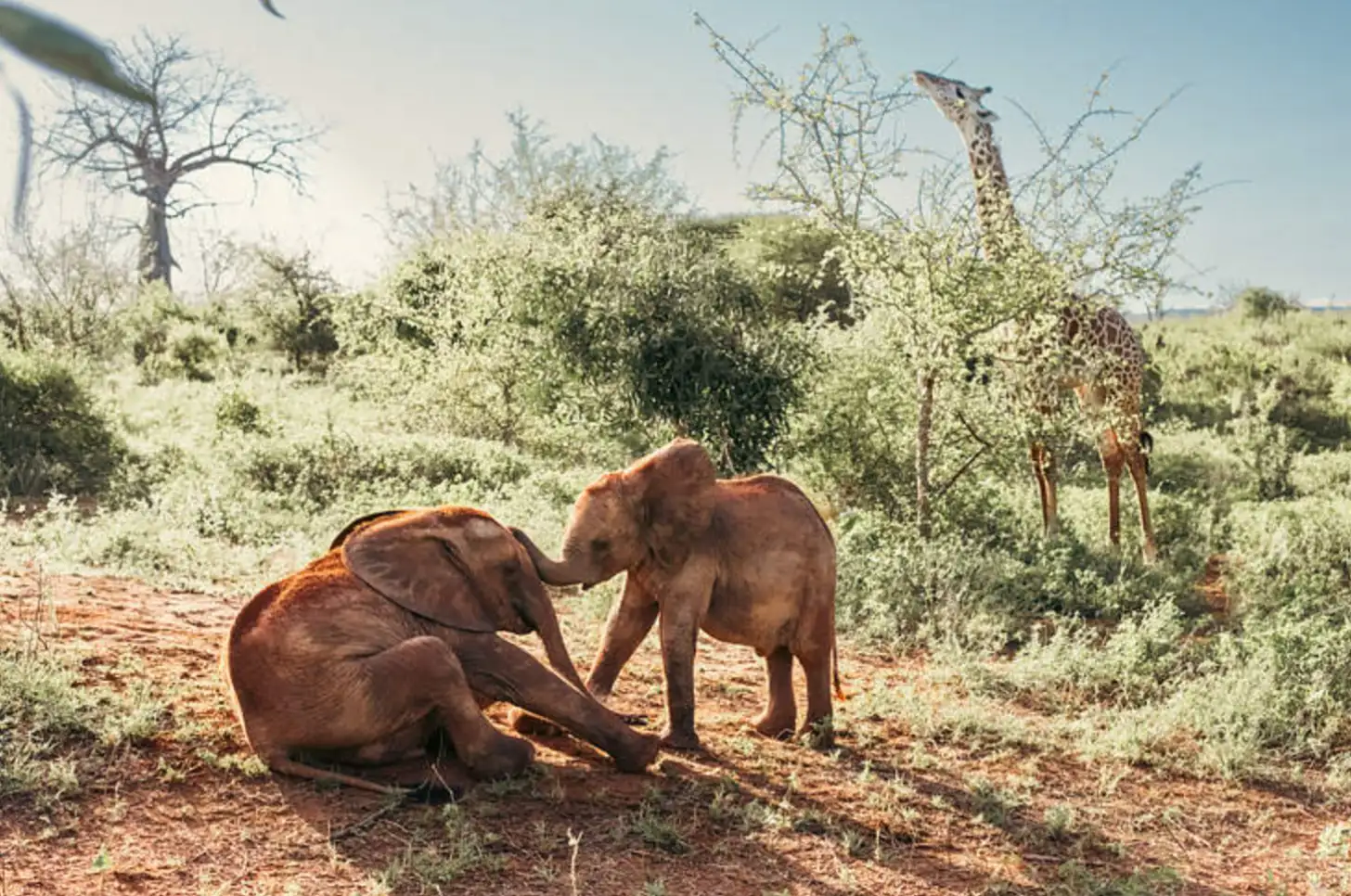
“While she is not green in color, she is such a fan of eating greens that she may as well be!” The Sheldrick Wildlife Trust said on its website. “Like her amphibious cousins, she loves water. Mud, puddles, water troughs — it is all fair game for our little frog. But perhaps her most frog-like quality is the way she plops down on her belly, front legs splayed out.”
“It is not a position usually preferred by elephants,” the conservation organization said, “but Korbessa is no ordinary elephant.”
Korbessa’s rescue was extraordinary in and of itself. On August 23, 2023, rangers from the Kenya Wildlife Service heard the sound of elephants trumpeting near an old well in Meru National Park.
“At first light, they went to investigate. Their patrol ended at the Korbesa well — and much to their surprise, they found a tiny elephant calf staring at them from inside,” the Sheldrick Wildlife Trust recounted.
“Clearly, the calf had fallen in the night prior,” the organization continued. “While many modern wells are built with greater consideration, traditional wells can be a death trap for young elephants. Deep and steep, stout legs are unable to clamber to safety. This calf was young — a few days old, at most — and had no chance of getting out on her own.”
With the clock ticking, the rangers jumped inside the well to heave the calf out. As they waited for a mobile veterinarian to arrive and examine her, the rangers remained close to the well in the hopes that she and her mother could reunite.
Two hours passed, and no elephants returned.
“By the time the vet unit arrived, the little elephant was absolutely spent,” the Sheldrick Wildlife Trust said. “She was suffering from acute exhaustion, but was also so stressed from her ordeal that she could not relax. Dr. Aminga gave her fluids, glucose, and water, which had an immediate effect. Bolstered by fluids, she soon drifted into a deep slumber.”
In total, the team waited four hours to see if any adult elephants would return to the well. It was then that the Kenya Wildlife Service greenlit a rescue, and the Sheldrick Wildlife Trust soon airlifted her to her new home: the Kaluku Neonate Nursery.
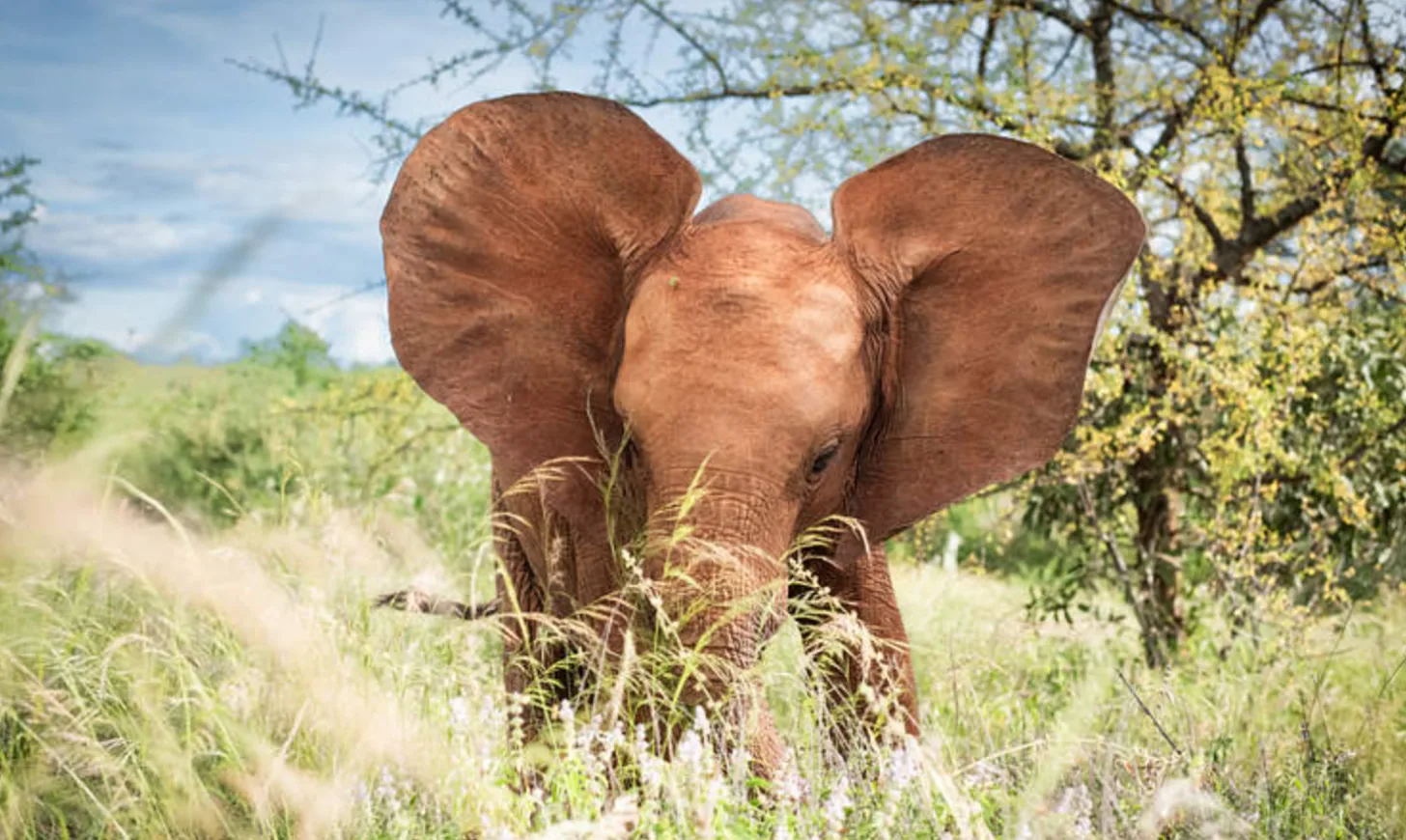
“We named the orphan Korbessa to forever connect her to her origins. Korbessa was put into a stable next to Toto,” the organization said. “Although Toto is 18 months her senior — effectively making him her ‘big brother’ — it immediately became clear who the boss was. In fact, we all became Korbessa’s subjects!”
At the sanctuary, Korbessa is known as the “queen of Kaluku.” Because she was so young, she was given around-the-clock care by a team of keepers: Joseph, Jonas, Sammy, and Simon.
“Korbessa is absolutely obsessed with her bedroom,” the Sheldrick Wildlife Trust said. “It is easy to understand why: Her keepers have turned it into a palace fit for a queen. The radio is often playing — Korbessa is a big fan of Kenyan musicians — with fresh greens hanging in place and a soft mattress just waiting to become a little elephant’s throne.”
Elephants are slow-growing. Even now, at three years old, Korbessa is still too young to live freely in the wild. But her keepers believe their “queen” will be a true matriarch of her own herd one day.
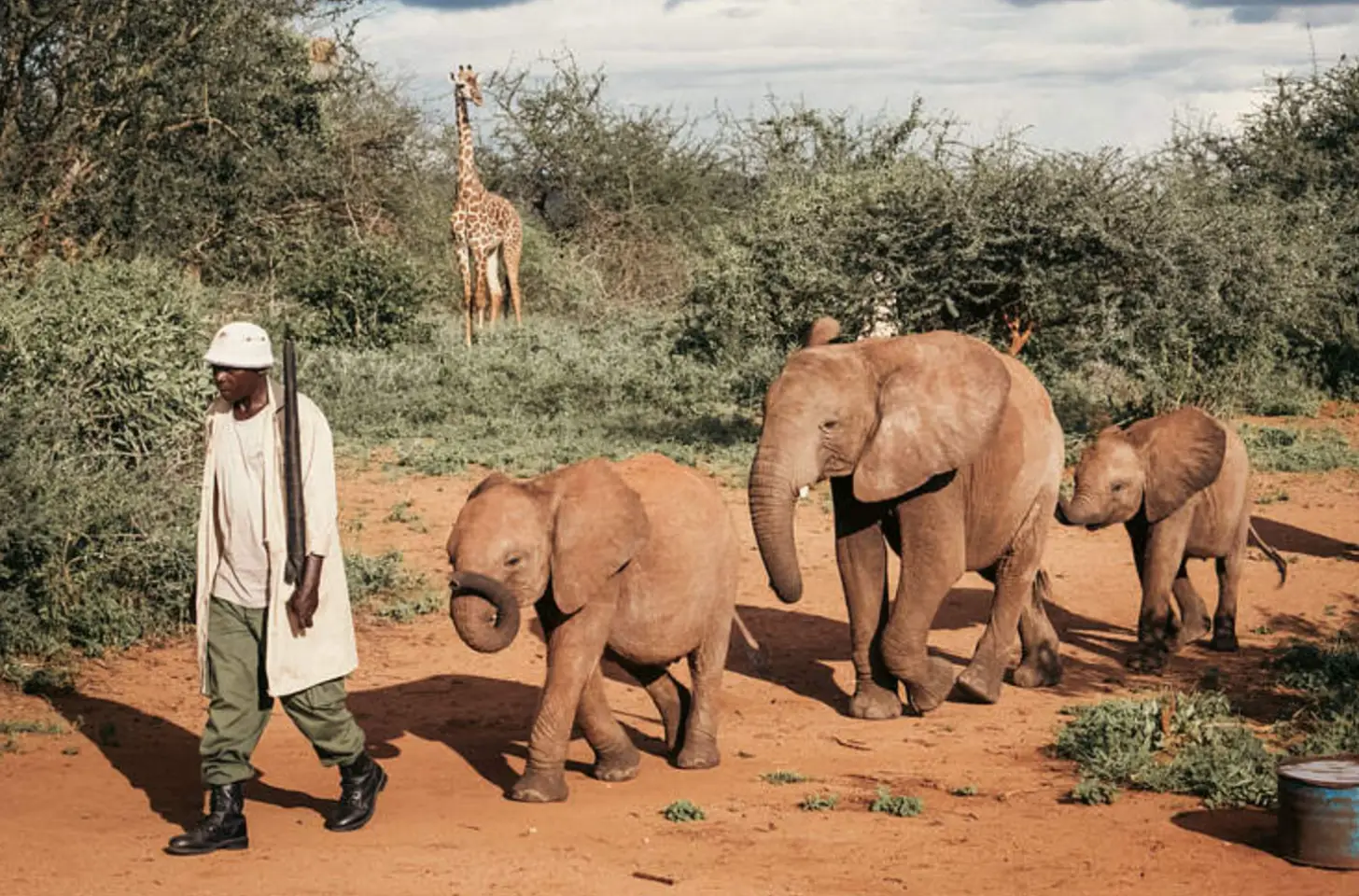
“It is a rare privilege to be part of an elephant’s journey from the very beginning,” the Sheldrick Wildlife Trust said. “Korbessa was only a few days old when fate left her orphaned, but now she has her entire life ahead of her.”
“Only time will tell her future — again, we predict she will become a matriarch in the fullness of time — but we will be there to support her, look after her, and love her every step of the way.”
You may also like: A male elephant 'adopted' a calf and kept her alive long enough for rangers to rescue her
Featured Image: Sheldrick Wildlife Trust