


Since 1977, the Sheldrick Wildlife Trust has been a pioneering conservation organization for wildlife and habitat protection in East Africa.
It is best known for its Orphans’ Project, one of the first programs to rescue and rewild orphaned elephants and rhinos.
When a baby elephant or rhino is separated from its herd, there’s a crucial time window when rangers from the Sheldrick Wildlife Trust do everything they can to reunite it with its family.
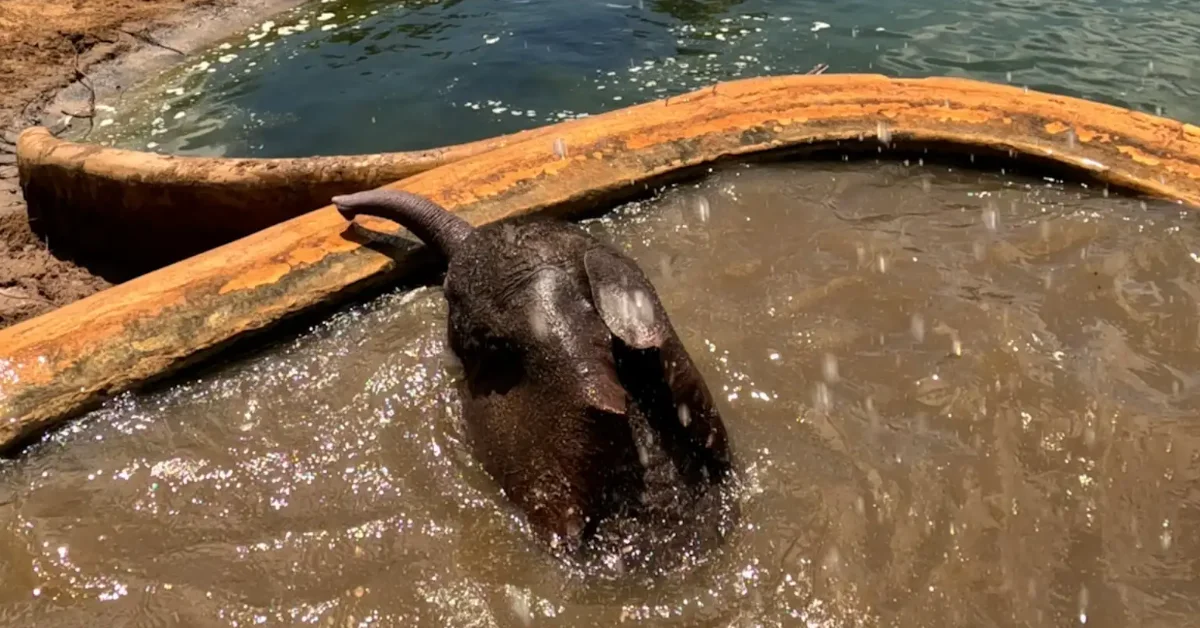
Last September, rangers faced a high-stakes rescue mission when an elephant calf fell into a water trough and became trapped. Its mother stood by in distress, unable to help.
“As we have seen too many times in these situations, a mother elephant will only wait around for so long before abandoning a hopeless situation,” the Sheldrick Wildlife Trust wrote in a YouTube video caption. “The window was closing to extract the baby and reunite the pair.”
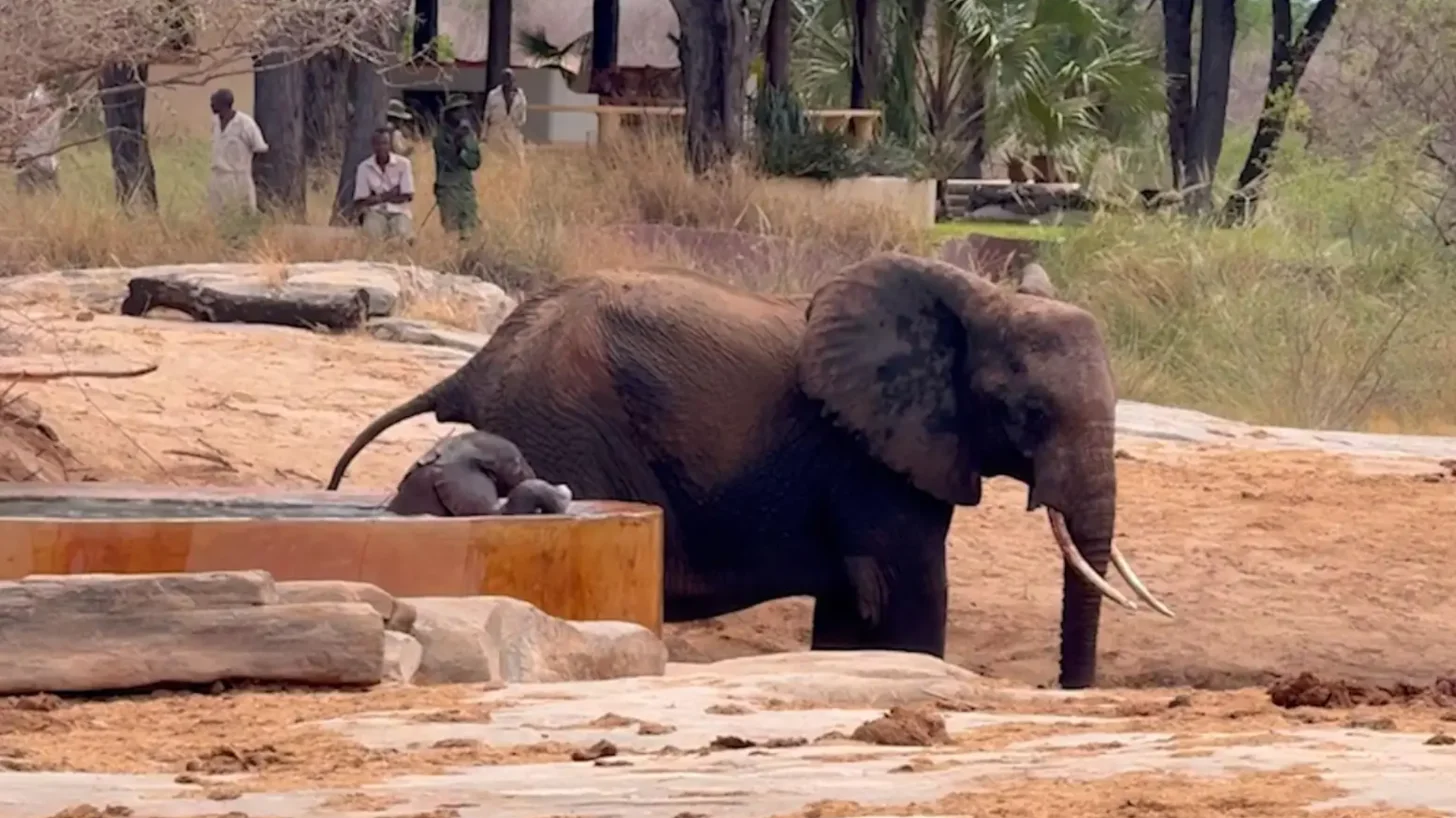
With the clock ticking, local rangers drove as close to the trough as possible — they needed the mother to give them space to safely rescue the calf, but they didn’t want to drive her too far away.
“We honked and revved the engine to buy us some time to approach the trough,” Roan Carr-Hartley, a pilot for the Sheldrick Wildlife Trust who assisted with the rescue, told The Dodo. “In those moments, you become narrowly focused on the task at hand: the little elephant in front of you, but with one ear tuned to hear if the mother was coming back.”
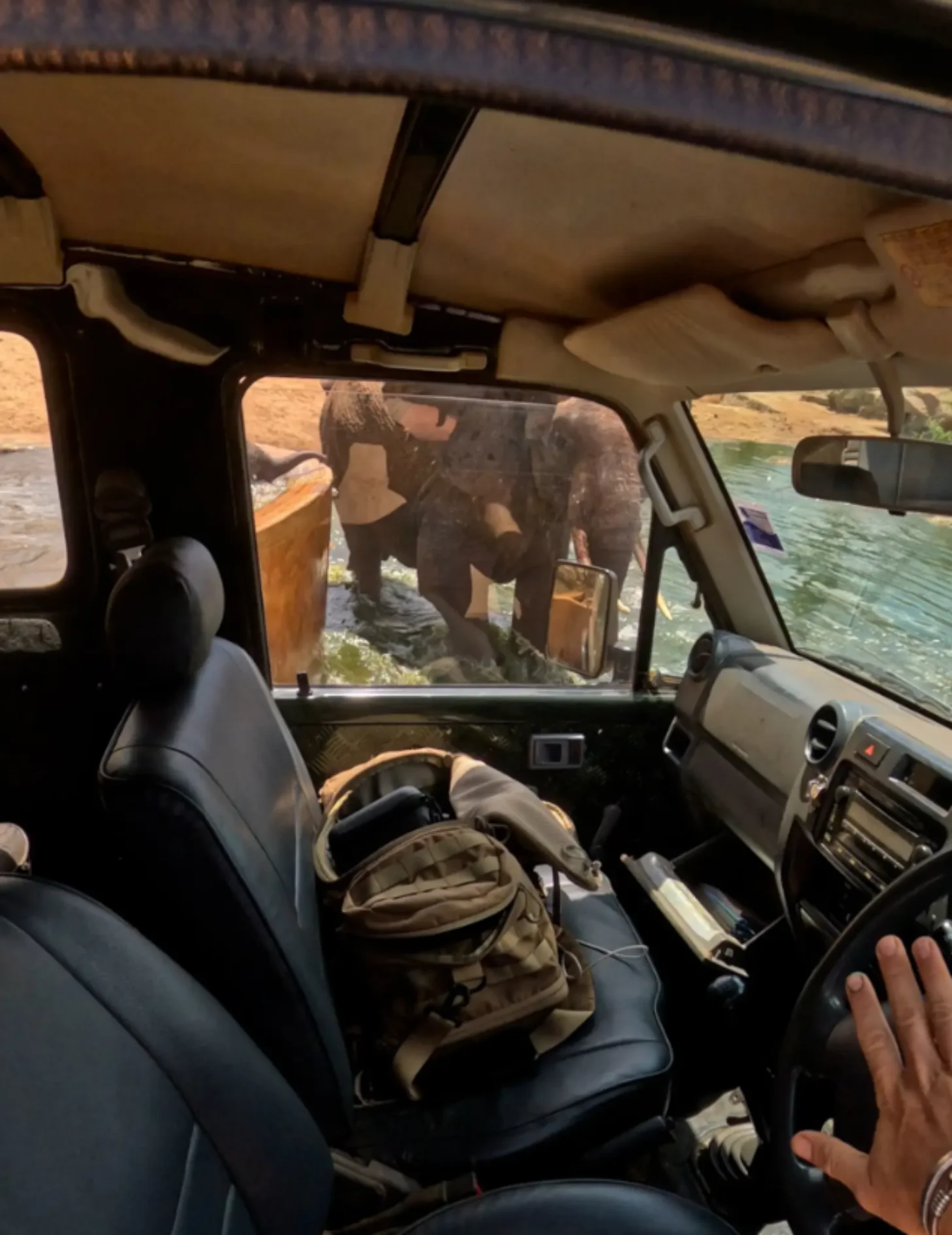
“When you know a mother and calf are in such a stressful situation, the anticipation builds with every passing minute — I was eager, anxious, desperate to help them,” Carr-Hartley said. “Desperate because we know time isn’t on our side; eventually, an elephant mother will be forced to move on from her young calf, especially if she gets spooked by people around her, unintentionally frightening her away.”
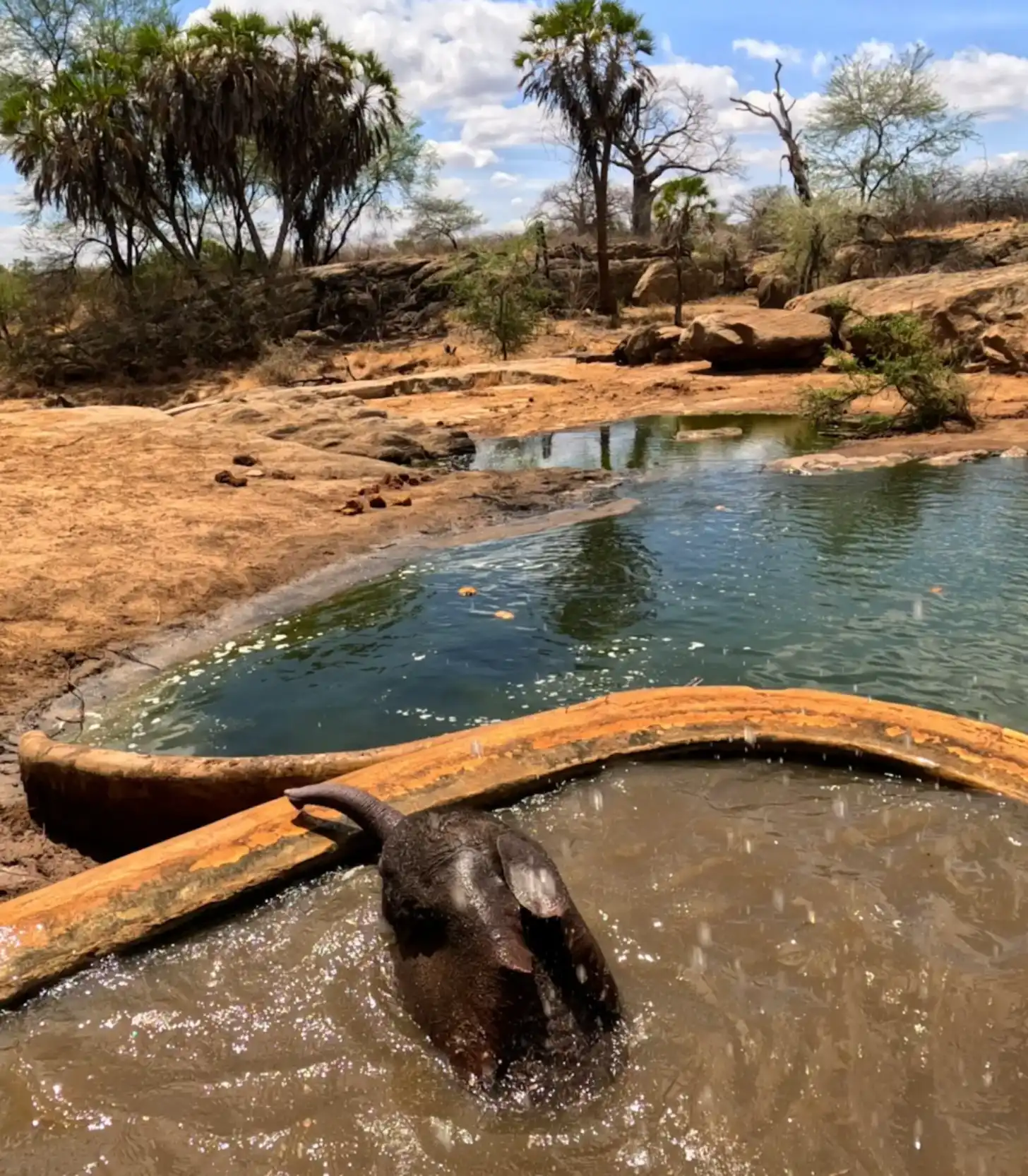
After several attempts, the rangers pulled the 200-pound calf out of the watering hole. The men scrambled back to give the mother space to run back to her baby.
“There’s nothing better than seeing a mother and calf reunited, especially when the odds are against them,” Carr-Hartley said. “That’s what we strive for. It’s the most incredible feeling: a huge mix of relief, happiness, a flood of emotions washing over you.”
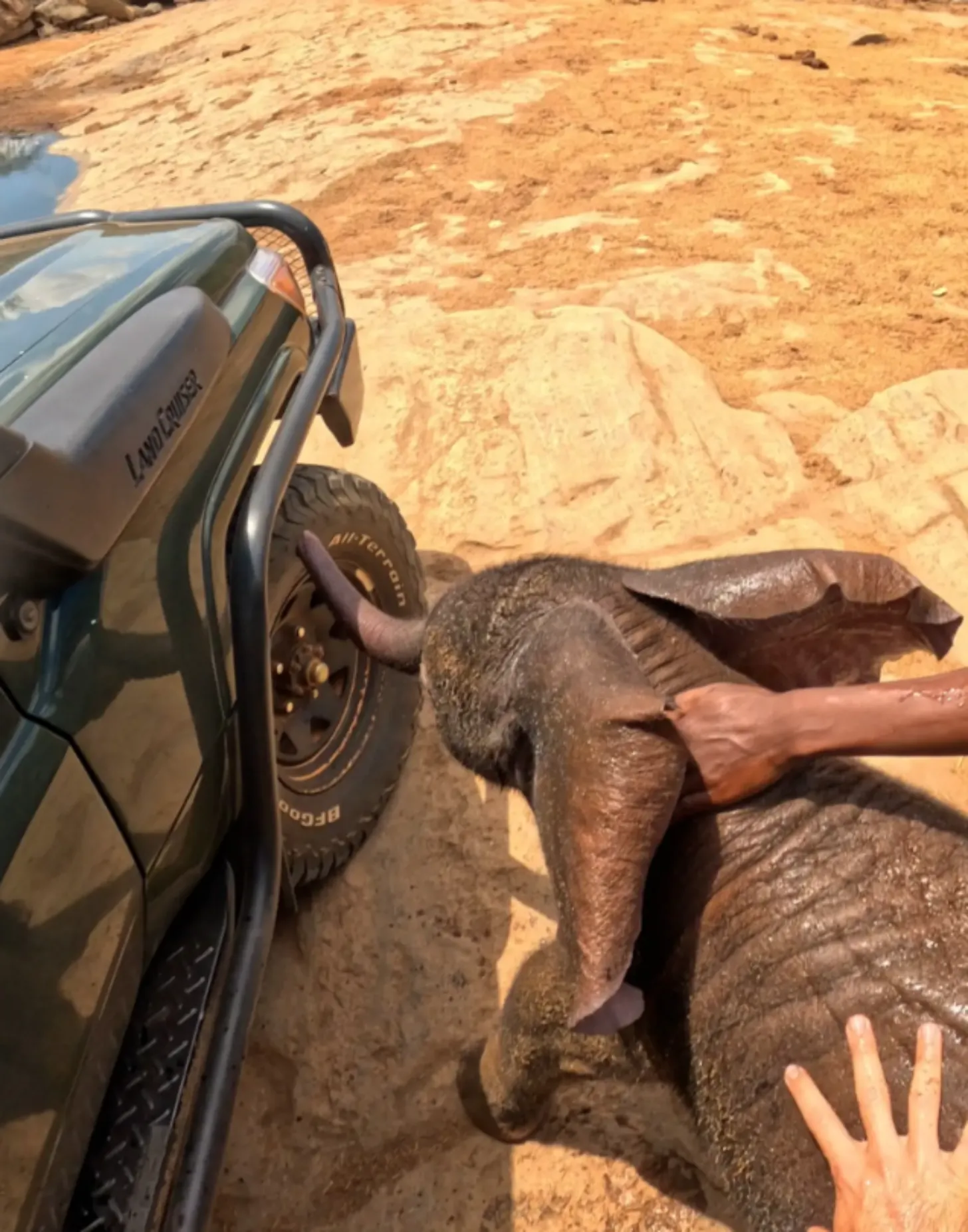
“That’s our primary mission: to keep wild families together,” Carr-Hartley said. “To see this realized, despite all the challenges, was deeply rewarding.”
Watch the heroic rescue below:
You may also like: Migrating elephants kept getting struck by high-speed trains. New radar sensors will bring trains to a halt to let them pass in peace
Featured Image: Sheldrick Wildlife Trust


