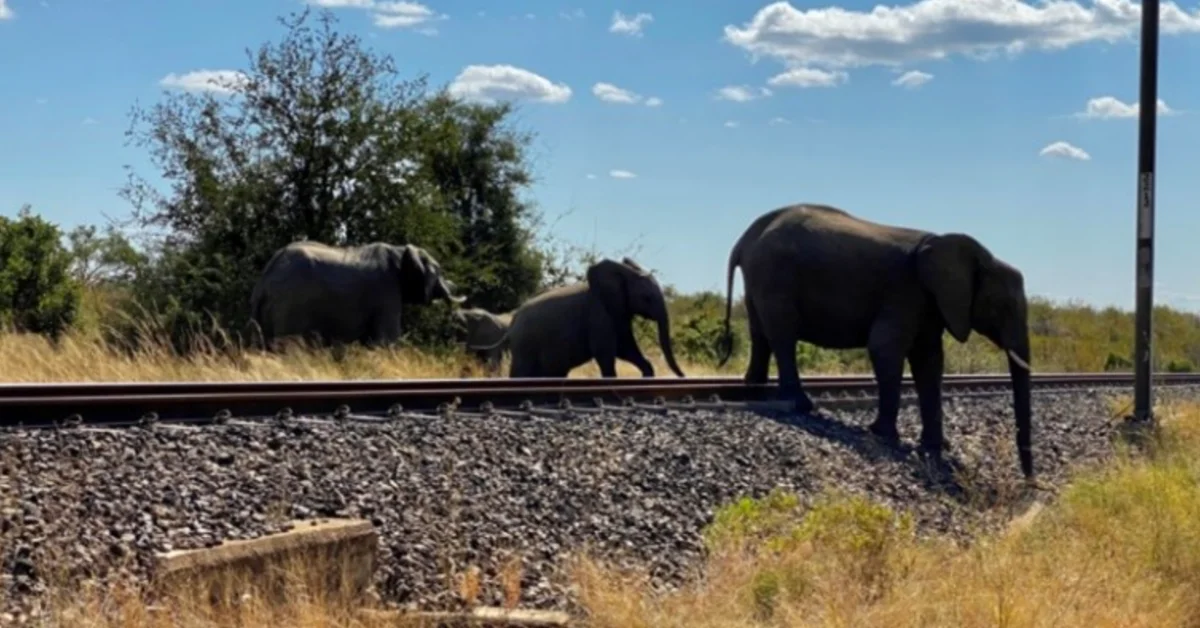
A deer can appear in the road before a driver has time to brake. For a high-speed train, the stakes are even higher: imagine an elephant stepping onto the tracks with only seconds to spare.
According to Sri Lanka’s Department of Wildlife Conservation, two wild elephants have been killed in train collisions so far this year, while 21 deaths were recorded across 2025.
That is why rail engineers are turning to new safety technology aimed at detecting wildlife before it becomes an obstacle — and giving trains the warning they need to avoid a strike.
According to Ranjan Marasinghe, the general director at the Department of Wildlife Conservation, officials have been trying to perfect the technology for years.
“We tried various methods previously,” Marasinghe told The Sunday Morning. “We tested sensors on trains, but mounting cameras on trains presented issues. When a train rounds a bend, the camera cannot see around the curve, so an elephant near the turn goes undetected. Most accidents happen at such bends.”
With the new system, sensors will be installed along the railway line rather than mounted to the top of trains. It collects data in numerous ways, by detecting ground vibrations and capturing the sound of approaching animals.
“A set of sensors is now stationed along the tracks. These sensors detect seismic waves — the ground vibrations produced when an elephant walks,” he explained. “Beyond that, it uses multiple sensors to capture sound and other inputs. We then use AI to accurately identify the animal and issue alerts to the train driver and personnel along the station line. The system includes SMS alerts and light warnings.”
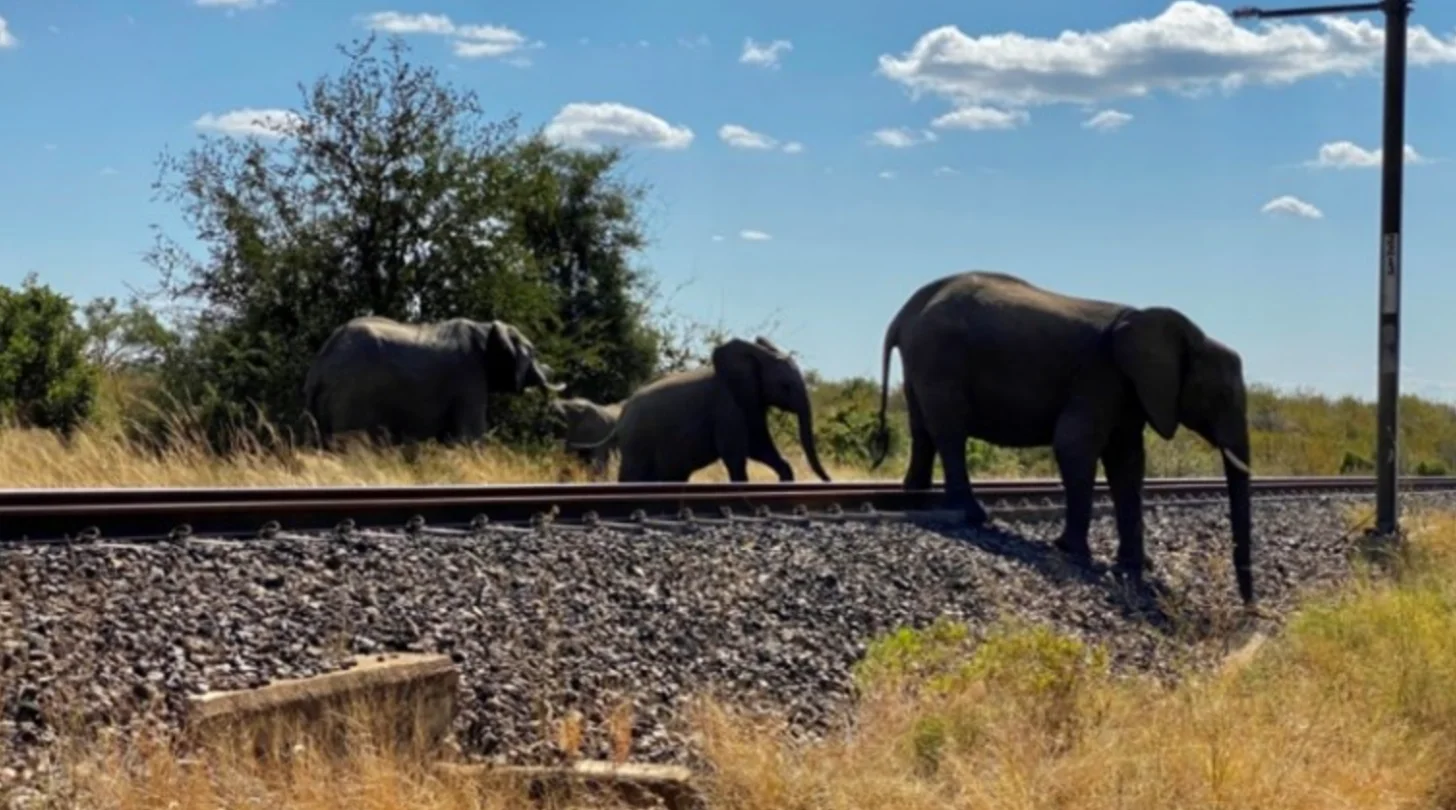
According to Clean Sri Lanka engineer S.P.C. Sugeeshwara, the technology has been installed at 13 locations along Sri Lanka Railways routes known for frequent elephant crossings.
“Sensors are installed at intervals. If an elephant is present, those sensors detect it,” he said.
According to Sugeeshwara, the system is designed to signal train conductors with enough warning for them to slow down and prevent an unnecessary collision.
“It detects large animals and senses significant mass,” he explained. “Our plan is to take that signal from the sensor and pass it to the train driver. In short, the driver gets advance notice that an elephant is in the vicinity. Then they can slow down, reduce their speed accordingly, and take appropriate action.”
With the pilot project underway, wildlife officials are trying other tactics to promote elephant safety.
For example, the Department of Forest Conservation is currently working to clear vegetation in areas known for high rates of elephant migration.
“To ensure elephants are not hidden from view when approaching the train tracks, we clear a certain extent on both sides of the track in the areas where elephants cross — their usual routes or crossing points,” said P.S.C. Palamakumbura, the conservator general of forests.
In areas known for high elephant crossings, the Department of Forest Conservation will clear roughly 100 feet of vegetation on both sides of the train tracks in two-mile stretches.
Palamakumbura also said that they were doing their part to ensure that elephants had better access to water sources — as lack of water causes elephants to migrate farther than they typically would.
“Another way in which we contribute is by rehabilitating water sources and water bodies in areas inhabited by elephants. If there are abandoned tanks, we rehabilitate them so that elephants will remain in such spots for longer periods,” he explained.
Their multi-pronged plan also involves restoring natural forests. The average adult Asian elephant can eat up to 330 to 660 pounds of vegetation a day, using its trunk to gather grasses, tree bark, leaves, and soft shoots.
“We carry out forest restoration activities, such as making grass more available, in order to ensure abundant food for the animals,” Palamakumbura added. “Once this has been done, we believe elephant movements will decrease to some extent, as they mostly roam in search of food and water.”
You may also like: Baby elephants are learning how to 'play doctor' at a young age: 'They can participate in their own medical care'
Featured Image: Endangered Wildlife Trust