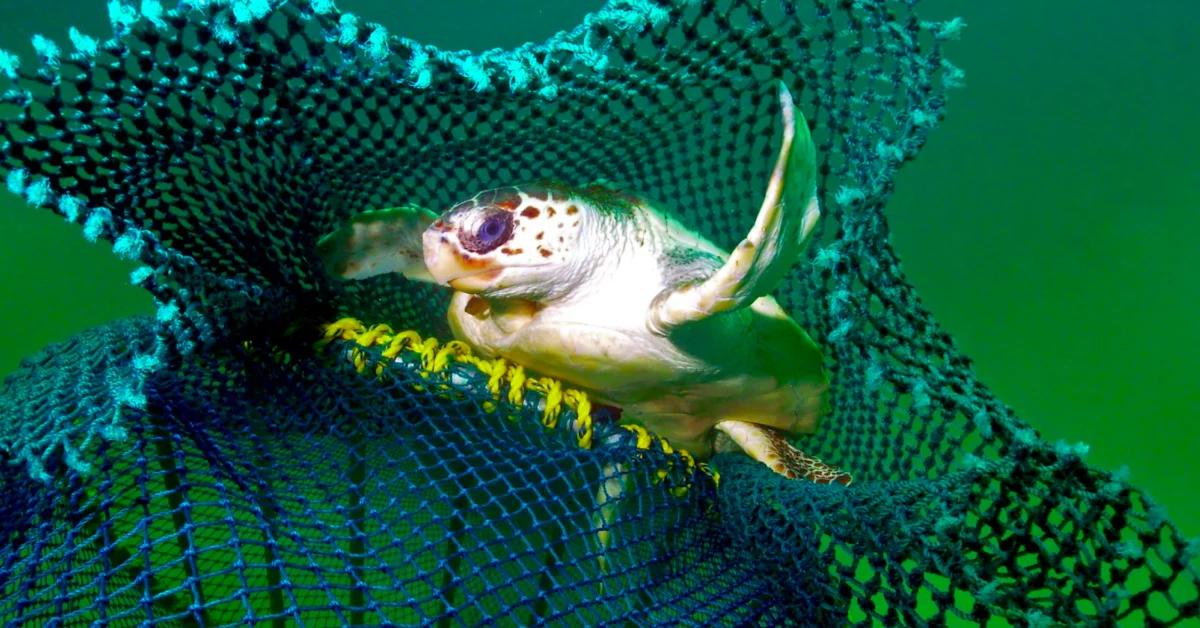
A turtle exclusionary device, or TED, is a specially designed fishing net built on a slanted metal grid. An opening inside the trawl net allows large animals like sea turtles to escape as it catches smaller targets like shrimp.
Fishermen have been using TEDs since 1987, when the National Oceanic and Atmospheric Administration's National Marine Fisheries Service first required TEDs on larger offshore shrimp trawlers.
However, in 1992, exceptions were made for some skimmer-trawl vessels that over forty feet in length.
In lieu of using TEDs, select skimmer-trawl vessels were guided by tow-time restrictions, which limit how long a shrimp trawler can keep its nets submerged in the water during a single fishing cycle.
Under NOAA Fisheries regulations, nets are submerged for a maximum of 55 minutes per tow in the summer, and 75 minutes in the winter. These tow-time restrictions are designed to prevent sea turtles from drowning if they are accidentally caught.
However, conservationists have pointed to widespread noncompliance. Even when restrictions are followed, they still pose a major threat to sea turtles.
Although a resting sea turtle can stay submerged for up to seven hours, an active sea turtle needs to resurface every 40 minutes to catch its breath.
But if a sea turtle is trapped in a net, it could drown in mere minutes.
“When turtles hold their breath, their heart rate slows significantly to conserve oxygen — up to nine minutes may pass between heart beats,” The Olive Ridley Project stated on its website. “Despite this adaptation, a stressed turtle, such as one entangled in ghost net, will deplete oxygen stores rapidly and may drown within minutes if unable to reach the surface.”
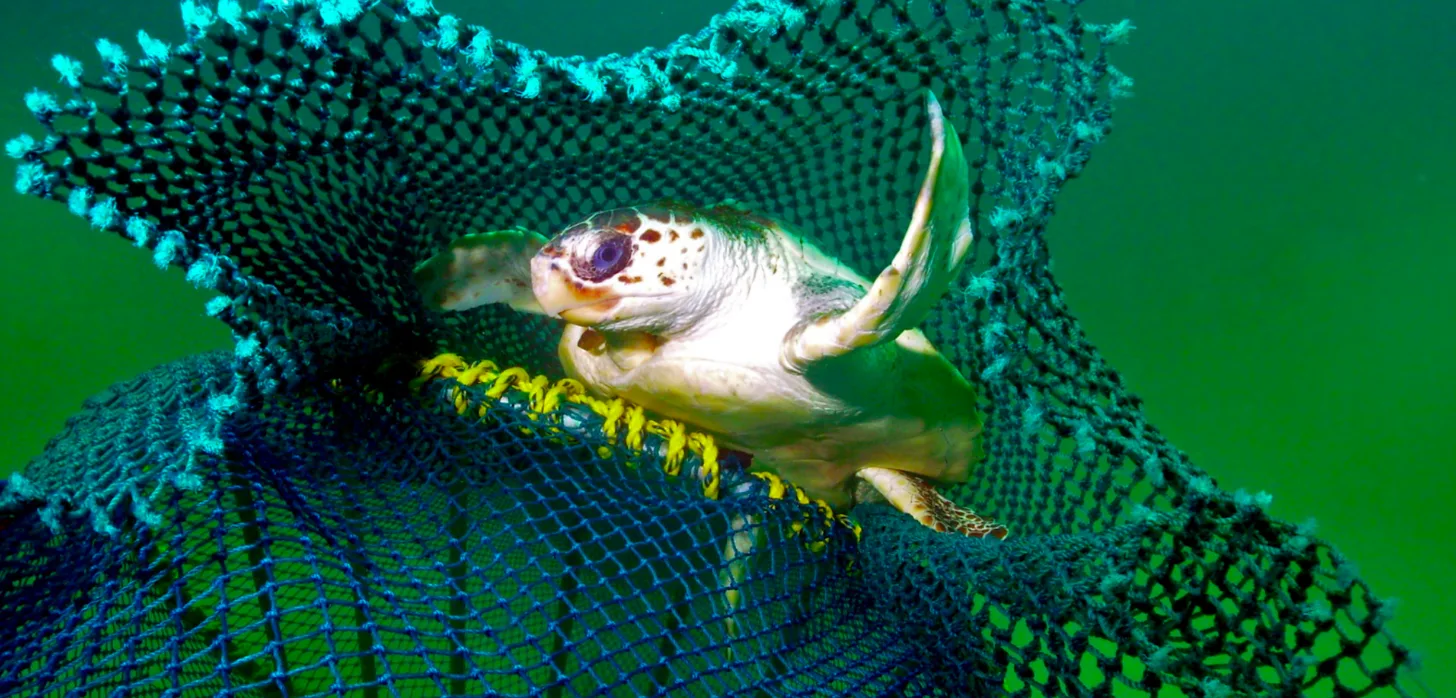
On September 1, the 5th U.S. Circuit Court of Appeals — which oversees rulings in Texas, Louisana, and Mississippi — upheld the National Marine Fisheries Service’s 2019 rule requiring select shrimp trawling vessels to use turtle excluder devices, or TEDs.
“As the court recognized, the science has shown for years that tow-time limits simply don’t work and turtle excluder devices do,” Earthjustice attorney Rumela Roy said in a statement.
Jane Davenport, a senior attorney at Defenders of Wildlife, said that the decision is especially vital to protecting Kemp’s ridley sea turtles, the most endangered sea turtle species in the world.
“Louisiana’s waters are key foraging habitat [for them],” said Jane Davenport, senior attorney at Defenders of Wildlife. “Tow-time restrictions just don’t work. TEDs are a coexistence win for sea turtles and fishermen alike.”
Joanie Steinhaus, the Turtle Island Restoration Network’s ocean director, said they were “delighted” that the ruling was upheld, but will continue fighting for strengthened protections across the commercial fishing industry.
“[This] will reduce the number of sea turtles from drowning in large shrimp nets, but we will continue to advocate for TEDs to be required in all skimmer trawls to prevent the continuing cruel and unnecessary drowning of these gentle endangered turtles,” Steinhaus stated.
“It’s a relief that the court didn’t take the bait and dismantle protections that are already far weaker than what’s needed to secure a future for our precious sea turtles,” added Elise Bennett, Florida and Caribbean director at the Center for Biological Diversity.
“We won’t rest easy until these commonsense, lifesaving protections prevent senseless deaths of turtles in all skimmer trawls.”
Watch how TEDs work in real time:
You may also like: This 220-pound sea turtle was tangled in a fishing line. The Coast Guard saved her — and the 100 eggs she was carrying
Featured Image: NOAA Fisheries/Dan Foster