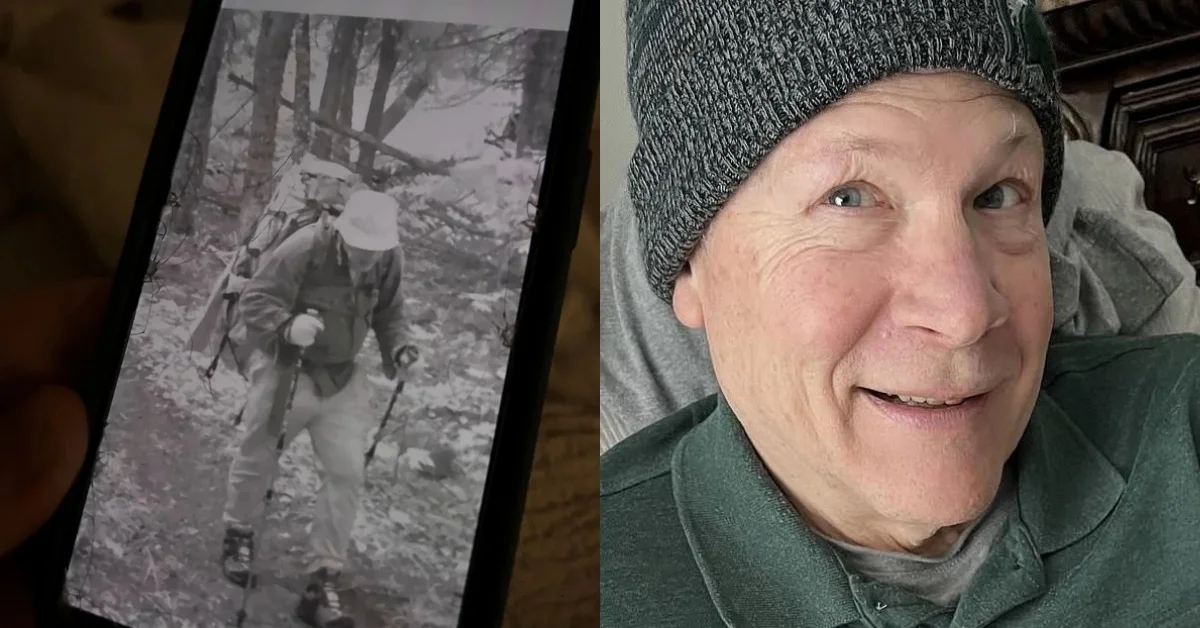
Craig Berg, a 70-year-old hiker, was on a planned nine-day solo backpacking hike through Isle Royale National Park, on an island off of Lake Superior, when things took a turn.
Berg was supposed to return on a ferry to Michigan's Upper Peninsula on September 5, but when he didn’t arrive home, his family reported him missing. Search and rescue efforts began just a day later.
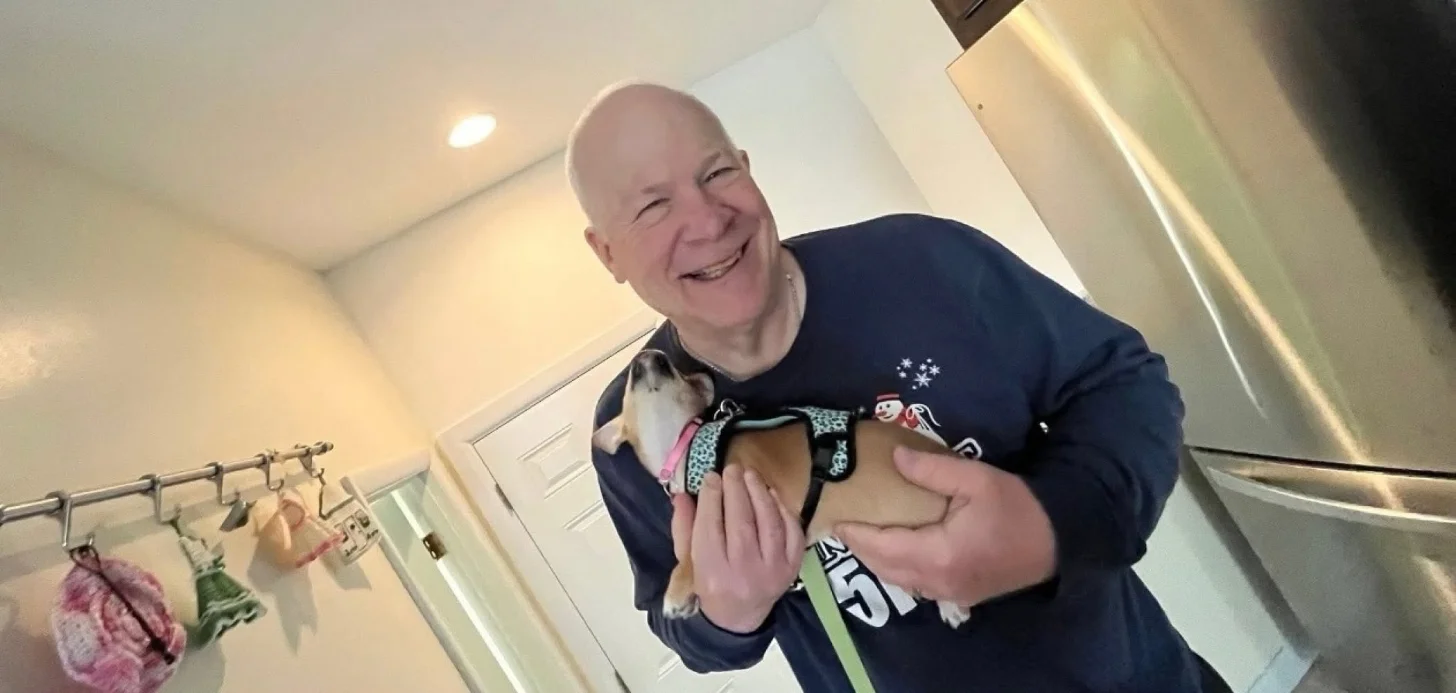
He was an experienced hiker, but Isle Royale is a particularly rugged landscape — one of the least-visited national parks in the United States due to its remote location in the middle of Lake Superior. There are no roads or wheeled vehicles, nor cell service, on the island.
On the fourth day of his trip, Berg veered off the trails and fell into a swamp, drenching all of his clothes, bag, and food. His cell phone was lost. For the next 11 days, he screamed for help thousands of times, surviving off of a small allotment of freeze-dried food and dirty water.
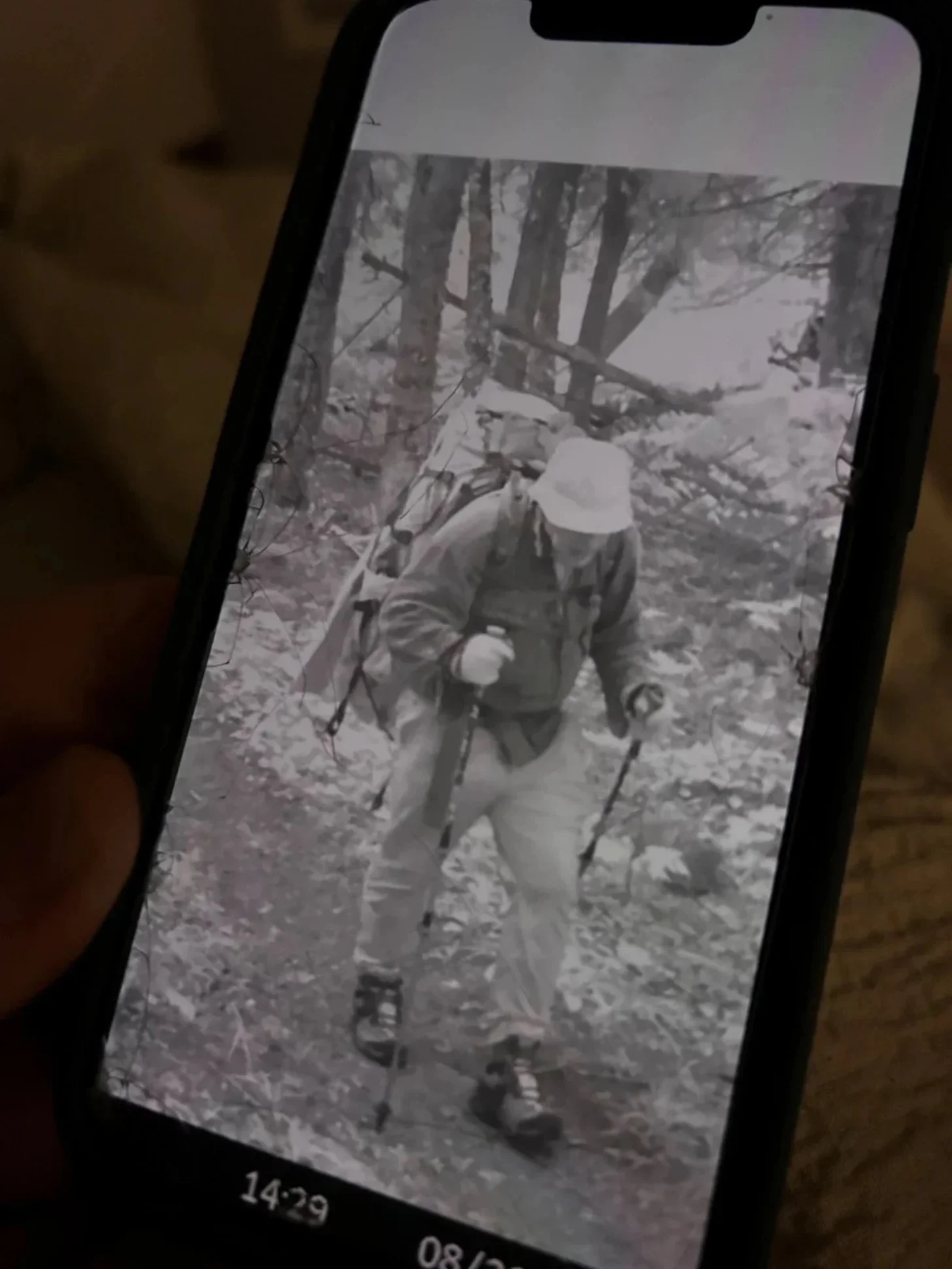
Search and rescue efforts initially began in a narrow area based on Berg’s last confirmed location. From there, crews expanded their search via boat and air — and when footage of Berg walking on foot on a trail camera near the Greenstone Ridge Trail emerged from August 30 — they expanded the search even further.
“This is a 44-mile island with extreme habitat,” Department of Natural Resources Law Enforcement Sgt. Marc Pomroy said in a statement. “You have to narrow down where you’re searching.”
The trail camera images gave search teams a greater picture of where Berg had been on the island, deploying ground search teams to navigate through dense forest and rocky ridges.
But it was finally when Berg spotted two kayakers that authorities nailed down his location and rescued him 11 days after his fall. The paddlers were veterans of the Michigan National Guard and knew exactly what to do.
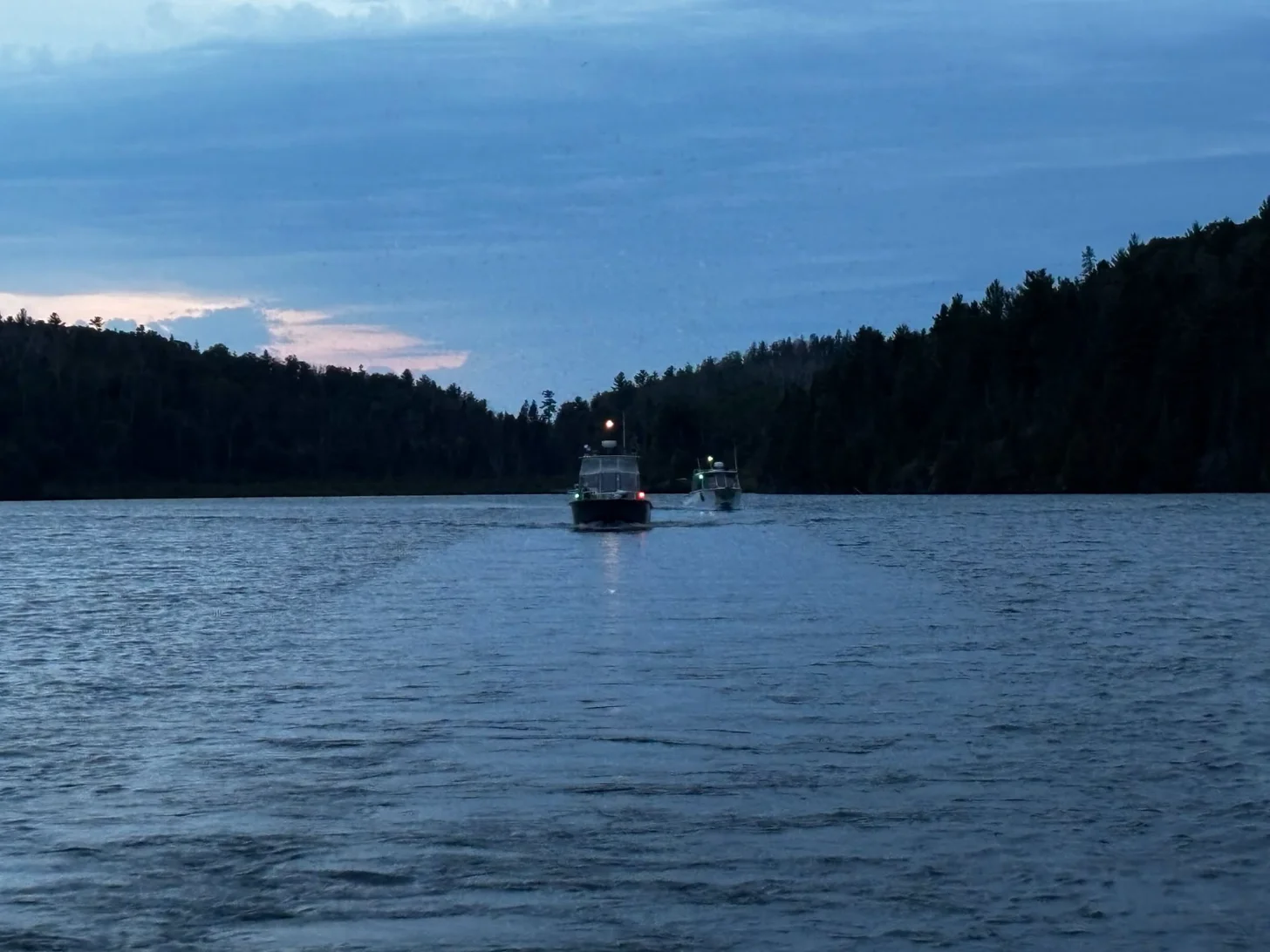
“On Saturday, Sept. 12, two paddlers located Berg on Intermediate Lake and relayed his location,” a statement from Isle Royale National Park reads. “The National Park Service immediately deployed park staff and additional resources by foot and coordinated with the U.S. Coast Guard for aviation support. The Coast Guard transported Berg to Marquette, Michigan, for medical care.”
“The successful outcome reflects the combined efforts of search teams, partner agencies and members of the public who assisted throughout the operation.”
After his airlift rescue, first responders noted that Berg was injured and hypothermic, but were nonetheless thrilled to find him “alive and alert.”
“This is a remarkable timeline given the location and extreme habitat,” Pomroy concluded.
Berg’s family was relieved he made it back in one piece.
“He was in rough shape, but he’s okay,” Berg’s son, Evan, told TV6. “He’s able to speak. He asked for food and water. We’re just so grateful, and we couldn’t be more happy and relieved, and we appreciate all the support we’ve had on social media, and we are just so grateful.”
In an interview with The Washington Post, Berg credited his wife, Debbie, for pushing for further rescue efforts and working tirelessly to get him back home.
“He is not senile,” Debbie told The Washington Post. “He is not suicidal. He just likes a good solid adventure in nature.”
During the 11-day search, Debbie wrote on Facebook, an outpouring of public support made it possible to see the light at the end of the tunnel.
“Your words of comfort, calls to family and to support rescue efforts, not to mention what appears to be the millions of people all over the country praying and pulling for our family to find Craig, has been nothing short of amazing. We are overwhelmed,” she wrote after his rescue.
“I felt comforted by each and every one of you and by the countless posts of people taking time to pray for a total stranger. Wow, America, you are beautiful.”
For now, Berg himself is happy to be home — but still knows he has to recover from the trauma.
“I have some things to sort out,” he told the Post. “Physically, I’m okay. Mentally, I’m still processing. Emotionally, I’m getting there, but I have a ways to go still.”
You may also like: Stray cat rescued from tornado gets a 'job' at local news station to help him get adopted
Featured Images: Courtesy of Debbie Berg