For more than five years, evidence has suggested that the entire wild population of mountain bongos existed only in the Aberdare Mountains of Kenya.
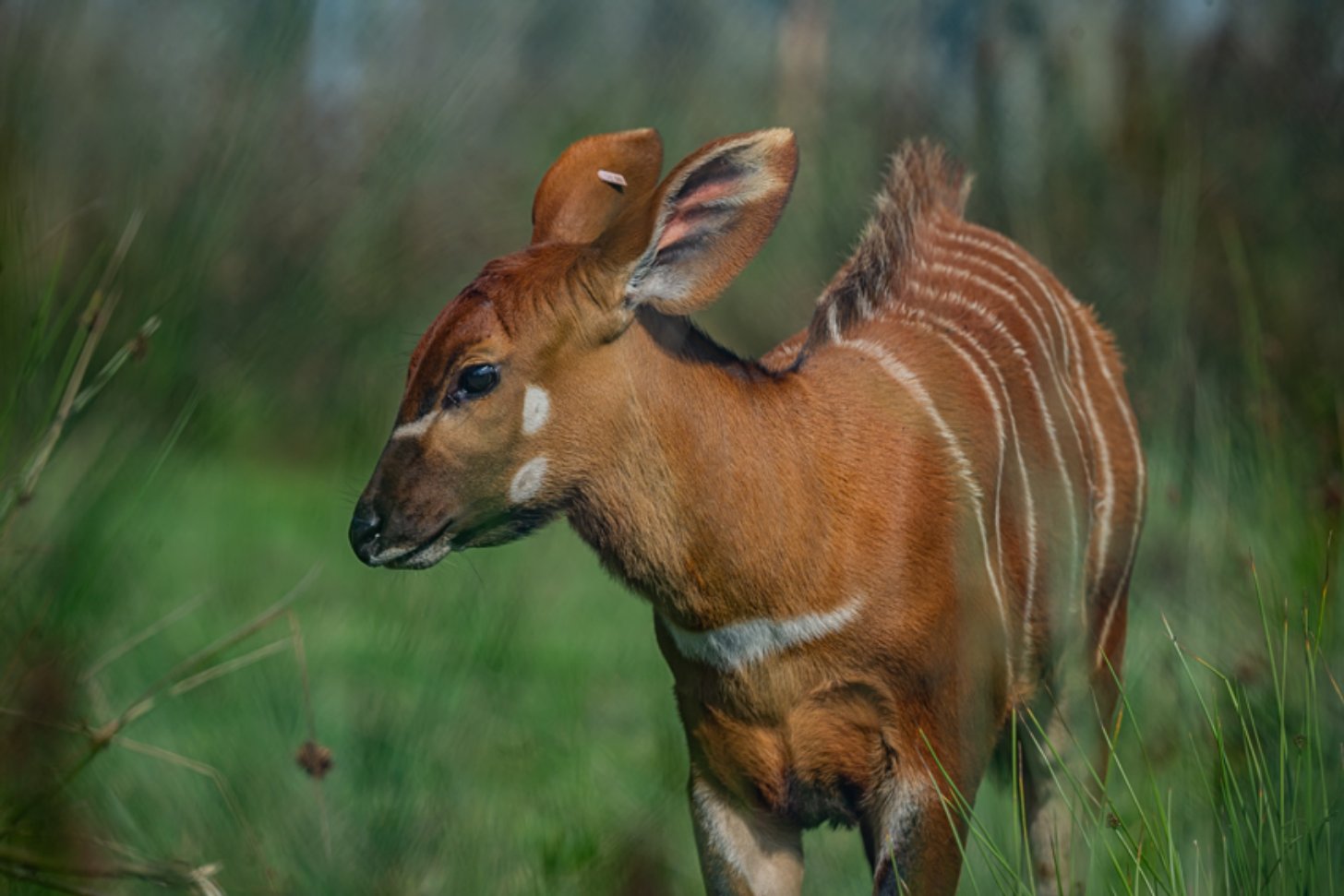
As one of Africa’s rarest mammals, the critically endangered bongo is a chestnut-colored antelope with vertical white stripes. Fewer than 100 of them are thought to live in the wild.
But a new discovery may change those assumptions.
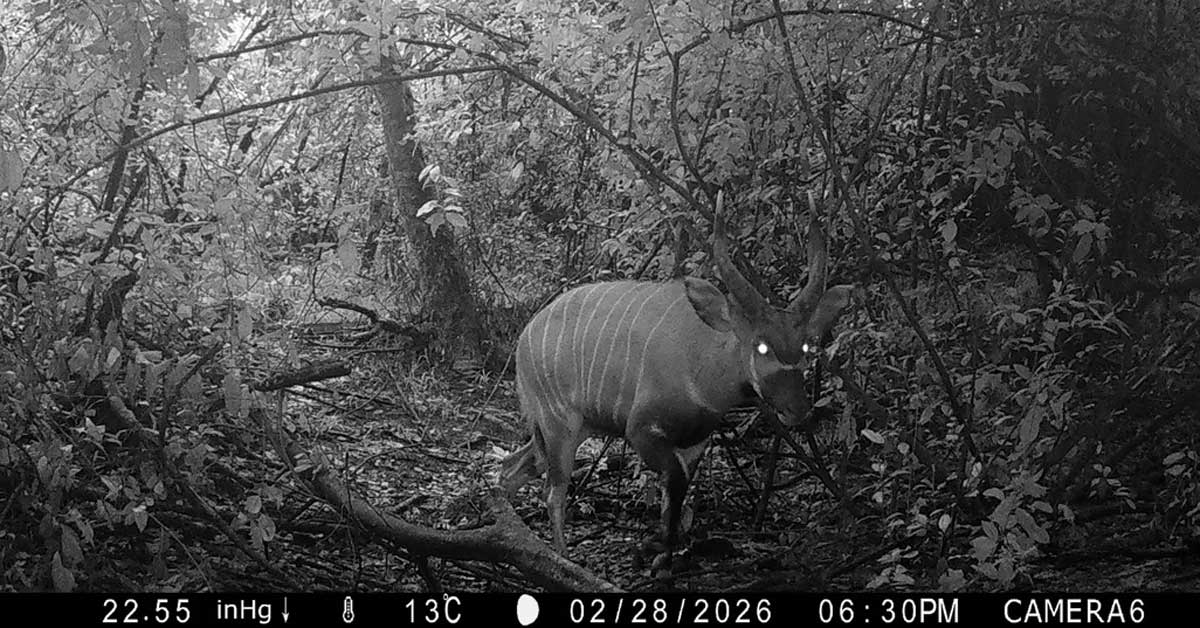
New trail camera footage spotted three wild mountain bongos wandering through the Maasai Mau forest in Kenya, a location where the mammals had not been documented for years.
Experts had thought they had all but vanished from the forest area.
Chester Zoo, a partner of the Mountain Bongo Project, worked with other conservation groups to set up AI-powered cameras on a recent survey of the area and came away with worrying results.
Their cameras had only detected 28 individual bongos in the Aberdares stronghold. But the Maasai Mau region is about 125 miles (or 200 kilometers) from the Aberdares protected area, meaning conservationists have a newfound hope for the species in Kenya.
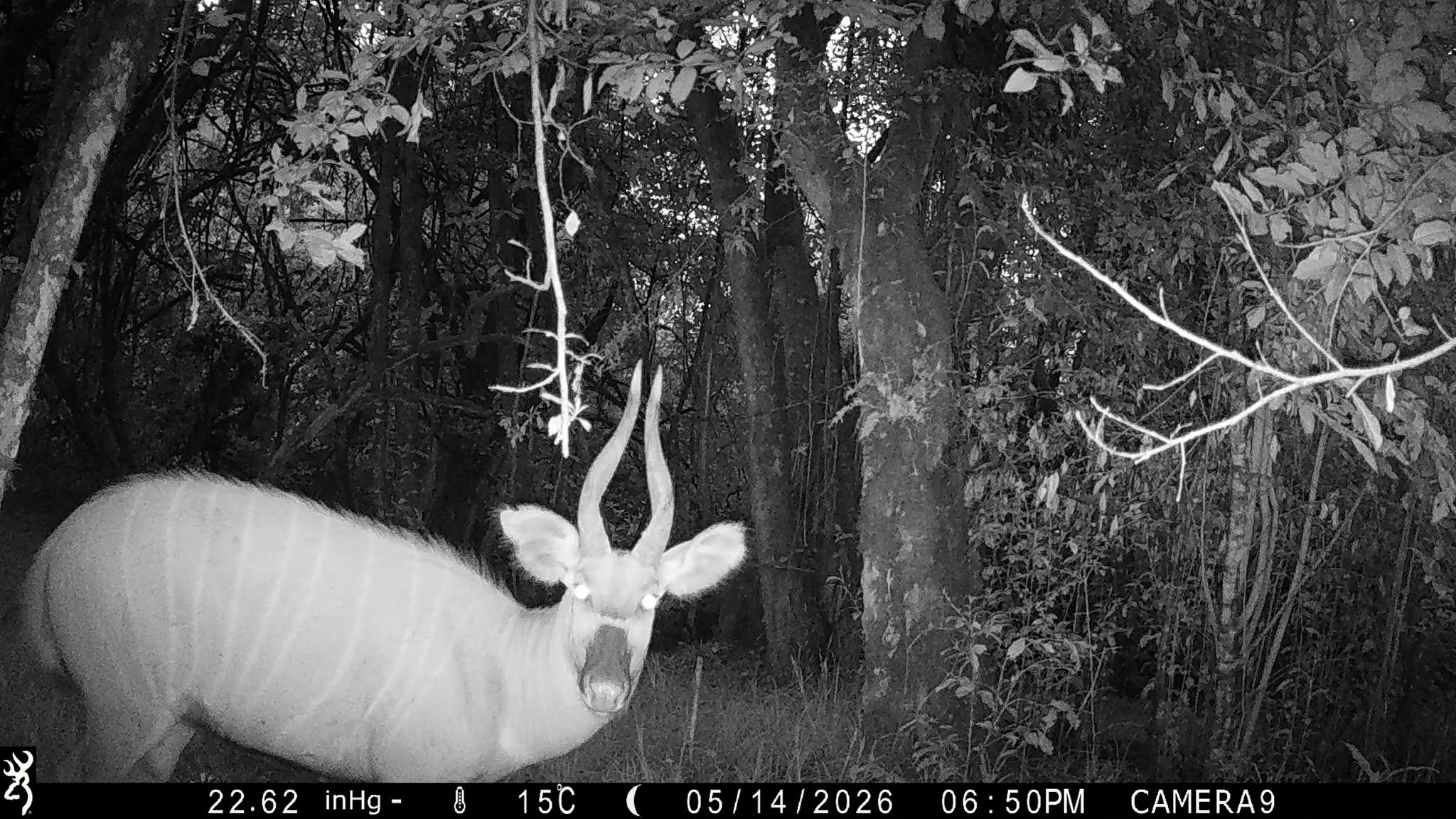
“The excitement in camp was unbelievable when we first looked through the photos,” Oscar Dyer, the director of operations at Mountain Bongo Project, said in a statement for the zoo.
“This image is the result of years of hard work by our rangers on the ground in one of Kenya’s most inaccessible forests.”
Zoos and sanctuaries worldwide are home to about 900 mountain bongos, but finding them in the wild is increasingly difficult. Game hunting, disease, habitat destruction, and human interference have driven the species to near extinction over the past 100 years.
Illegal logging is also a threat to the species, which thrives in areas with rich soil and a water supply — also in high demand for agriculture.
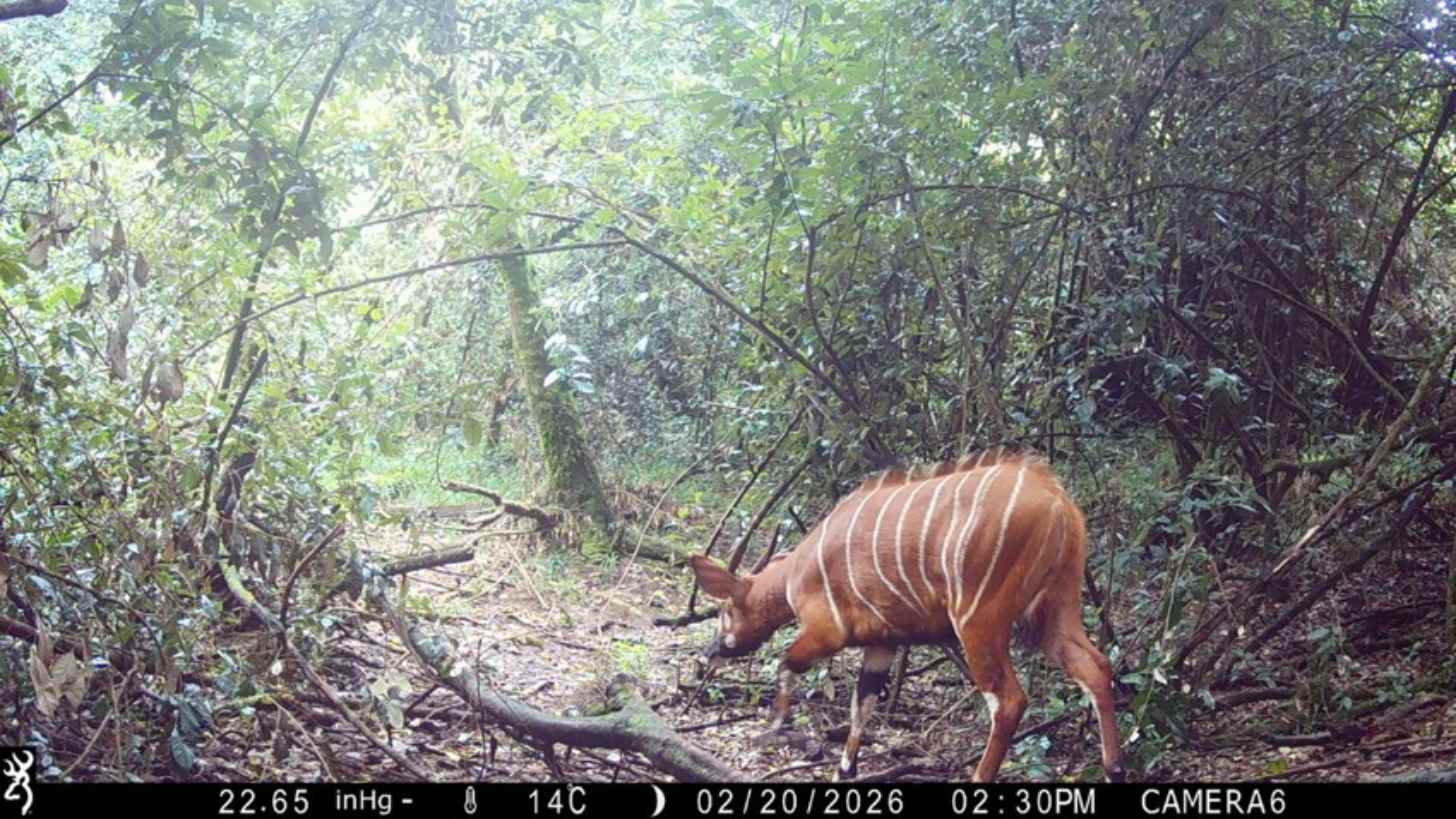
The trail cameras in the Maasai Mau region observed an older male first identified in 2018, along with a younger male and female, exploring the area.
Rangers working in the area are native to the local environment, Okiek and Maasai people who “draw on long-held knowledge about the local ecosystem,” Chester Zoo explained.
It takes time for the ranger to set up the motion-sensing cameras to collect photos, physically visiting the camera site through remote, rugged forests.
But seeing their efforts pay off? Worth every step.
“This is huge news. Unlike Aberdares, Maasai Mau is not a national park, and the reappearance of bongo may focus organizations on increasing broader protections,” Dr. Tommaso Sandri, a conservationist at Chester Zoo, said in a statement.
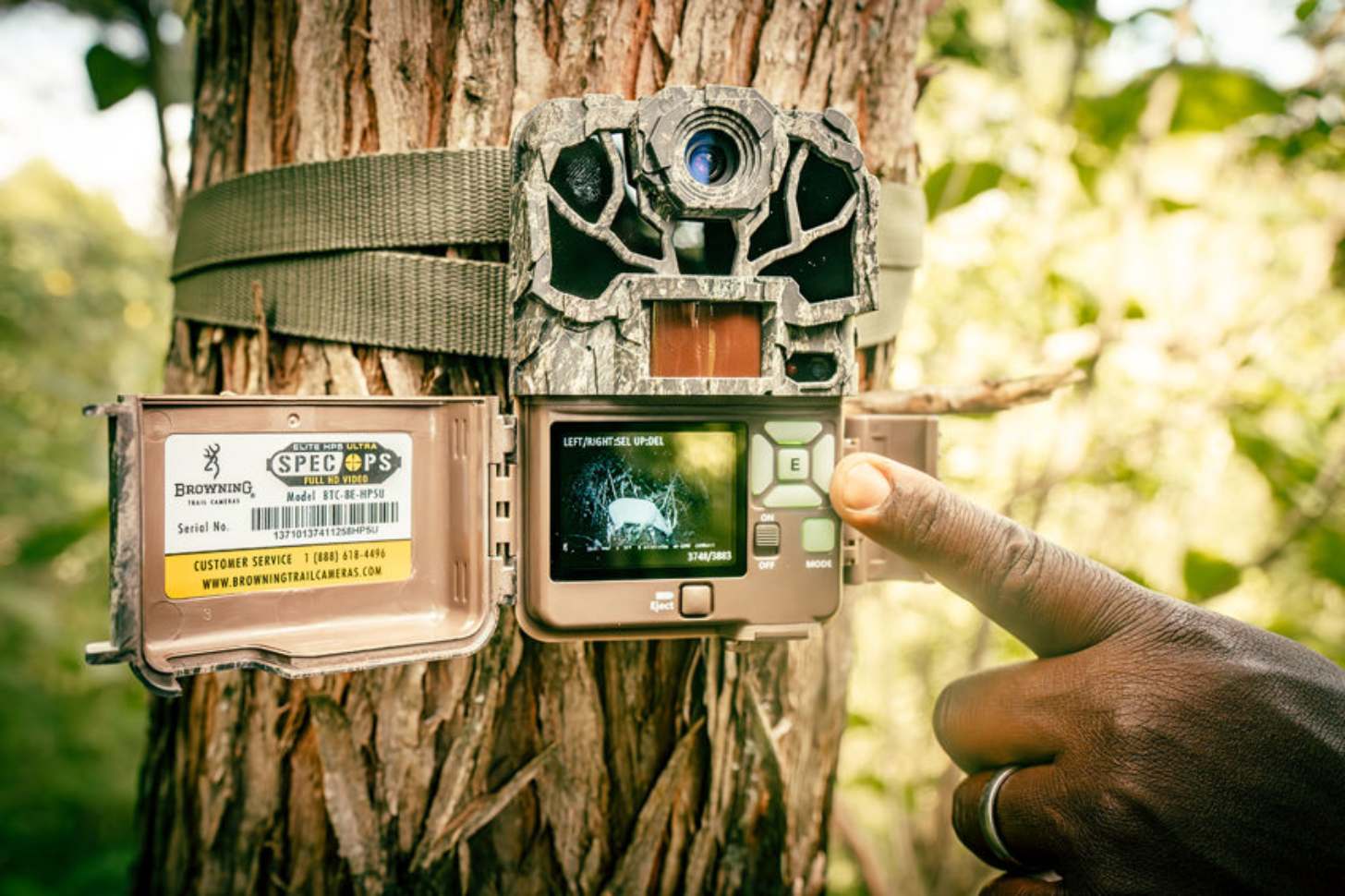
Conservationists with the Mountain Bongo Project are now working on an action plan to expand bongo safeguarding work in the forest area.
They hope that this news, with broadened public support, will help play a vital role in helping the wild population bounce back.
“The best chance for bongos is to highlight the need to protect the forests where they’re found, before these habitats disappear,” Chester Zoo wrote on Instagram.
“Chester Zoo and MBP are both keen to push for formalized protection for Maasai Mau.”
You may also like: Conservationists 'ecstatic:' Trail cameras spot one of the world's rarest mammals — with a baby in its pouch
Header image courtesy of Mountain Bongo Project