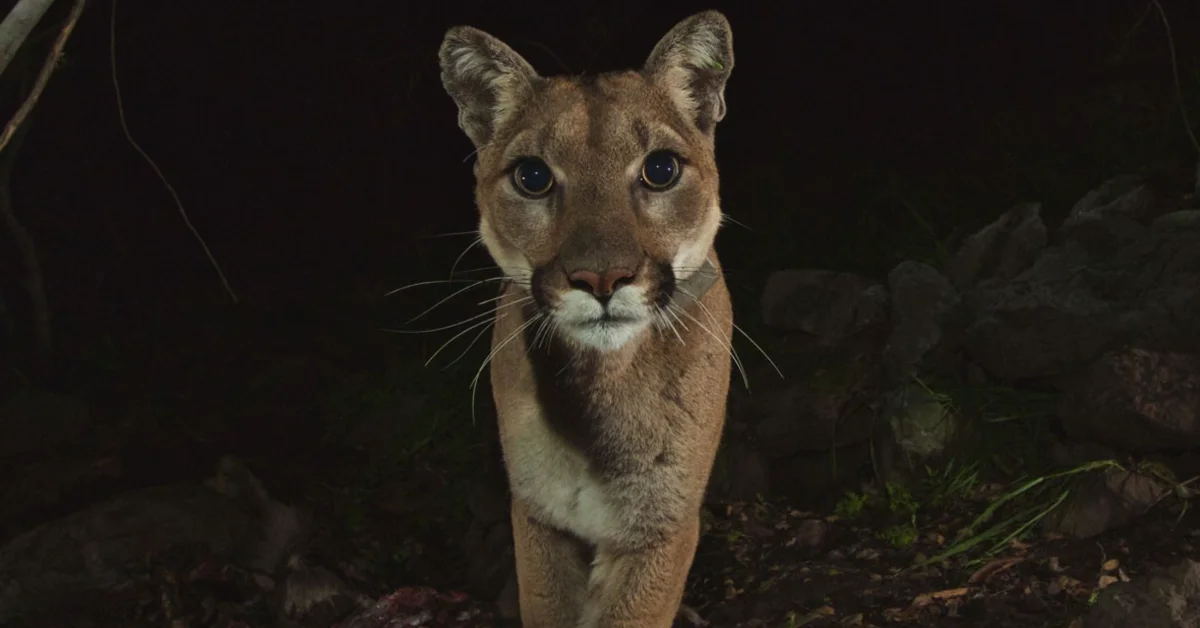
Researchers have found evidence that pumas — also known as cougars and mountain lions — directly affect deer behavior in a way that could prove lifesaving for drivers.
In the study, which was published in the scientific journal Current Biology on August 5, the researchers studied highway collisions across five years and found that higher puma occupancy correlated with significantly lower collision rates.
“We found that large carnivores can make roadways safer through their effects on prey behavior and space use,” lead author Justin Suraci said in a press release.
Together with his colleagues, Suraci — who serves as senior scientist and director of wildlife conservation science at Conservation Science Partners — centered his research on the Olympic Peninsula of Washington, where roughly four big cats can be found every 100 square miles.
“Deer alter their use of both space and time where pumas are present, overlapping less with roads and reducing activity at night, when some of the most dangerous collisions occur,” said Suraci.
In an interview with Good Good Good, Mark Elbroch, the director for Panthera’s Puma Program, explained that nighttime deer collisions are generally more dangerous because of a culmination of factors: driver fatigue, speed, and that classic “deer in the headlights” reaction that causes deer to freeze on roadways.
It’s also simply harder for drivers to see.
“Ninety percent of a driver's reaction depends on sight, which loses depth perception and peripheral range in the dark,” Elbroch told Good Good Good.
As Suraci put it, road safety is a service that “large predators like pumas can provide to human communities.”
“It’s important to remember that large carnivores, like many wildlife species, can only persist if they’re able to share landscapes with people, which in many cases may require us to change our behaviors and attitudes to make coexistence possible,” said Suraci.
When it came to the number of pumas struck by vehicles, Elbroch said it happened “infrequently,” but it was not unheard of.
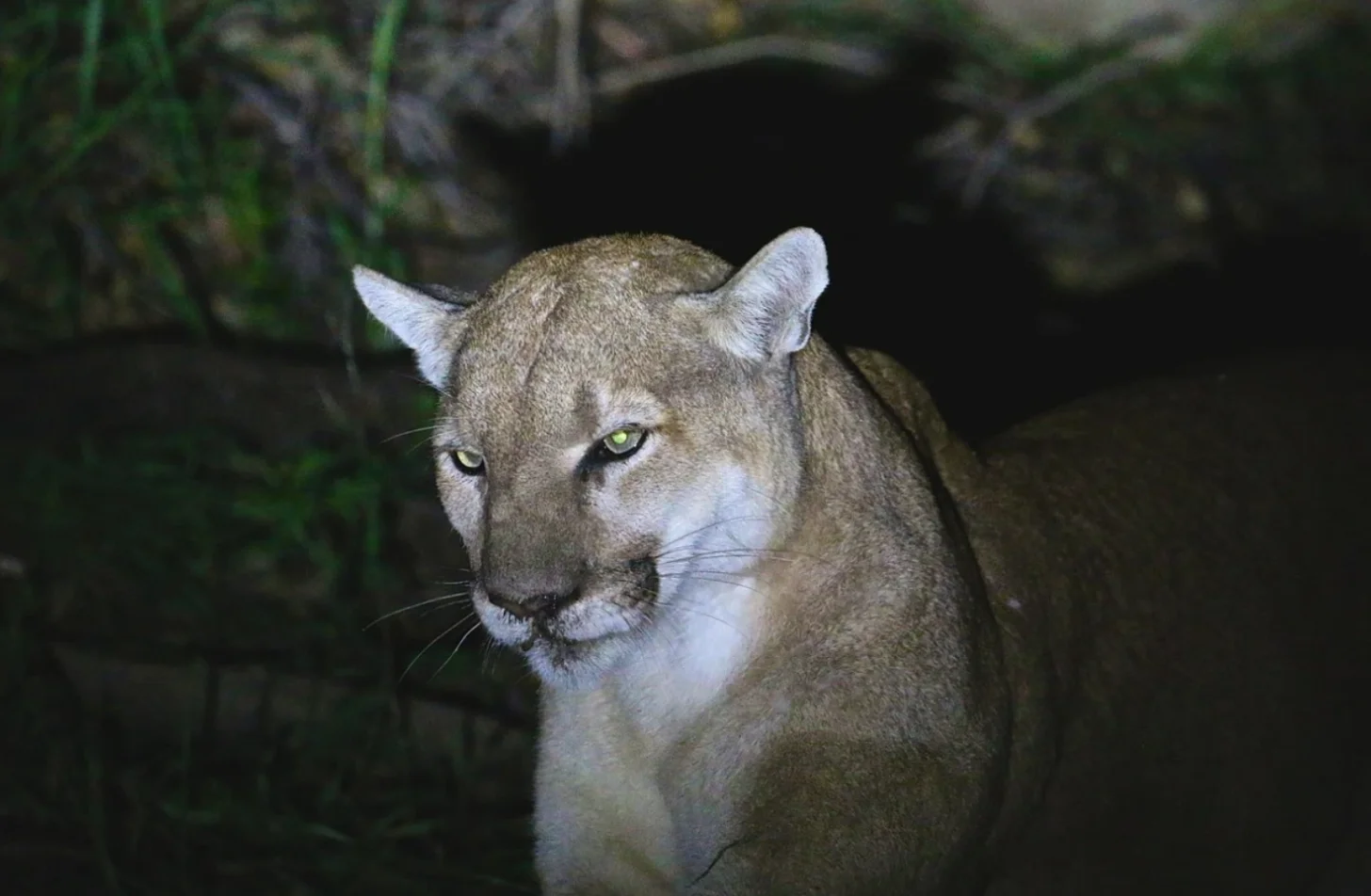
“In our system, we have had several pumas killed by cars,” he acquiesced. “We also had one remarkable recovery – the female remained roadside for 10 days, and then slowly made her recovery, ultimately returning to her usual behaviors and successfully raising kittens.”
Big cats in North America don’t have the best reputation; people often cite concerns of attacks, but Elbroch told Good Good Good that they are few and far between.
“Hundreds of thousands of deer-vehicle collisions occur every year, causing tens of thousands of injuries and roughly 200 deaths in the United States,” he stated. “As compared with 4-6 ‘attacks’ per year in recent years (more like 1-2 over longer time spans), and on average 1 person being killed every 3-5 years over the last 100 years.”
Elbroch said that stable puma populations, coupled with wildlife crossings, could lead to substantial benefits for drivers across the Pacific Northwest.
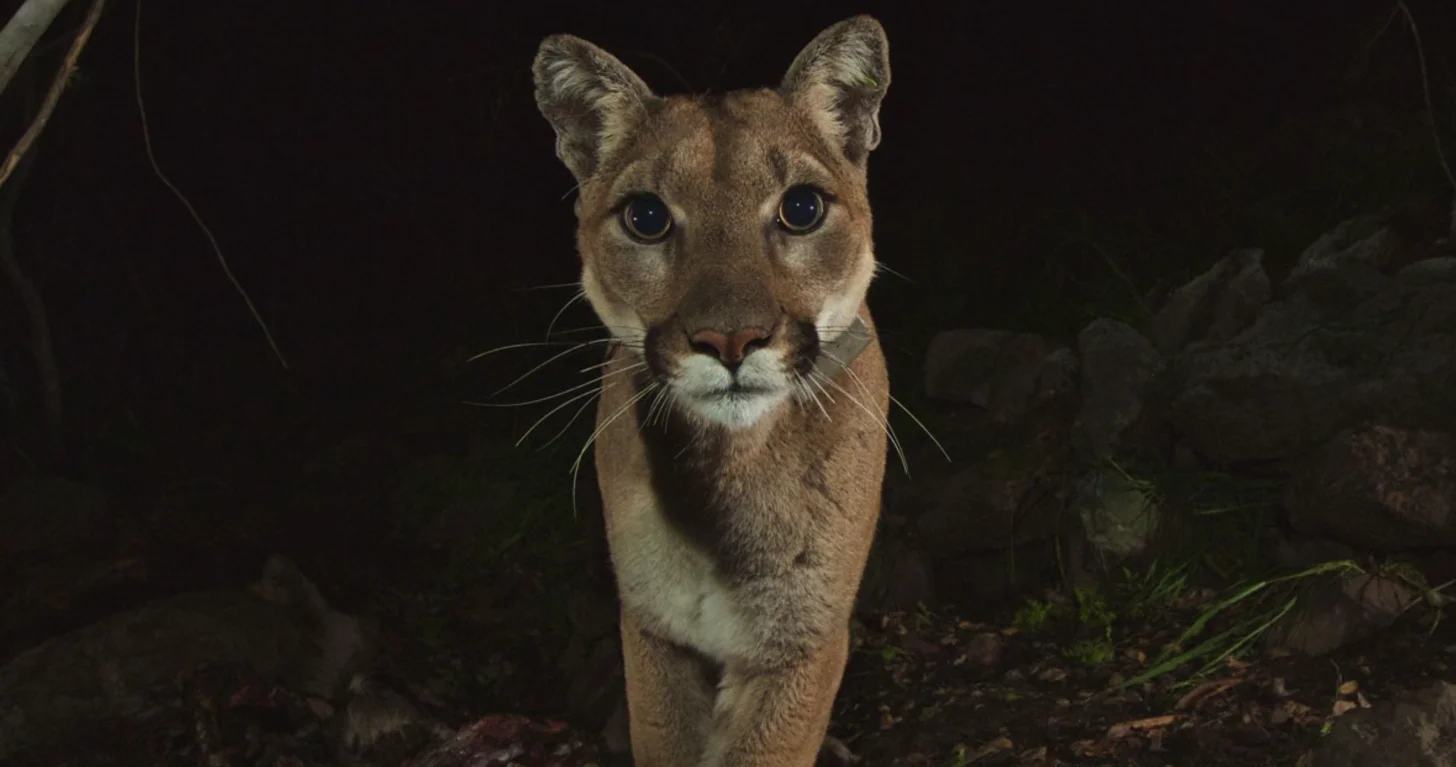
“Pumas are providing all the net benefits of wildlife bridges — which receive bipartisan support because they reduce wildlife-vehicle collisions, saving lives, reducing injuries, reducing damage to public infrastructure, and saving people millions and millions of dollars,” he said.
“By scaring deer, pumas are doing the same things … likely everywhere they coexist with people.”
When it comes to the study’s potential impacts on legislation or road safety, Elbroch is optimistic.
“We hope this influences human tolerance for wildlife, encourages management that supports coexistence, and influences transportation policy that supports wildlife coexistence with people.”
You may also like: Trail cameras show elephants, leopards, and more embracing India's 7-mile wildlife crossing months ahead of schedule
Featured Image: National Park Service