Californians with a fishing license — of which there are about 1.7 million — have an opportunity to bring home the bacon this summer. Or, at least, bring home some invasive pikeminnow.
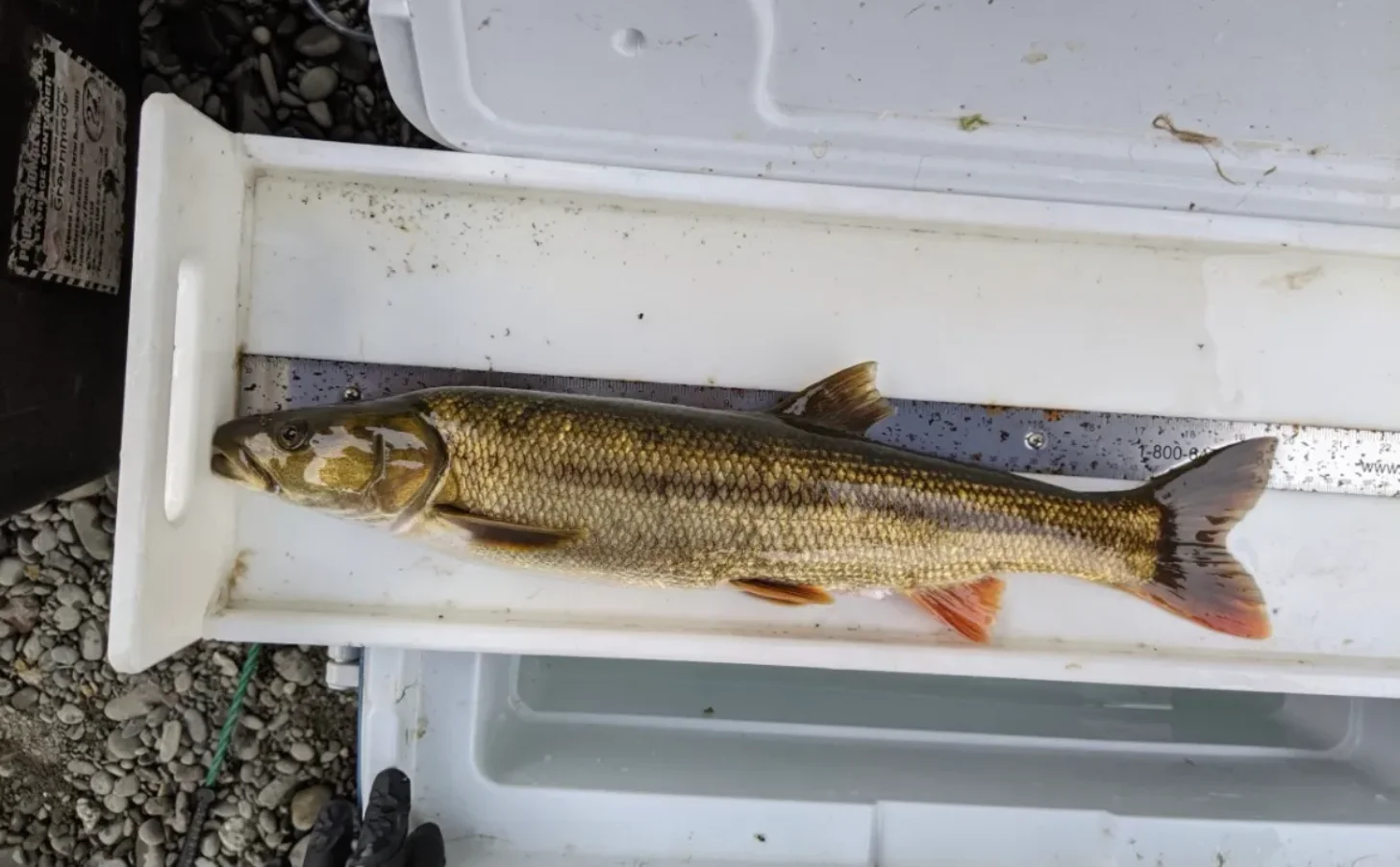
The 2026 Eel River Pikeminnow Fishing Derby began on July 1 and is running until August 31, an annual competition that encourages locals to fish the Sacramento pikeminnow species, an invasive fish that preys on native wildlife.
While Sacramento pikeminnow are native to California, they were introduced to the Eel River in the 1970s. As a piscivorous species, they eat other fish, and have been found to consume native salmonids and lamprey in the Eel River, making a negative impact on the ecosystem and local fish populations.
So, researchers and officials came up with a fun way to get local anglers to help.
“On top of longstanding stressors such as historic overfishing, damaging logging practices, habitat loss, and the accelerating impacts of climate change, pikeminnow present an additional challenge to the recovery of native fish populations through both predation and competition,” California Trout explains on its website.
“Therefore, by fishing for Sacramento pikeminnow in the Eel River, you can help support conservation of our native fishes.”
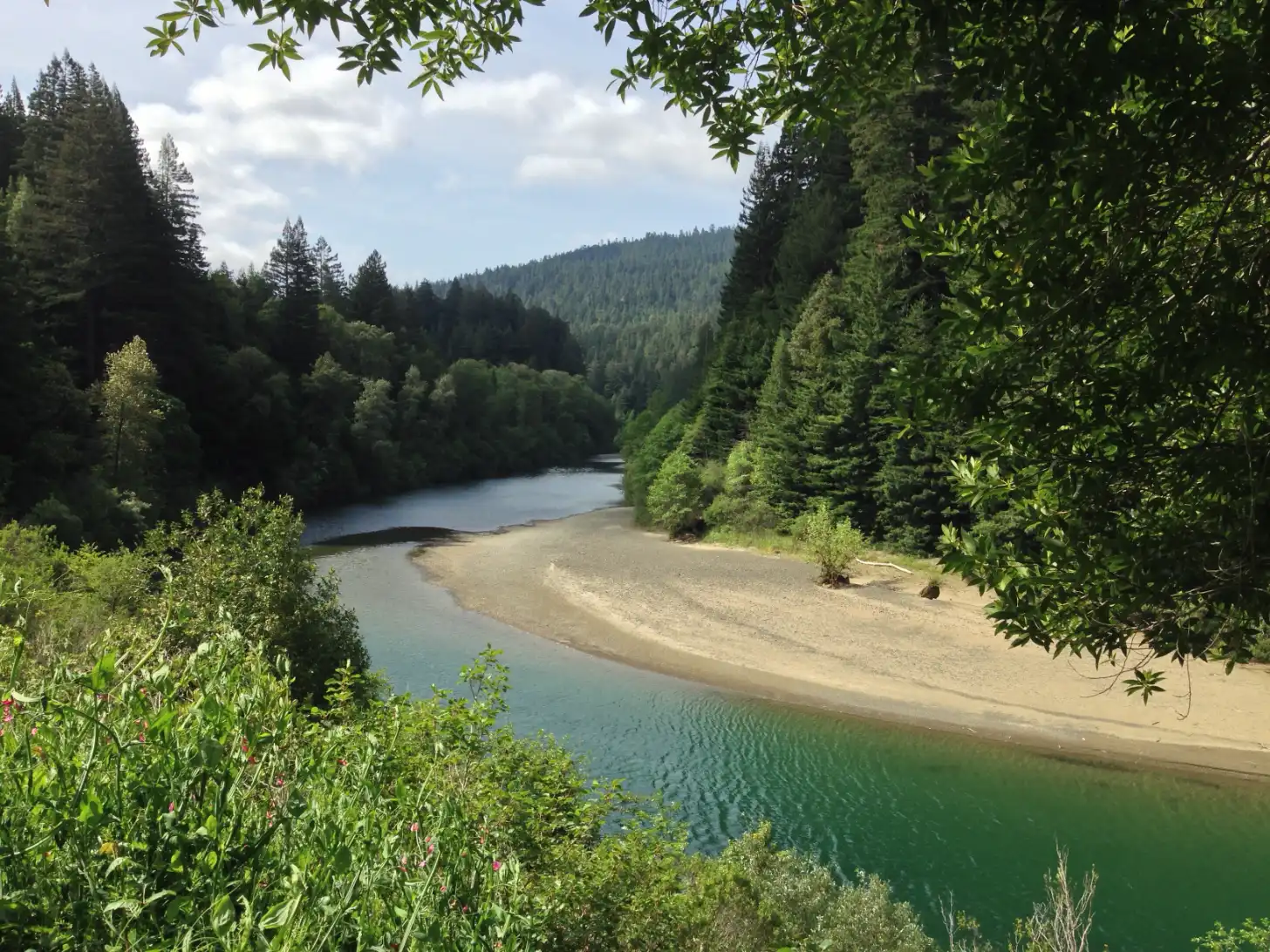
During the two-month contest, participants with a valid license are simply encouraged to go fishing at three specific locations on the Eel River. Once someone has caught a pikeminnow, they can submit it to the contest with a valid email address and geo-tagged photo proof of their catch.
There are three cash prize categories:
- Most pikeminnow (greater than 6 inches) caught over the duration of the contest: $550 for first place, $450 for second, and $400 for third
- Most pikeminnow (greater than 12 inches) caught over the duration of the contest: $800 for first place, $700 for second, and $600 for third
- Biggest fish (length): $500 for first place, $400 for second, and $300 for third
- Drawing for kids (under 18) that entered a pikeminnow in the contest: Six contestants will win $50 each
Contestants must follow all state fishing regulations and use barbless artificial lures only. And the pikeminnows caught must not be returned to the river — there is currently no bag limit on the species.
Contest organizers even offer suggestions to anglers for how they can use their pikeminnow catches: “Consumption, gardening fertilizer, crab bait, or research.”
TRIB Research also offers links to recipes and tutorials for preparing and eating pikeminnow.
As the slogan for the tournament says: “If you can’t beat ‘em, eat ‘em.”
In 2025, 1,118 pikeminnow were caught. It’s unclear what successes 2026 will bring.
“Though the number of pikeminnow in the Eel is staggering, we are hopeful the derby combined with ongoing suppression efforts will positively affect native fishes,” TRIB research writes on its website. “Looking forward to … the potential to expand the derby range and prizes.”
You may also like: DIY off-roaders race in public lands trash pickup contest. They ended this year with 5M pounds cleaned
Featured Image: Courtesy of TRIB Research