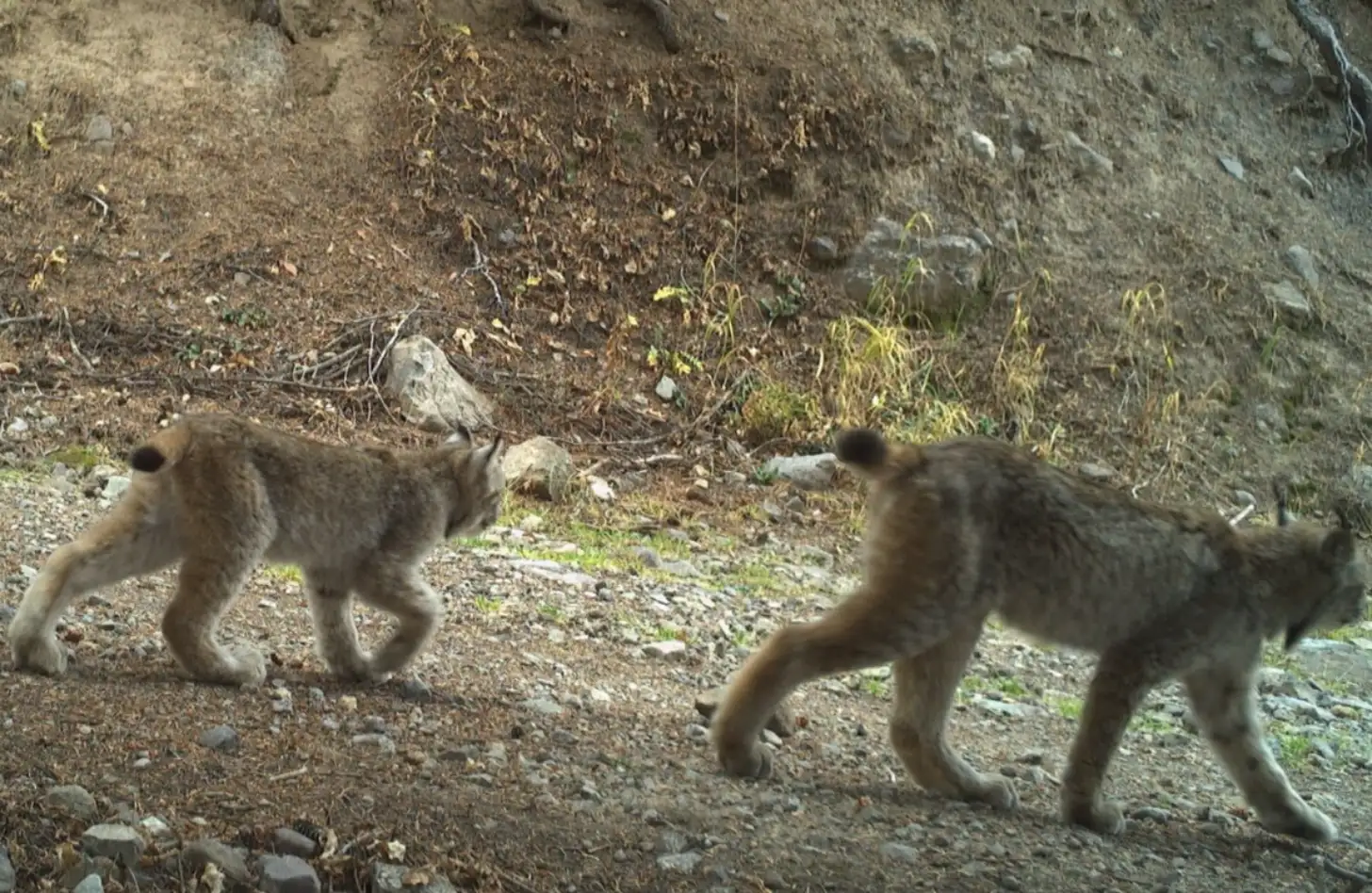
On August 7, Colorado Parks and Wildlife shared a glimpse of a lynx family in the wild.
“A rare sight to see: A lynx kitten and adult spotted by a trail camera in Colorado,” the agency stated in an Instagram post.
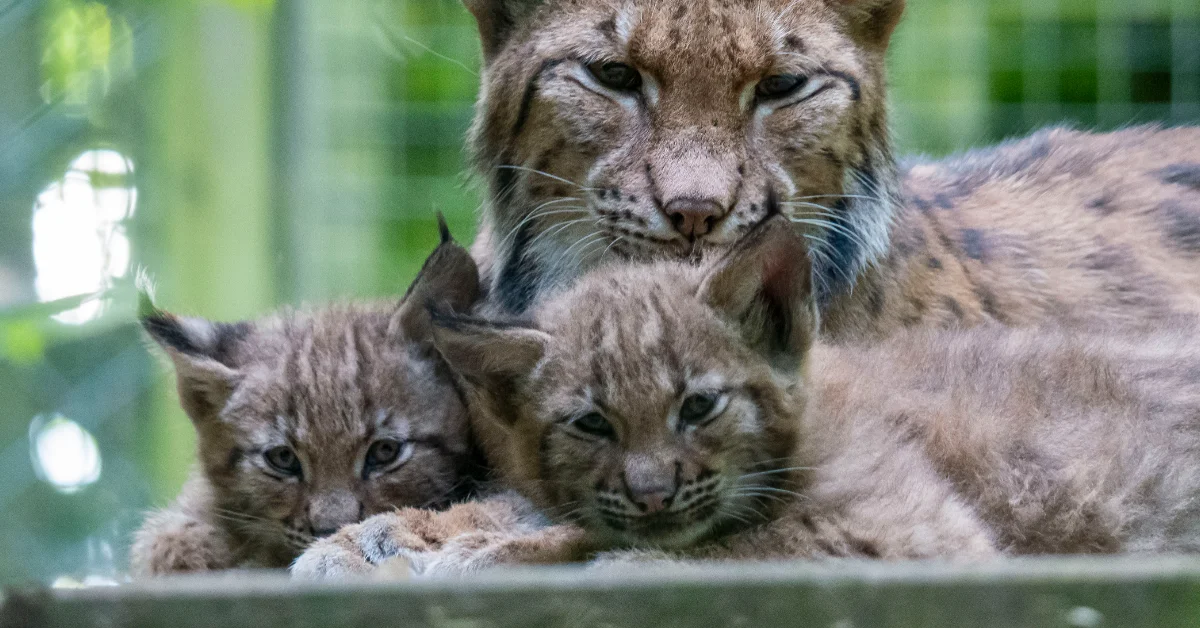
“Lynx breed in late winter, and after a gestation period of about nine weeks, females produce a litter of one to four kittens in May or June,” the account explained. “Kittens stay with their moms for about nine months, after which they venture out on their own.”
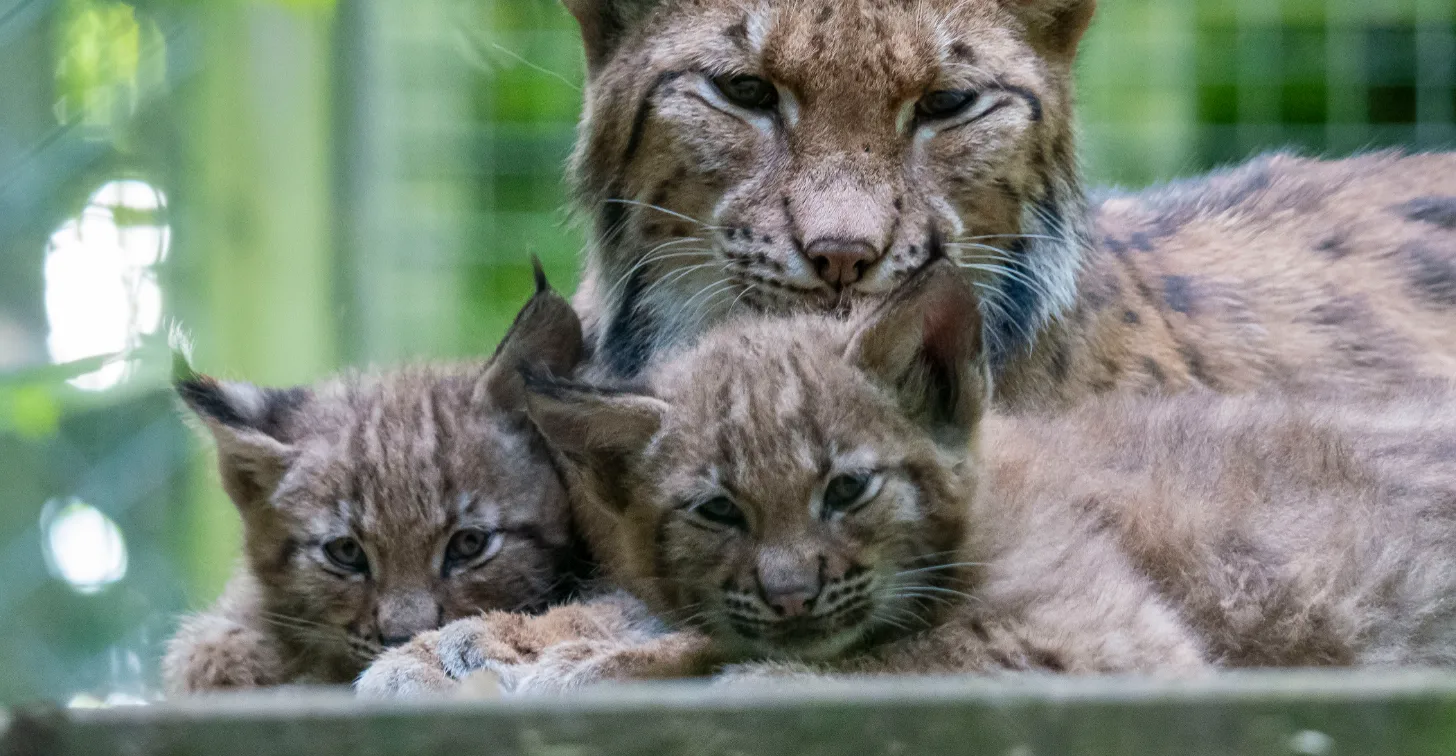
Adult lynxes weigh roughly 30 pounds. The grayish, spotted cat is about three feet long, with a short black-tipped tail, oversized hind feet, and distinctive long tufts on its ears.
The lynx has been listed as an endangered species in Colorado since 1976, due to fur trapping and widespread habitat loss.
In the 1990s, Colorado Parks and Wildlife launched a seven-year effort to reintroduce the species into the San Juan Mountains by relocating other populations from Alaska and Canada.
In 1999, 96 lynx were released in the area near Creede and north of Durango. Today, at least 100 lynx are estimated to live in Colorado, suggesting those early introduction efforts have remained stable over the last three decades.
In late November 2024, the U.S. Fish and Wildlife Service proposed new critical habitat designations for threatened Canada lynx. For the first time, that included areas in the southern Rockies.
“The science and the law support critical habitat protections for lynx in the southern Rockies. It’s what they need to have a fighting chance at survival in the face of our warming climate,” Matthew Bishop, senior attorney at the Western Environmental Law Center, said in a statement.
“We’ve had to push the Fish and Wildlife Service for every inch of progress on Canada lynx recovery efforts, and are hopeful the agency is beginning a new chapter of good-faith recovery efforts for this ecologically significant and iconic wild cat.”
“The lynx is a keystone species in the southern Rockies ecosystem. Once considered extirpated, the lynx is back and reproducing in western Colorado’s forests,” agreed Peter Hart, legal director at Wilderness Workshop.
“Colorado’s high mountains provide increasingly important refugia for lynx as the climate warms. If we want this species to persist and thrive, we need to protect critical habitat here.”
You may also like: Trail cameras capture rare footage of elusive African serval kittens, a cat that looks like a 'stretched out cheetah'
Featured Image: KiraDartmoorZoo (CC BY-SA 4.0)