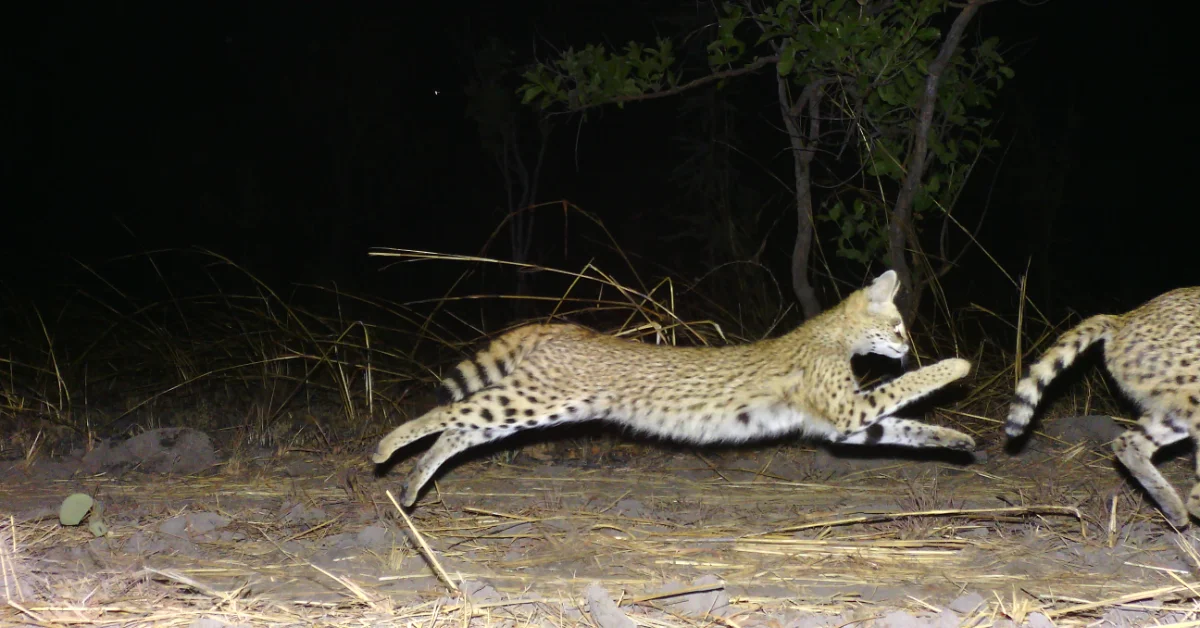
Servals are an African wild cat that, according to National Geographic, “look a bit like cheetahs who stretched out after a nap and just decided to stay that way.”
The spotted cats are medium-sized with long legs and necks and are native to central and southern Africa’s grasslands, wetlands, and forests.
They are exceptional hunters, using their long legs and large ears to scan over tall grasses, take huge leaps into the air, and run as fast as 50 miles per hour.
Servals are not particularly endangered, but researchers don’t know too much about them, given that they are an elusive and sly mammal. But a new sighting might just change that.
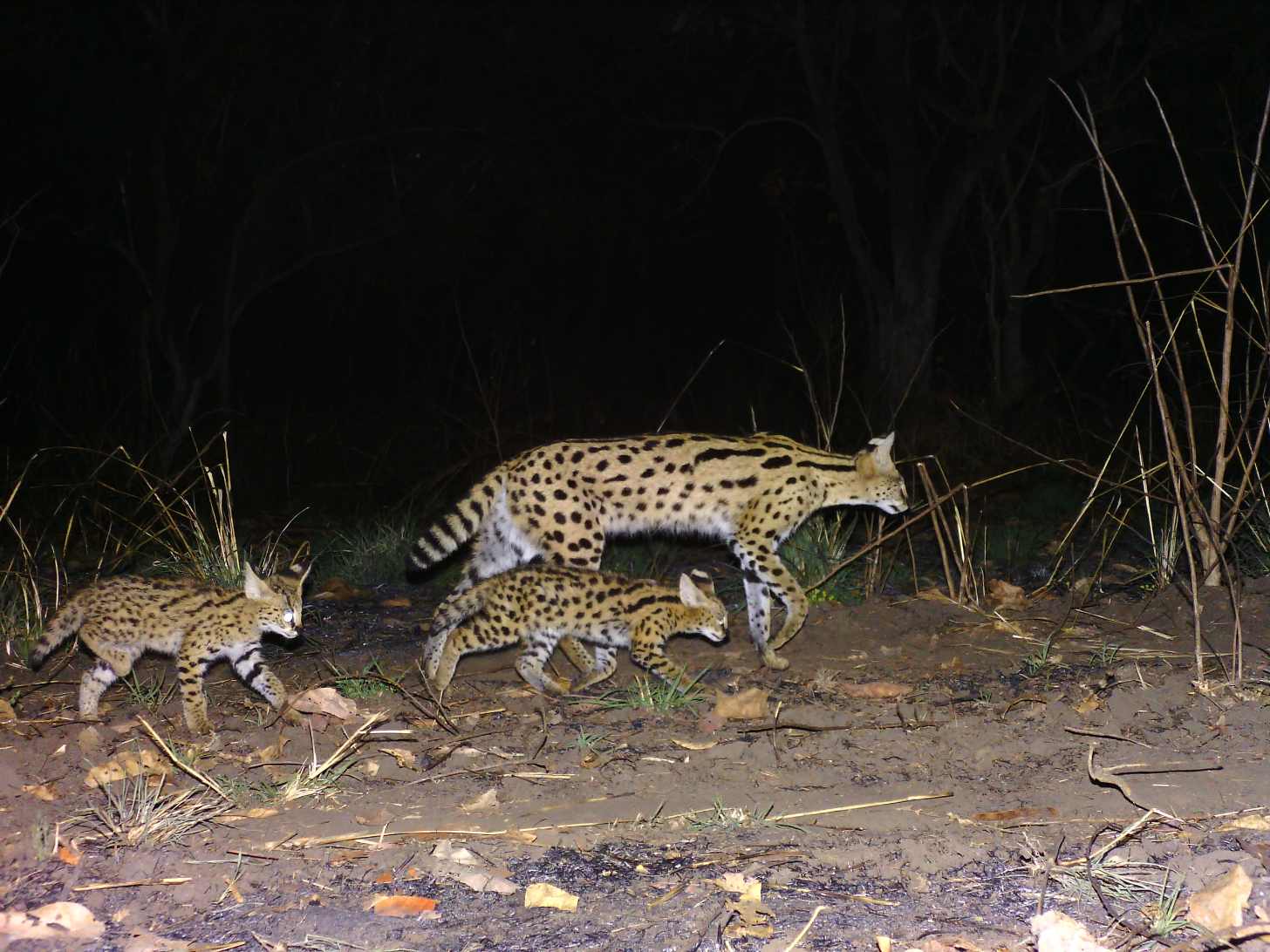
Over the last year in western Tanzania, more than 300 camera traps were set up by researchers with Panthera, an international big cat conservation nonprofit. The cameras took 150,000 photos of lions, leopards, and a handful of other smaller mammals recorded for the first time in the area.
But one of the most exciting discoveries came in the form of footage of a serval with a rare morph coat pattern, recorded for the first time in Tanzania.
“When reviewing the photos from our first camera trap surveys in western Tanzania in 2025, we were very excited to come across two different kinds of servals: normal servals, which have black spots, and ‘servaline’ servals, which have smaller, freckle-like spots,” Dr. Charlotte Searle, senior ecologist and data specialist with Panthera Tanzania, told Good Good Good in an email.
“Both colorations are the same species, but the servaline morph is much more rare, with the few confirmed records coming from sites in the Republic of Congo, Rwanda, and Uganda. The photos from our surveys in Luganzo-Tongwe and Ugalla Game Reserves are the first confirmed records of this color morph in the country.”
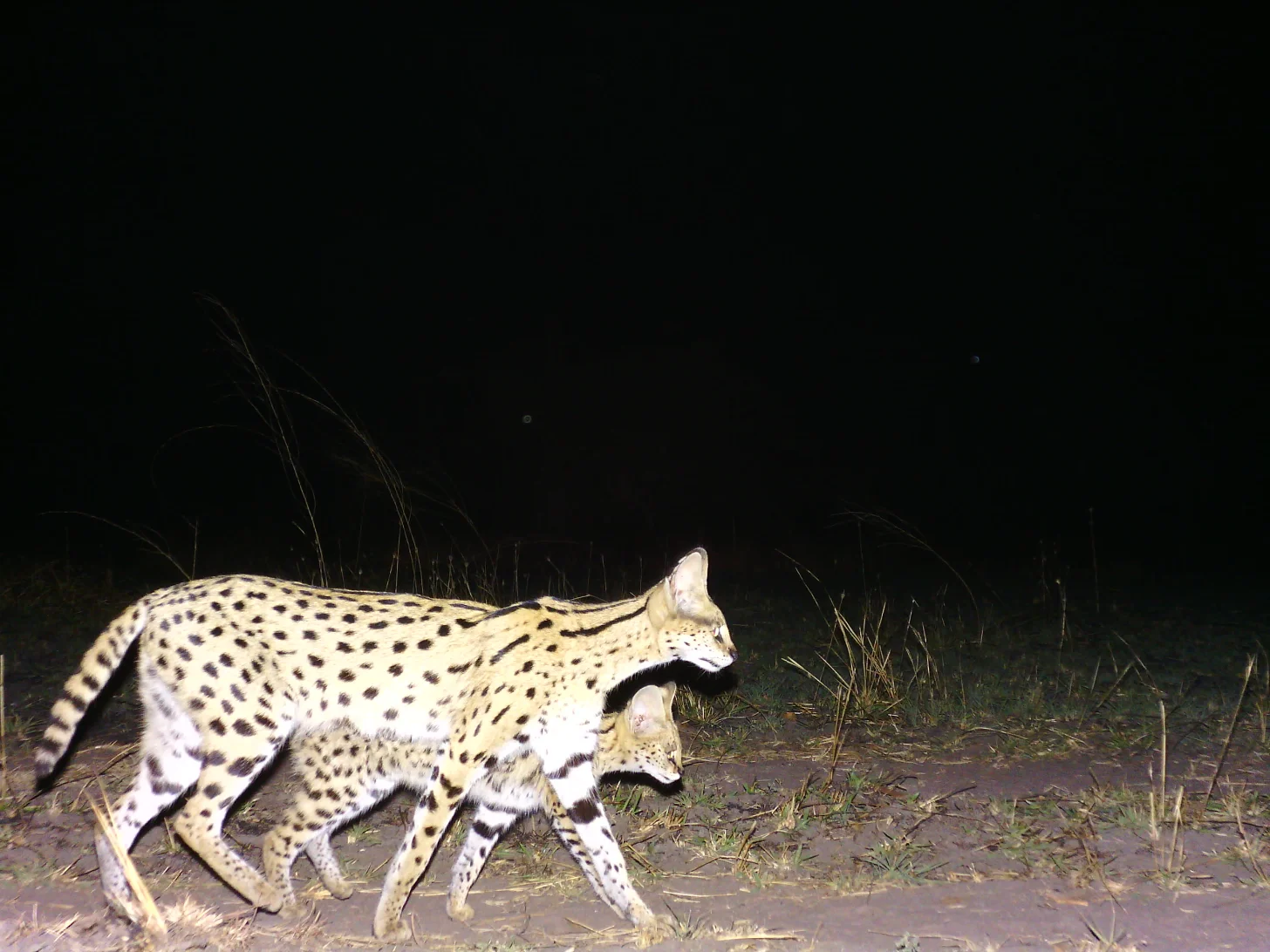
Searle added that seeing a serval is already “quite a lucky occurrence,” so seeing a servaline serval was “really something special.”
The main goal of the camera trap study was to learn more about big cats in the Luganzo-Tongwe and Ugalla reserves, where Panthera is working with the Tanzania Wildlife Management Authority to strengthen protections for species like lions and leopards.
Researchers found that lion populations are especially threatened in the area by bushmeat snares, vehicle strikes, and human encroachment. Leopard populations were a bit more encouraging, but Panthera researchers believe both species show “real potential for recovery if threats are addressed now.”
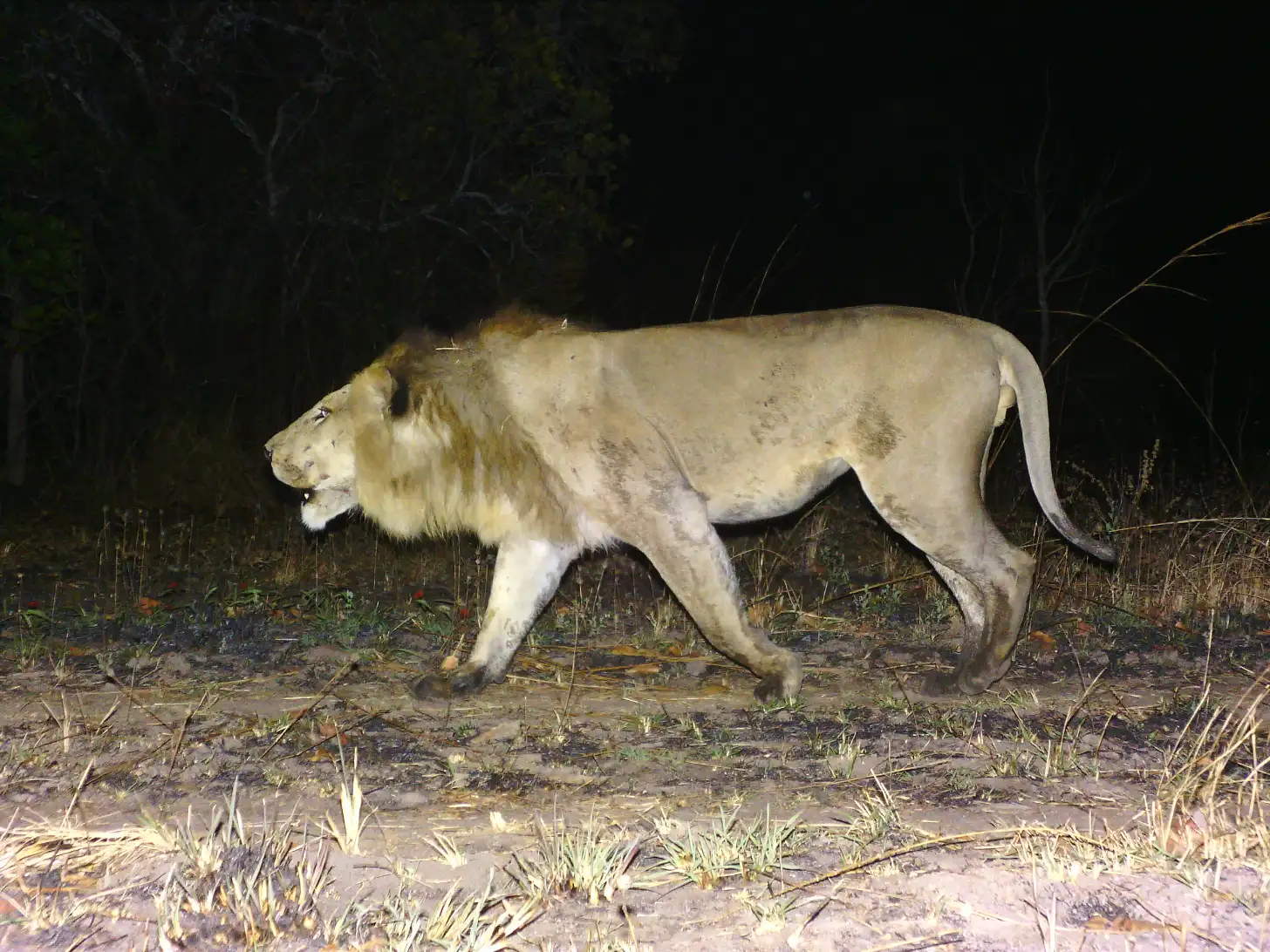
Camera trap research also provides valuable insights into wildlife as a whole in a given area.
“The sites we work in in western Tanzania are very wild, and the animals there can be skittish as they’re not used to people, so we haven’t had the good luck of seeing one yet,” Searle said of the servaline serval spotted during these surveys.
“Luckily for us, camera traps are unobtrusive and can be left in the field for months at a time, so they have a tendency to unveil new and exciting insights that we would be unlikely to see in person.”
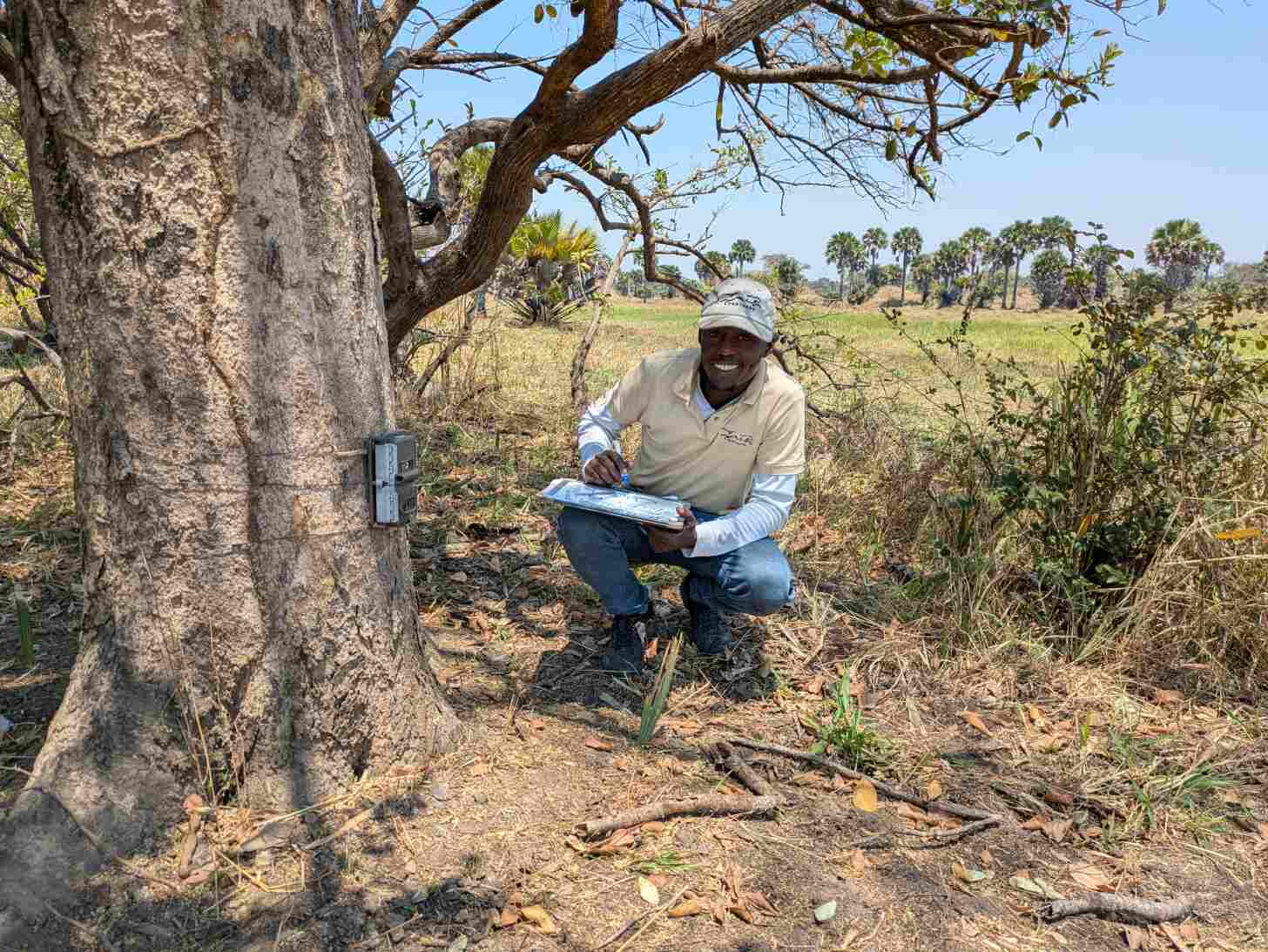
In addition to the servaline servals, in 2025, Panthera’s cameras documented rare melanistic genets and bushbabies, and confirmed the presence of a number of species that weren’t known to be in the area.
“Given the lack of research across many of Africa’s wilderness areas, this shows us how much more there is left to learn about the continent’s wildlife populations,” she said.
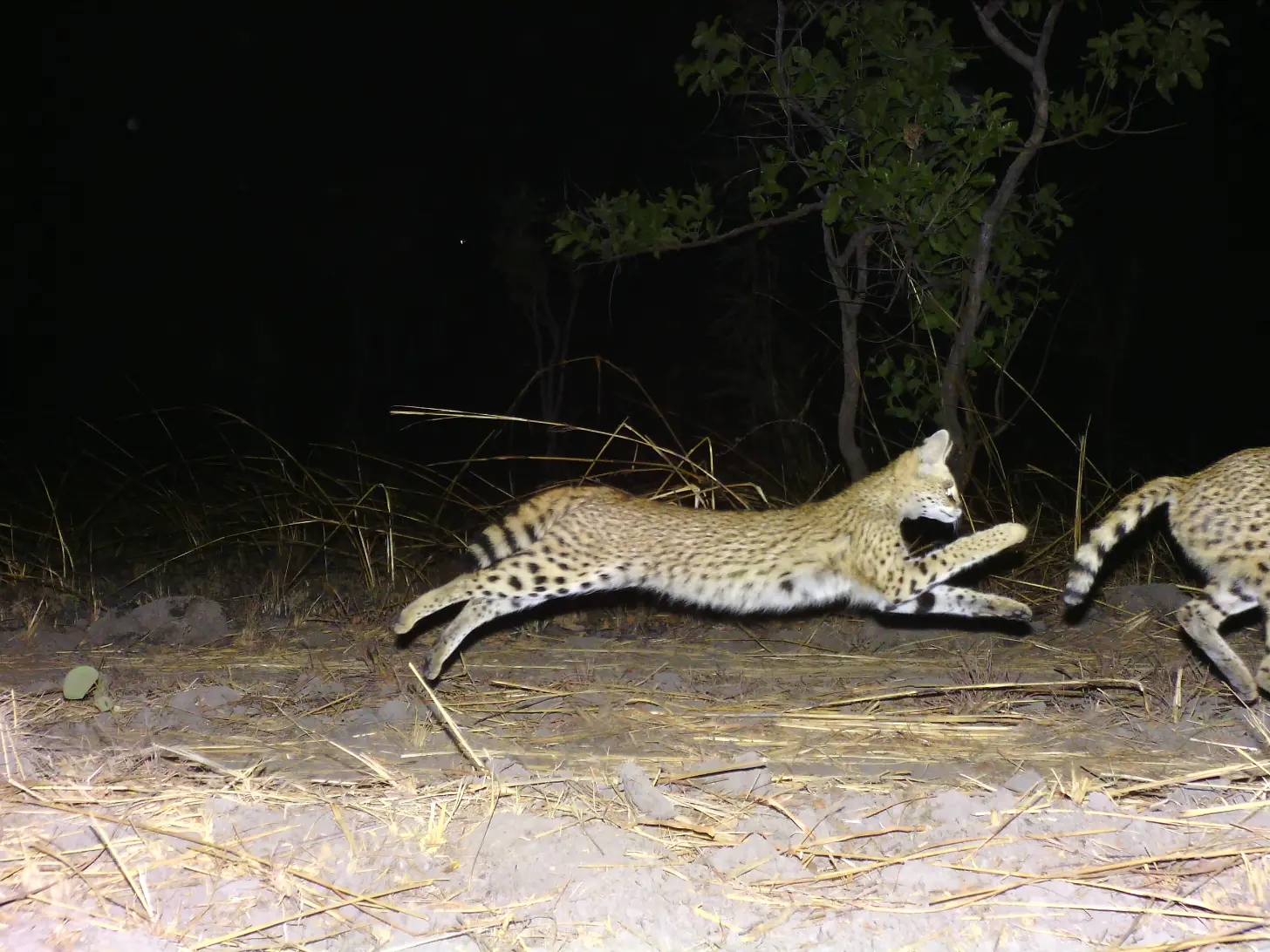
Trail cameras continue to be vital to conservation research, allowing experts to collect clear images and contextual data of rare and elusive species. Panthera began operating in Tanzania in 2025, Searle said, and these findings will contribute to a much larger body of research supporting the region’s wildlife.
“We used the data collected through these initial surveys to establish baselines of lion and leopard population status in each reserve,” Searle concluded.
“By repeating these surveys on a regular basis, we will be able to monitor how lions and leopards — and a number of other species they live alongside — respond to management interventions and threats, which will help ensure our collaborative conservation efforts are effective and evidence-based.”
You may also like: Trail cameras capture rare footage of elusive leopard species, dubbed 'the ghost of the forest'
Featured Image: Courtesy of Panthera