

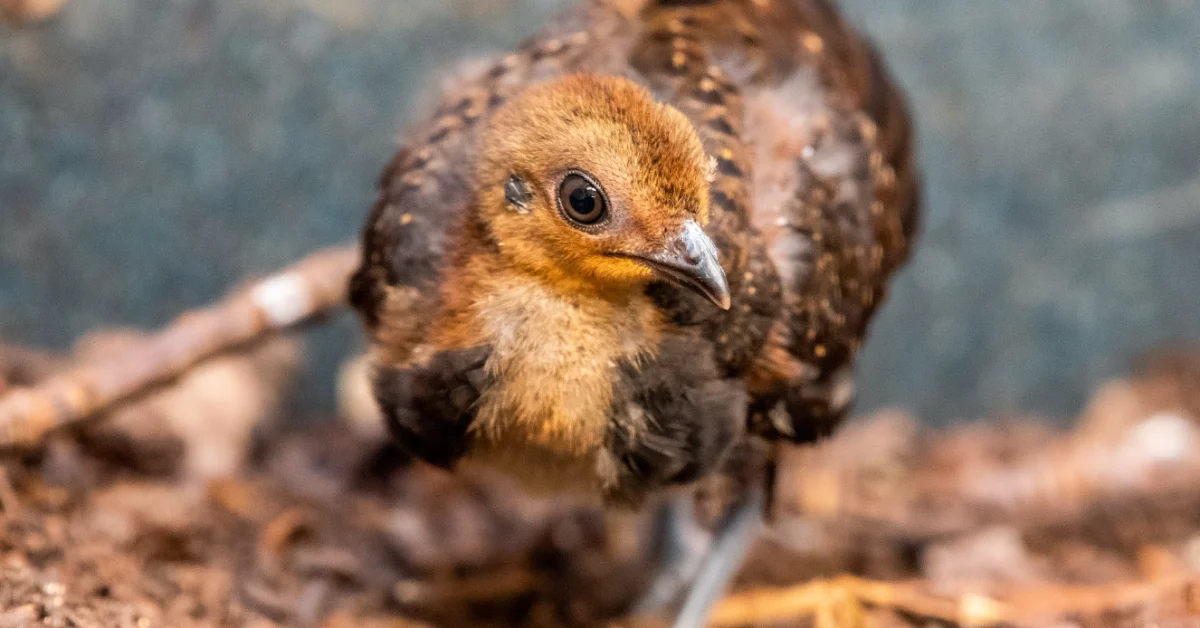
This year, only one zoo in Europe successfully hatched an endangered species known as the Malay peacock-pheasant: Chester Zoo.
Based in Cheshire, England, the Chester Zoo has operated as a nonprofit since 1934. It’s home to over 30,000 animals and more than 500 species, including the Malay peacock-pheasant, which is native to the lowland rainforests of Malaysia.
Today, the rare multicolored bird is endangered. For decades, their natural habitats have been cleared en masse to make way for farming plantations.
According to Andrew Owen, head of birds at Chester Zoo, their first pair of Malay peacock-pheasants arrived in October 2023, with a second pair joining in September 2024.
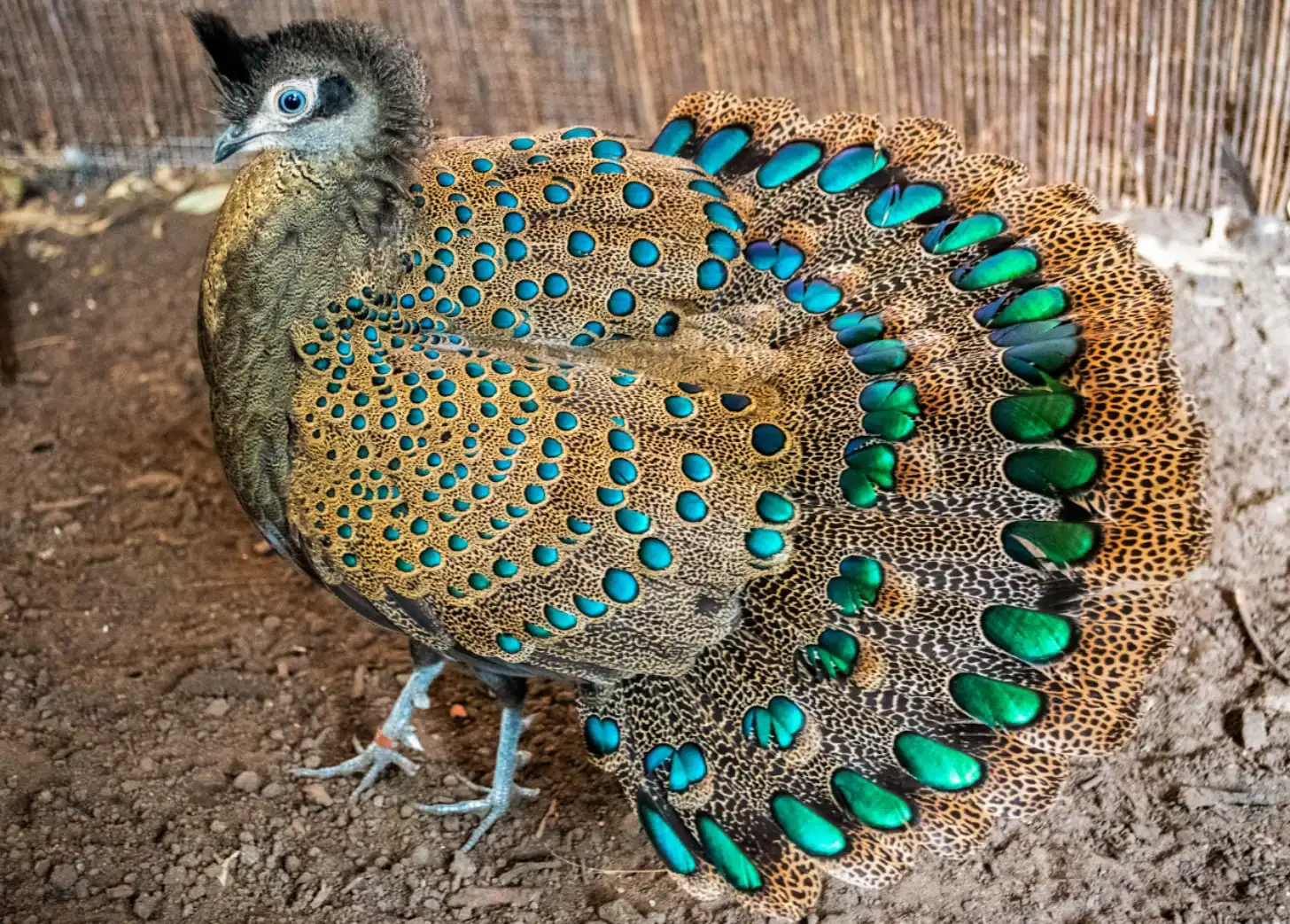
This year, one of their adult female Malay peacock-pheasants became a first-time mother. But soon after she laid her first egg, she abandoned it. The zookeepers paired her egg with a bronze-tailed peacock-pheasant, who stepped in as a “foster parent.”
“Whenever possible, we try to give our birds the opportunity to rear their own young,” Owen told Good Good Good. “It is quite normal for young, inexperienced parent birds to not get it quite right on the first attempt. Given the rarity of this species and as the first eggs laid were abandoned by the parent bird, we decided to intervene.”
Owen said it is not unusual for zookeepers to rely on non-parent animals to help rear baby birds.
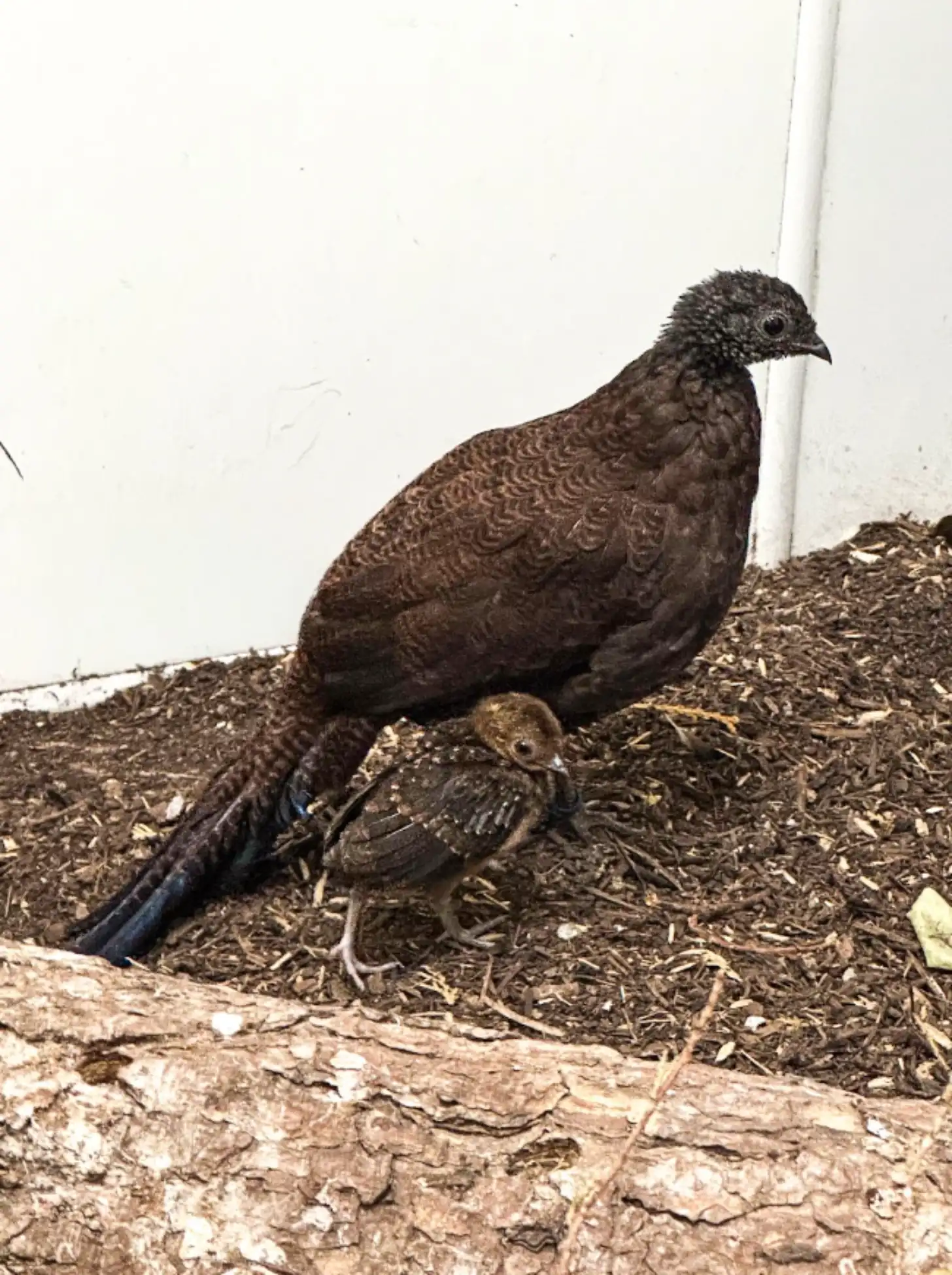
Leanne Lowton, the lead keeper of birds at Chester Zoo, said the foster “mom” they turned to was a very similar species to the natural parents.
“We didn’t want this chick to grow up not knowing how to be a pheasant,” Lowton said. “The [bronze-tailed peacock-pheasant] is a very experienced mum, and she incubated the egg perfectly.
When the Malay peacock-pheasant female laid a second egg, she successfully incubated it herself. However, shortly after the chick hatched, she left the nest early, leaving it in the cold.
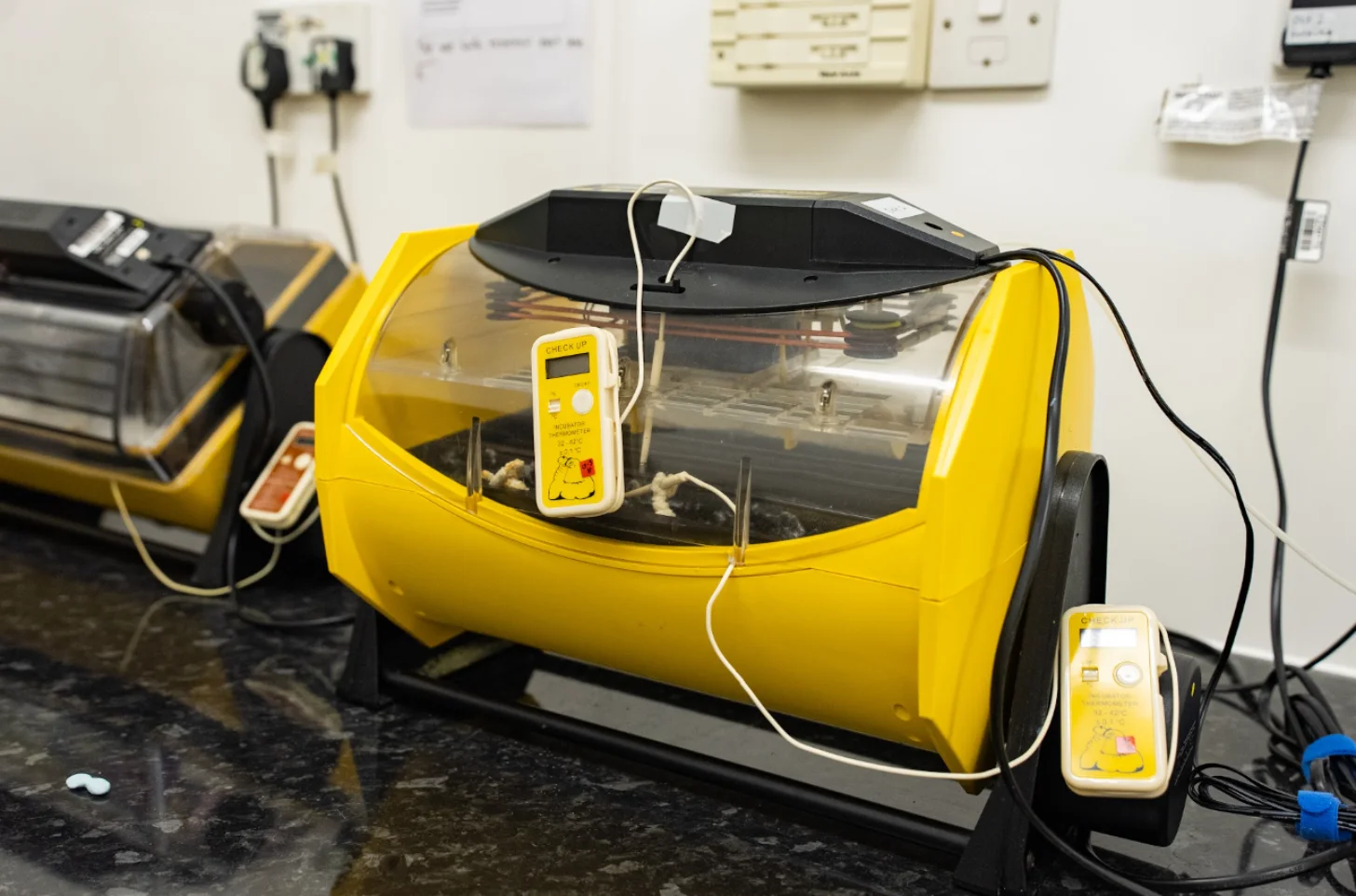
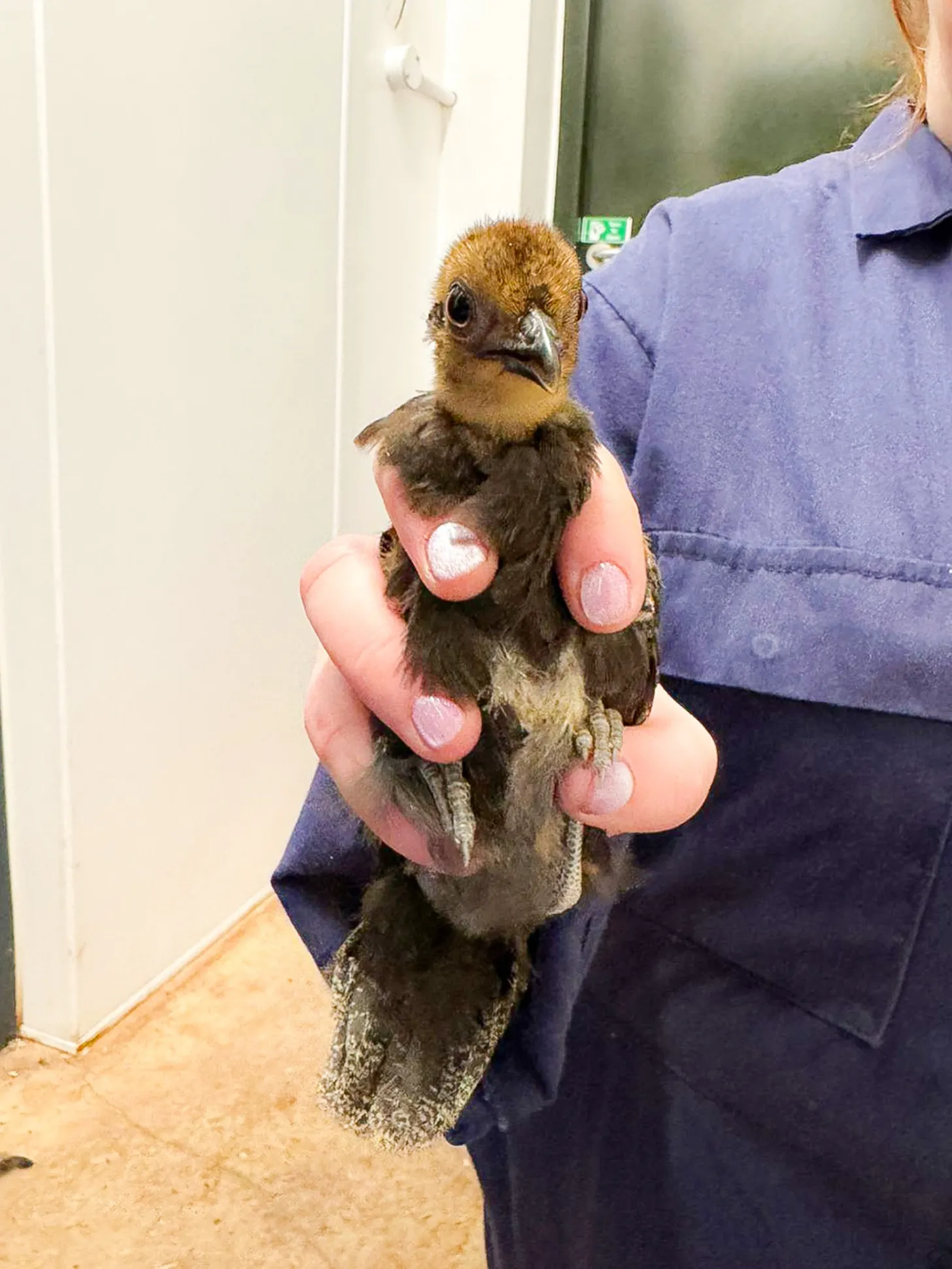
Lowton improvised a solution by turning a rubber glove into a temporary hot-water bottle to keep the baby bird alive.
“The chick was chilled, so we needed to provide warmth and energy. It was quite an intense 24 hours,” Lowton said in a press release.
“We popped the hatchling back with mum the next morning, and she immediately accepted her chick. I've never been so relieved in my life. She’s reared the baby really well ever since.”
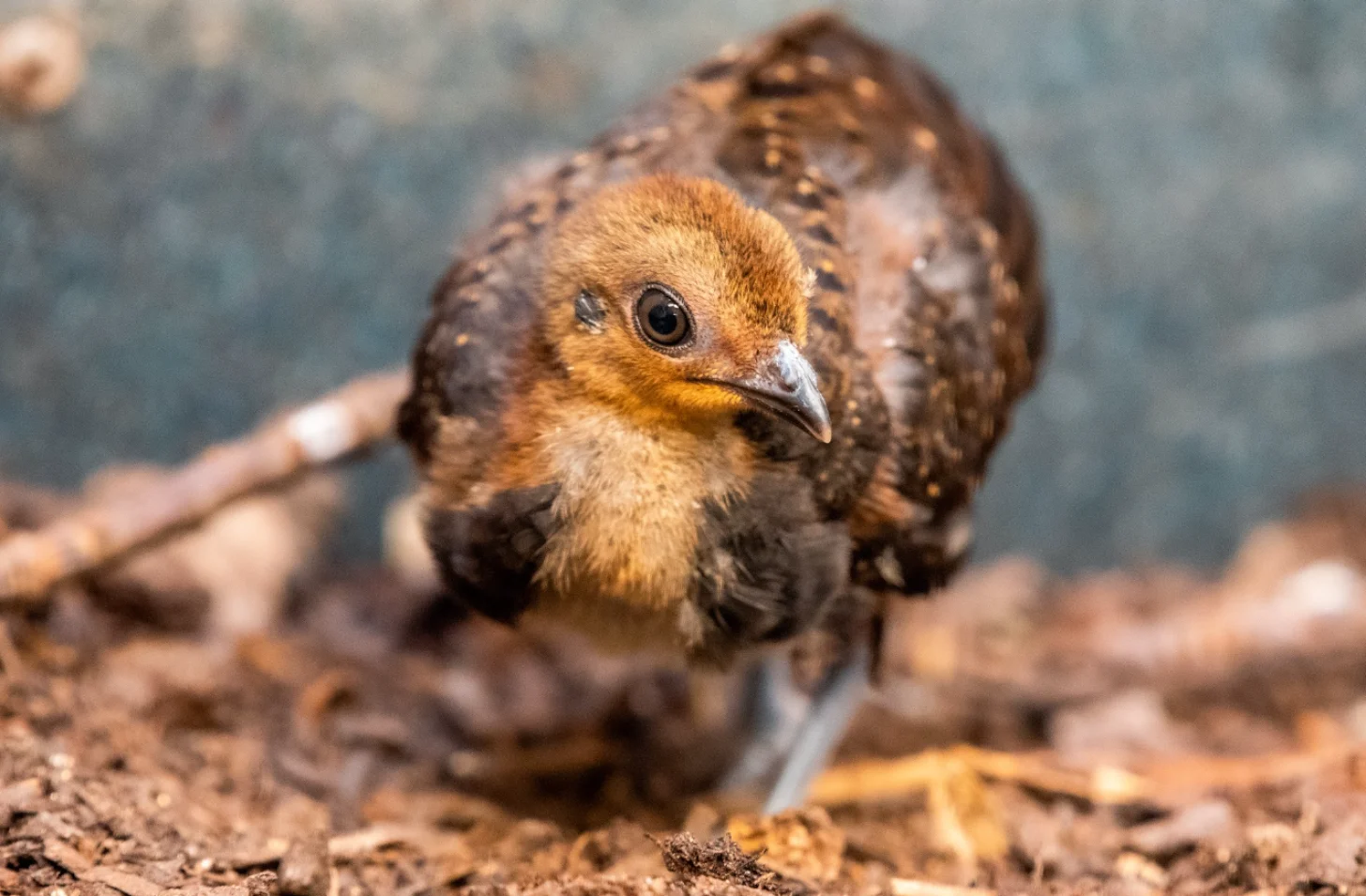
Despite the challenges the bird team faced earlier this year, Owen is optimistic about the mother’s ability to hatch more chicks down the line.
“It is hoped now that these maternal instincts have kicked in; the female Malay peacock-pheasant will go on to rear future chicks without assistance from the keepers,” he said.
More chicks means a stronger safeguard for the endangered species. According to the European Association of Zoos and Aquaria, just 15 individuals are currently being raised in captivity in European zoos.
“The young birds at Chester Zoo are important additions to the conservation breeding program developing an insurance population of this at-risk species,” Chester Zoo said in a statement.
You may also like: Rare 'microbat' discovered 400 miles from its last known location: 'The more we know, the better we can protect them'
Featured Image: Chester Zoo
Get good news in your inbox
Subscribe to receive the latest blog posts to your inbox every week.
We’ll never sell your email address. No spam, just good news. Unsubscribe anytime.


Read good news offline, too, with the Good Newspaper
For a limited time, we’re giving away the Good Newspaper for free
Why you can trust Good Good Good:
• Good Good Good is fully independent and funded by readers — with no billionaire owners or investors.
• All of our articles are researched and written by professional journalists.
• Our newsroom has a zero AI articles policy. We don’t use AI in our news stories or photos. Humans write every word.
• Good Good Good is committed to the highest newsroom standards and ethics.
→ Read Good Good Good’s Editorial Standards
Meghan Cook is a Senior Writer for Good Good Good. She is a North Carolina-based writer with one cat, a film degree, and 100 movies in her Netflix queue. She has previously written for Insider and Tilt Magazine.
Explore topics from this story: