The Chester Zoo, which has been operating as a nonprofit since 1934, is world-renowned for its breeding programs and conservation efforts.
Currently, it houses 30,000 animals and more than 500 species — many of which are endangered.
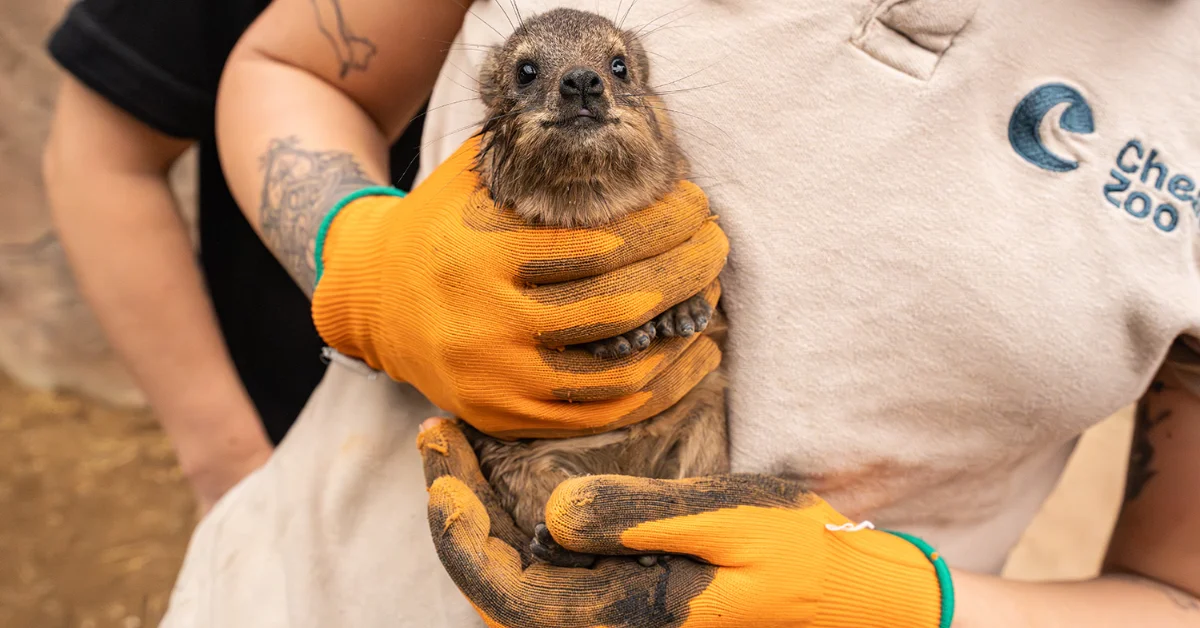
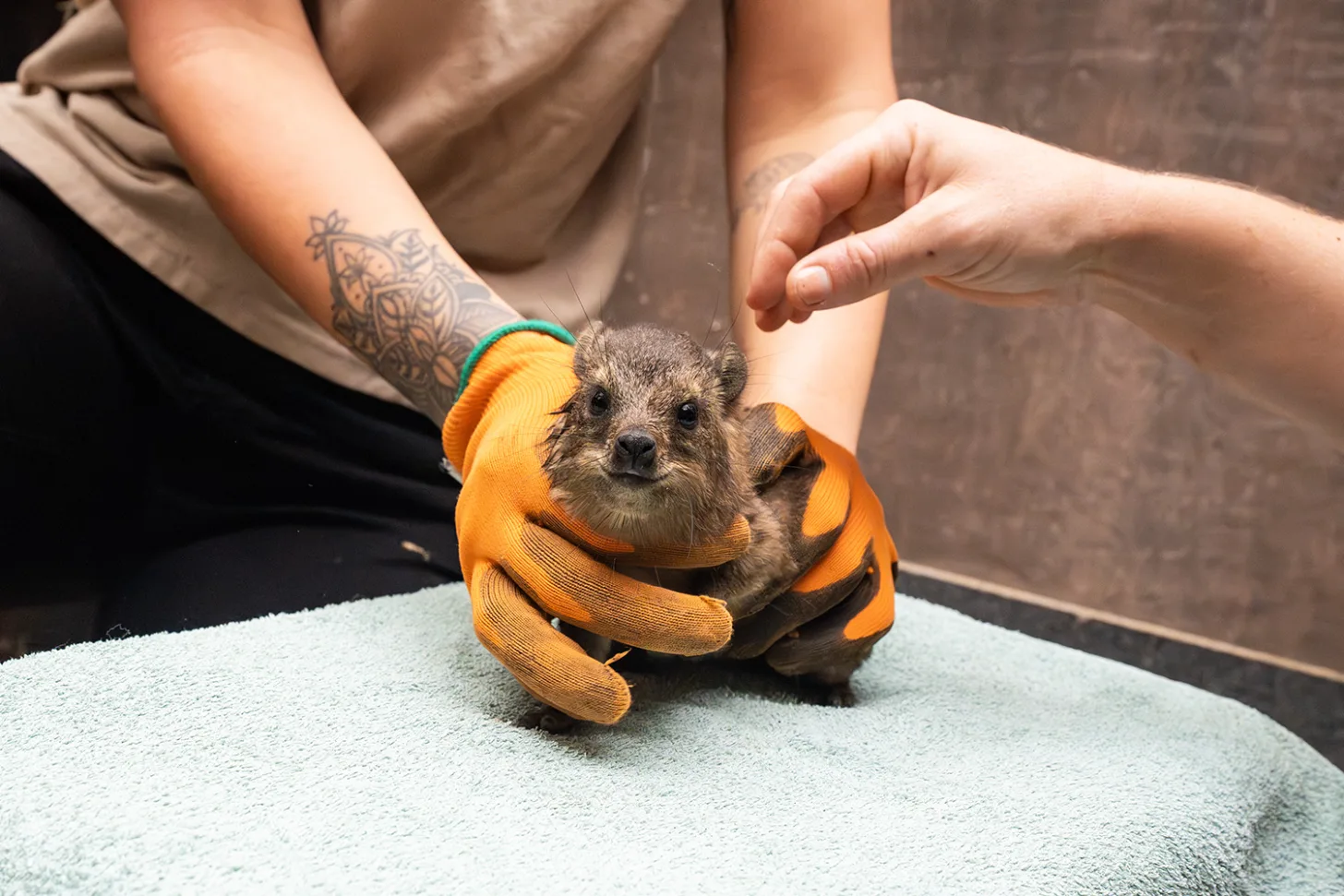
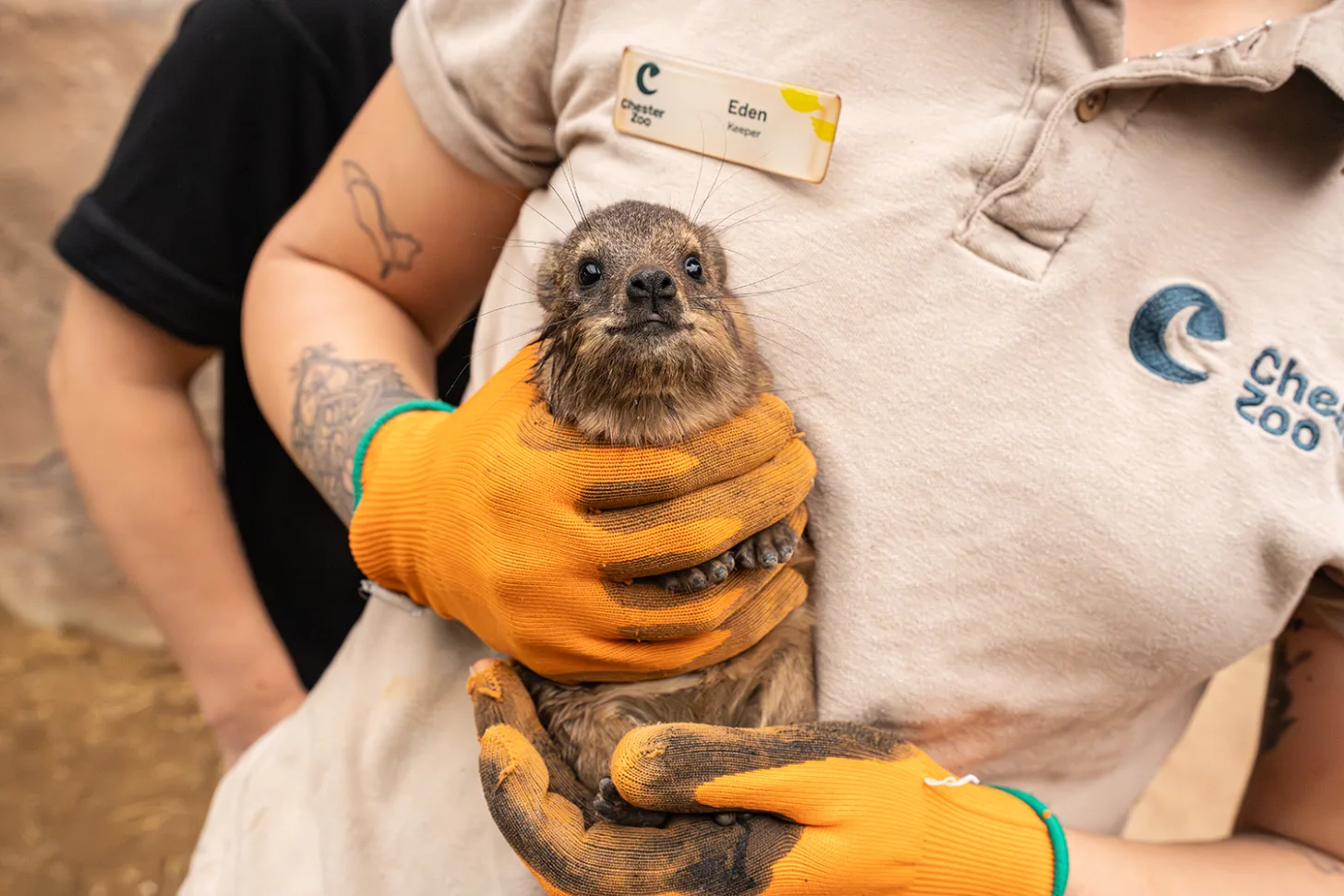
On September 9, the Chester Zoo welcomed three of its newest additions: newborn pups “Spud,” “Russ,” and “Jackie.”
The potato-named pups are rock hyraxes, also known as “rock rabbits” or “rock badgers.” Despite their nicknames, hyraxes belong to the same evolutionary group as elephants, dugongs, and manatees.
“People are always surprised when we tell them that hyraxes are closely related to elephants,” zookeeper Megan Carpenter said in a press release.
“They look completely different, but there are some clues to their unusual family history. Their long front teeth, for example, are a little bit like miniature elephant tusks, and their feet have some resemblance to elephant feet, with flattened hoof-like nails,” she explained.
“It’s incredible to look at one of these tiny pups and know that somewhere in its family tree is an elephant.”
The surprising genetic links between rock hyraxes, manatees, and elephants are not unheard of in the animal kingdom.
In 2024, Karin Akre, a research scientist with Bat Conservation International, explained the unique ties between animal relatives when she pointed out that a bat’s closest living relatives are cows, pumas, and whales.
“Evolutionary relationships are defined by which types of animals share ancestors that lived millions of years ago,” Akre stated.
“Bats, whales, pumas, cows … are all related as placental mammals. The most recent ancestor shared by all placental mammals had hair, produced milk, and gave birth to live young,” she continued. “Scientists suspect it looked like a tiny shrew and lived around the end of the Cretaceous period.”
“Over generations, offspring accumulated changes, leading to populations with differences, then to distinct species. This process repeated over and over, branching into new species and leading to today’s diverse mammals.”
All three hyrax pups were born to parents Maris and Albert in late summer. Recently, Spud, Jackie, and Russ received a clean bill of health from the zoo’s veterinary staff.
Currently, they weigh just 12 ounces, which is roughly the weight of a can of soda. Once they’re older, they’re expected to weigh up to 8 pounds.
In the wild, rock hyraxes live amongst rocky outcrops and cliffs across Africa and the Middle East. According to Carpenter, their rounded shape and russet fur coloring help them blend in with their natural habitat.
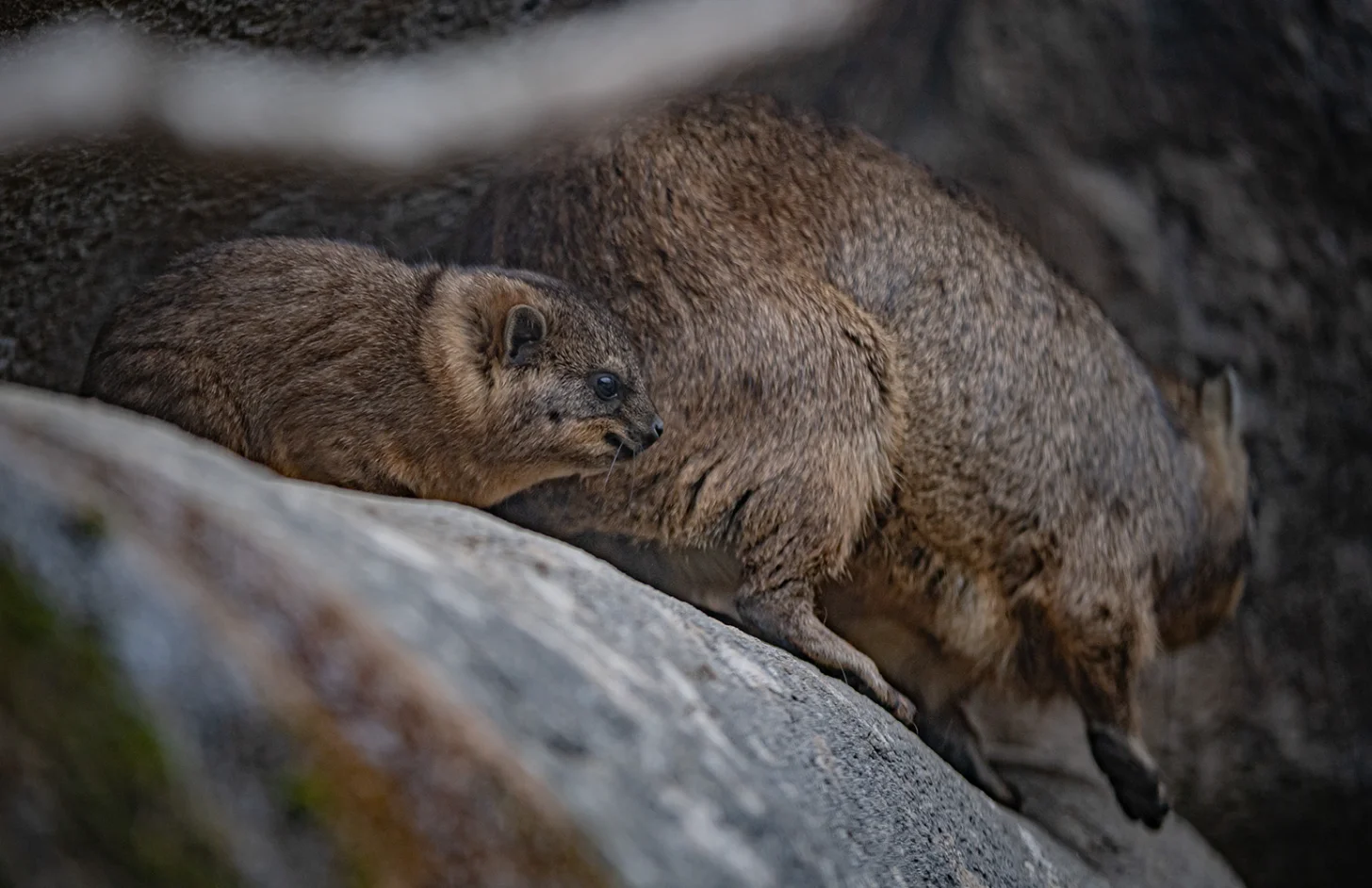
“Hyraxes are one of those species that you have to look for, but once you’ve seen them, they are fascinating to watch,” she said.
Carpenter said that zoo staff have been referring to the pups as “little chaos potatoes.”
“They are much more energetic than their parents and sometimes get the zoomies, darting about and testing their climbing and parkour skills,” she joked.
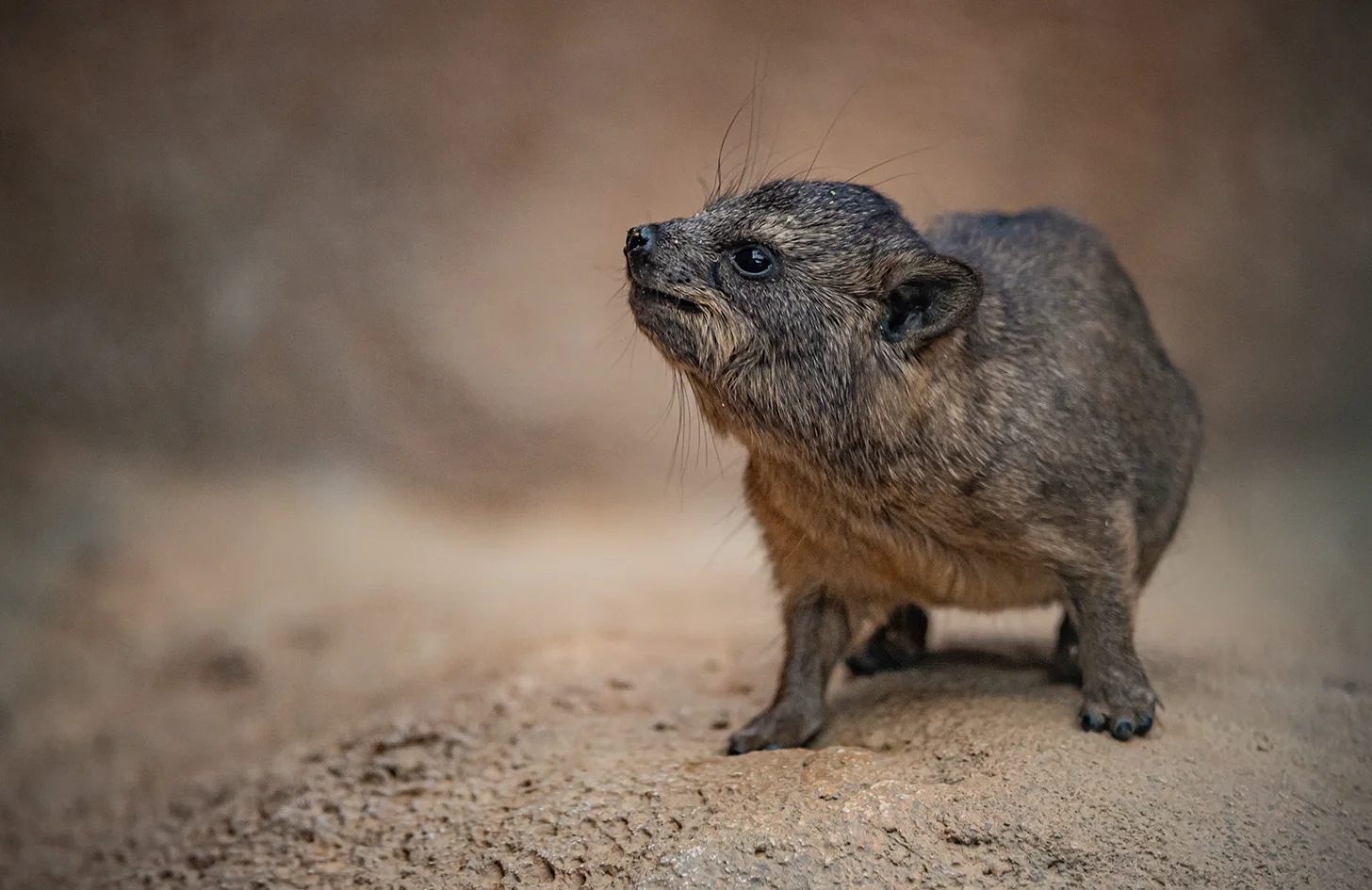
“In contrast, the adults often wedge themselves into corners and grip onto steep rock faces for hours at a time. They’re incredibly well adapted to living among rocks and are much better climbers than you might expect.”
Lyndon Howson, the Chester Zoo’s assistant team manager in visitor engagement, said the surprising connection between hyraxes and elephants is “a brilliant example of how misleading appearances can be when it comes to evolution.”
“It’s incredible to think these little animals are so closely related to elephants and manatees,” Howson said.
“That’s what makes species like hyraxes so interesting — they challenge what we think we know about the natural world and show just how surprising animal evolution can be.”
You may also like: Zoo welcomes baby porcupine for the first time in 121 years. It has its own 'emotional support log'
Featured Image: Chester Zoo