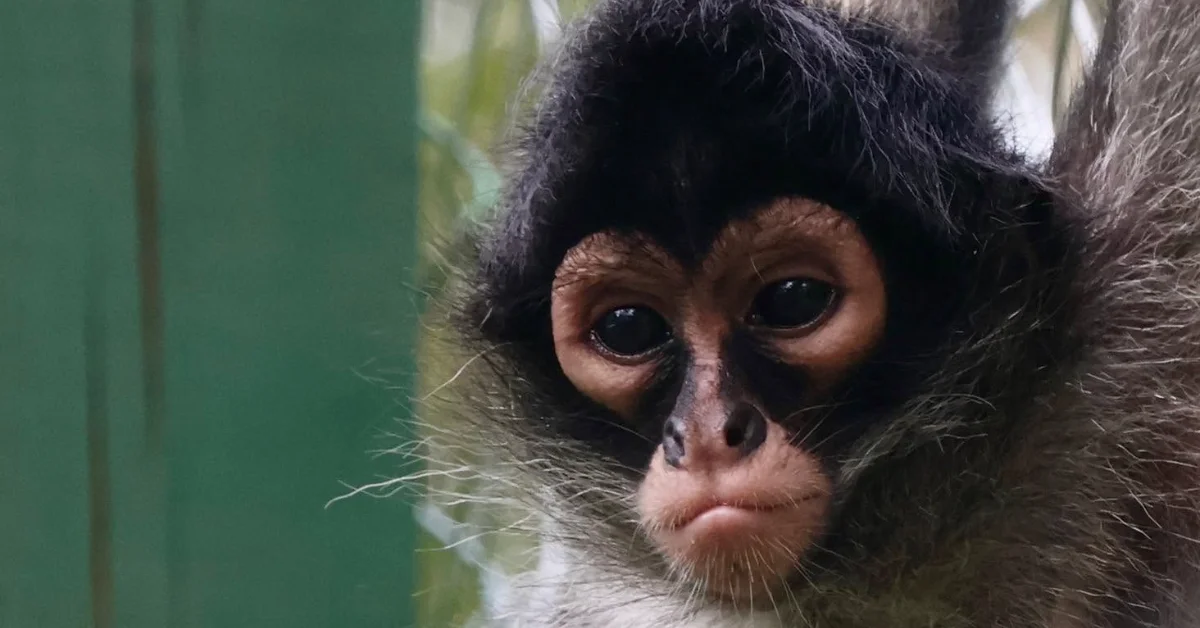
In the outdoor section of April Stewart’s rural southeast Mississippi property sits a large enclosure full of 22 rescued monkeys.
This is the Gulf Coast Primate Sanctuary.
Opened in October of 2024 by Stewart and her husband, both military veterans, the 15-acre property takes in primates that were mostly once part of the illegal pet trade: Spider monkeys, squirrel monkeys, kinkajous, and more.
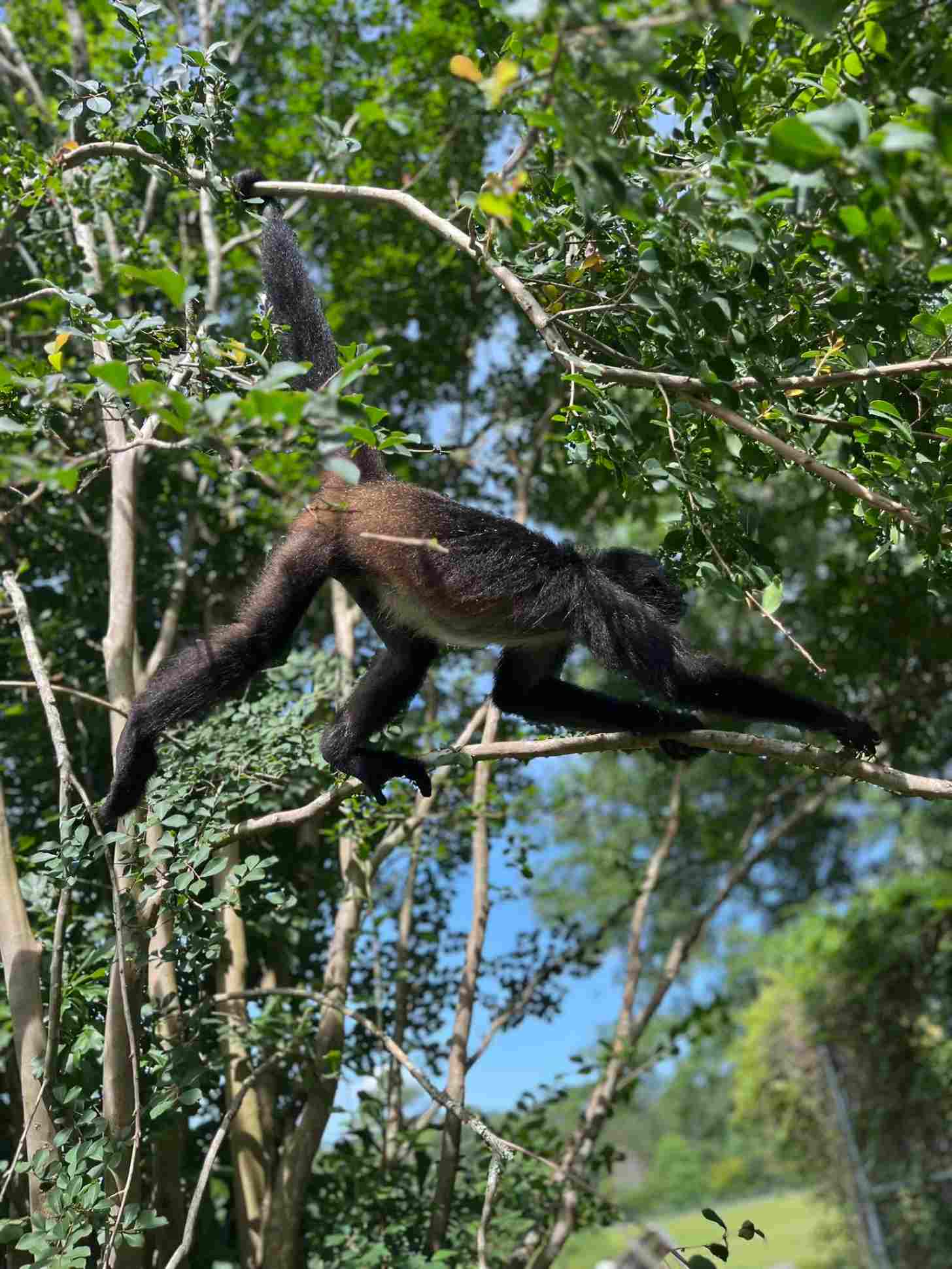
“Many of the primates who arrive at our sanctuary have endured instability: Ex-pets, individuals from the entertainment industry, zoos, laboratories, breeding facilities, or monkeys confiscated by authorities,” the sanctuary’s website reads.
“They come to us with different background stories. Some have [a] history of trauma and need to rebuild trust. They cannot return to the wild. They deserve safety, dignity, and lifelong protection.”
Stewart works with a specialized team of primate-focused veterinarians, experienced caregivers, and trained volunteers, all in accordance with U.S. Department of Agriculture regulations and the Animal Welfare Act, according to the organization’s website.
She’ll host educational tours for the general public, but the biggest crowd she caters to is other veterans, especially those navigating PTSD.
“Through our Unplugged program, we extend our mission to veterans and first responders navigating PTSD and stress-related challenges,” the website reads.
“In a structured, supervised, USDA-compliant environment, participants assist with sanctuary operations and learn the same principles that help our primates recover: Consistency, patience, boundaries, and earned trust.”
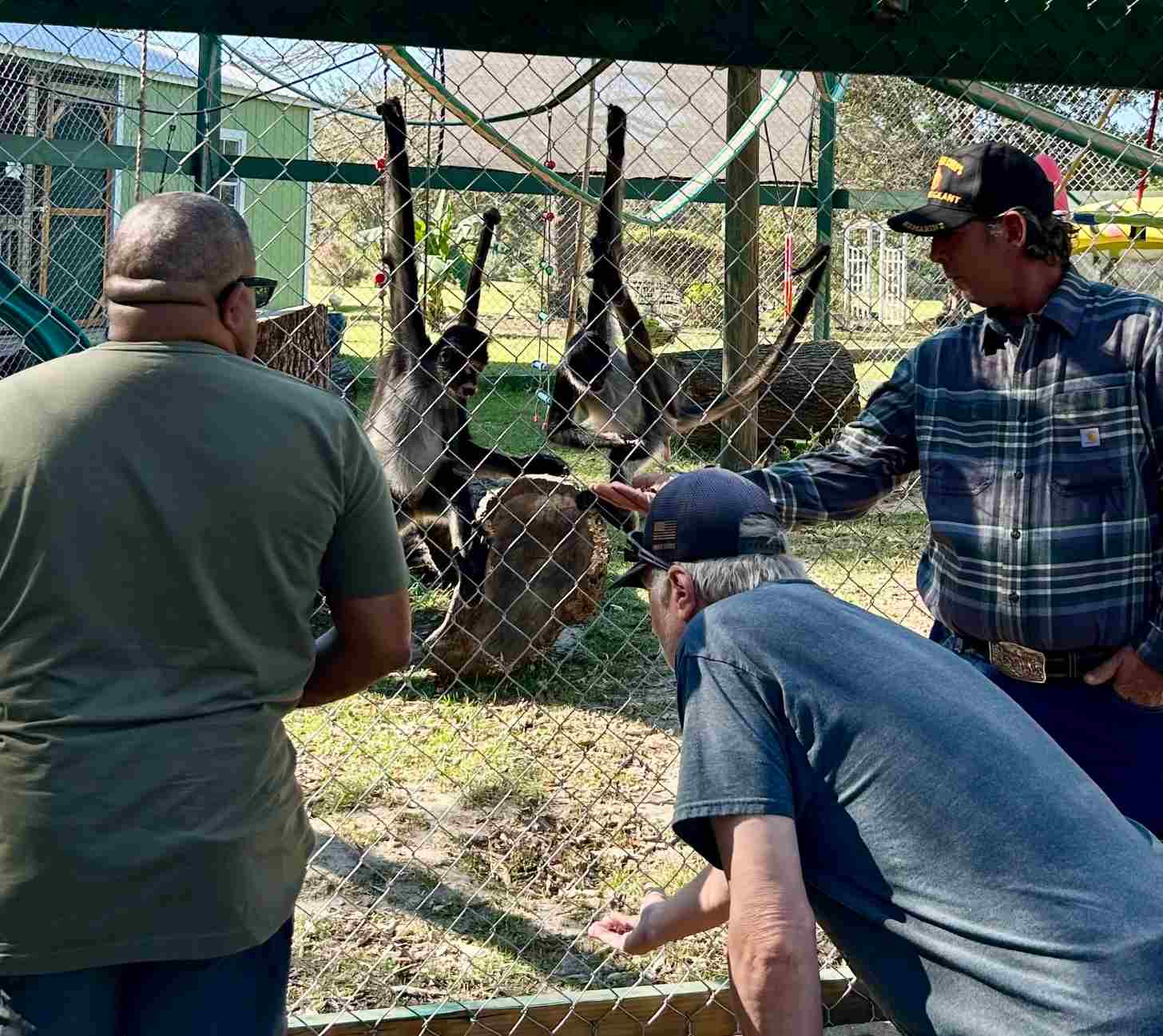
It all stemmed from Stewart’s own connection to animals, one that helped her manage her own PTSD.
“It was destroying my life. It was like a cancer,” she told the Associated Press last year. “It was a trauma that was never properly healed.”
“By helping the primates learn to trust, we’re also re-teaching ourselves how to trust, and we’re giving ourselves grace with people,” she added.
By bringing the monkeys into a social environment with other primates — and doing the same for veterans in similar situations — Gulf Coast Primate Sanctuary gives both populations the space to heal.
“Most of our monkeys are former exotic pets who were heavily human-bonded and later surrendered when owners could no longer provide appropriate care. Many struggle with anxiety, hyper-vigilance, insecurity, and difficulty forming stable bonds,” the sanctuary’s website reads.
“Our primates need safety, structure, and steady human interaction within appropriate boundaries. So do many who have served.”
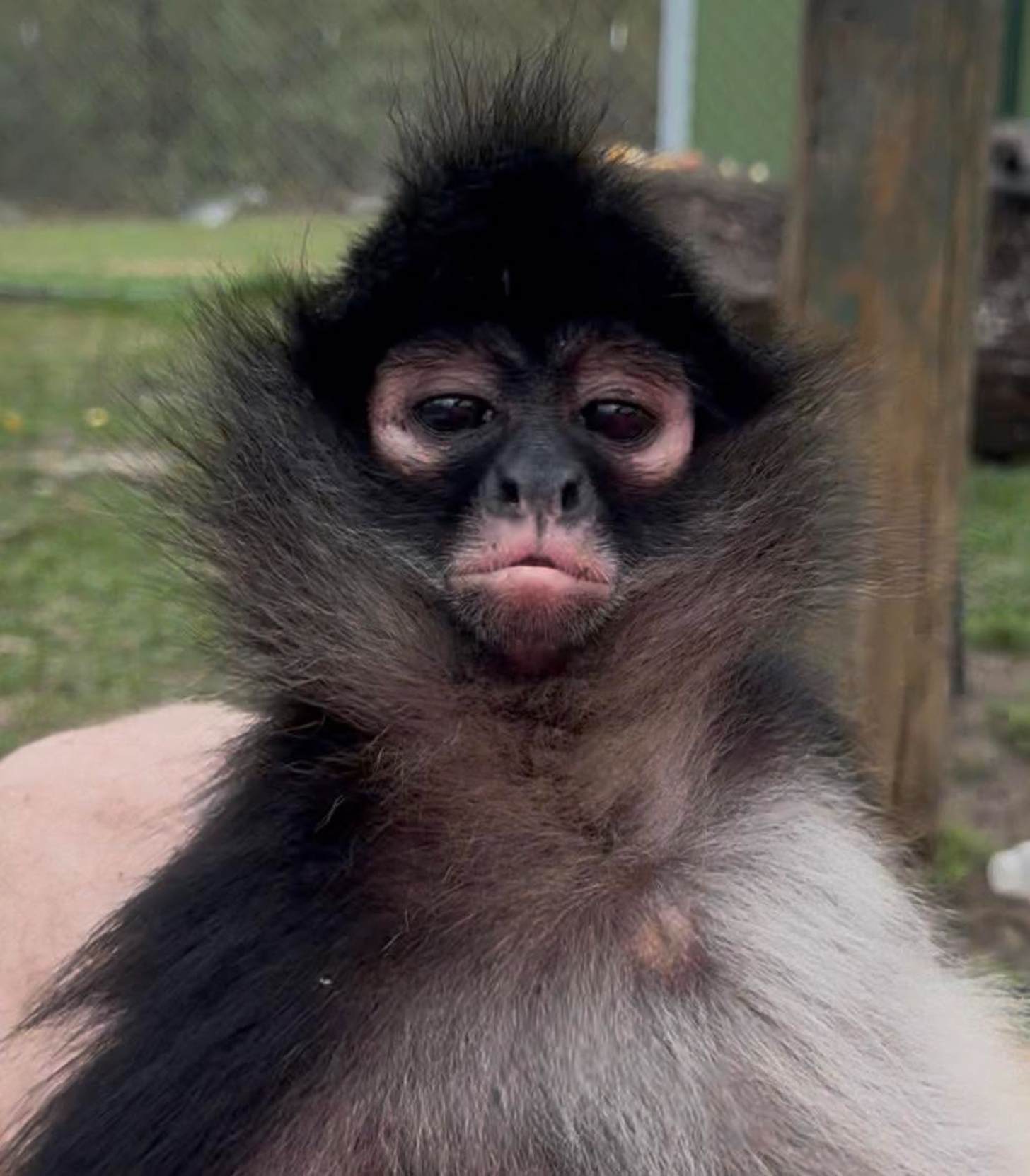
For John Richard, a veteran who has volunteered with Stewart since the start of the sanctuary, holding a chittering monkey named Louie has provided a peace he never knew before.
“Being out here has brought a lot of faith back to me,” Richard told AP. “There’s no feeling like it.”
The Unplugged program is not meant to replace professional treatment for PTSD or other related mental health conditions; rather, it is designed to “complement” people already in the care of licensed mental health professionals, the organization’s website reads.
For those who have monkeys as pets, the sanctuary outlines a process for surrendering them to the refuge.
“We’re not here to judge people. Our main goal is to help the monkeys,” Stewart recently told WLOX News. “If there’s any monkey owners out there who maybe have some questions, we’re always open to conversation.”
And for those who want to volunteer — through Unplugged or otherwise — a robust training process comes first. Then, the healing can begin.
“The Unplugged Program reflects our broader mission,” the sanctuary states. “When we help traumatized animals regain stability, we create space for people to do the same.”
You may also like: 'Wolfdog' sanctuary helps veterans with PTSD heal in 'non-traditional therapy' program
Featured Image: Gulf Coast Primate Sanctuary/Facebook