Reaching Out from Within is a nonprofit that operates in correctional facilities across Kansas, North Carolina, and Missouri. In 1982, the program was founded on a central principle: Even within prison, incarcerated men and women are still members of their community.
So, this spring — when inmates at Norton Correctional Facility learned that Norton public county schools were left with approximately $6,000 of unsettled school lunch account debt — they stepped up to help.
The debt accumulated from breakfast and lunch meals served to children whose families faced food insecurity and were unable to reconcile their child’s school lunch account.
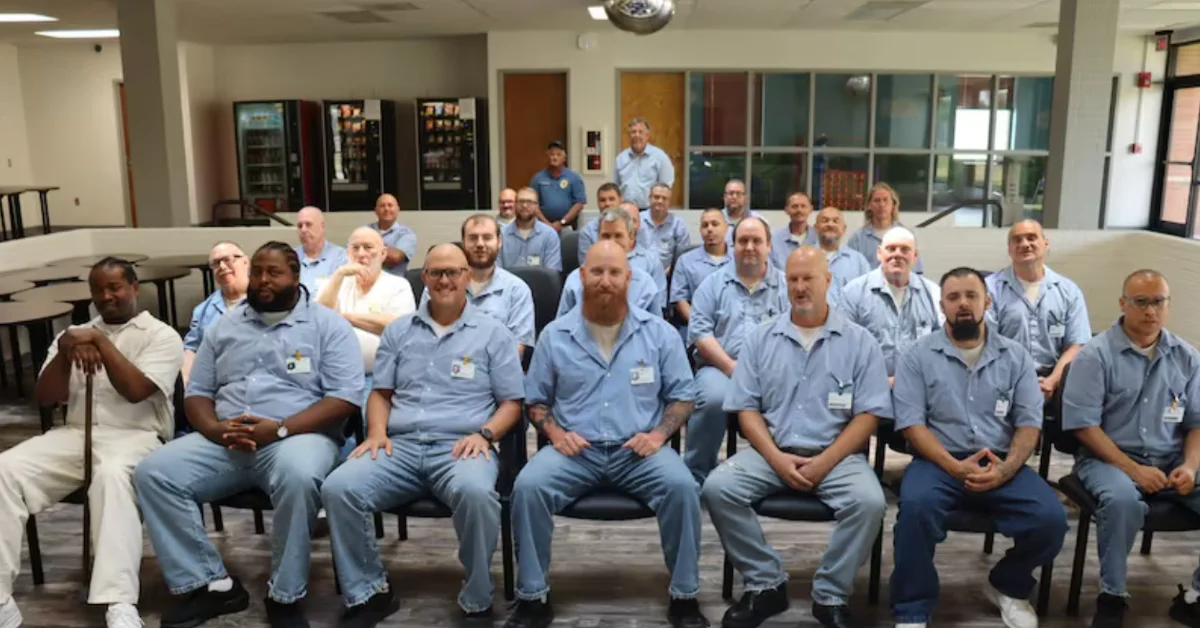
Within their facility, the inmates organized a fundraiser through ROFW with the intention of paying off the $6,000 tab.
During the fundraising period, residents donated $3,810 of their personal funds to the ROFW USD 211 School Lunch Account fundraiser.
To get them past the $4,000 mark, staff members from the Kansas Department of Corrections also pitched in an additional $457.
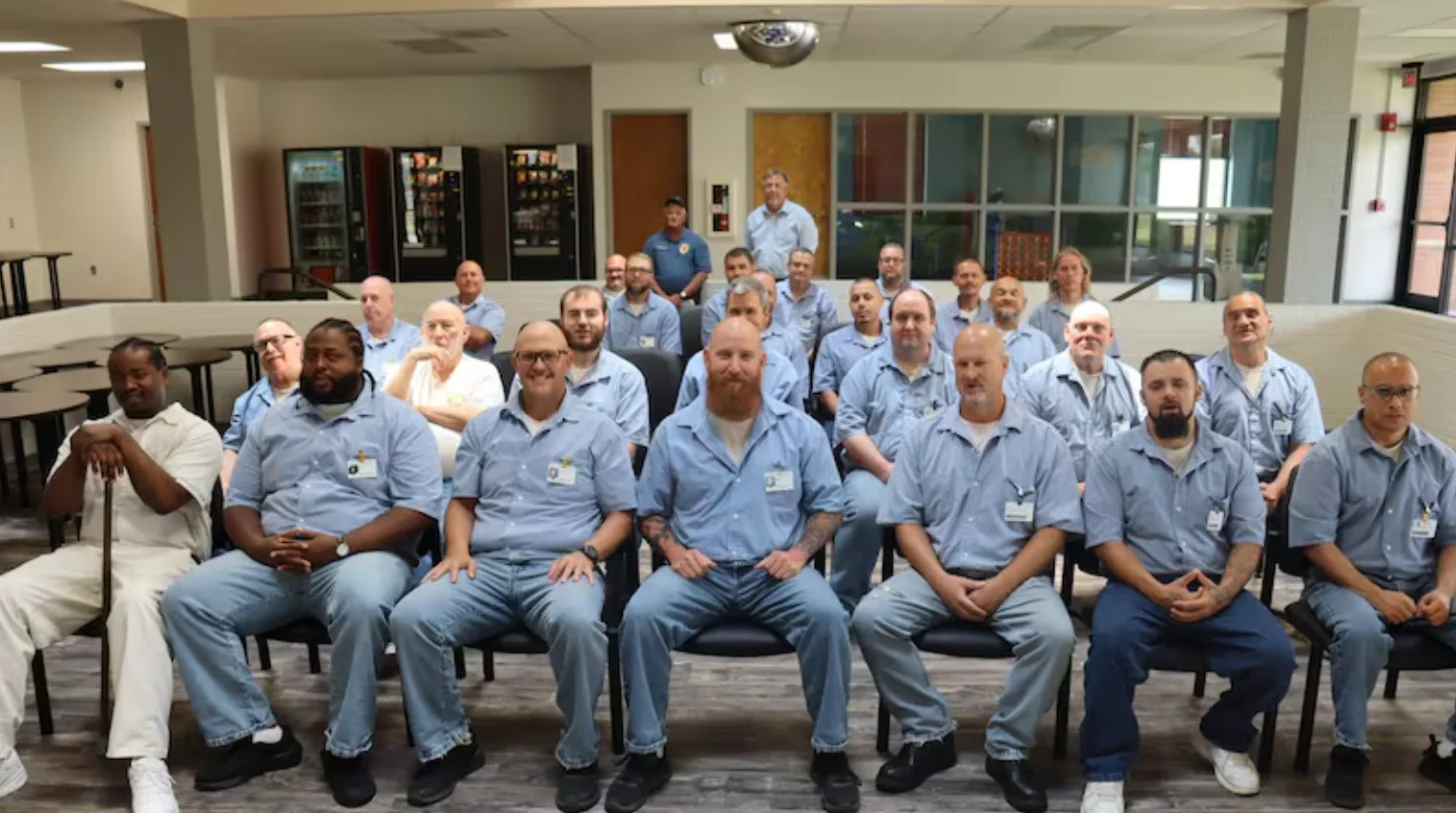
On August 3, nearly 30 incarcerated men gathered to present Corey Roy, the USD 211 Superintendent of Schools, with a final total of $4,267.
The outreach successfully covered about 71% of the district’s remaining debt.
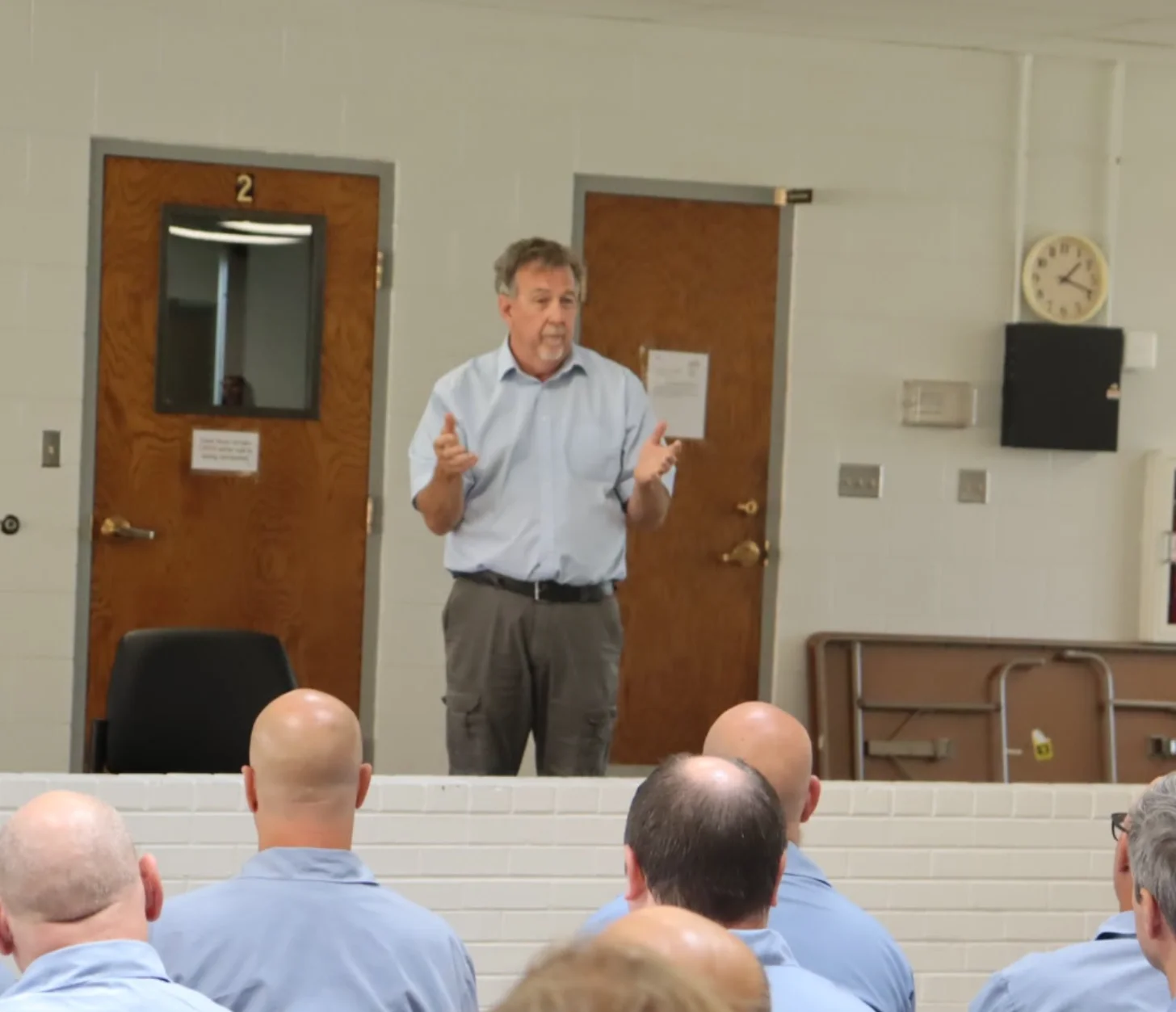
“I was moved at how the men I spoke with wanted to make a positive impact to help others in the community,” Roy said in a statement. “I think it gave them a sense of purpose and knowledge that they made a difference for a young person they don’t even know.”
After the ceremony, many inmates who donated told Roy that they had often gone hungry growing up, and the lack of support negatively impacted their studies.
Over 1.5 million children in the United States lost access to Supplemental Nutrition Assistance Program, or SNAP, benefits following the passage of the One Big Beautiful Bill Act in July 2025.
Twice now, in 2023 and 2025, U.S. Senator John Fetterman has introduced bills that would have directed the U.S. Department of Agriculture to erase all household school meal debt using Commodity Credit Corporation funds.
To date, Congress has failed to pass any legislation to pay off or eliminate nationwide school lunch debt.
Although USD 211 — the Norton, Kansas public school district — allows lunch accounts to go negative and continues serving hot meals to children, other school districts across the country have served lower-quality “alternative meals” or engaged in “lunch shaming” practices.
“Specific examples of lunch shaming include hand stamps, stickers, or other visual markers to identify children with lunch debt,” The Education Data Initiative states on its website. “Notes sent home with the child and withheld meals may also indicate lunch debt to peers. The USDA recommends more discrete reminders, such as phone calls to parents, emails, or letters sent via post.”
According to the Education Data Initiative, school meal debt in grades K-12 grew to an estimated $271.6 million in 2025.
“When funding and programs are cut at the end of our state and federal funding cycle, participation will decrease, and meal debt will increase,” Amanda Kinnaird, a food and nutrition professional with Washington’s North Thurston Public Schools, told the National Education Association.
“Research shows that students who come to school hungry lack concentration, which impacts their ability to learn,” Kinnaird continued. “Also, food insecurity can lead to students being socially withdrawn. They will be embarrassed to admit they are hungry, and don’t want to ask for food, which clearly has a direct impact on their emotional well-being.”
On August 3, Roy said he appreciated hearing personal stories from the inmates behind the school lunch debt fundraiser.
“I was very appreciative to have the chance to talk to them as a group, but also individually to hear how this made them feel to help someone else,” Roy said.
“I wanted them to know that they made a difference in a positive way. In listening to them, I believe this gave them a chance to reflect and know that moving forward they can make choices that are positive for themselves and others in the community.”
Roy said, “I felt very good about the opportunity to meet with the residents and try to reinforce what the prison staff are doing to help them be directed in the right direction as they move forward in their lives.”
You may also like: A UK prison offers carpentry classes. The inmates used their new skills to make 'hedgehog boxes'
Featured Image: Norton Correctional Facility