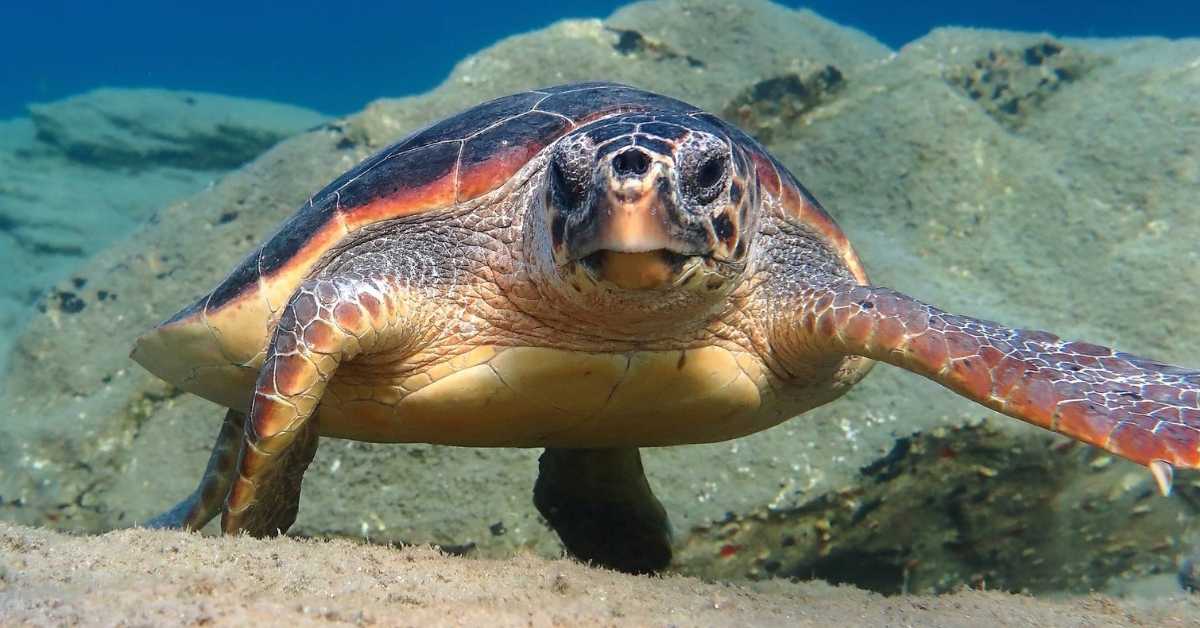
- A new study finds an 80-fold increase in the population of loggerhead turtles nesting at three beaches in Boa Vista, Cabo Verde’s third-largest island, over 27 years.
- Globally, the loggerhead population has decreased by 47% over the past three generations, a decline largely attributed to anthropogenic pressures such as habitat loss, marine pollution, fishing bycatch, poaching, and multiple climate change-driven impacts.
- The authors of this first-of-its-kind study of Cabo Verde’s nesting loggerheads attribute the remarkable local recovery to decades-long conservation efforts.
In 2018, night patrol teams on Boa Vista, the third-largest island in the Cabo Verde archipelago, started noticing a change along the beaches: The loggerhead turtles were arriving in significantly larger numbers than usual.
In previous years, each team, comprised of staff and volunteers from local conservation NGO Cabo Verde Natura 2000 (CVN2), encountered between five and 10 female turtles (Caretta caretta) a night. But now, the teams were each recording between 20 and 30 females a night. By 2021, that number had grown to between 30 and 40.
A recent study published in Biological Conservation confirms the upward trend: An 80-fold increase in the population of loggerheads nesting at three of Boa Vista’s beaches over 27 years, from 1998 to 2024.
The authors of this first long-term study of Cabo Verde’s nesting loggerheads ascribe the remarkable trend to decades-long conservation efforts at the local and national level.
Loggerheads, which primarily inhabit temperate and subtropical regions of the Pacific, Atlantic, and Indian oceans and the Mediterranean Sea, are long-lived, slow-maturing migratory animals. With a lifespan of 80 years or more, female loggerheads take decades to reach sexual maturity.
The global loggerhead population has declined by 47% over the past three generations, according to the last IUCN Red List assessment, where it remains listed as a globally ‘vulnerable’ species. The IUCN, the global wildlife conservation authority, largely attributes this decline to anthropogenic pressures such as habitat loss, marine pollution, bycatch, poaching, and multiple climate change-driven impacts.
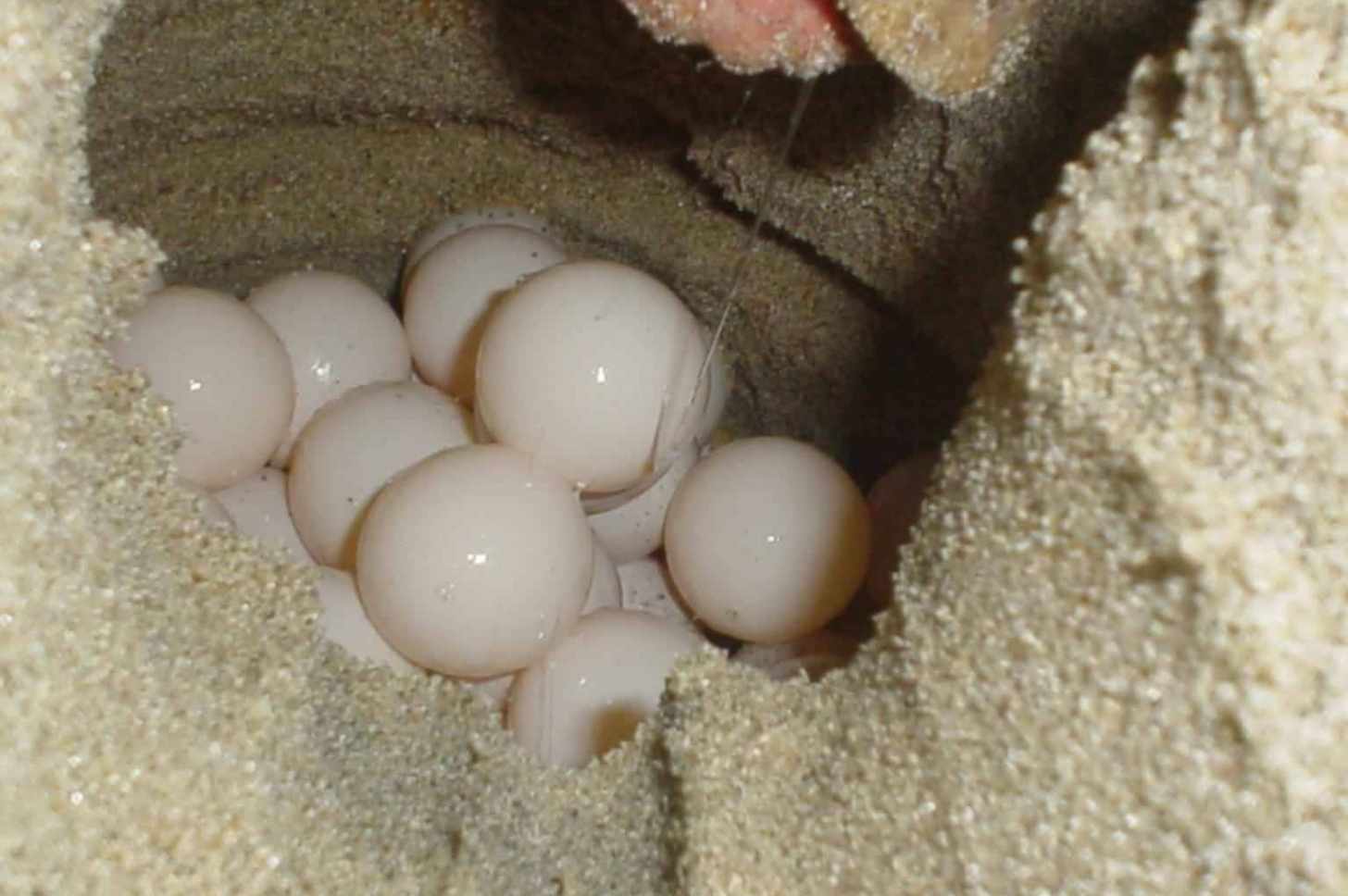
Relative to other global loggerhead nesting sites, the numbers at Boa Vista are striking.
Whereas biologists have recorded up to 600 nests per kilometer (0.62 mile) at sites in the U.S. state of Florida and in Oman (the only other sites with more than 10,000 females nesting per year), the new study found that the three largest nesting sites at Boa Vista reached a whopping 22,000 nests per kilometer in 2021.
Since Boa Vista’s loggerhead nesters were first documented in 1997, according to the paper’s authors, activities including habitat protection, anti-poaching enforcement, hatchery programs, and growing local engagement efforts like beach patrols and the rise of turtle watching have helped to protect nesting sites.
Those activities, along with careful data collection by CVN2 and other local conservation groups, are now supporting loggerhead recovery in Cabo Verde.
“This study is a good example of how long-term NGO conservation datasets can be transformed into scientific evidence that supports both local conservation and global understanding of sea turtle recovery,” study co-author Carlos Angulo-Preckler, a member of Saudi Arabia’s King Abdullah University of Science and Technology (KAUST) marine research team, told Mongabay in an email.

Counting eggs and anticipating future threats
During the nesting months starting in June, CVN2 and a team of volunteers conduct nightly patrols to locate new nests, counting every egg in each clutch before erasing the female turtle’s tracks to avoid double-counting.
By October, they return to the nests to see how many eggs have successfully hatched, adding to a data pool that has grown steadily since Spanish zoologist L.F. Lopez-Jurado founded the organization in 1998.
CVN2, staffed by 90% Cabo Verdeans, recognized that as an organization it lacked the capacity to analyze decades of nesting data. So in 2024, it approached the marine studies team from KAUST to collaborate.
According to Jeanette Wynecken, a biologist specializing in sea turtles at Florida Atlantic University who was not involved in the study, the research is significant for showing the impact of long-term conservation efforts on a loggerhead population.
“Since sea turtles are slow to age and late to mature, analysis over such a long period of time is essential to understanding the effect that conservation has on turtle populations, as turtles that were born at the start of the study only came of mating age around 2013-2014,” Wynecken told Mongabay.
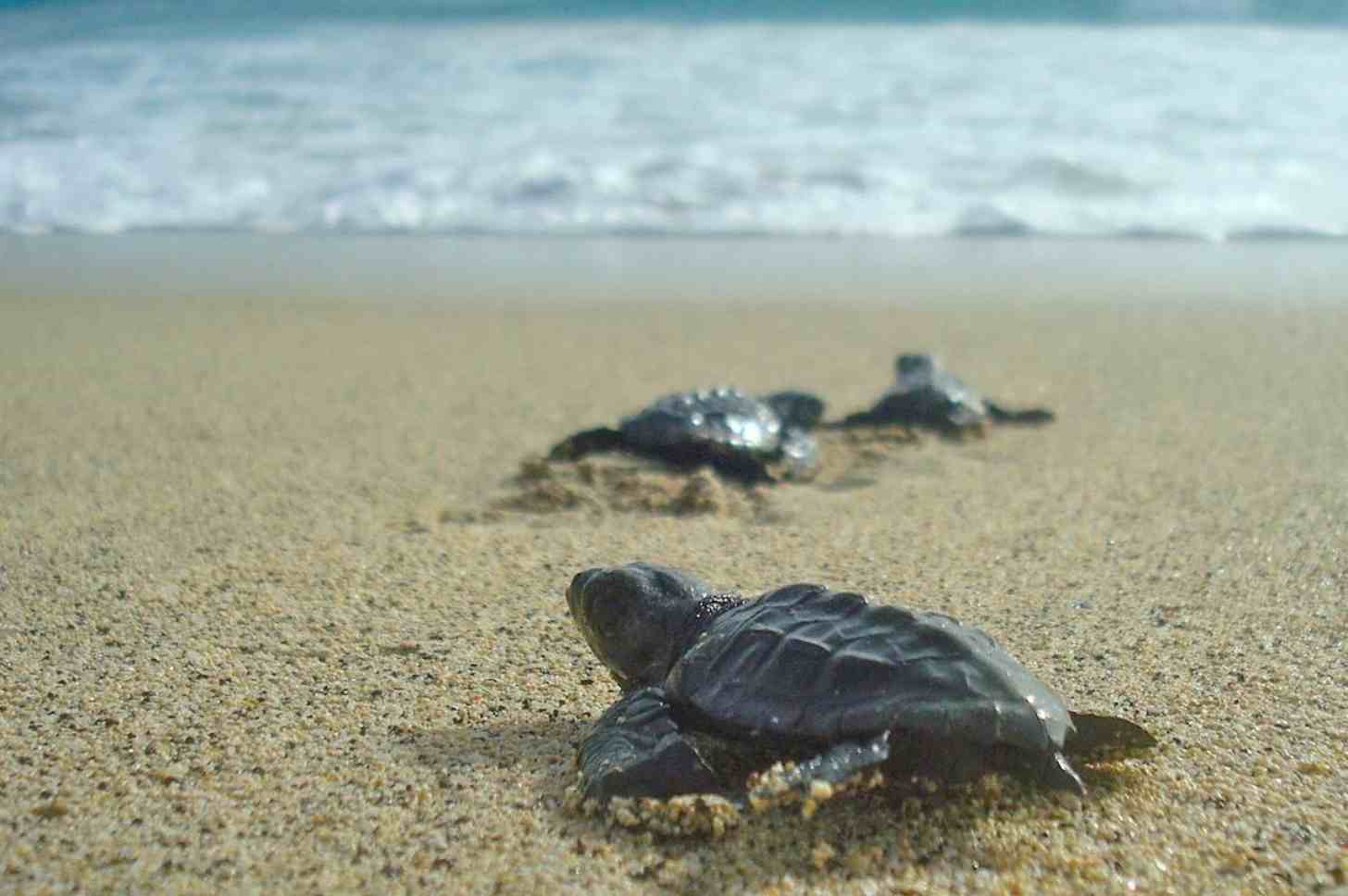
However, the study’s authors caution that Boa Vista’s loggerhead recovery also creates risk, with the high density of nests making the nesting grounds very susceptible to localized disturbances. Those disturbances can range from anthropogenic activity, such as tourism development or a resurgence of concentrated poaching, to natural hazards that alter the coastline.
In addition, nesting turtles often end up destroying other nests to secure space for their own, Ana Liria-Loza, a study co-author and president of CVN2, told Mongabay.
Wynecken, along with the study authors, expressed concern that climate-driven increases in sand temperature may also impact the long-term population growth of the loggerhead since their sex is determined by incubation temperatures, with higher temperatures producing females.
“Sea turtles have survived significant climate alterations,” lead author of the study Cassandra Roch, a KAUST researcher, told Mongabay in an email. “Therefore, consistent and continuous monitoring of their populations is crucial to identify adaptive strategies to climate change.”
This article was originally published on Mongabay.
Header Image by © Roberto Pillon via iNaturalist (CC BY-NC 4.0)