
Paola Nogales-Ascarrunz, a biologist and National Geographic Explorer, was doing field work in Bolivia in 2016 when she got a call from a local wildlife sanctuary. They told her to come take a look at “a weird cat.”
When Nogales-Ascarrunz traveled over to the Senda Verde wildlife sanctuary, she was immediately intrigued.
The cat was too small to be a housecat, and was covered in leopard-like spots. It looked up at her with a small, scrunched-up face.
“I took a hundred pictures of it,” Nogales-Ascarrunz told National Geographic. “I was so fascinated.”
At the time, the biologist assumed the unusual cat was a member of the species Leopardus tigrinus, or little spotted cats, which are native to the tropical and montane forests of Central and South America.
She never could have predicted that she was looking at the first new species of cat discovered in over 100 years.
In 2019, as she looked back on the photographs, she saw that the rosettes on the cat’s coat were far too big to match up with the spotted cat. From then on, Nogales-Ascarrunz was intent on solving the mystery.
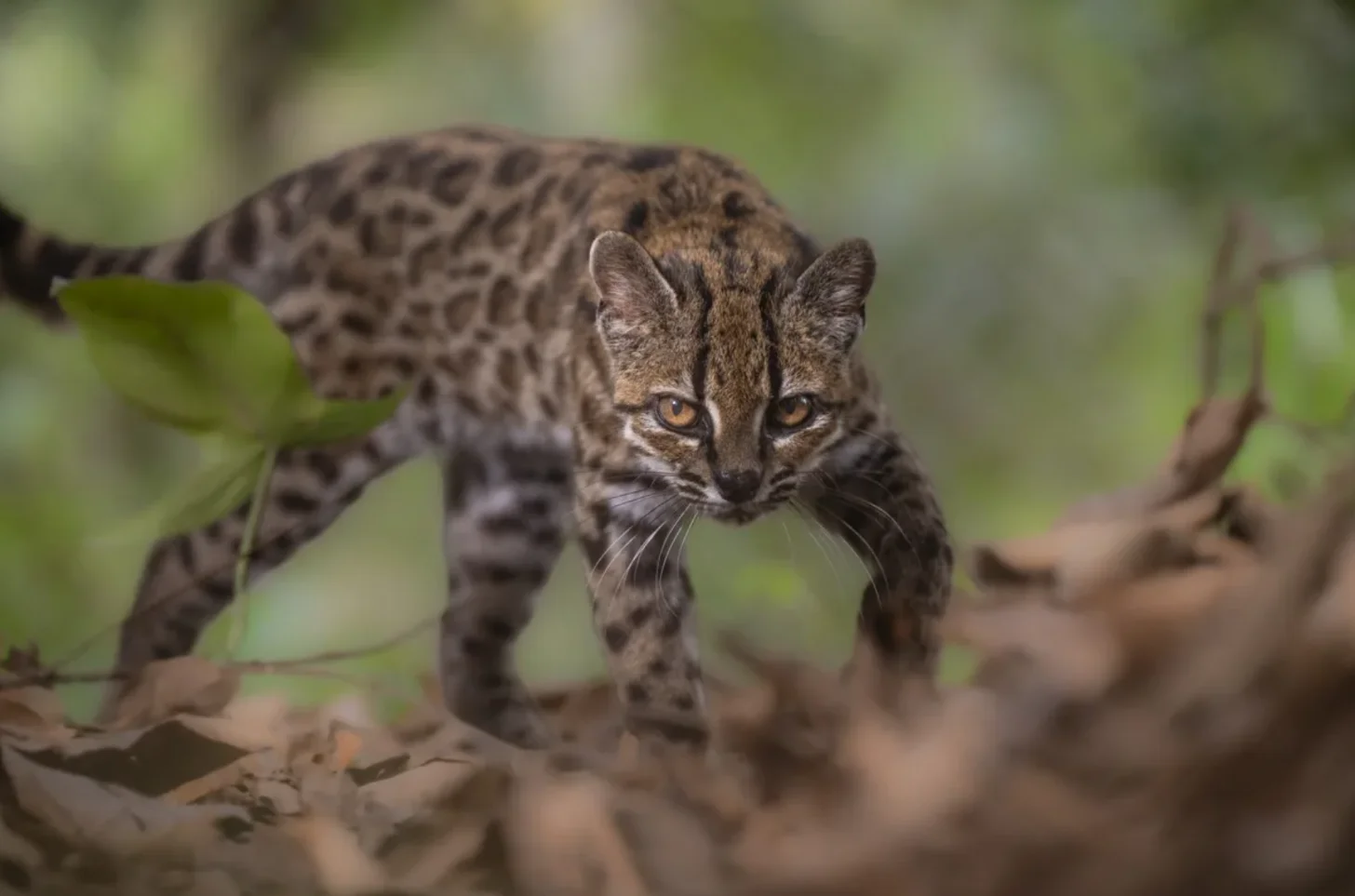
Over the years, she developed her skills in genetic analysis and worked with Eduardo Eizirik, a geneticist at Pontifical Catholic University of Rio Grande do Sul in Brazil, and study co-lead author Jonas Lescroart from the University of Antwerp.
And now, ten years after she first set eyes on the cat, she and her team have officially concluded that it is a new species unto itself.
“The evolutionary history of elusive organisms can be characterized through genomic analyses, which have the power to reveal previously unknown taxa even in groups assumed to be well studied, such as cats,” Nogales-Ascarrunz wrote in a new study, which was published on September 17 in the journal Current Biology.
In their paper, the researchers propose the cat should be known as Leopardus tilcayo, in honor of the word local people know it by.
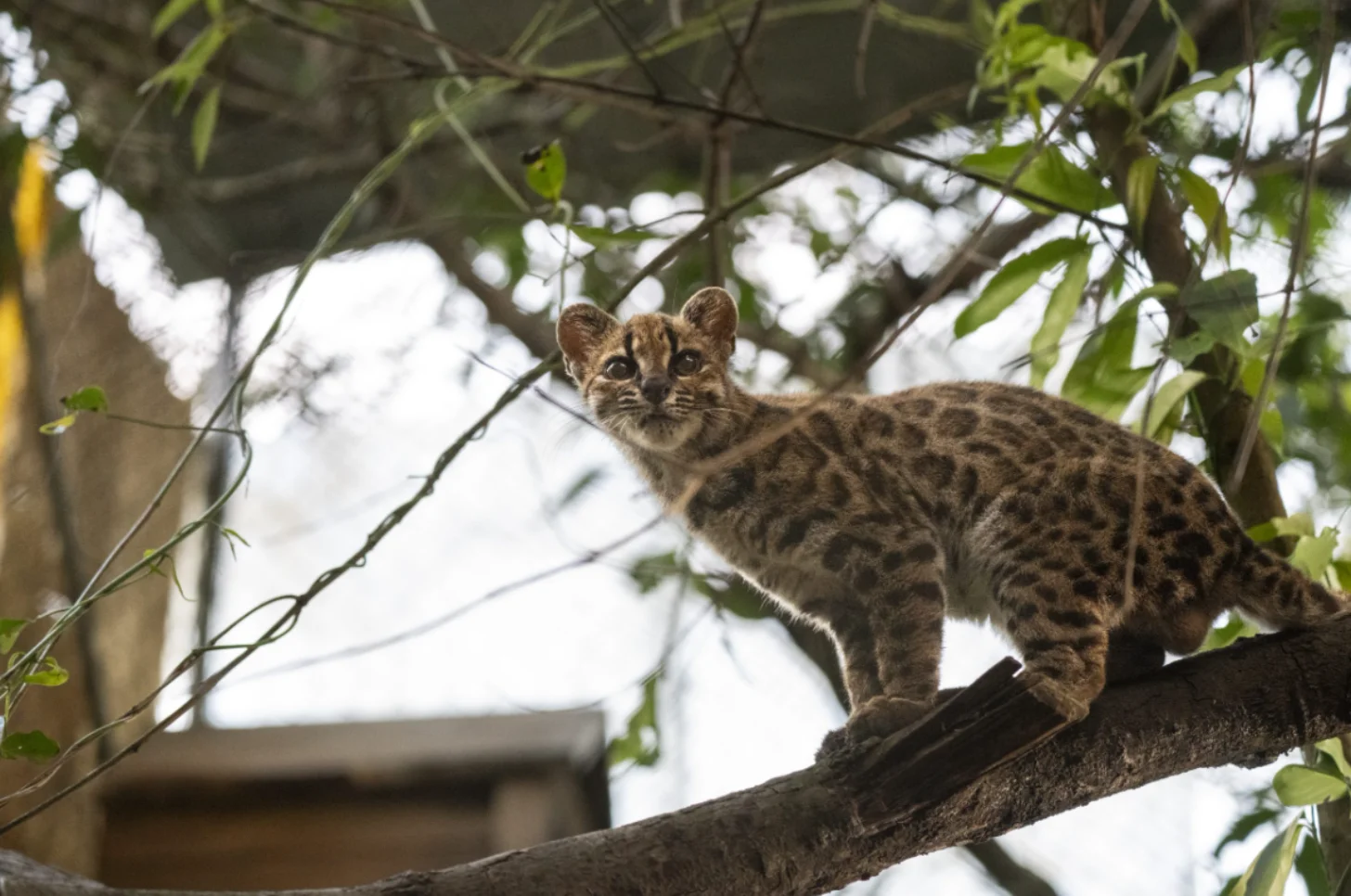
“We asked the local people, ‘Why do you call it tilcayo?’” Nogales-Ascarrunz recalled. “And they said, ‘I don’t know! My grandpa called it tilcayo, so I call it tilcayo.”
According to Nogales-Ascarrunz, who herself is from Bolivia, the name does not appear to mean anything particular in Spanish or the Quechua language.
“We chose to name the [newly described] species ‘Tilcayo’ – the name local communities use to describe the cat,” the biologist told BBC Discover Wildlife. “It’s our way of honoring their ancestral knowledge and connection to this animal.”
By analyzing complete genomes from 38 individuals representing the Leopardus genus, the researchers found that L. tilcayo is genetically distinct from other tiger cat species.
They also determined that it split from these relatives about 1.4 million years ago, a divergence roughly comparable to the evolutionary gap between modern lions and the now-extinct cave lions.
“Describing a new cat species after more than 100 years shows how much we still have to learn about the biodiversity around us,” Nogales-Ascarrunz said. “But it also reminds us that we need to protect the Yungas forests, which are home to so many species — including some we are only beginning to understand.”
You may also like: Scientists discovered thousands of new species in 2025. See 9 that wowed them, from the 'curiously isolated' butterfly to the screaming pika
Featured Image: PsamatheM (CC BY-SA 4.0)