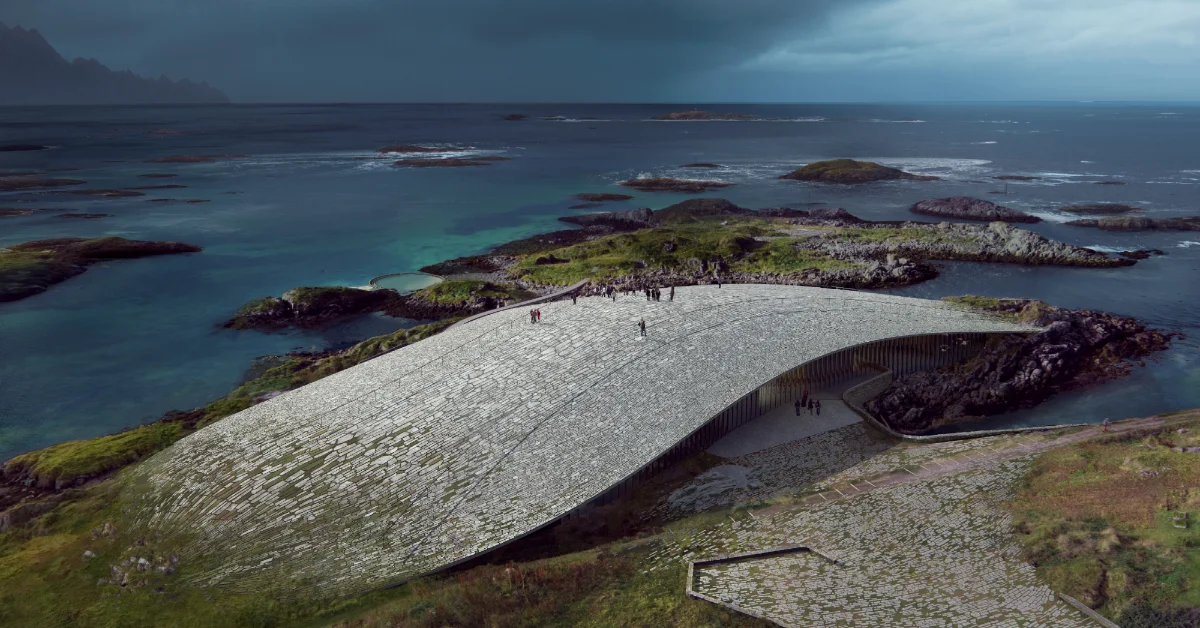
Set to open on June 4, 2027, The Whale is a new museum in Norway dedicated to exploring the “science, behavior, evolution, and cultural history of whales.”
Using immersive art, storytelling, sound, and architectural features, The Whale will be unlike any other museum experience before — mostly because it will feel like guests are visiting the actual interior of a massive whale.
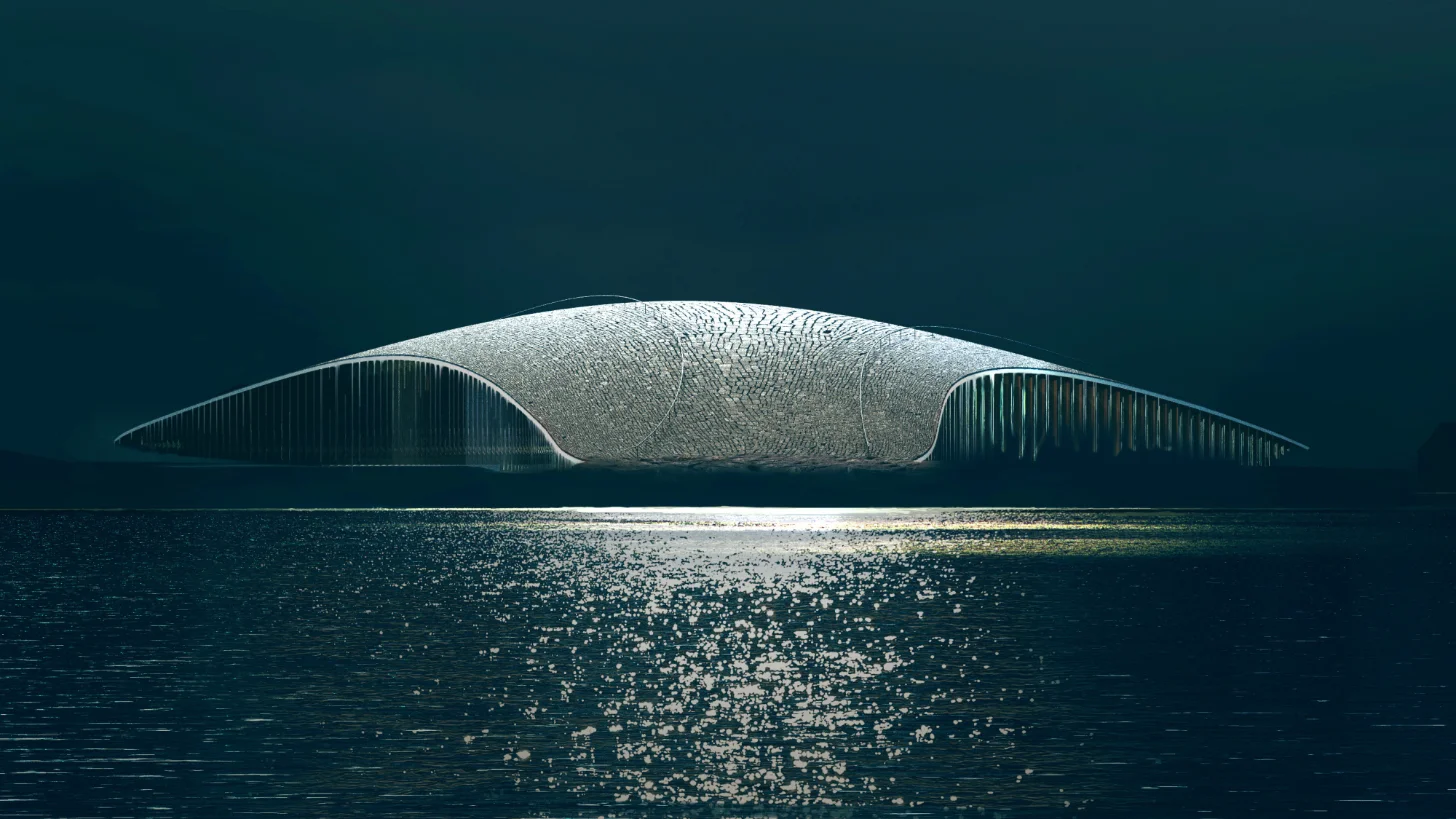
The building is still under construction in Andenes, a village on the northern tip of the Norwegian island of Andoya, but Copenhagen-based architecture firm Dorte Mandrup has big plans.
The spot is located roughly 190 miles from the Arctic Circle, which Dorte Mandrup says makes the location a “small town located amid dramatic landscapes.”
“It is frequently visited by migrating whales, making Andenes one of the best places in the world to see this fabled animal up close,” the firm shares on its website.
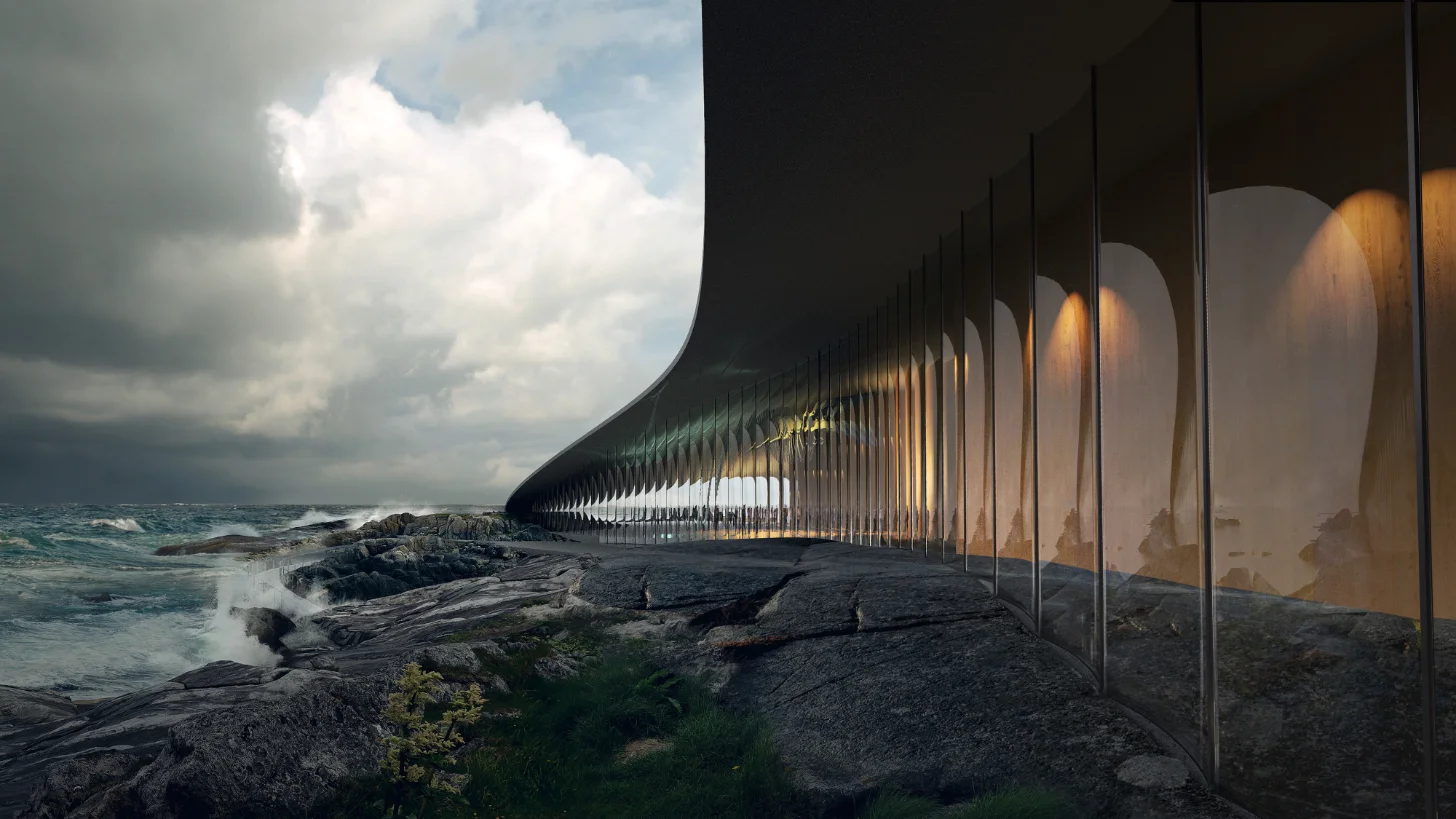
“The new Arctic attraction, The Whale, tells the story of the big inhabitants of this underwater world, rising as a soft hill on the rocky shore — as if a giant had lifted a thin layer of the crust of the earth and created a cavity underneath.”
Mockups of the building show the museum emerging underground as the architects described, almost like a breaching humpback has come up for air.
Atop the museum, there will be a curved, concrete roof covered in stones, which serves as a viewing platform for visitors hoping to catch a glimpse of the migrating whales, which can include a myriad of species: sperm whales, humpbacks, orcas, minke whales, and pilot whales.
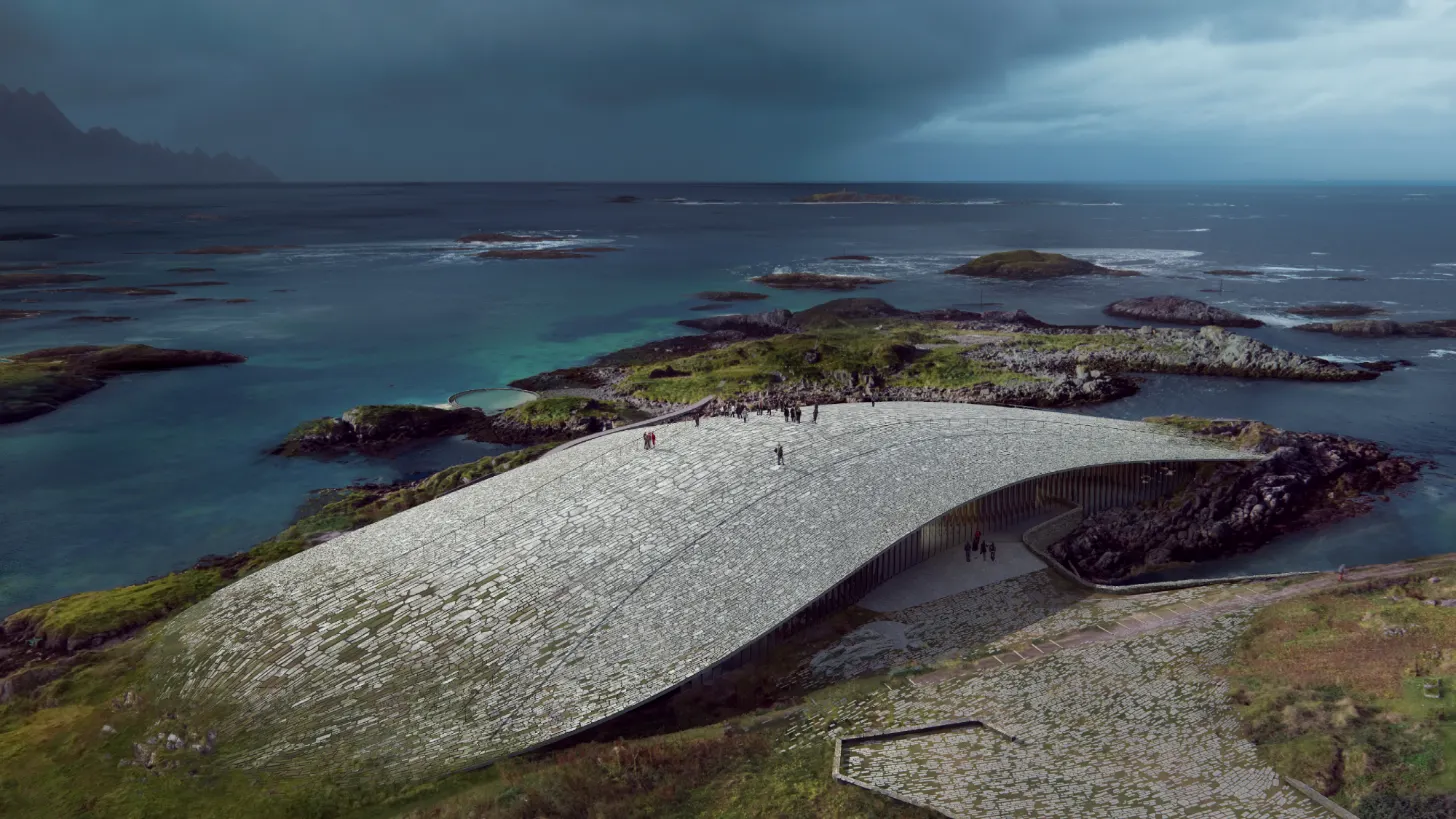
During the summer, visitors can enjoy the midnight sun, and in winter, the northern lights.
But inside is just as majestic.
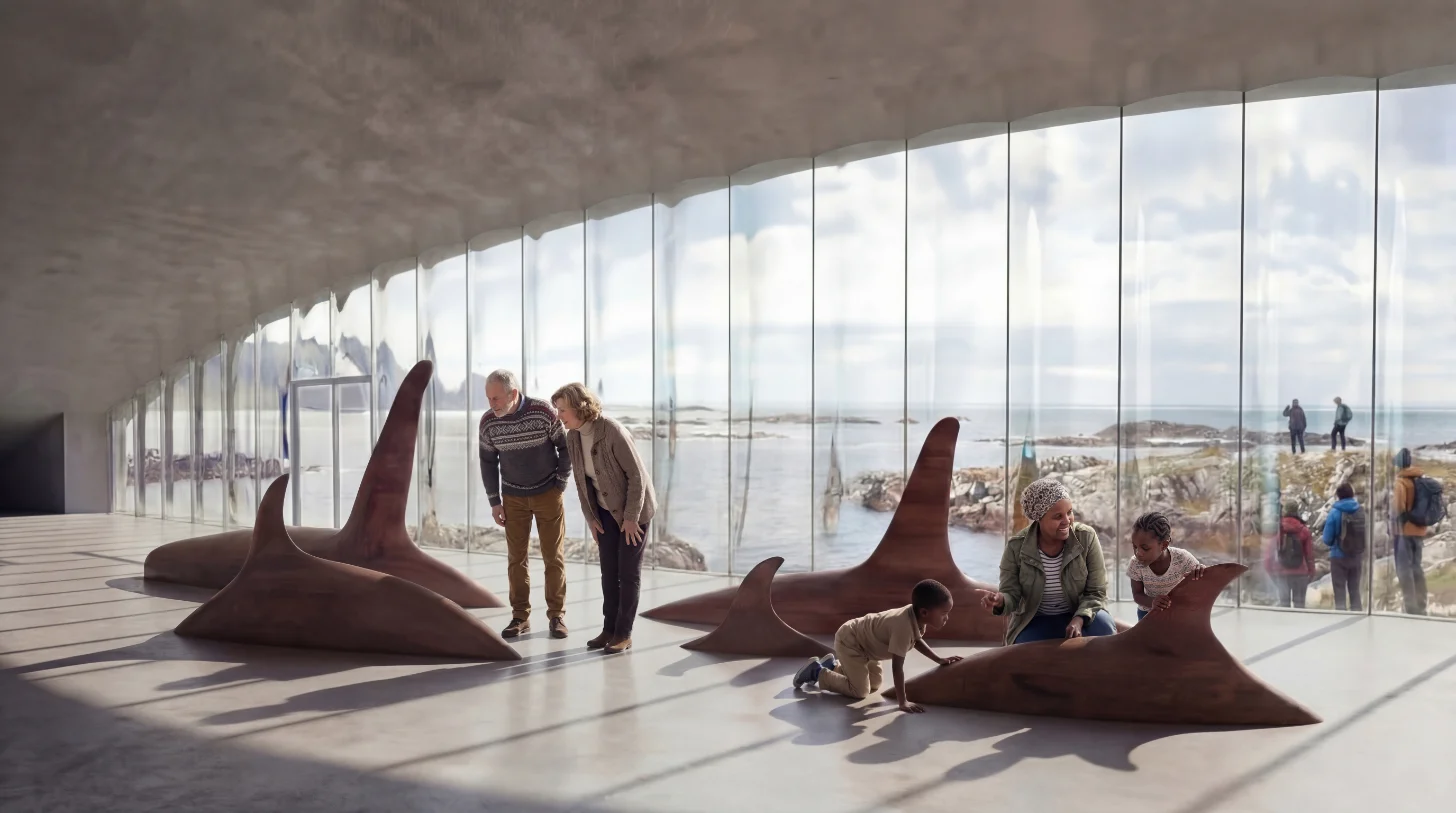
Divided into a number of “experience areas,” guests will immerse all of their senses while learning about whales.
Five life-size wooden sculptures will depict individual orcas known to swim in the nearby waters, along with one massive suspended sculpture that gives visitors an introduction to whales’ penchant for communication, cooperation, and caregiving — a lot like humans.
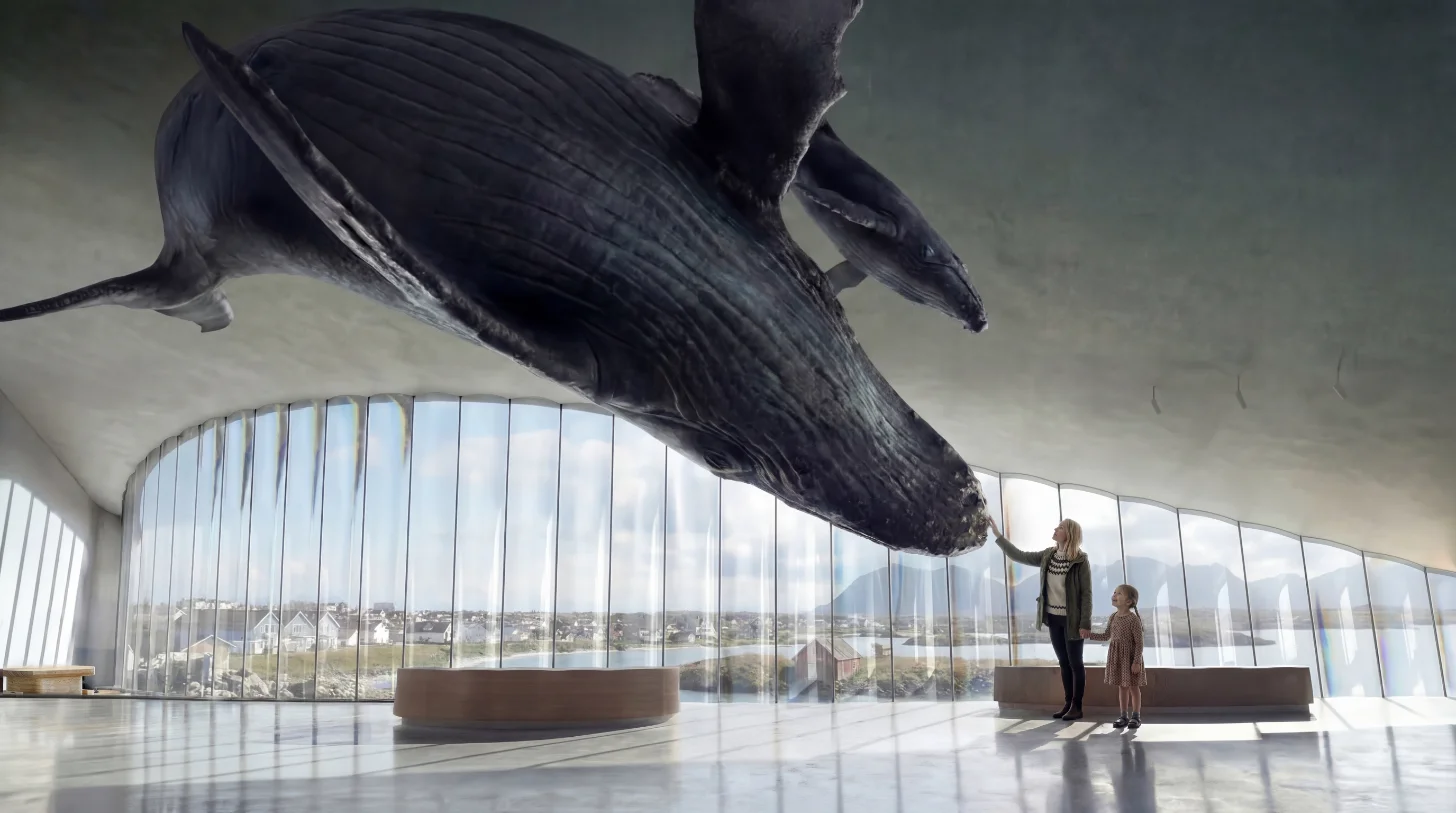
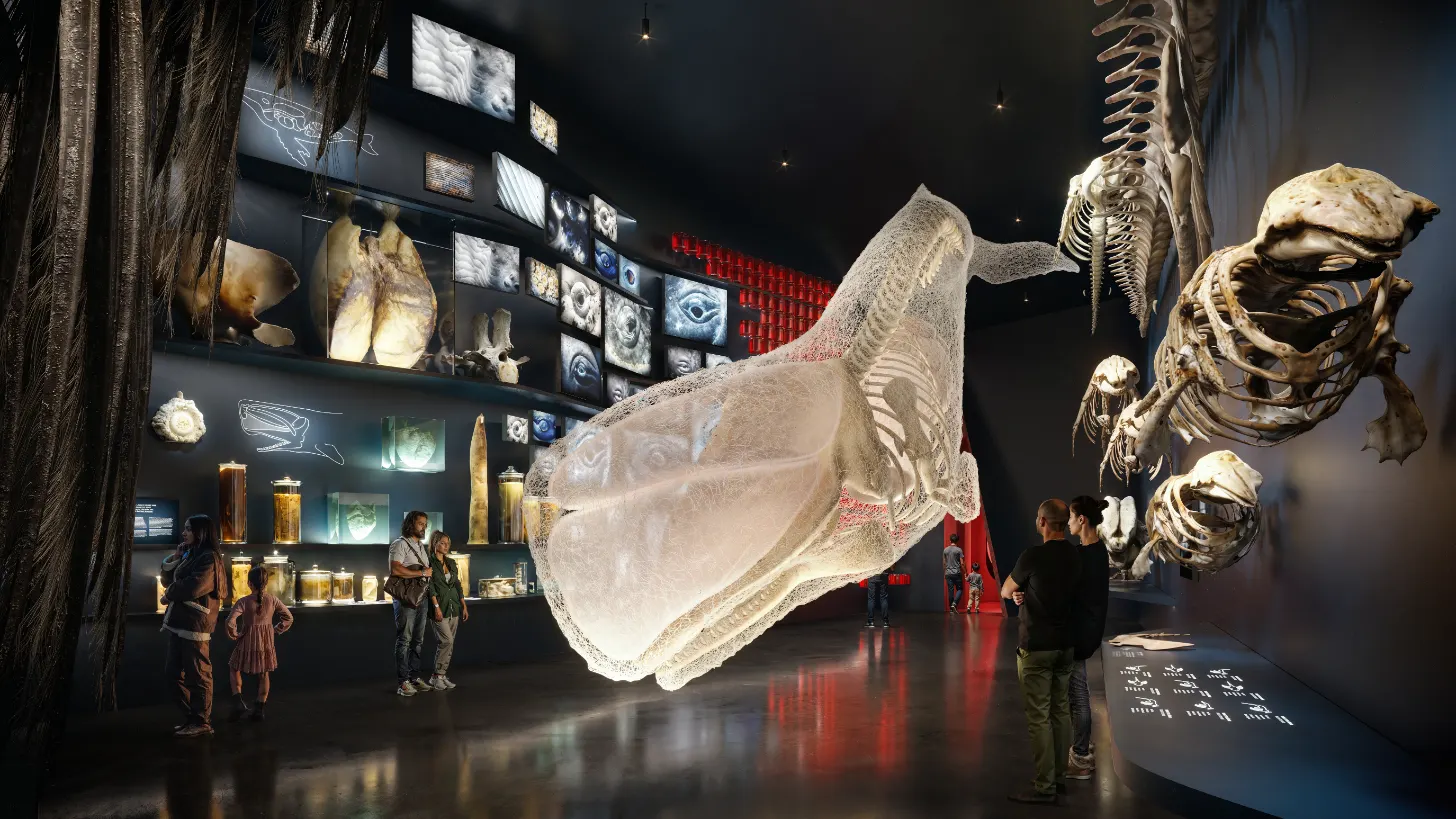
A “species gallery” will also feature all 90 modern-day whale species in an art installation, but then visitors will get a chance to go below the surface. An “Under the Skin” section includes anatomical specimens, like a jar full of an entire whale’s blood, and rib bones hanging from the ceiling.
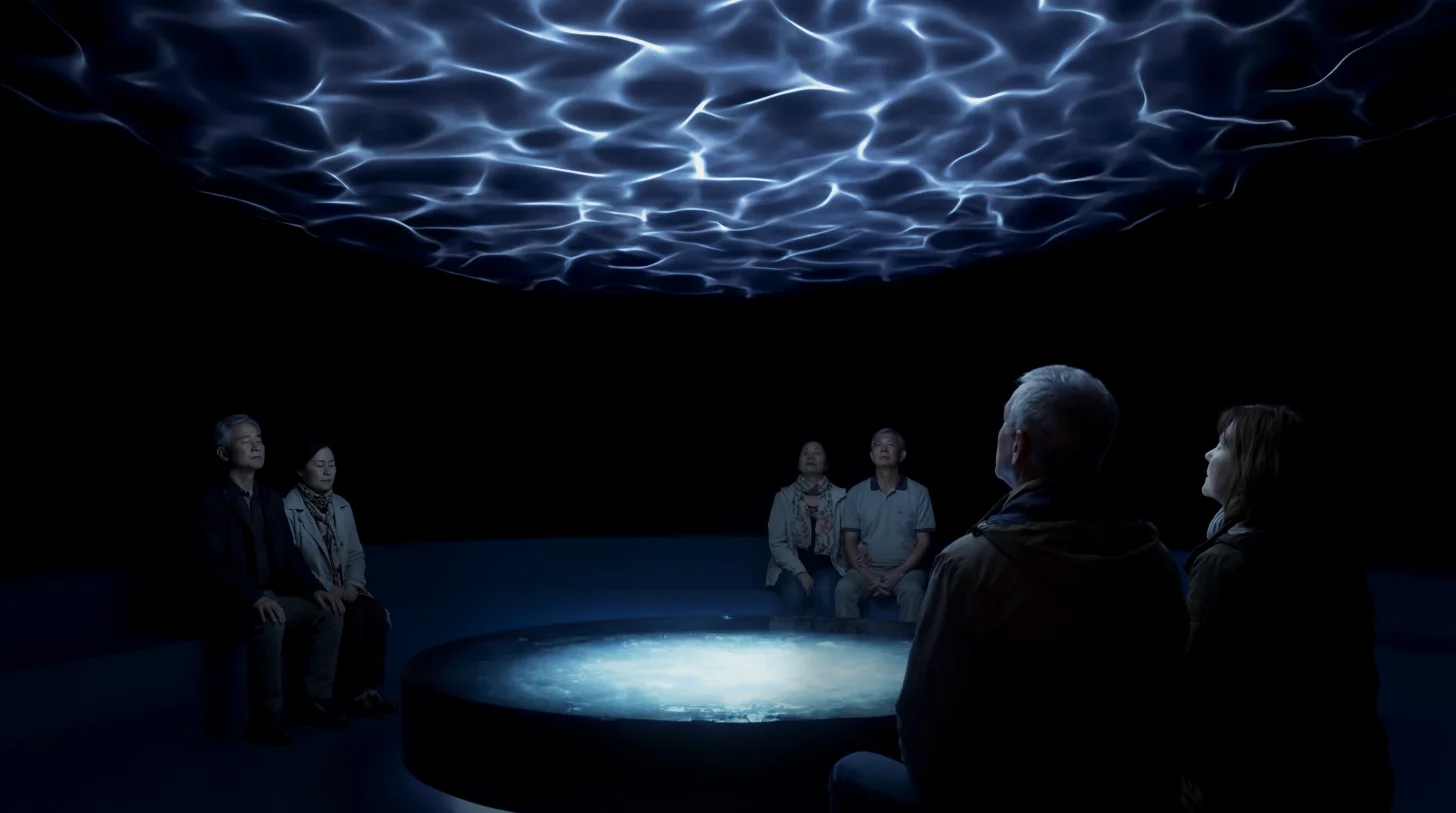
An immersive soundscape room will also allow visitors to listen to the frequencies of whale calls inside of a dark room, as light and sound create a full under-the-sea experience.
A Library of Relations will also explore humanity’s complicated history of industrial whaling, along with the cultural significance of whales throughout history.
The experience rounds out with a clear message of human and whale coexistence: with a gallery showcasing whale habitats and migration routes and how they intersect with human activity, giving homo sapien visitors a chance to understand their own interconnectedness with the ocean.
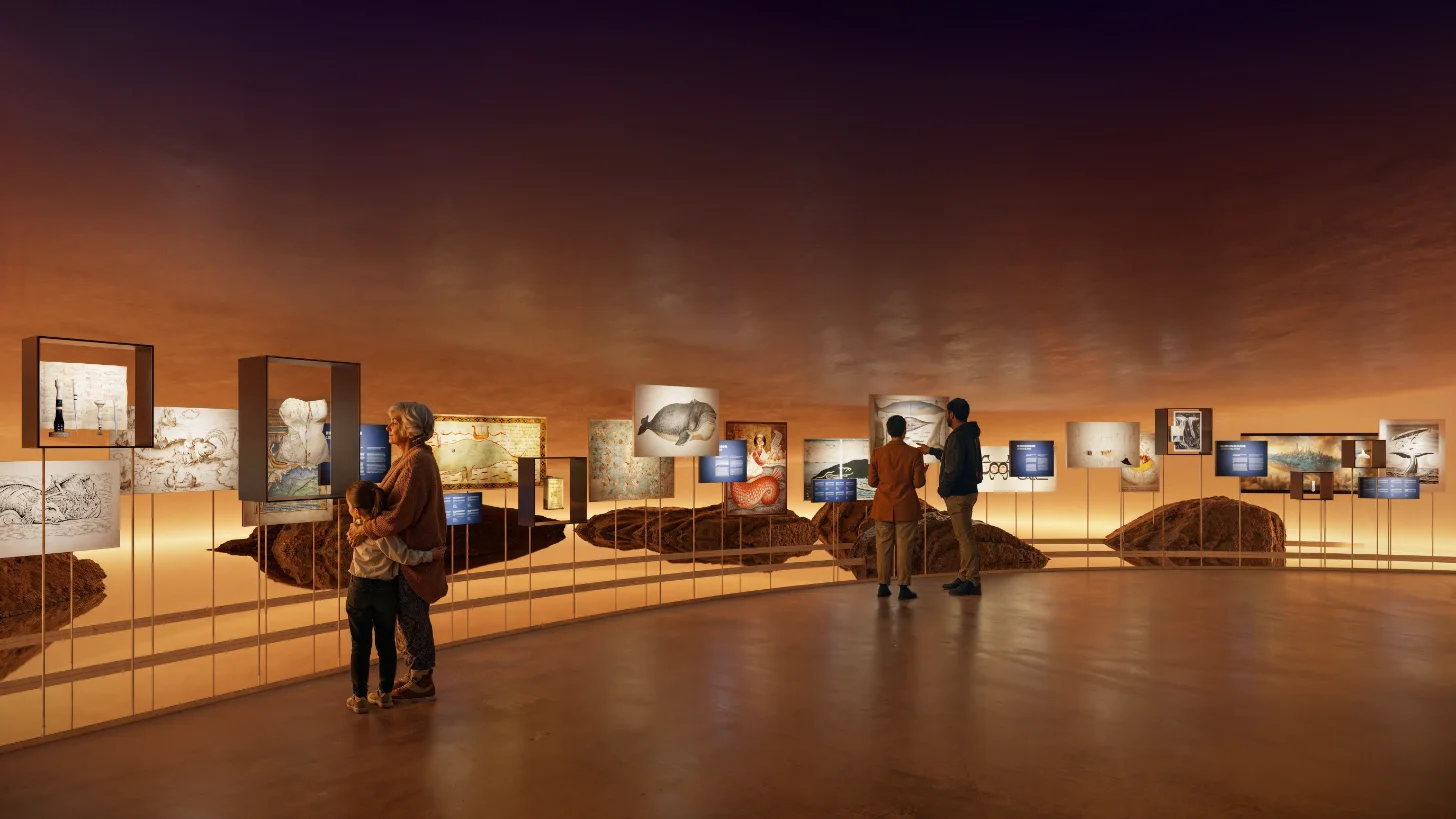
“At The Whale, knowledge is presented as [an] immersive experience, rather than static information. Science and art come together to explore whales from every perspective: their evolution, biology, communication, social structures, and their crucial role in maintaining healthy ocean ecosystems,” The Whale’s website reads.
“Interactive installations immerse visitors in the mysteries of the deep sea, surround them with the beauty of whale songs, and reveal the global links between whale habitats, migration routes and human activity.”
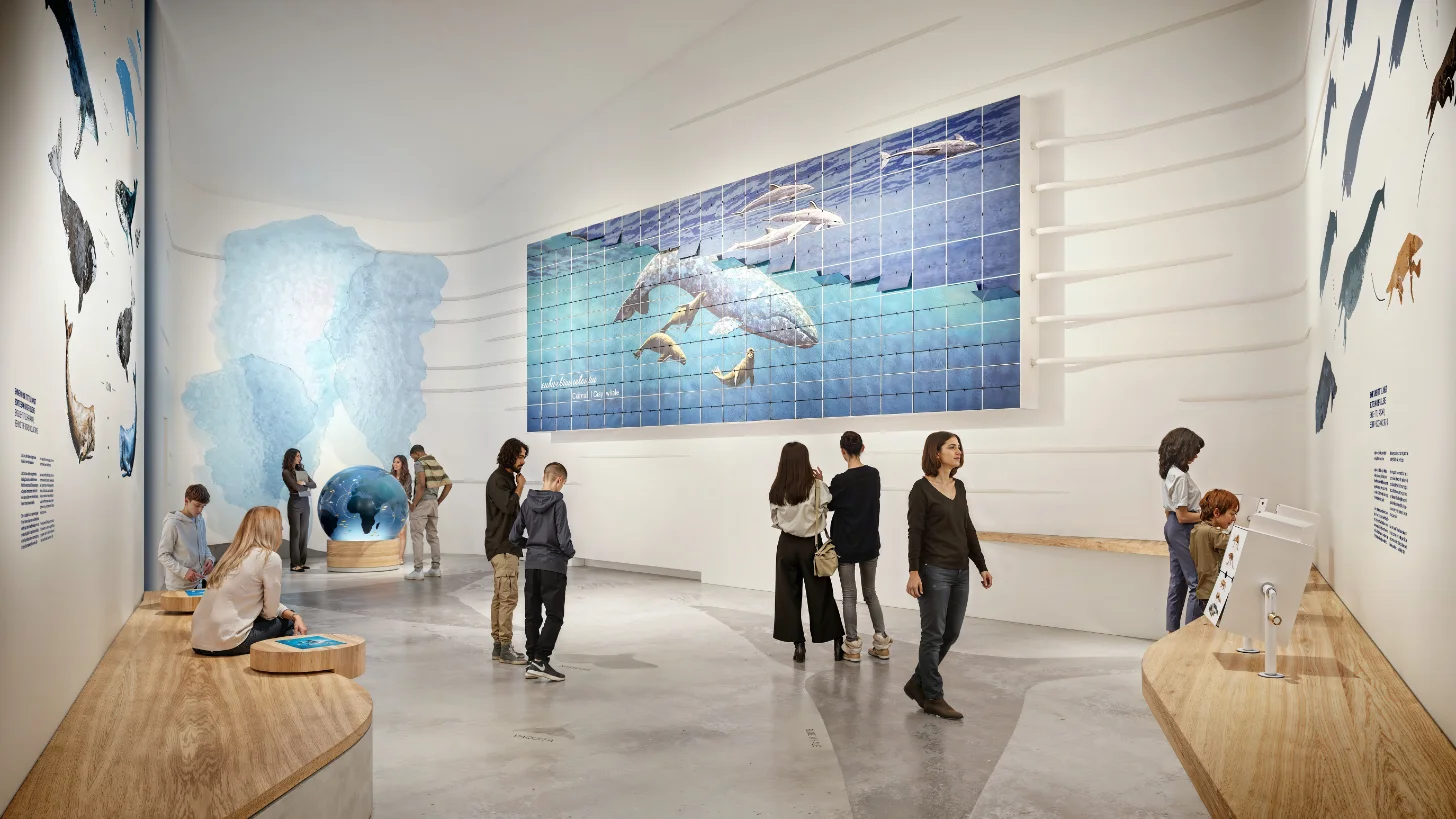
Once open, the museum will be a year-round attraction, with exhibitions, concerts, and collaborations with local and international partners planned, the website shares.
There will also be a cafe and restaurant on-site, and The Whale will serve as a meeting point for local whale-watching tours or other hiking and walking excursions.
“Rooted in one of the world’s best places for year-round whale watching, The Whale invites visitors to discover, reflect, and engage with the ocean and the life it sustains,” its website reads.
Tickets will go on sale for the grand opening this fall.
You may also like: Latin America's first solar-powered train travels through a stunning 10,000-year-old canyon
Featured Image: Courtesy of Dorte Mandrup/Renderings by MIR