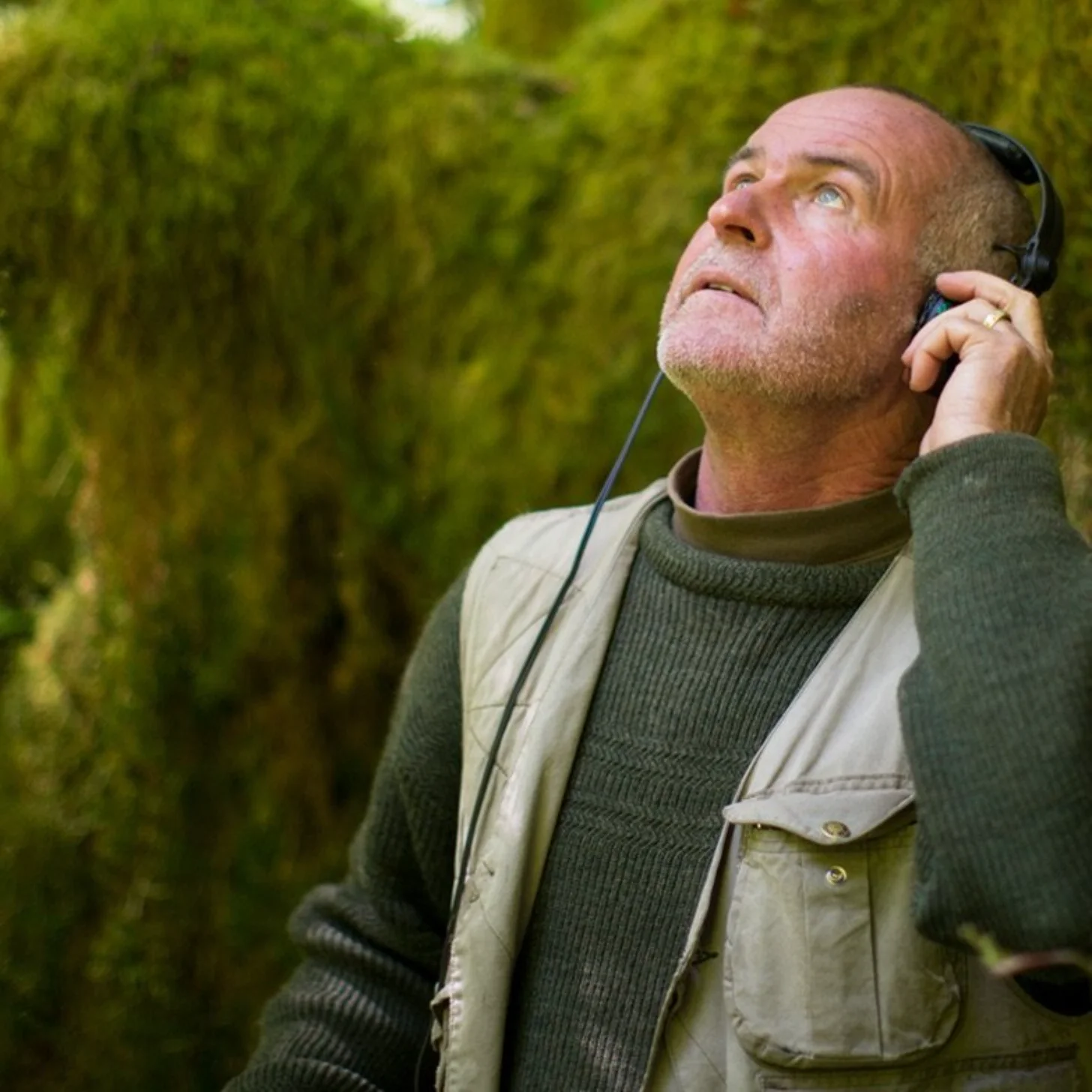
Gordon Hempton is an acoustic ecologist, someone who records sounds in the natural world — sometimes to be listened to on your streaming platform of choice, sometimes to help experts learn more about the ecosystems of our planet.
He’s been around the world, recording in the field in the Australian Outback and the Amazon Rainforest.
But his favorite place is right in his backyard in Washington State: Olympic National Park.
In a recent interview with SFGATE, he called the park “the listener’s Yosemite.”
One place inside the park is a hidden gem, a private research project Hempton initiated on Earth Day in 2005.
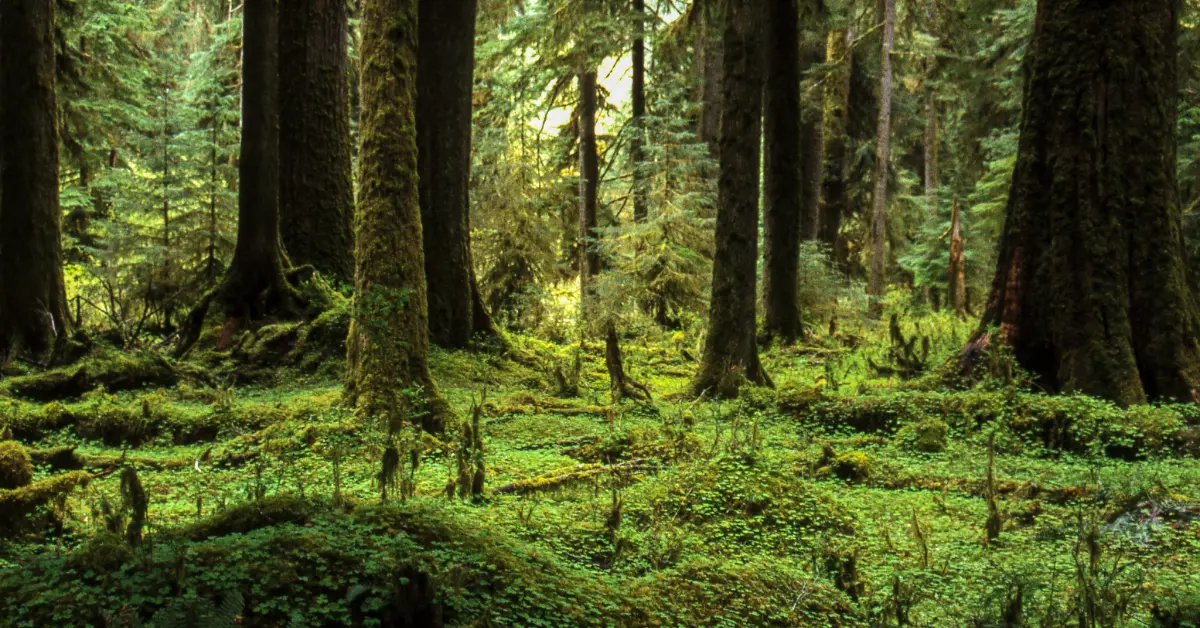
He called it One Square Inch of Silence, “very possibly the quietest place in the United States.” Located in the Hoh Rainforest in Olympic National Park, the destination is as simple as they come: One small red-colored stone placed atop a moss-covered log in a spot 3.2 miles from the Visitor’s Center on the Hoh River Trail.
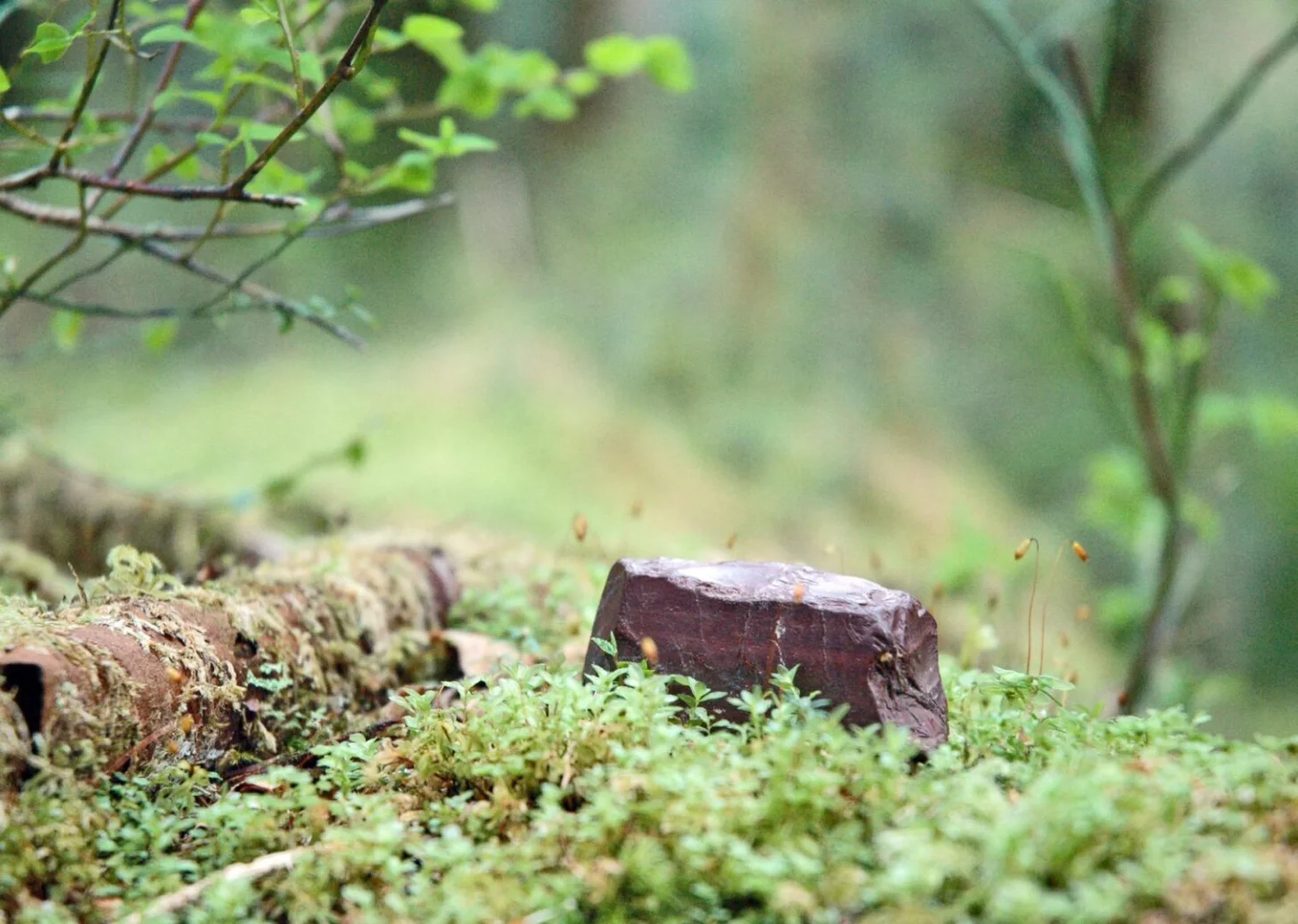
It’s about a two-hour hike from the parking lot, along a “gentle path” hugged by ancient trees and ferns.
The project stemmed from Hempton’s pursuit to catalog the quietest spots on the planet in 1984, locating 21 silent spots in Washington State alone. A decade later, only three were left. Road traffic plays a part in the noise, but the biggest problem, Hempton said, is jet aircraft.
“No place near any kind of flight path is reliably quiet anymore,” a Conde Nast Traveler article wrote about Hempton’s findings. “As a result, says Hempton, there’s not a single square inch of silence left anywhere in the continent of Europe: Too many planes.”
The One Square Inch of Silence project aimed to defend one of the last remaining spots of quiet in the U.S.
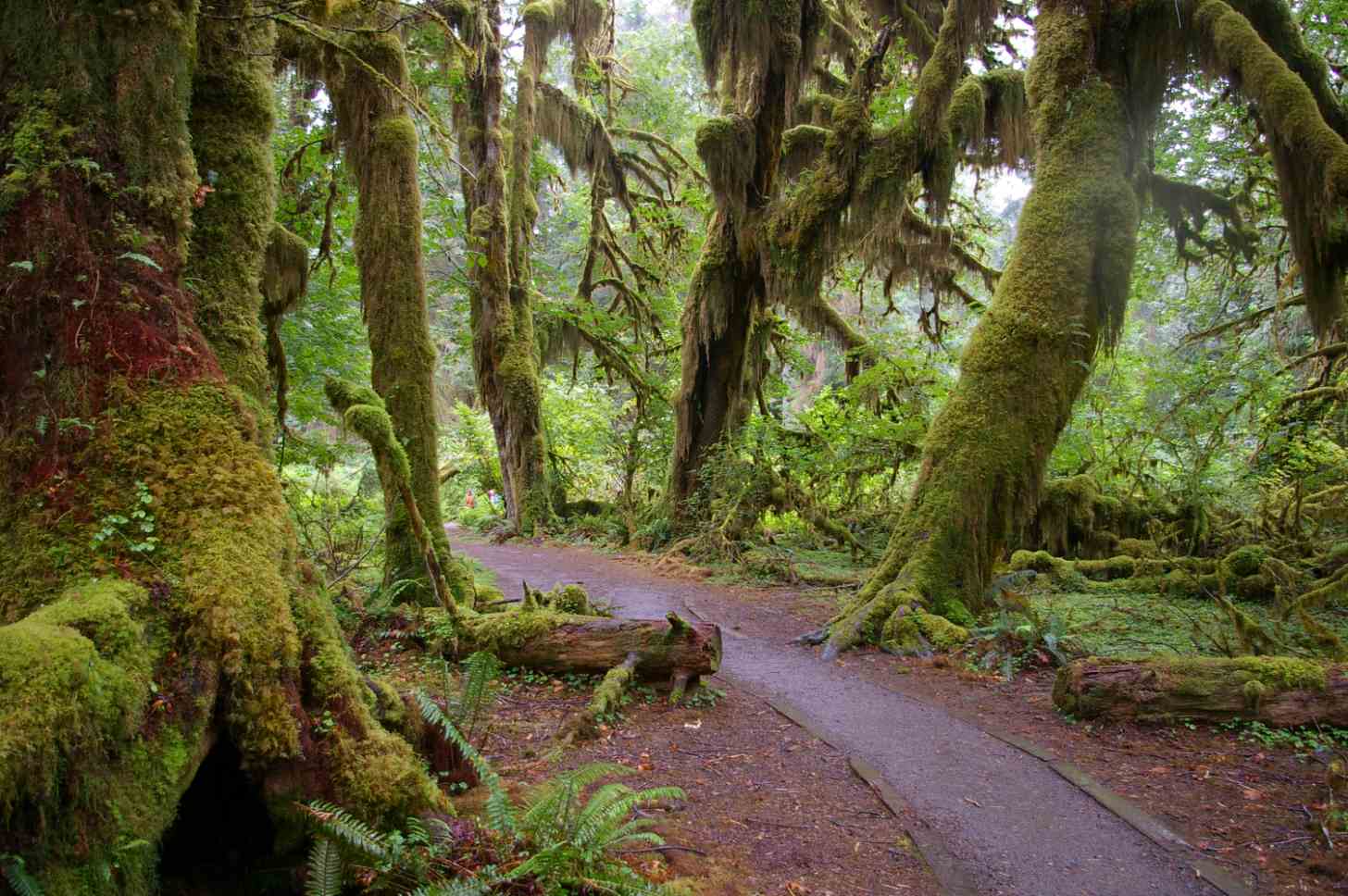
“The logic is simple; if a loud noise caused by an aircraft could have a noise impact over many square miles, then, would it be true that a single point of quiet, if maintained in a completely noise-free condition, would also have an equally large quiet impact?” Hempton wrote on his website.
“Indeed, this proved to be the case between the years of 2005-2018 when the One Square Inch project [was] active,” he confirmed. “During those 13 years, when noise intrusions were observed, the noise source was identified via internet flight tracking data and the responsible party asked voluntarily to avoid flying over Olympic National Park. Alaska Airlines, American Airlines, and Hawaiian Airlines all cooperated.”
While the One Square Inch project came to an end in 2018 — followed by increases in “electronic warfare exercises” by the U.S. Navy that disrupted this place of peace in Olympic National Park — Hempton is still working towards protecting natural quiet.
In 2019, he launched Quiet Parks International, a nonprofit with a “mission to save quiet for the benefit [of] all life, both human and wildlife, and not just at one place but worldwide.”
The organization awards certifications to truly quiet places across the globe, with a map of quiet parks in Asia, Africa, Europe, and North and South America.
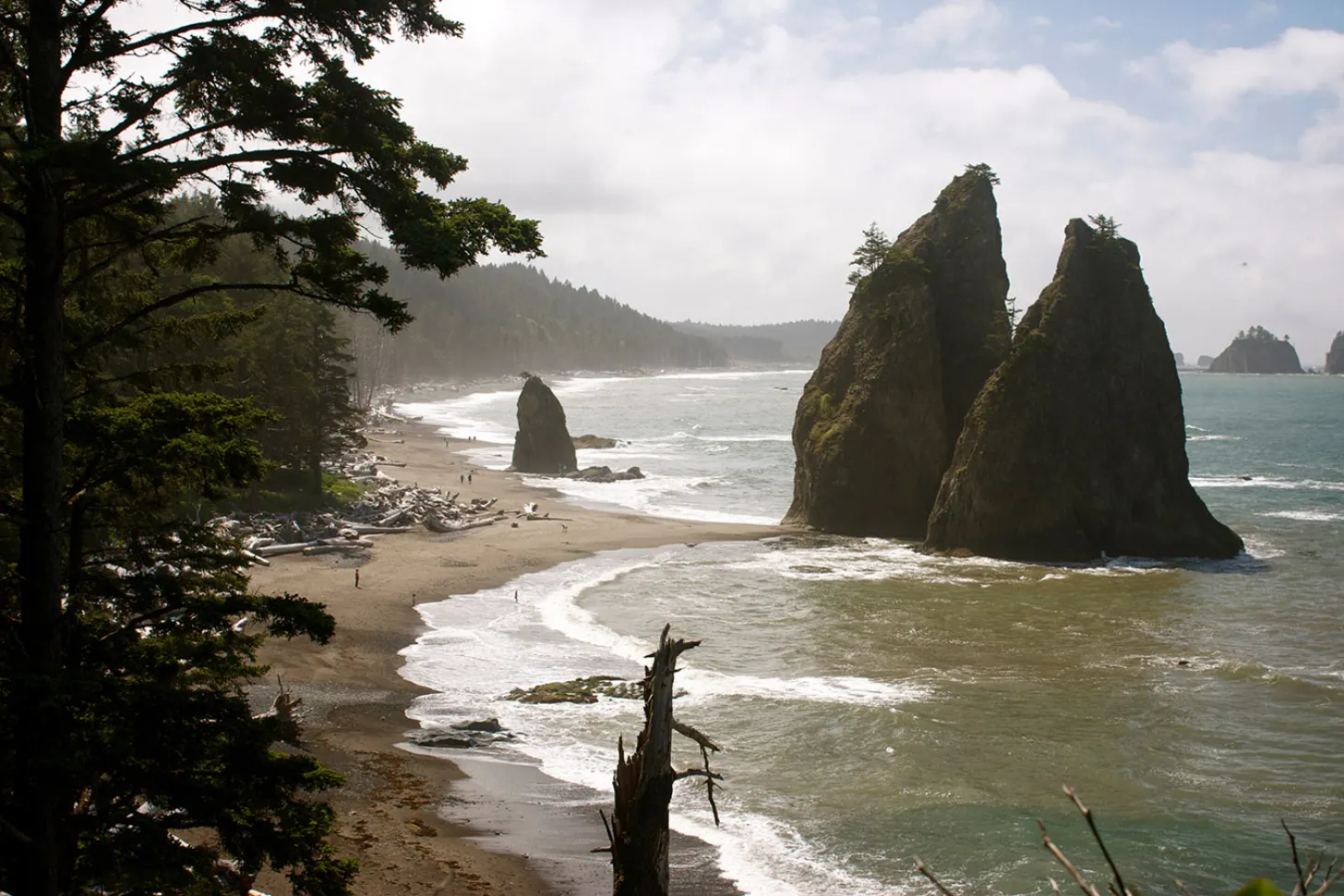
Places in Olympic National Park still qualify as “quiet.”
“It’s the most sonically diverse [national park],” Hempton told SFGATE. “It’s three parks in one: You have the alpine, glacier environment; you have the largest contiguous coniferous forest in the United States, including temperate rainforest; and you have the longest uninterrupted wilderness coastline on the western U.S.”
One of his favorite spots in the park is Rialto Beach.
He describes the Sitka spruce logs on the coast as “nature’s largest violin,” complimenting the rattling pebbles that drum along with the surf.
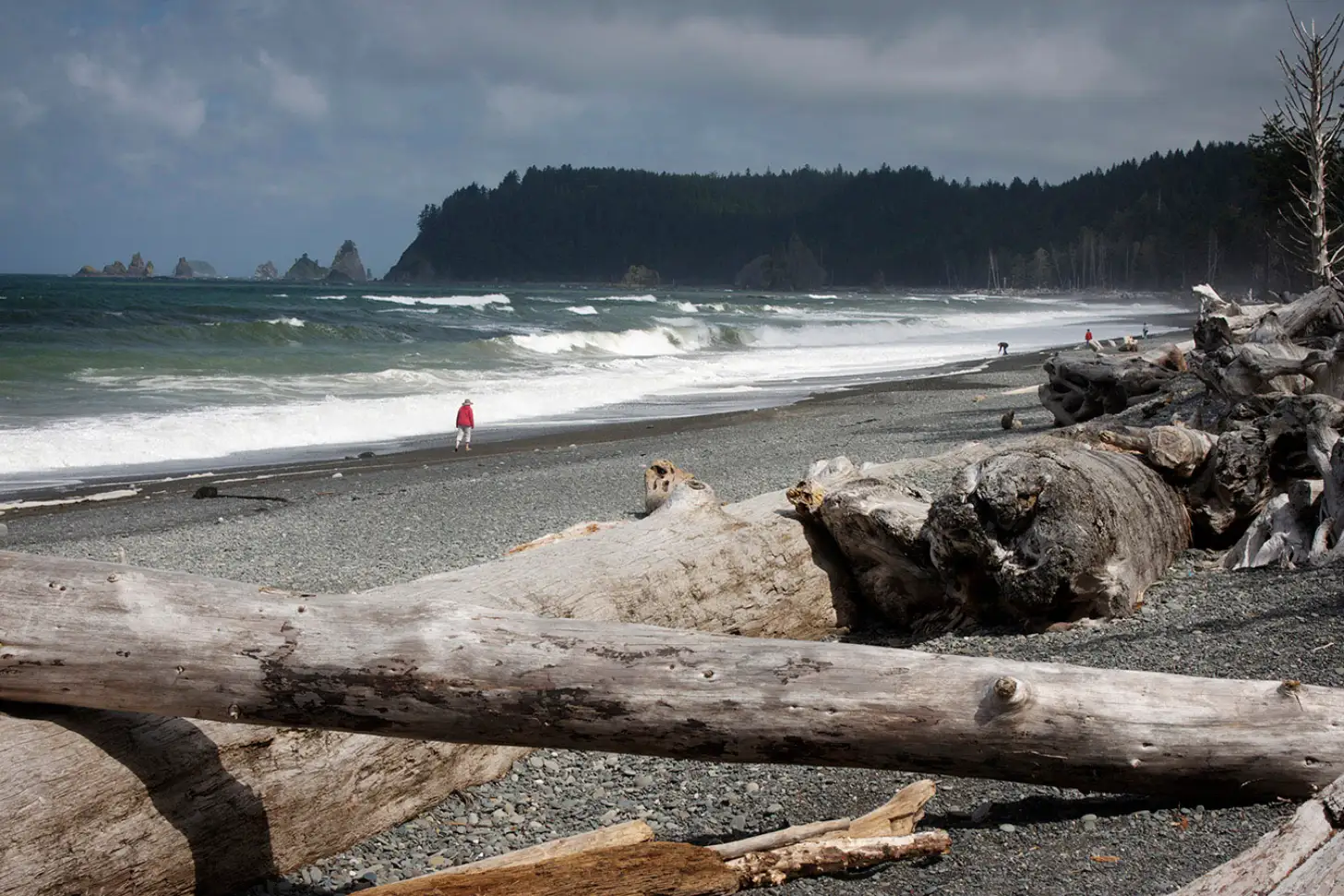
“Rialto is my personal favorite. It basically has four seasons of sounds, of surf sounds,” Hempton said. “It’s just a concert.”
While the noise of the world continues to get louder, it’s these sounds he hopes people continue to seek out.
In the meantime, Hempton continues his work with Quiet Parks International. Similar to DarkSky International, the organization that maps natural places that aren’t bathed in light pollution, he hopes to bring people closer to nature — and further from all that distracts from the beauty of the planet we call home.
“A world that offers quiet within and without. A world where everyone has daily access to quiet and opportunities to listen to the sounds of nature. A world where the experience of quiet nature is directly linked to inner quiet, peace, and joy of being,” Quiet Parks International describes as its vision.
“When we save quiet, we save everything else.”
You may also like: This 'listening lab' is eavesdropping on national parks to improve your visits
Featured Image: Packbj/Wikimedia Commons (CC BY-SA 4.0)