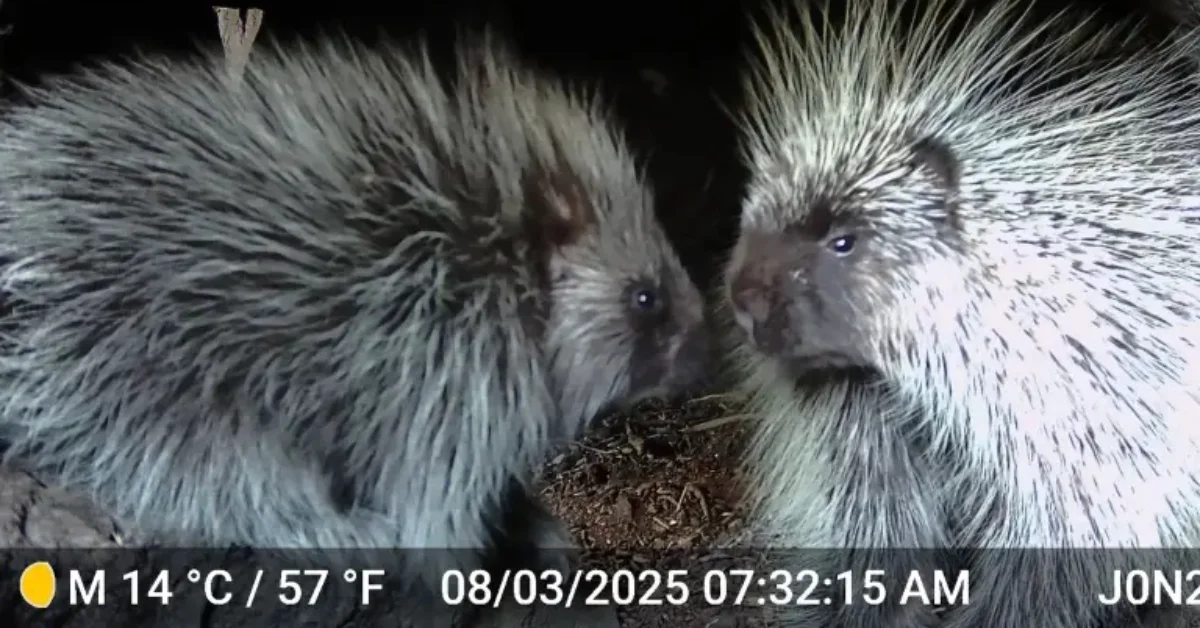
With Oregon’s Department of Fish and Wildlife prickled by a noticeable decline in Central Oregon’s porcupine populations, officials are calling on locals to help.
While porcupines — native to Central Oregon’s high desert ecosystem — are not currently listed as endangered in Oregon, they are officially classified on the state’s Species of Greatest Conservation Need list.
Conservationists suspect the species is in decline due to traffic mortalities, predator resurgence, and climate change impacts — but all the records they have are currently anecdotal.
That’s why, in the summer of 2025, ODFW launched a study to track the distribution and mortality rates of these quilled rodents in the area.
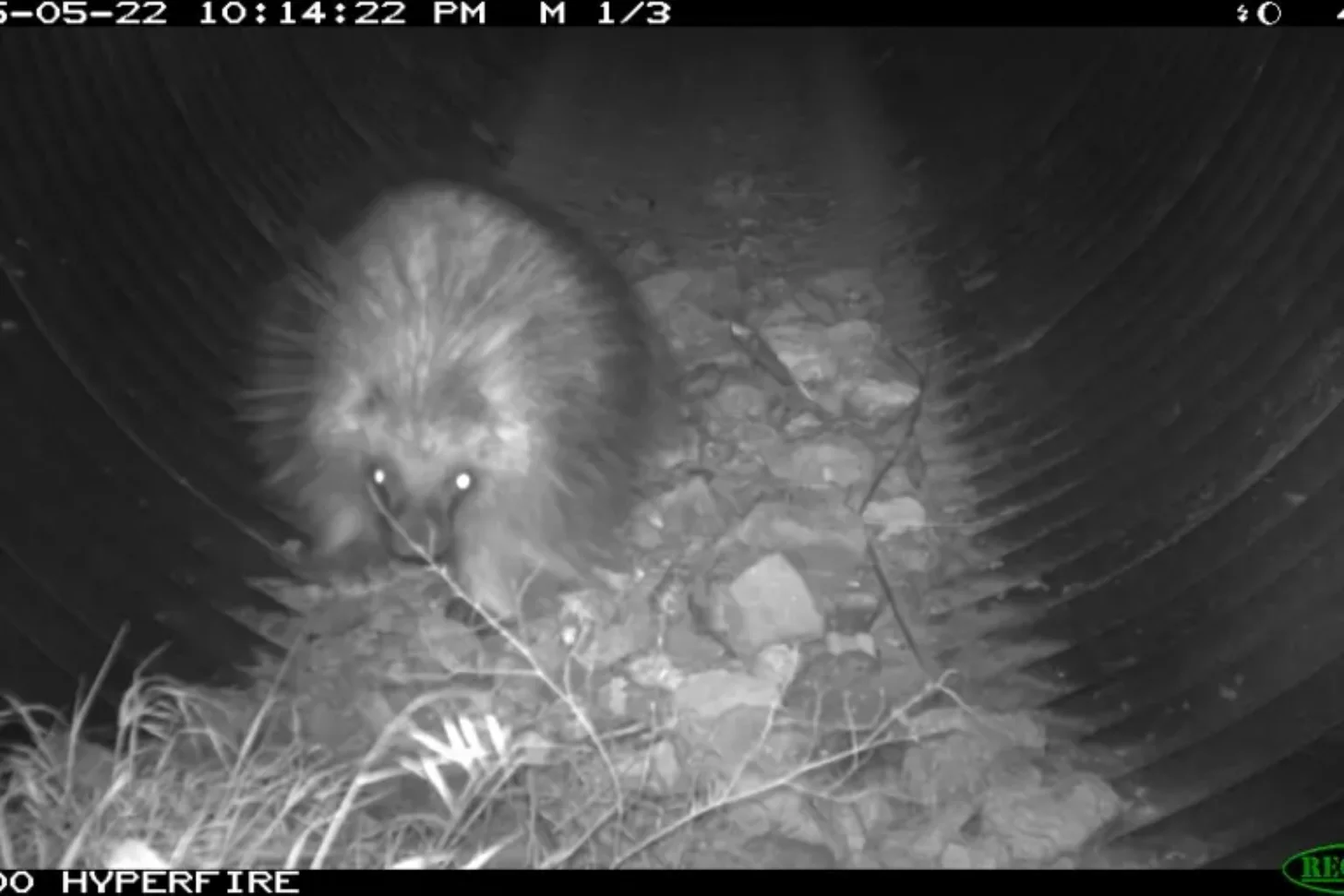
Officials called on the help of citizens to join the monitoring program, using iNaturalist to report wildlife sightings, and then placing trail cameras based on the community’s data to confirm the presence of the animals.
Now, High Desert Museum and various Central Oregon public libraries are offering trail cameras to locals on loan for volunteers to deploy and record wildlife observations themselves.
“We maintain a bank of trail cameras and then we make those available to the public,” High Desert Museum Curator of Wildlife Jon Nelson told Central Oregon Daily.
“We teach the public how to use trail cameras to responsibly observe wildlife and then to take those observations and post them to community science platforms such as iNaturalist, so the managers have access to that data.”
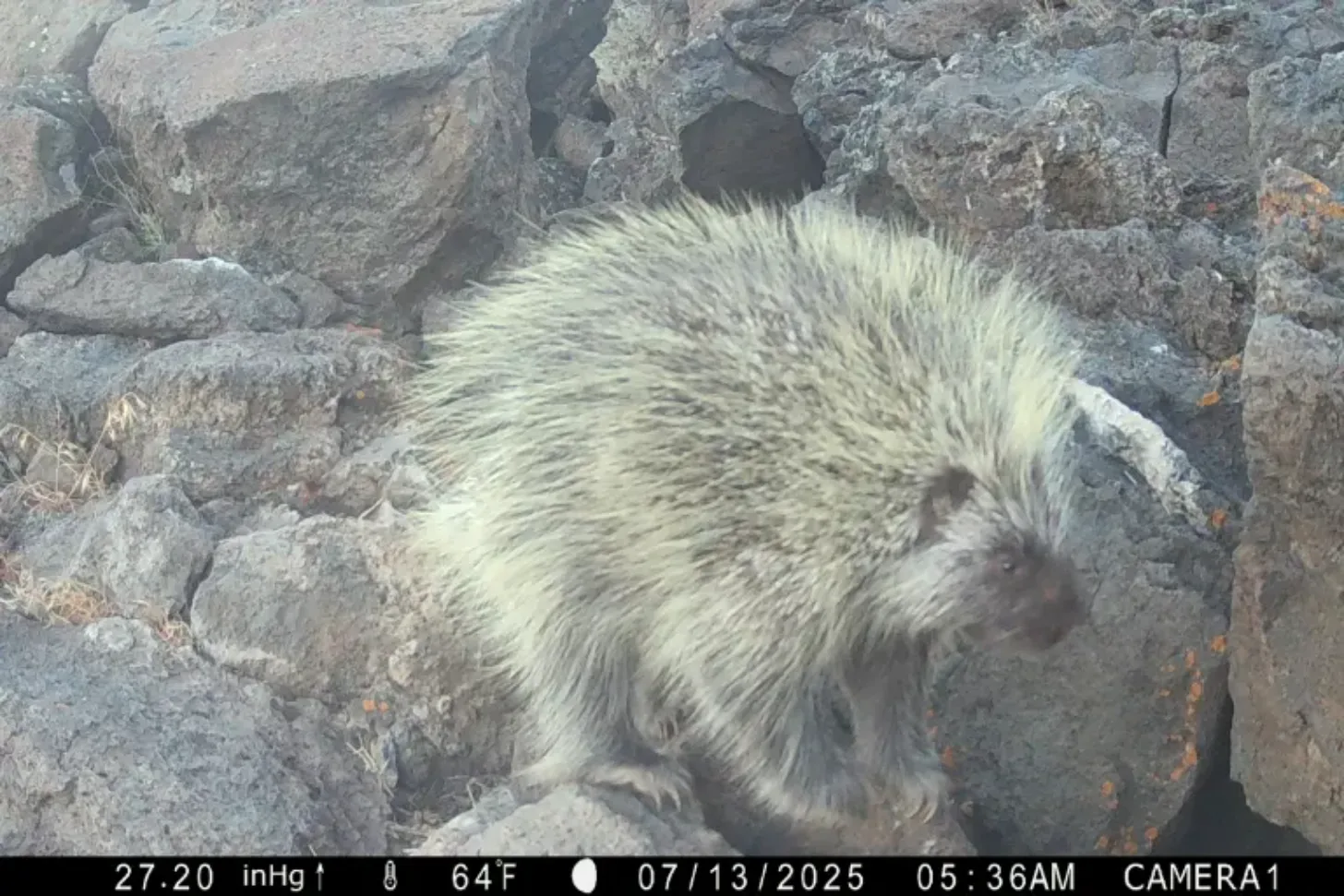
Along with the Wildlife Watch program at the museum, residents can access trail cameras at libraries in Deschutes, Crook, and Jefferson counties. Funding for these materials is being provided by the Wildlife Ecology Institute and the Oregon Wildlife Foundation, according to ODFW.
“I think it's important for people to understand their surroundings,” Jefferson County Library Director Jane Ellen Innes told Central Oregon Daily.
“The high desert is a very interesting place. I think we have a lot of wildlife that is available to us. So, I just think it’s part of nature and the balance [of] where we live.”
To check out a trail camera at the library, users must agree to post photos taken on iNaturalist and sign up as a volunteer for ODFW’s porcupine study. Once they have signed up, they can take a workshop at the High Desert Museum, and library users can check out the cameras for three months, with the option to renew the loan.
“It also inspires people to come into the library and learn more about them and the services we offer,” Ellen Innes added.
While the porcupine project in particular is fairly young, the museum has been deploying trail cameras and wildlife observation programming for about 15 years. Nelson told Central Oregon Daily that trail cameras are particularly helpful because they are able to be used 24/7, capturing nocturnal or elusive wildlife.
Porcupines are among those elusive evening critters, but with the trail camera loan program and eager citizen scientists, local officials are hopeful.
“Central Oregonians are eager to pitch in and learn more about their prickly neighbors and more than 140 reports have already been generated since the project was launched,” a web page from the ODFW stated.
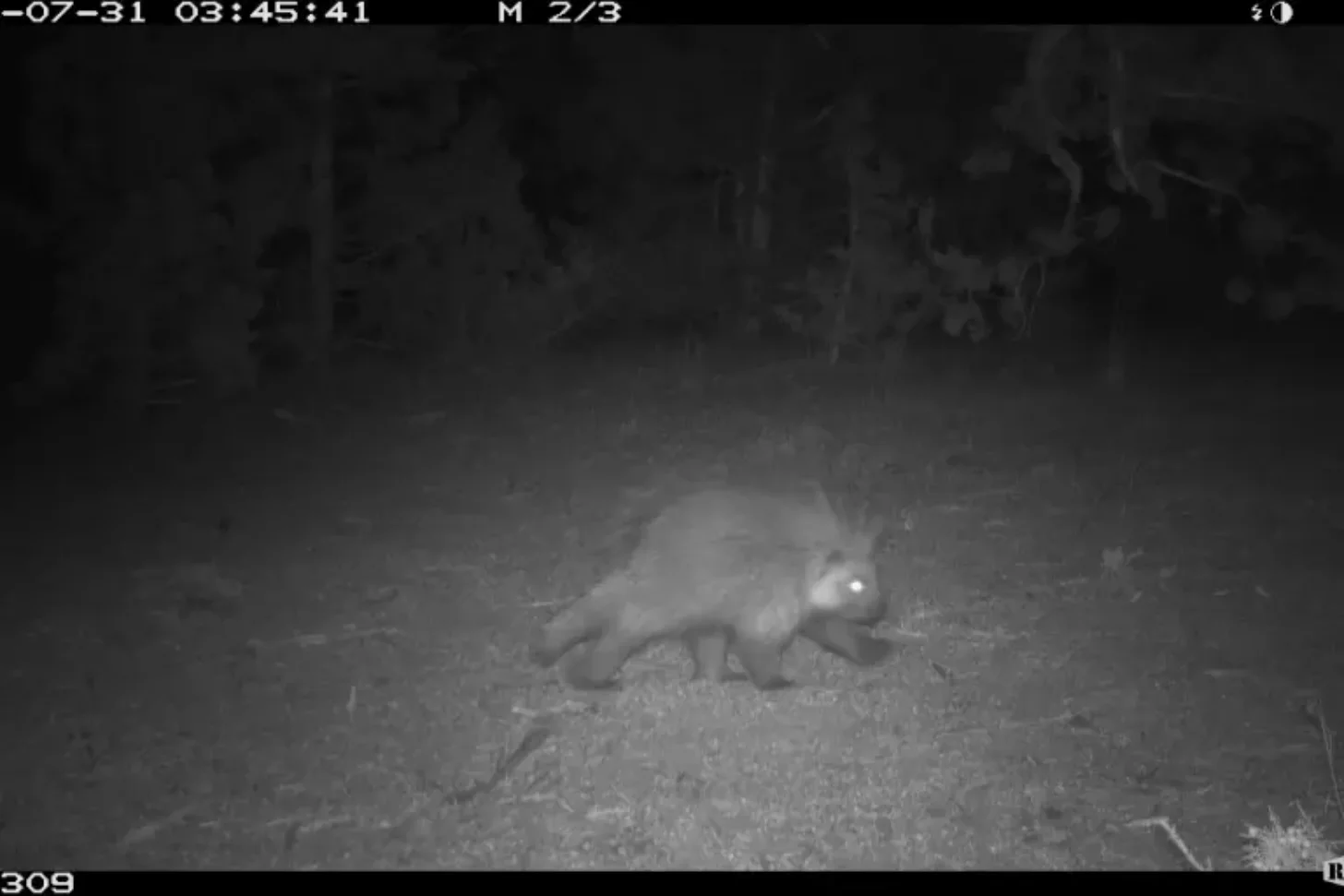
Researchers are also capturing and fitting radio collars to 20 porcupines spotted in the study, in order to track their movements over time and collect data assessing seasonal home ranges, behavior patterns, dispersal of porcupines, survival rates, and more.
Ultimately, the goal is to develop a standardized monitoring protocol to support future conservation efforts for the species.
And so much of it is made possible by local volunteers.
“It is heartwarming how many people have reached out and called me to say ‘It was crossing the road,’” assistant wildlife biologist for ODFW, Mikayla Bivona, told Central Oregon Daily.
Bivona is leading the state’s porcupine study.
“Almost everybody explains they have a really cute waddle as [they] walked down the road. They are a pretty charismatic species I think a lot of people are getting excited about. Now they are taking a harder look at them.”
You may also like: Maine's first 'turtle tunnels' help endangered reptiles cross a 'highway of death'
Featured image courtesy of Oregon Department of Fish and Wildlife