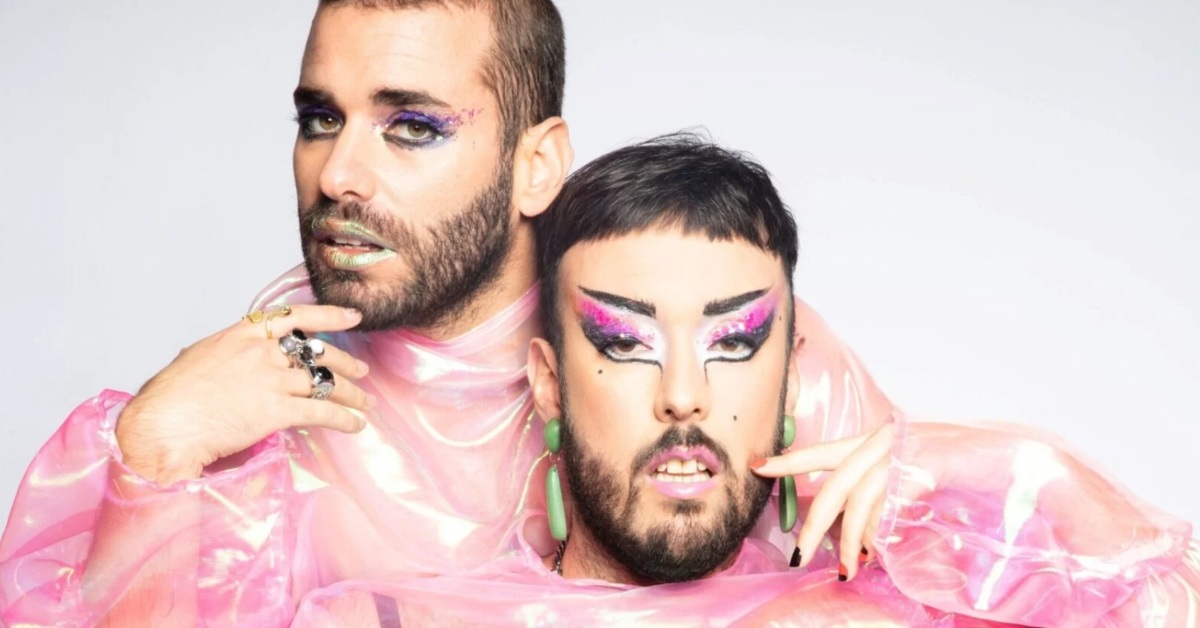
Fado is more than a style of music. In the 1820s, it emerged as a form of storytelling in Portuguese taverns packed with sailors, bohemians, and courtesans.
Sung by, and for, working-class people, the melodies can be about anything and anyone — but it’s often laced with a touch of melancholy.
Today, modern fado is intrinsic to Portuguese culture. UNESCO recognizes it as an Intangible Cultural Heritage. Singers have brought it to NPR’s Tiny Desk Concert. It can be heard in cafes and bars across the country.
But despite fado’s ubiquitous nature, musician Lila Fadista felt like there were stories that were not being told.
“Fado is rooted in four elements: melody, harmony, rhythm, and the lyrics. Its main role has always been to tell a story: about the city, about love’s joys and sorrows,” Fadista told Divergente. “That’s exactly what we do: we tell stories; they are just different from those heteronormative stories that people are expecting to listen [to].”
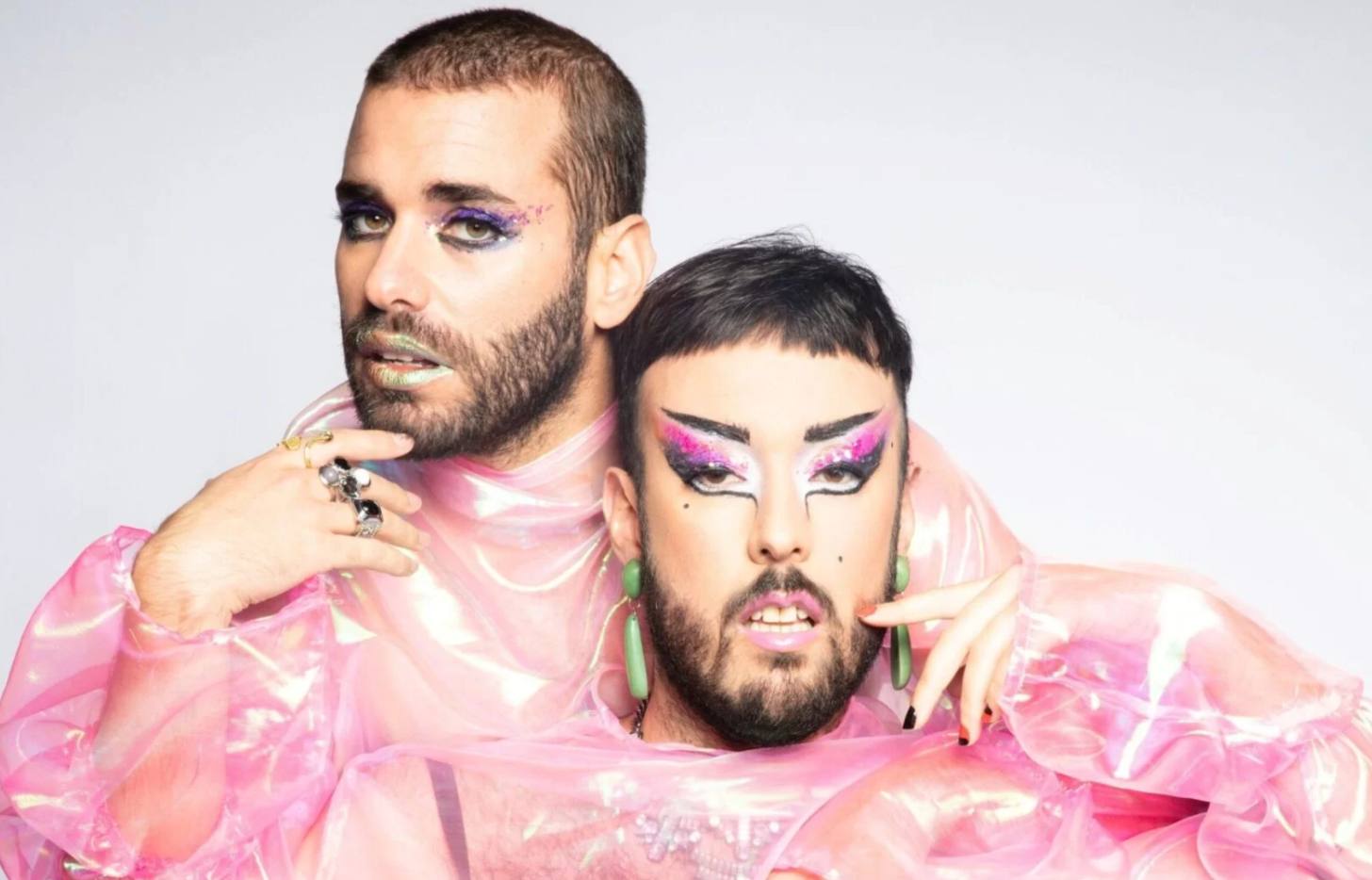
Inspired by a nightclub act in Lisbon, Fadista began incorporating elements of drag into her fado performances. She met guitarist João Caçador soon after, and together they formed the music duo Fado Bicha, a name which roughly translates to “queer fado.”
Since 2018, they’ve released two albums and starred in the documentary “As Fado Bicha.” As they’ve achieved multicultural fame, they pride themselves on being the representation they needed growing up.
“As a queer person who grew up in Portugal, I went through a whole process of realizing that no space — including our own home — was prepared to receive us,” Caçador told Bandcamp. For him, Fado Bicha was inevitable. “To think about making music that doesn’t talk about it, I think that would be the greater effort.”
A version of this article originally appeared in the 2026 Storytelling Edition of the Goodnewspaper
You may also like: This Florida drag queen doubles as a marine animal conservationist: 'Steve Irwin was my biggest inspiration growing up'
Header image via Fado Bicha