In LADbible’s new show, “The Honesty Box,” the public anonymously submits questions to famous guests. Most recently, Robert Irwin sat in the hot seat to answer burning questions.
One person asked: “What is the next animal to go extinct?”
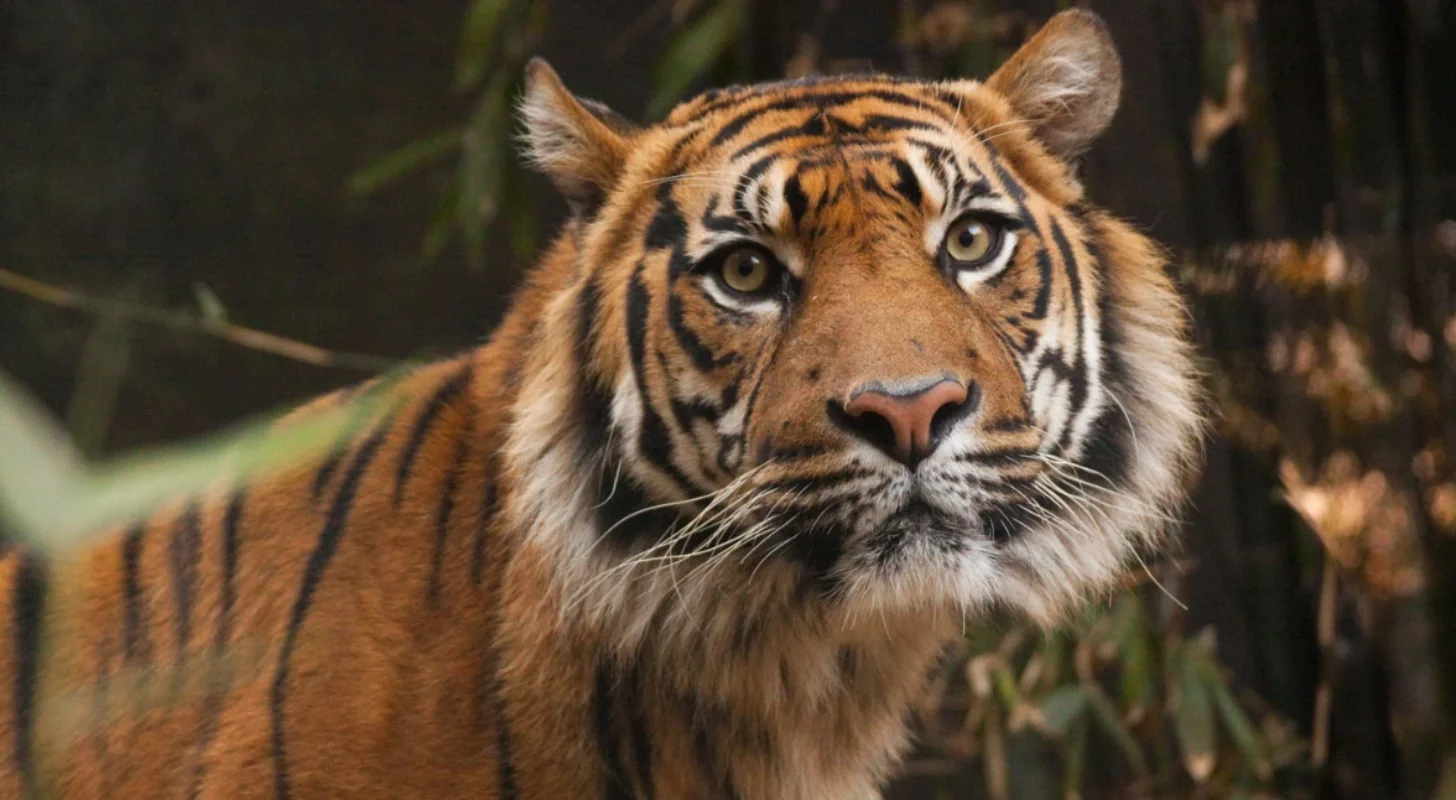
“This is really … this is tough,” Irwin said. “The one that springs to mind is Sumatran tigers. There’s only around 400 or 500 of them left.”
“I [also] look at something like Javan rhinos,” he continued. “You know, we’re talking about icons: Tigers, rhinos. To be talking about animals like that going extinct in my lifetime, that's insane.”
But the Australian conservationist, who has also gained fame for winning season 34 of “Dancing with the Stars,” didn’t want to leave viewers on a sour note.
“On the flip side of that, though, you know, I look at Altyn Dala in the steppe in Kazakhstan,” he said, referring to Altyn Dala Conservation Initiative, a 2024 finalist for the Earthshot Prize, the world’s most prestigious environmental competition.
“I’ve talked with them a lot,” he said. “They brought back the Saiga antelope from something like less than 20,000 to now somewhere around 4 million.”
“They were almost gone, and now finally they’re back to healthy numbers,” he said, with a note of optimism. “So even when an animal is on the brink of extinction, there is still hope.”
The comeback of the Saiga antelope is an example of conservation groups working in tandem with government rangers, surveillance experts, university students, and local communities to save an animal from total extinction.
Similar efforts are underway for the Sumatran tiger, which is currently classified as critically endangered under the International Union for Conservation of Nature’s Red List of Threatened Species.
Sumatran tigers have faced threats from multiple sides: Poaching, illegal wildlife trade, and habitat destruction. Unfortunately, they are the only tiger species left in Indonesia after the Balinese and Javanese tigers were pushed to extinction in the 1900s.
Two key organizations at the forefront of saving Sumatran tigers include the International Tiger Project, a nonprofit that funds anti-poaching forest patrols, and the Sumatran Ranger Project, a conservation initiative that works with the community to reduce human-tiger conflicts.
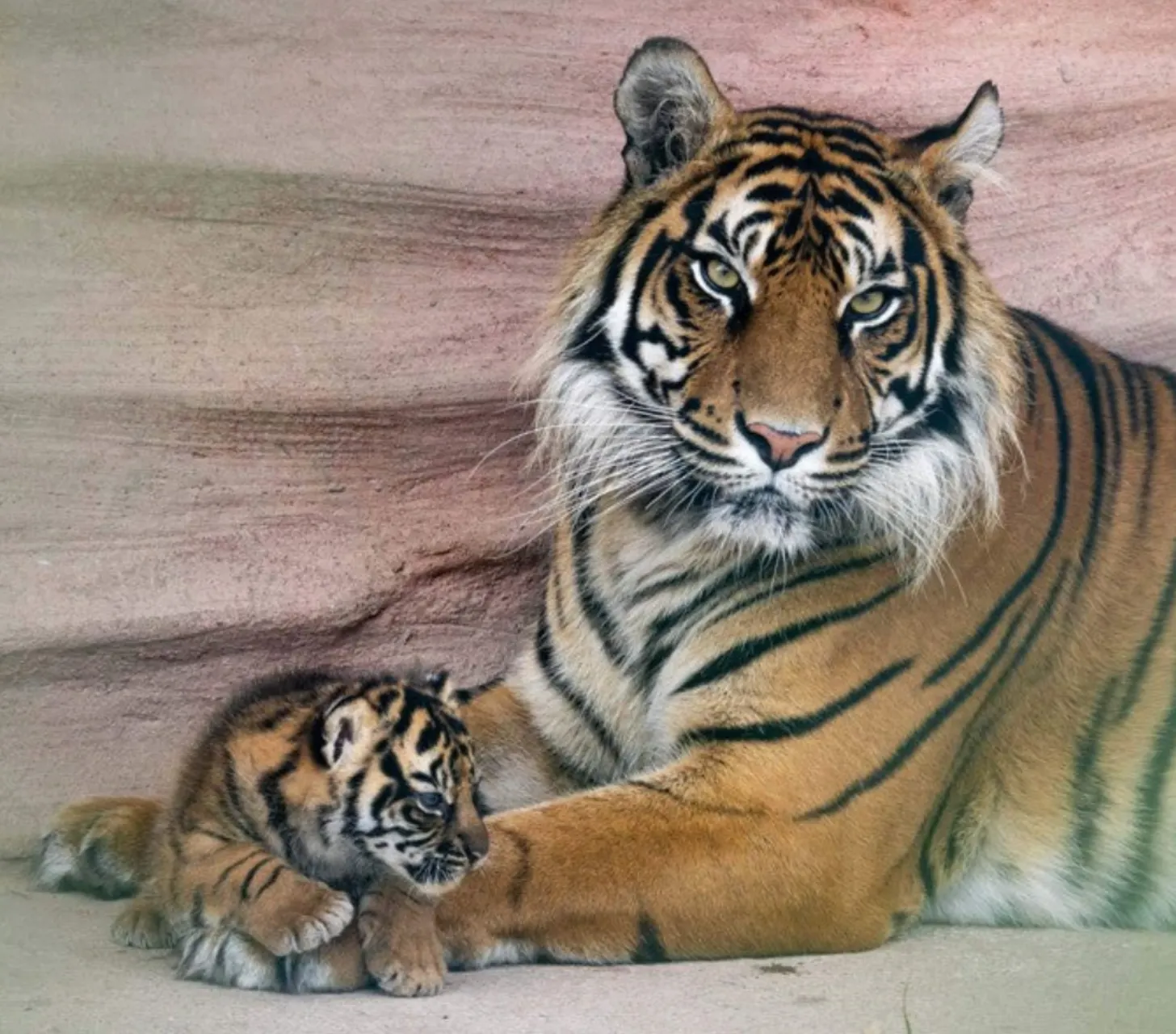
When it comes to the rare tiger, there is a glimpse of hope: On June 16th, Ireland’s Fota Wildlife Park announced the birth of two critically endangered Sumatran tiger cubs. It marked the first time that more than one cub has been born in a single litter at the Park.
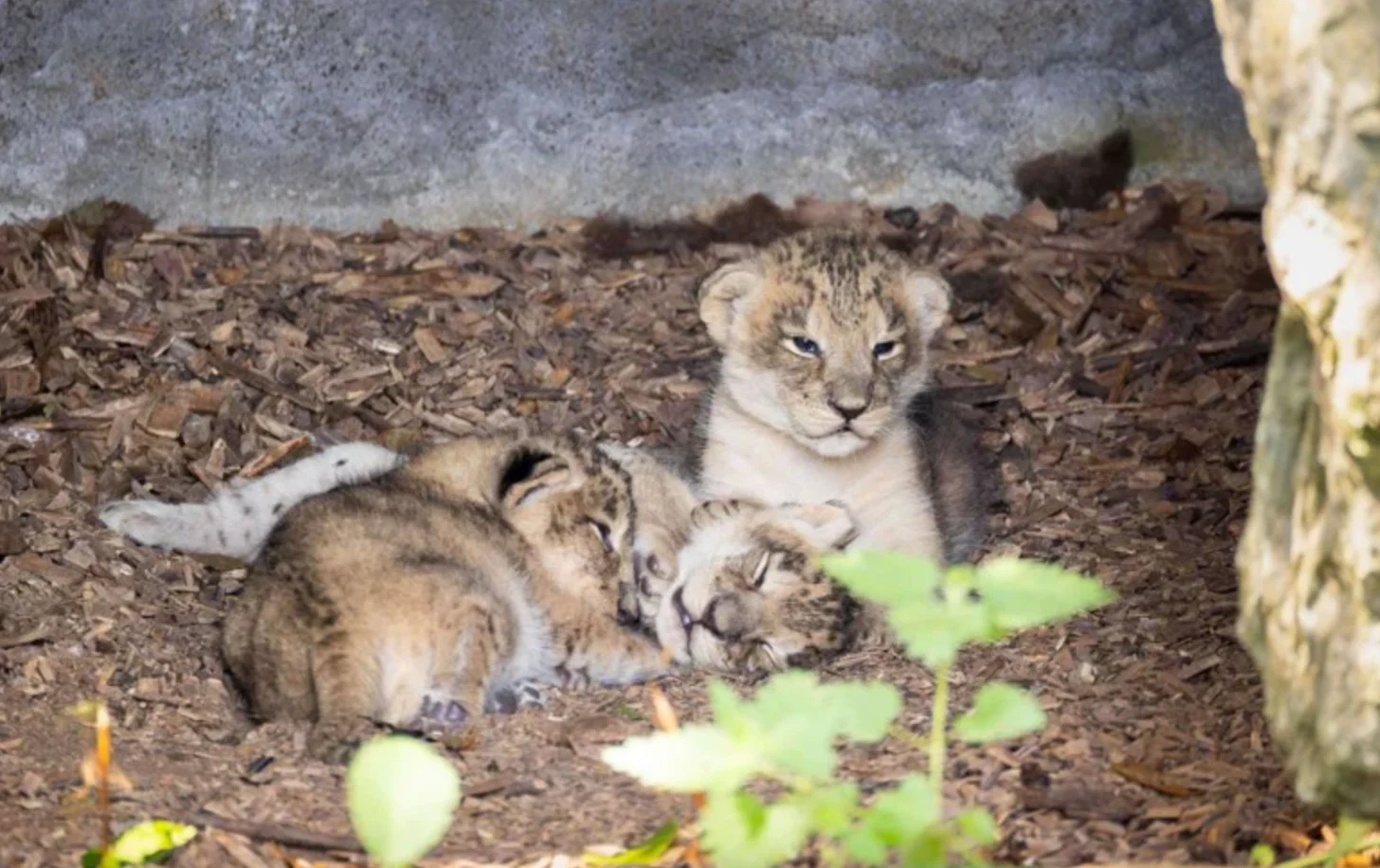
It coincided with the birth of three endangered Asiatic lion cubs, which were born on July 1.
Today, the only remaining population of wild Asiatic lions lives in Gir National Forest, a national park and wildlife sanctuary in Gujarat, India.
“We’re absolutely thrilled to announce the birth of both sets of cubs,” John Leahy, the lead ranger at Fota Wildlife Park, said in a press release.
“I have to pinch myself when I think about the fact that we’re announcing both Sumatran tiger and Asian lion cubs this summer.”
You may also like: Kangaroos cause 90% of wildlife crashes in Australia. This new car feature emits a sound only they can hear
Featured Image: World Travel & Tourism Council (CC BY 2.0)