Amsterdam’s ARTIS Zoo was founded in 1838 — making it the oldest zoo in the Netherlands and one of the five oldest zoos in the world.
When it first opened, it had just a few monkeys, an otter, and a “Surinamese forest cat.” Today, the 35-acre zoo is home to over 6,000 species, many of which are endangered. Its menagerie of animals includes Asian elephants, reticulated giraffes, red pandas, and southern ground hornbills.
The hornbills are large, turkey-sized birds native to sub-Saharan Africa. Male southern ground hornbills have black plumage, red faces, a fleshy wattle, and a long, curved beak roughly 19 to 22 centimeters long.
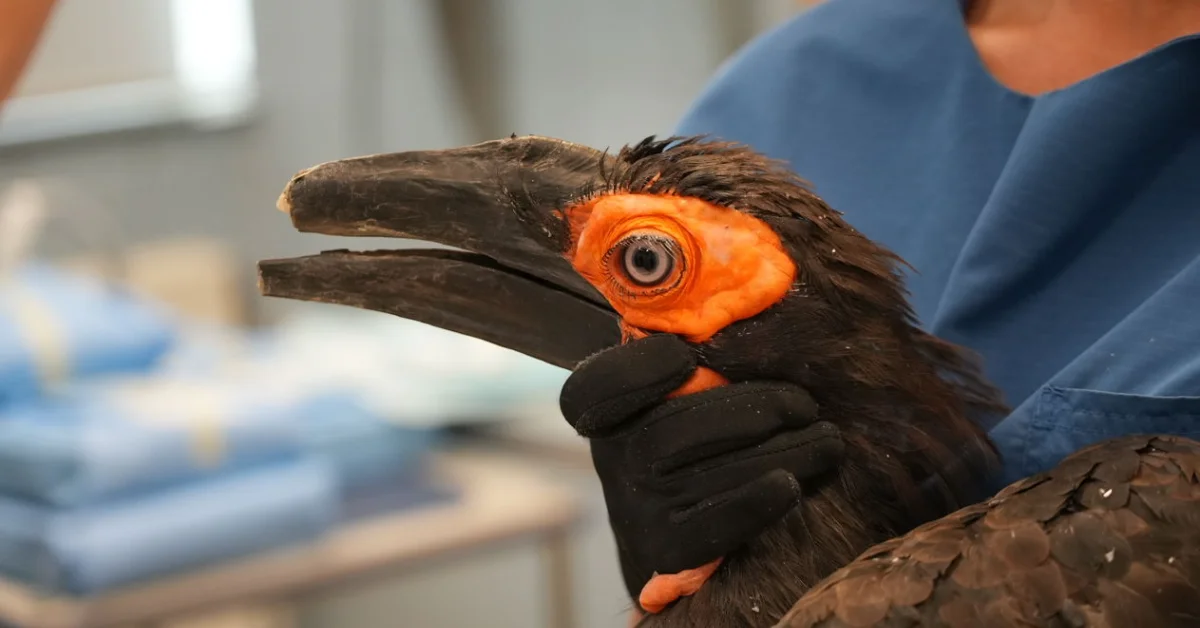
Recently, the veterinary team at ARTIS had an unusual case on their hands: A southern male hornbill had broken both the upper and lower parts of its beak. The severe injury had left him with two misshapen “stumps.”
“He managed reasonably well with them, but he could no longer do everything a hornbill naturally does,” ARTIS veterinarian Martine van Zijll Langhout said in a press release.
Like all birds, hornbills need their beaks to pick up food, preen their plumage, and tend to their young.
“Especially with a young bird that can still live to a very old age, we felt it was important to see if we could improve its quality of life,” van Zijll Langhout explained.
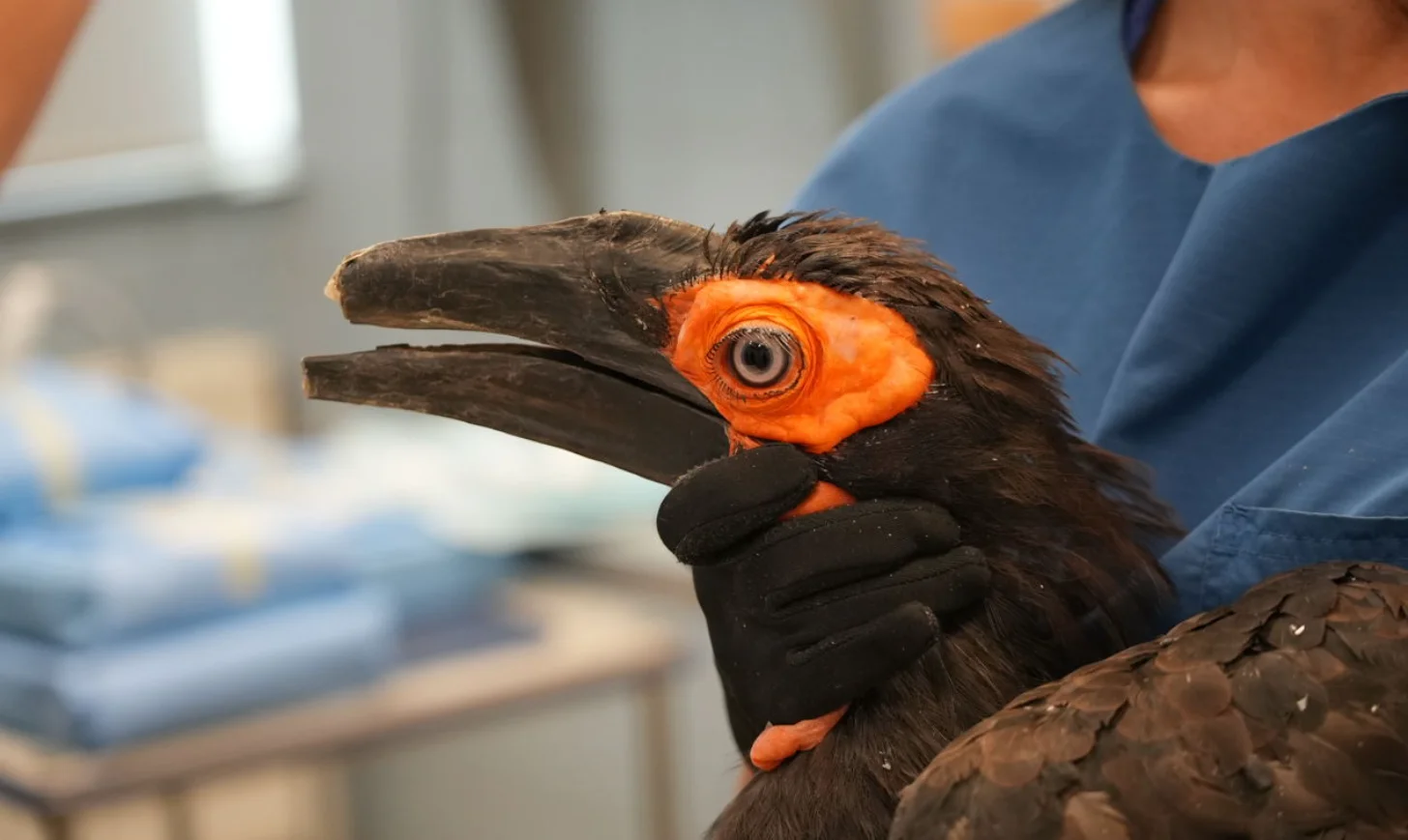
“We could have chosen to do nothing. But together with the Faculty of Veterinary Medicine at Utrecht University, we saw an opportunity to repair his beak with two 3D-printed prostheses.”
There are several famous cases of birds being fitted with prosthetic beaks.
In 2019, Max, a 20-year-old blue-and-gold macaw living at South Africa’s Hyacinth Haven Bird Sanctuary, lost his entire upper beak in a territorial fight.
Two years later, after two 3D scans and a CT scan, Max the macaw received a custom 3D-printed titanium beak in a groundbreaking procedure never performed in South Africa before.

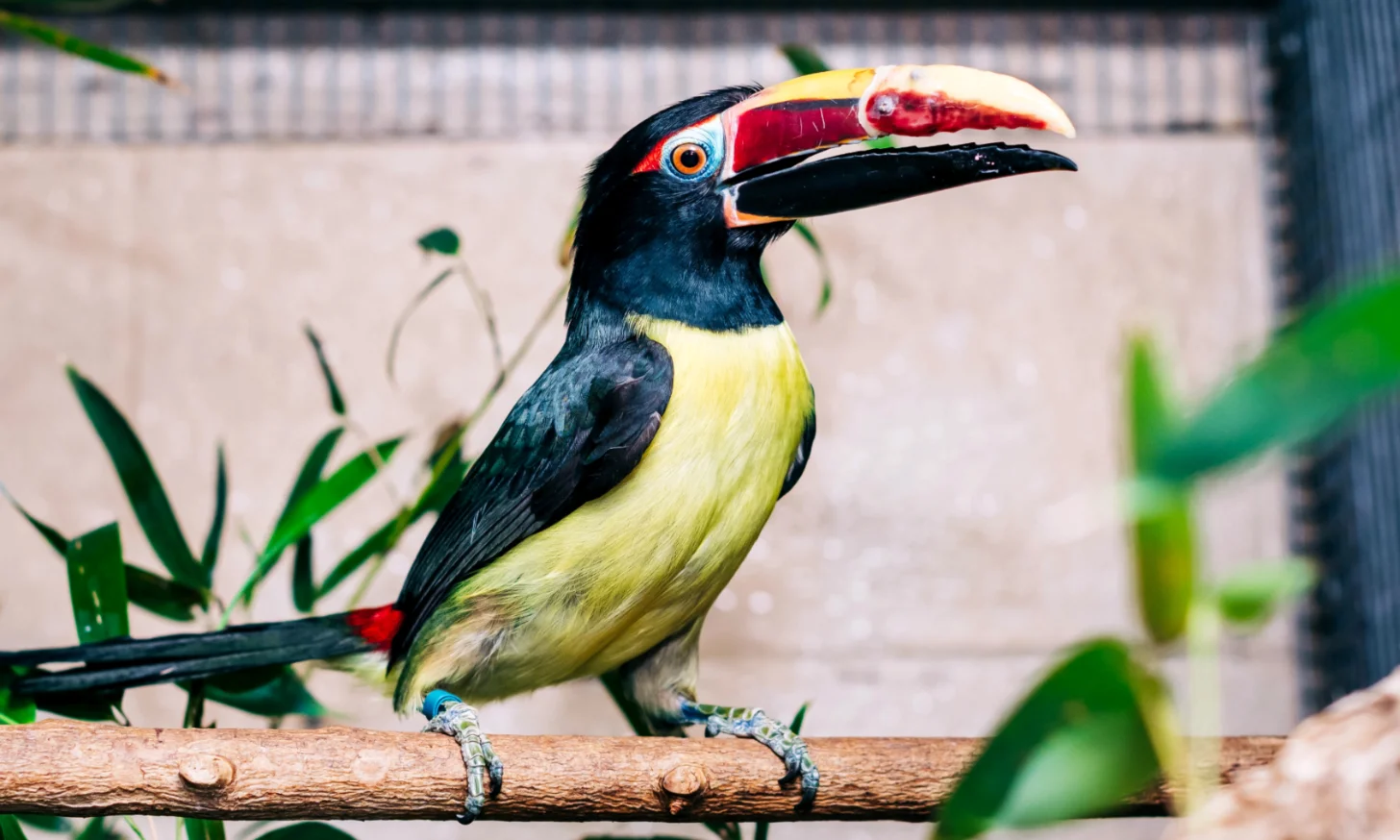
Then, in late 2025, a green aracari bird named Beauregard at the Birmingham Zoo in Alabama damaged his upper mandible when he was just three months old.
Within months, experts from the University of Alabama at Birmingham School of Dentistry created a custom mold for Beauregard that mirrored his specific beak pattern and color.
“There are known cases where birds have been fitted with a prosthesis for either their upper or lower beak,” van Zijll Langhout said. “However, as far as we have been able to find in the scientific literature, it has never before been possible to replace both parts in a bird in this way.”
“That makes this treatment special,” she continued. “Not only because it is technically complex, but primarily because we may have found a new way to improve the well-being of birds.”
If the prosthetic wasn’t shaped perfectly, the southern ground hornbill could reject it. To ensure their measurements were as precise as possible, the veterinarians did CT scans of his head, the remaining stumps, and the broken beak parts at Utrecht University’s Faculty of Veterinary Medicine.

“Based on this, the specialists were able to reconstruct the original shape and design two prostheses,” van Zijll Langhout said. “The beak parts were printed from plastic and attached using titanium components and screws.”
In the end, the custom prosthetic was “virtually identical” in shape to his original beak.
“That is important, because ultimately it is not just about what the beak looks like, but above all about what he can do with it,” she said.
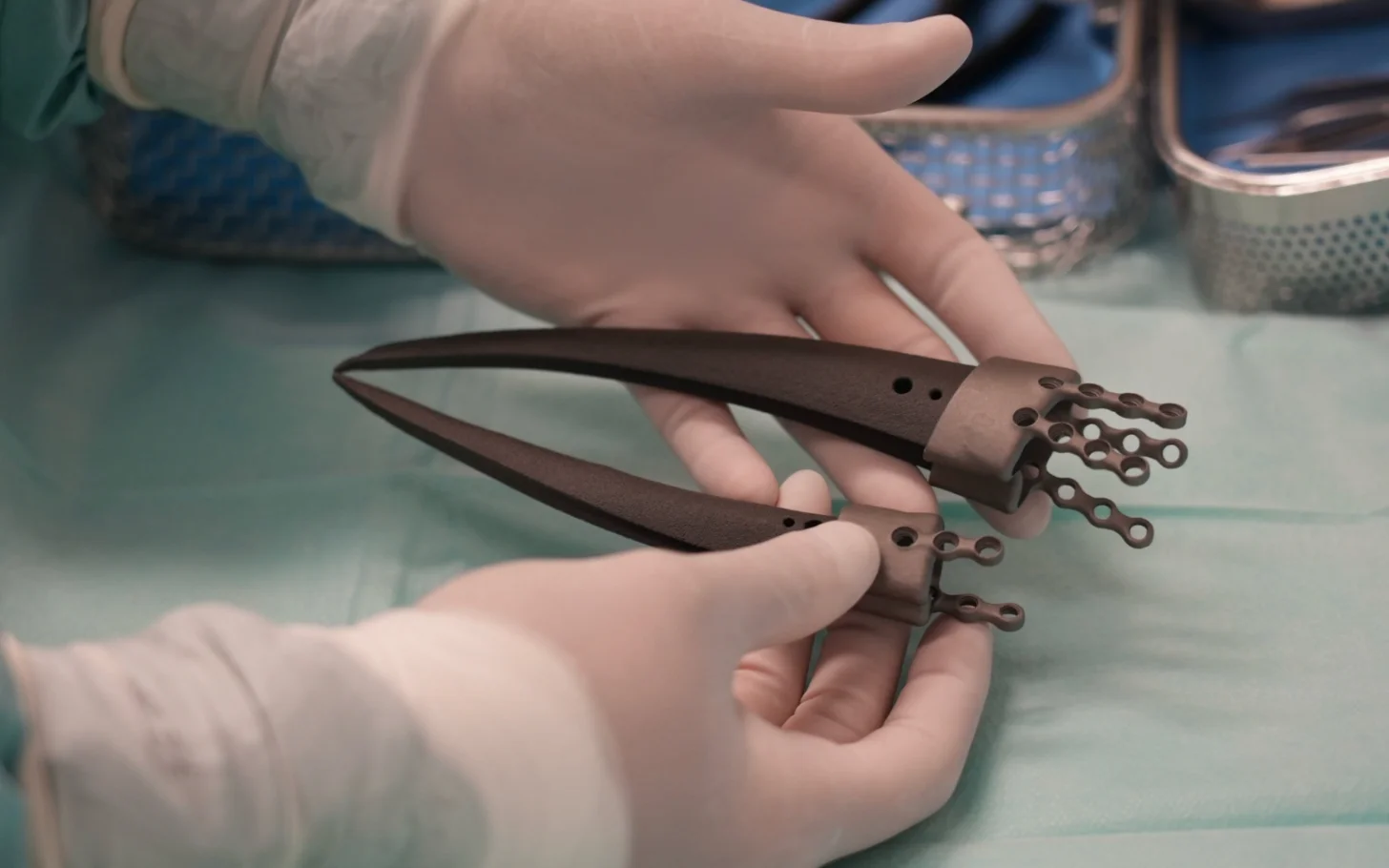
Fortunately, just hours after his operation, the bird was already using his new beak and “smiling.”
“Of course, he had to get used to the shape and the extra weight, but he actually looked comfortable right away,” van Zijll Langhout said. “The next morning, he was already picking up a mouse from the ground again. That same day, he ate independently with his new beak.”
“That was an incredibly important moment for us,” she continued. “He understood that he could use his beak and began to discover for himself what was possible with it … the more often he uses his beak, the more skillful he will become with it.”
The next measure of success? If their hornbill patient will father chicks with his mate — and continue safeguarding the future of their vulnerable species.
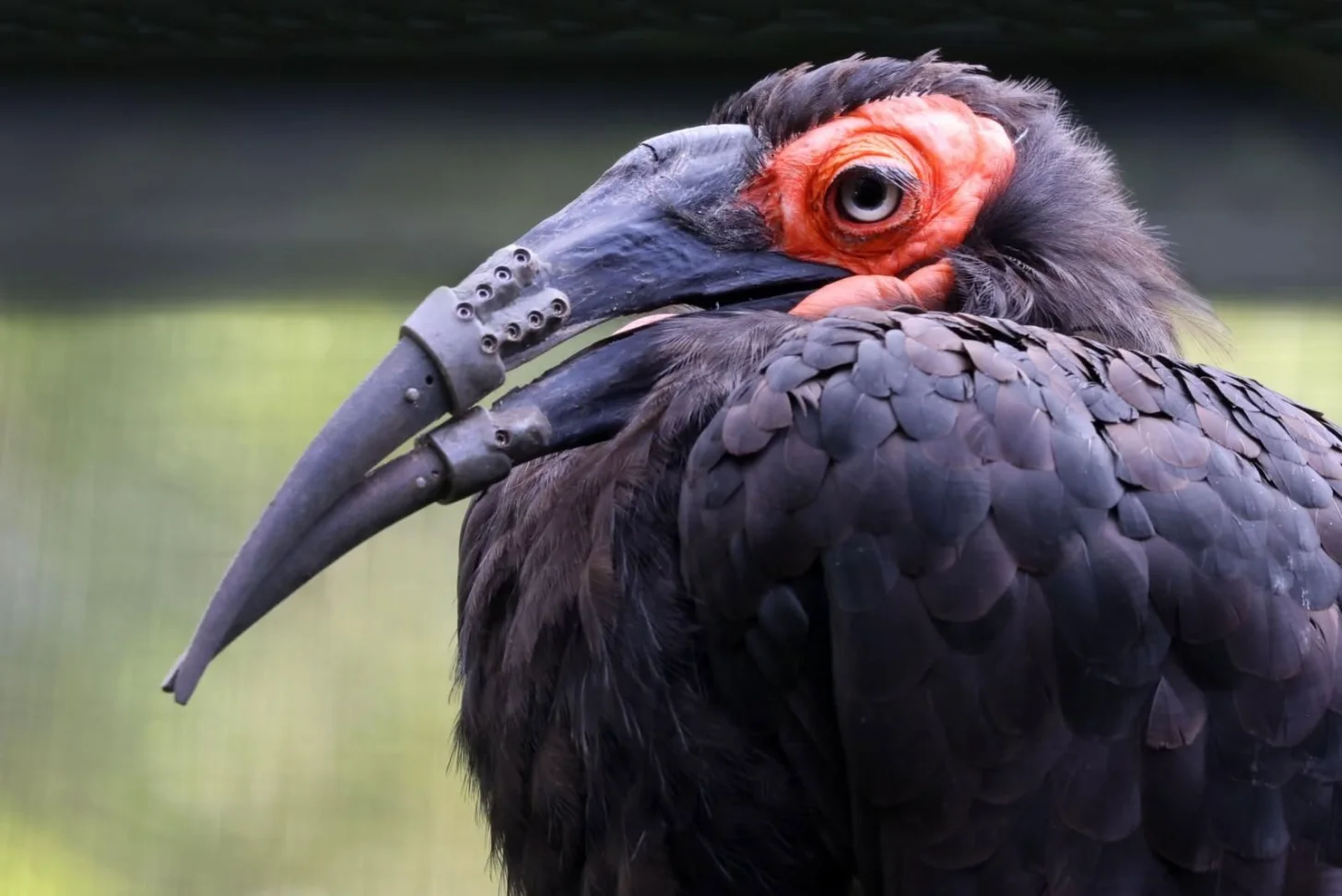
“We hope that the pair will have offspring in the future,” van Zijll Langhout said. “A well-functioning beak can also be important for mutual interaction and for caring for the young.”
“The hope is that the prostheses will also function well in the long term — but the first results give reason for optimism,” she said. “[It’s] a remarkable medical development, with one goal at the forefront: To give a bird the opportunity to be itself as much as possible again.”
You may also like: Meet the first bear to ever receive a prosthetic paw: 'We do whatever it takes to help'
Featured Image: ARTIS/Facebook