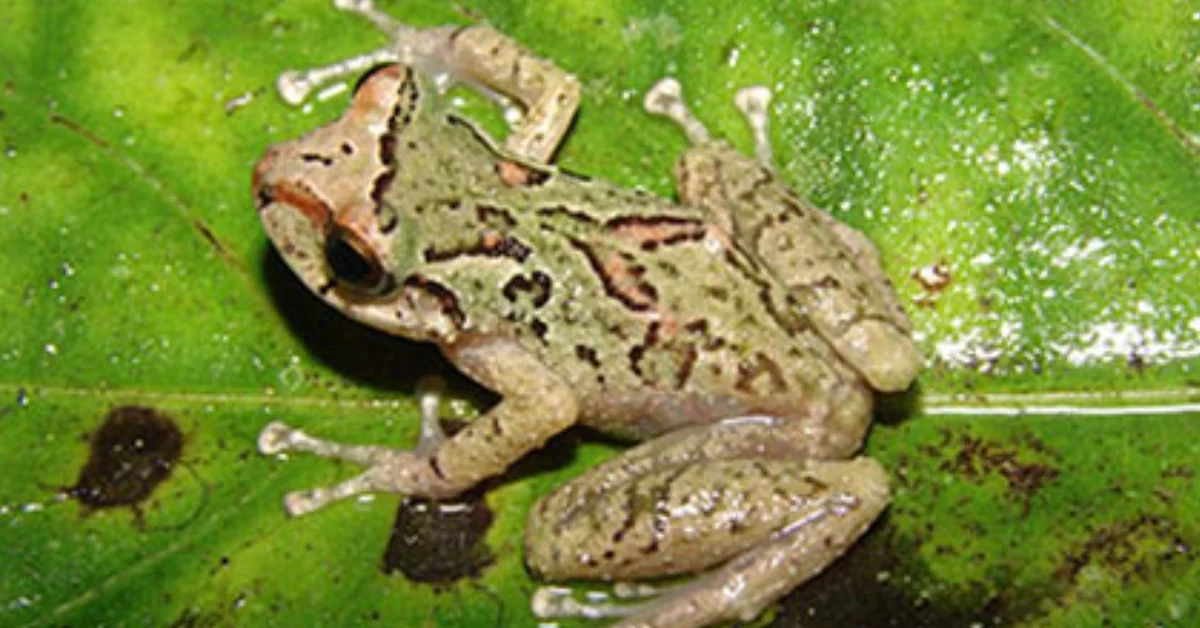
- The municipality of San Vicente in the Philippines’ Palawan is a vital nesting ground for Olive Ridley sea turtles.
- Nesting turtles and their eggs face an array of challenges. Predation by dogs is the most immediate threat, but rising sea levels, more severe storms and tourism development plans also loom large.
- To try to protect the turtles, Large Marine Vertebrates Research Institute Philippines, a Philippine-based NGO, runs a research project and works with paid patrollers to monitor and protect turtles and their nests.
- Community involvement is key to the group’s conservation efforts.
When Jerald Mahusay was a kid, he and his friends saw turtle eggs so often, they treated them like toys.
“We were always playing with the eggs,” Mahusay recalled of his childhood in Santo Niño, a village in the Philippines’ Palawan province. “We didn’t know why they are important.”
Mahusay’s relationship with turtles has changed. In 2023, he started working as a patroller for the Large Marine Vertebrates Research Institute Philippines (LAMAVE), an NGO that conducts marine research around the country, including a turtle monitoring project in Palawan. This year, Mahusay was promoted to head of the local patrol unit and research assistant for LAMAVE’s turtle project.
Santo Niño is located in San Vicente, an agriculture and fishing municipality that is a vital nesting ground for olive ridley sea turtles (Lepidochelys olivacea), classified as vulnerable on the IUCN Red List.
However, nesting turtles here face a myriad of challenges. The most prevalent is a largely unchecked stray dog population, but higher tides and more frequent storms caused by climate change loom large, as do plans to develop the area for mass tourism.
On patrol
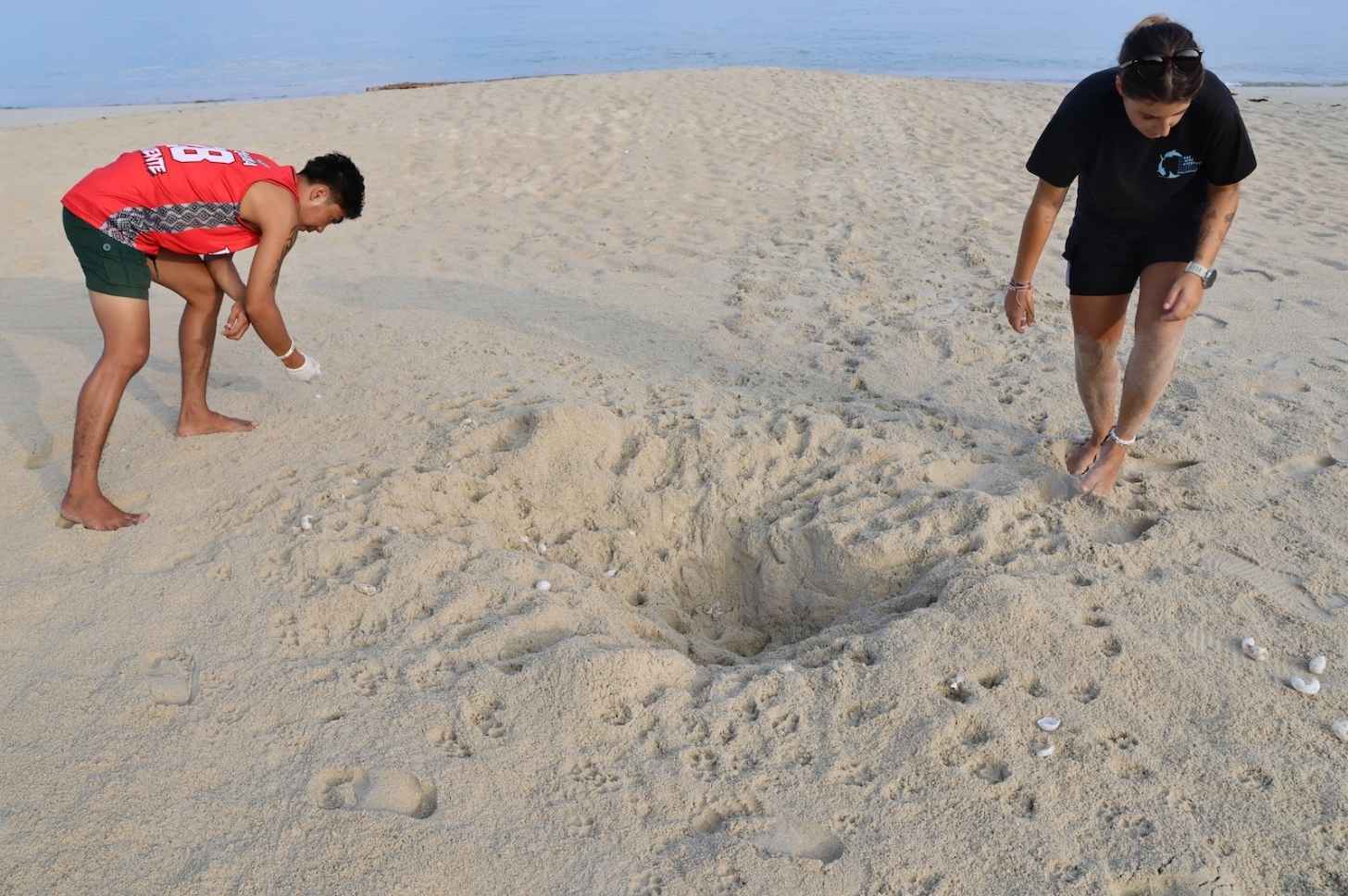
During peak nesting season, volunteers and local patrollers walk more than 5 miles in five shifts each night and early morning.
When they find a turtle, they’ll wait for her to finish nesting, shooing away dogs when necessary. Before she re-enters the water, they’ll measure her carapace, take photos of the unique scute pattern on her head, which acts as a fingerprint that can be used to identify her later, and take a biopsy from her fin for future genetic sampling.
Sometimes, they find a nesting turtle that encountered a dog, bleeding in the sand, fin torn away from her body, exposing smooth bone underneath. In those cases, they wait for the injured turtle to take her last breath, so they can remove the eggs and take them to one of their two hatcheries.
“Some people cope better with that than others,” researcher Klara Simon said. “In the end, even though she’s dead, at least her babies survive.”
When they find a nest, the eggs are dug up, counted, placed carefully in a bucket and brought to a hatchery. In past seasons, researchers found that most, if not all, nests left “in situ” on the beach were eaten by dogs or flooded by the tide.
Inside the hatchery, rows of nests make small circles in the sand, circumscribed by green, plastic netting. A researcher recreates the dimensions of the original nest and places the eggs in. They check on the nests daily every few hours.
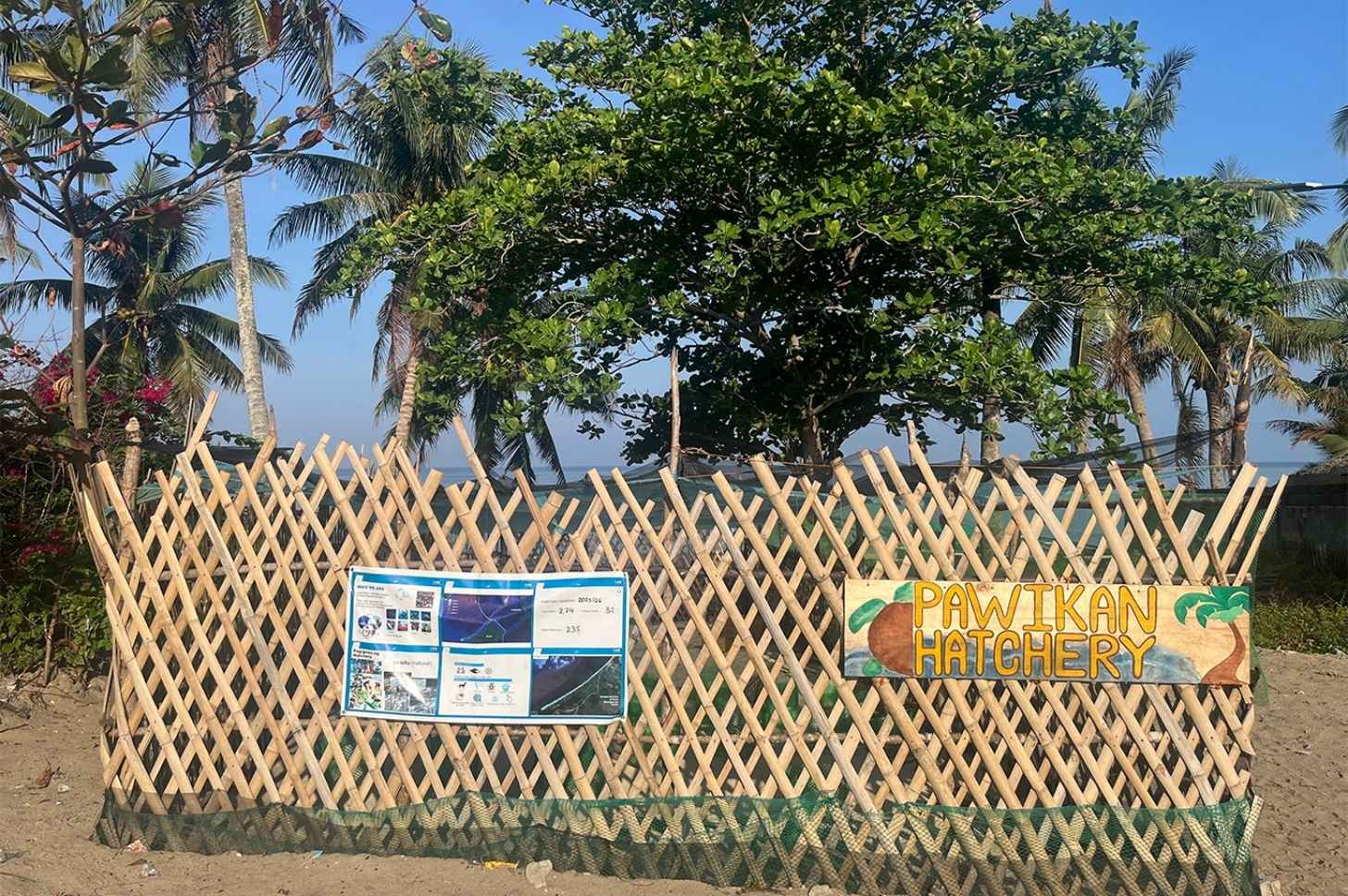
About two months after the eggs are laid, they will start to hatch. In the early mornings or evenings, researchers and local patrollers take the hatchlings that surfaced that day, sometimes a hundred at once, and place them on the shore, where they begin their race to the West Philippine Sea.
During this crawl, scientists believe the turtles are able to take a geomagnetic imprint, allowing them to return to the region where they were born.
Once in the sea, only about one in 1,000 will survive until adulthood. That survivor will spend up to 15 years at sea before reaching sexual maturity and making the journey back to the island where it was born.
In that time, the beaches will see much change.
San Vicente has seen an increase in tourism in recent years. Century Properties, a luxury developer, purchased 138.4 acres, with plans to build a beachfront resort. Another major developer, Megaworld Corporation, has broken ground on “Paragua Coastown,” expected to be 1,142 acres. On its website, Megaworld advertises San Vicente as “an undiscovered haven ready to welcome you,” with mock-ups of solar panel clad condominiums and paved tree-lined roads built over the beach.
Residents, according to Mahusay, have mixed feelings about more development.
“Excited, but sometimes nervous,” he said.
The threat of dogs
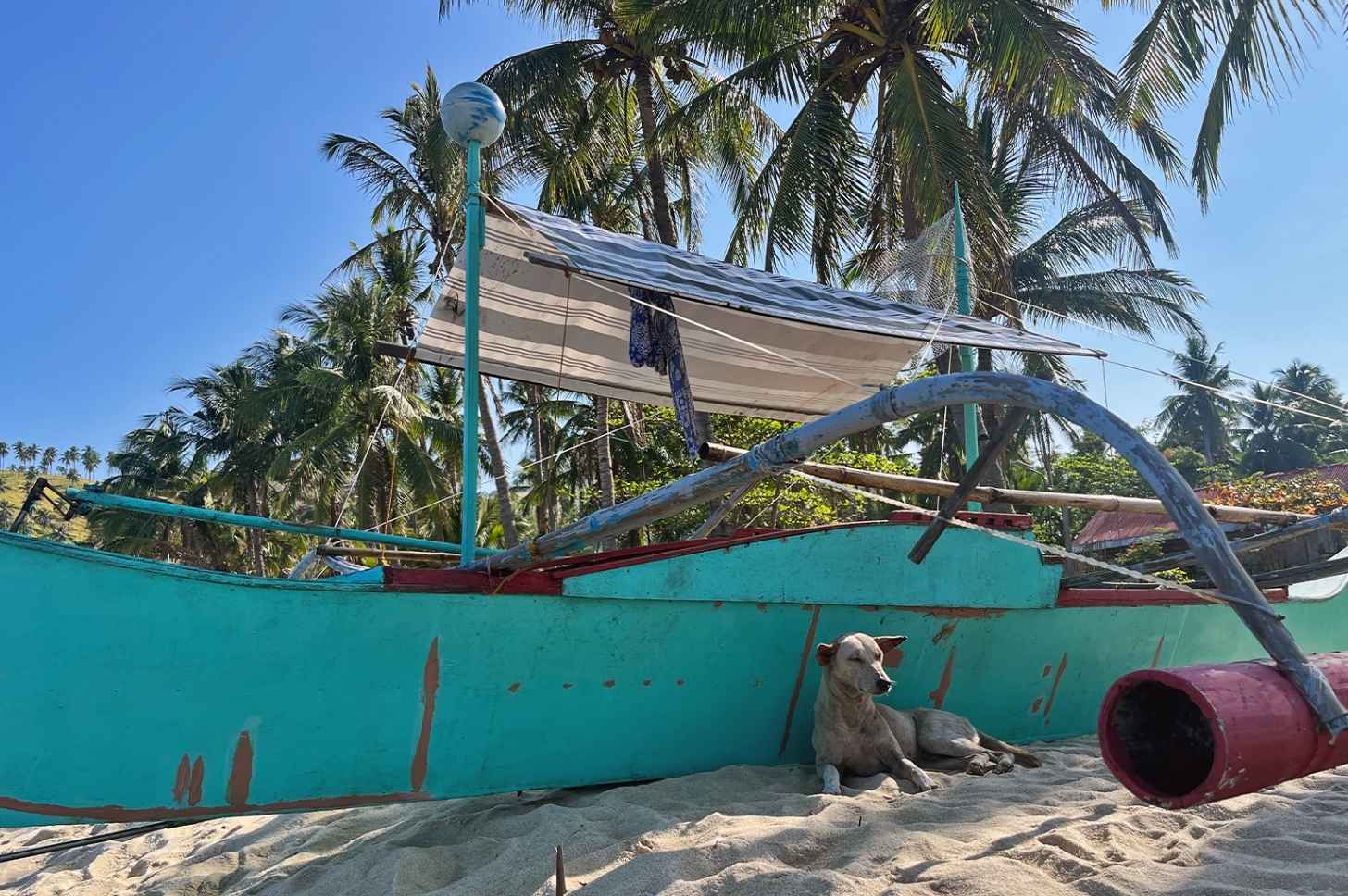
The dogs, currently the biggest threat to the turtles, will likely remain. Many of the dogs are cared for by residents, while others are strays. The distinction is challenging, as there is no veterinarian in the area, so microchipping, spaying, and neutering is not common.
While the Philippines’ Anti-Rabies Act of 2007 requires dogs to be registered, vaccinated, and leashed, the enforcement and impounding of strays is up to local governments. San Vicente has a local ordinance that prohibits the presence of strays and authorizes an animal shelter, but the ordinance is not enforced and the municipality lacks the resources to build and staff an animal shelter.
Researchers have sought other solutions. They noticed a concentration of dead nesters and predated nests in one portion of the beach, so they approached the land’s caretaker, Reymundo Munding, who owns eight dogs.
“We talked to him and we included him in the patrols,” project leader Kalei Suza said.
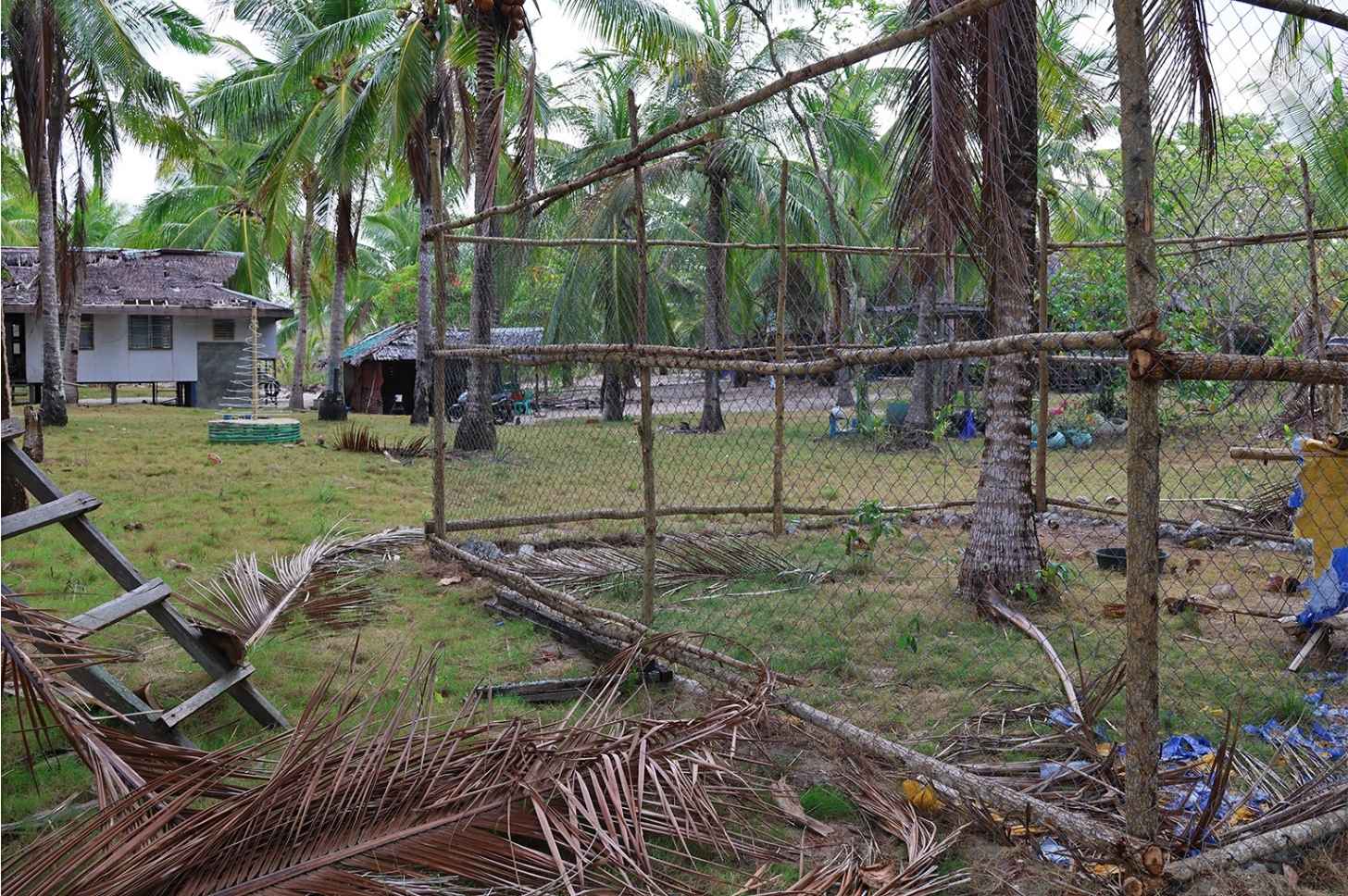
Munding, speaking through a translator, said he’s lived on the property for 15 years. Sometimes he goes out to fish for squid at night, leaving the dogs out to protect his family.
One morning, around 3 a.m., patrollers found a dying turtle near his property. They waited five hours for her to die. Later, as more researchers joined the patrollers, they encountered Munding, who came with them to see the turtle.
“He walked with us, and he was so heartbroken, because he’s seen how much effort we’re doing, that we don’t really have sleep,” Suza said. “Then boom: He asked us, ‘what can we do for this to stop?’”
Munding agreed to let LAMAVE build a fenced enclosure on his property to contain the dogs at night to protect the turtles.
However, many residents do not want their dogs fenced in, said Santo Niño Barangay Secretary Veronica Estropia. So, for now, the dogs remain, making human intervention crucial for hatchlings to survive on the quiet beaches of San Vicente.
The threat of storms
Meanwhile, storms and high tides present another rising threat to the hatchlings.
“It’s not natural for Palawan to be hit by typhoons, but because of climate change, a lot of storms have been hitting Palawan directly,” Suza said.
In January, the researchers recorded the high tideline during a typhoon and compared it to the locations of the nests found during patrols. If the nests hadn’t been relocated, they would’ve flooded.
“These animals have evolved to survive despite having a lot of calamities around them, but since we, as humans, are present, they now face a lot of threats,” Suza said.
The future
Yet, the researchers remain hopeful, especially about the ways the community has engaged with the project. Researcher Emelie Gottschling recalled a time that one of the local patrollers came to the project house, where the researchers live and work for the duration of the project, on his day off.
“He came with a bike to inform us that other locals found a nest on the beach,” she said. “We went there together, and they had put a blanket on top of the nest, secured with stones, to mark where the nest was and to protect it from the dogs.”
Together, they relocated the nest.
Roldán Valverde, scientific director of the Sea Turtle Conservancy, based in the U.S. state of Florida, said relocating eggs to hatcheries should only be used as a last resort, as the move can agitate the eggs and some hatcheries are mismanaged.
It’s a good sign, he said, if the people running a hatchery release the hatchlings quickly after they emerge. As for LAMAVE’s program, the photo identification and genetic data could offer more insight into the movement of olive ridley turtles in the Philippines, Valverde said.
According to LAMAVE’s data from last season and preliminary data from this season, in the hatcheries, around 75% of the eggs in a nest will hatch. To compare, when untouched by predators, hatching success rates of 80% or higher are common for in situ olive ridley nests.
But hatchery management, Suza said, is not the end goal.
“We still want the turtles to nest in their regular, natural place where they want to nest, because mama knows best,” she said. “But it calls for an expansion of community efforts. We need people to know and own the responsibility of taking care of the turtles.”
Despite the many challenges, the researchers hope that when a hatchling returns to the white beaches of San Vicente, she will arrive at a place where she and her offspring will be looked out for and protected.
This article was originally published on Mongabay.
Featured Image: Large Marine Vertebrates Research Institute Philippines/Facebook