When most people think of animals that support grueling search and rescue efforts in the wake of disasters, crime, or conflict, they picture dogs. And those canines can really make a difference.
But one thing they can’t do for long periods of time is do this work underwater.
So, Michael Hadsell, president of Florida-based Peace River K9 Search and Rescue, has turned to river otters.
Specifically, Splash.
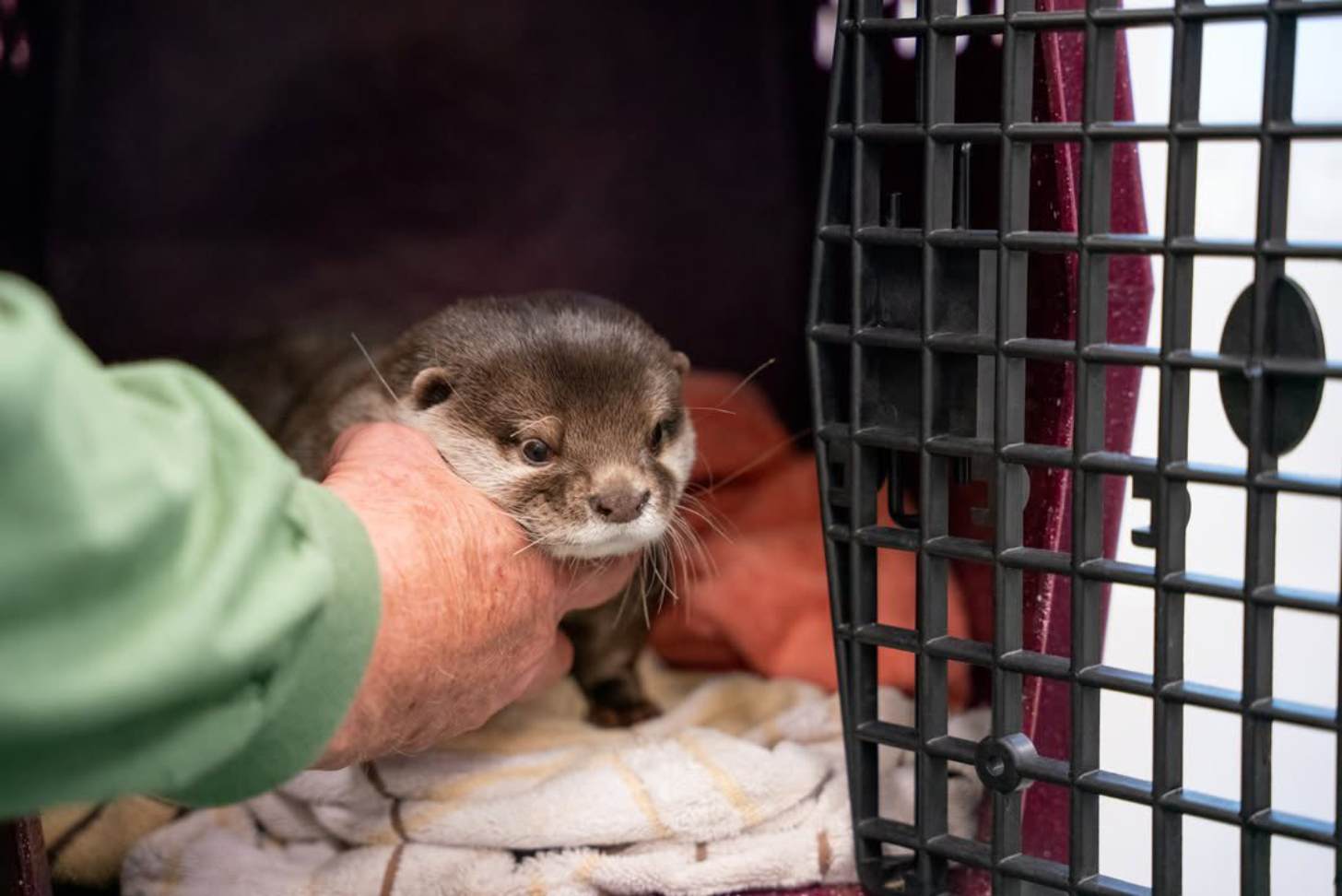
Splash is a 2-year-old Asian small-clawed otter who has been trained to assist in underwater search and recovery missions. He’s turned into something of a celebrity, believed to be the only otter in the country who has successfully been trained in this work.
After 46 years in the search and rescue world, Hasdell has worked with canines, horses, and drones across the United States and internationally. Once he realized there was a need to improve underwater missions, a spark of inspiration took hold.
“I was reading an article on a flight back from Los Angeles about otters and how they possibly can work odor underwater, and hunt underwater using odor and using their whiskers,” Hadsell told AAHA, a magazine of The American Animal Hospital Association.
“And I started thinking, well, if they can work odor underwater, then we can train them.”
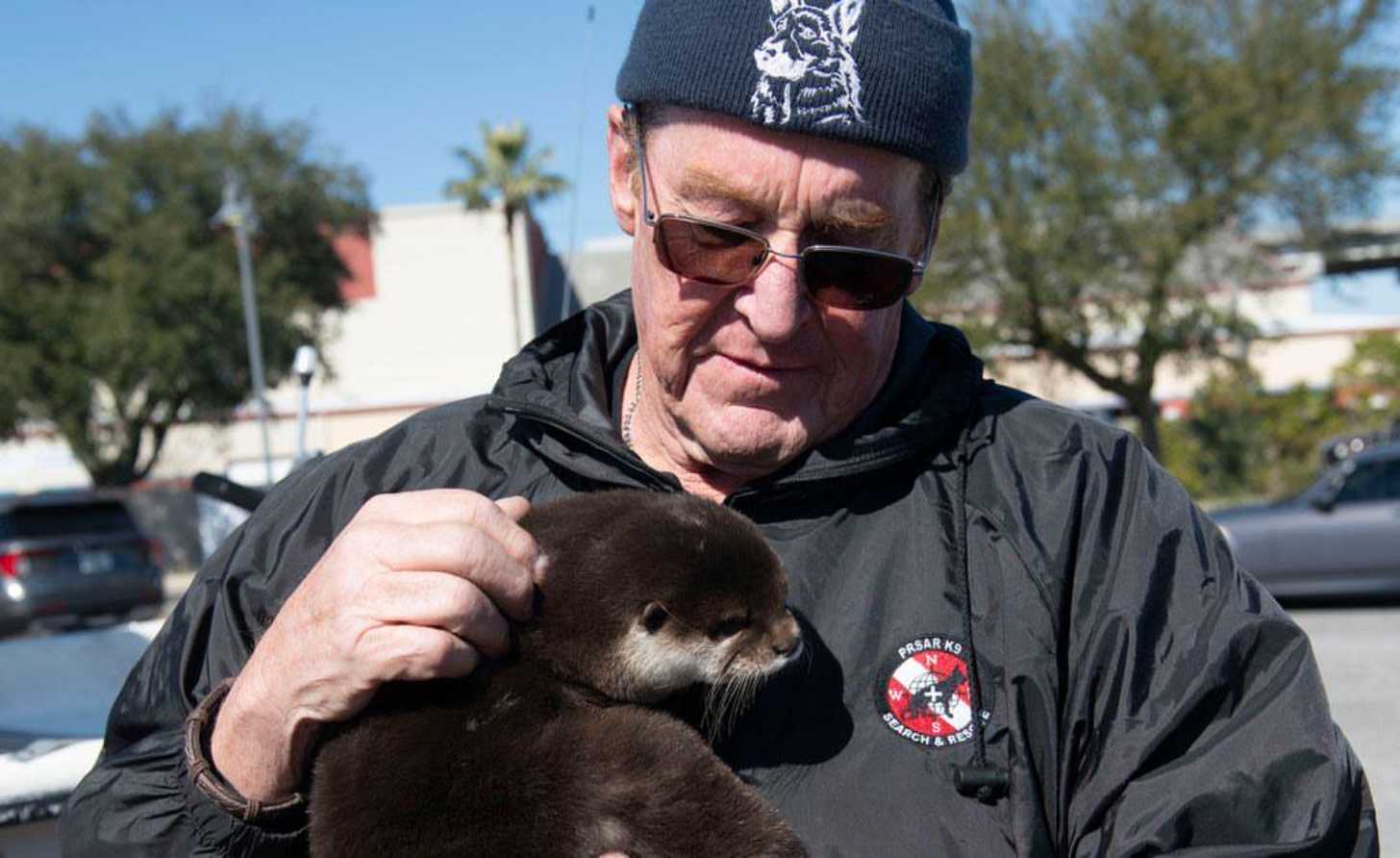
Soon, he was a man with a plan.
Hasdell went to Mote Marine and Aquarium in Sarasota, Florida, where he observed trainers working with otters. He realized it was extremely similar to training a dog.
“I realized at that point that, yeah, I think we can do this. We can make this happen,” he told AAHA. “And so, we went to work.”
As it turns out, otters’ are incredibly intelligent and have strong sensory organs that can sniff out human remains. While Splash is mostly focused on search and recovery — not rescue — his role is paramount to bringing closure to people who may have lost a loved one.
In fact, bodies of water like oceans and lakes have long been places where human remains are never recovered.
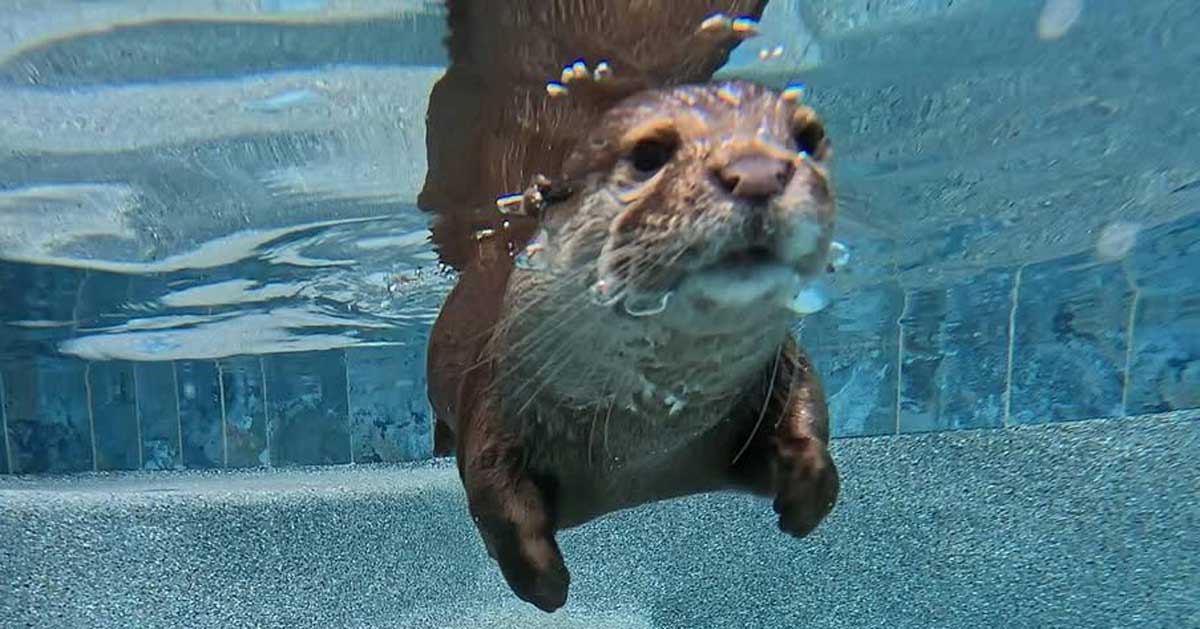
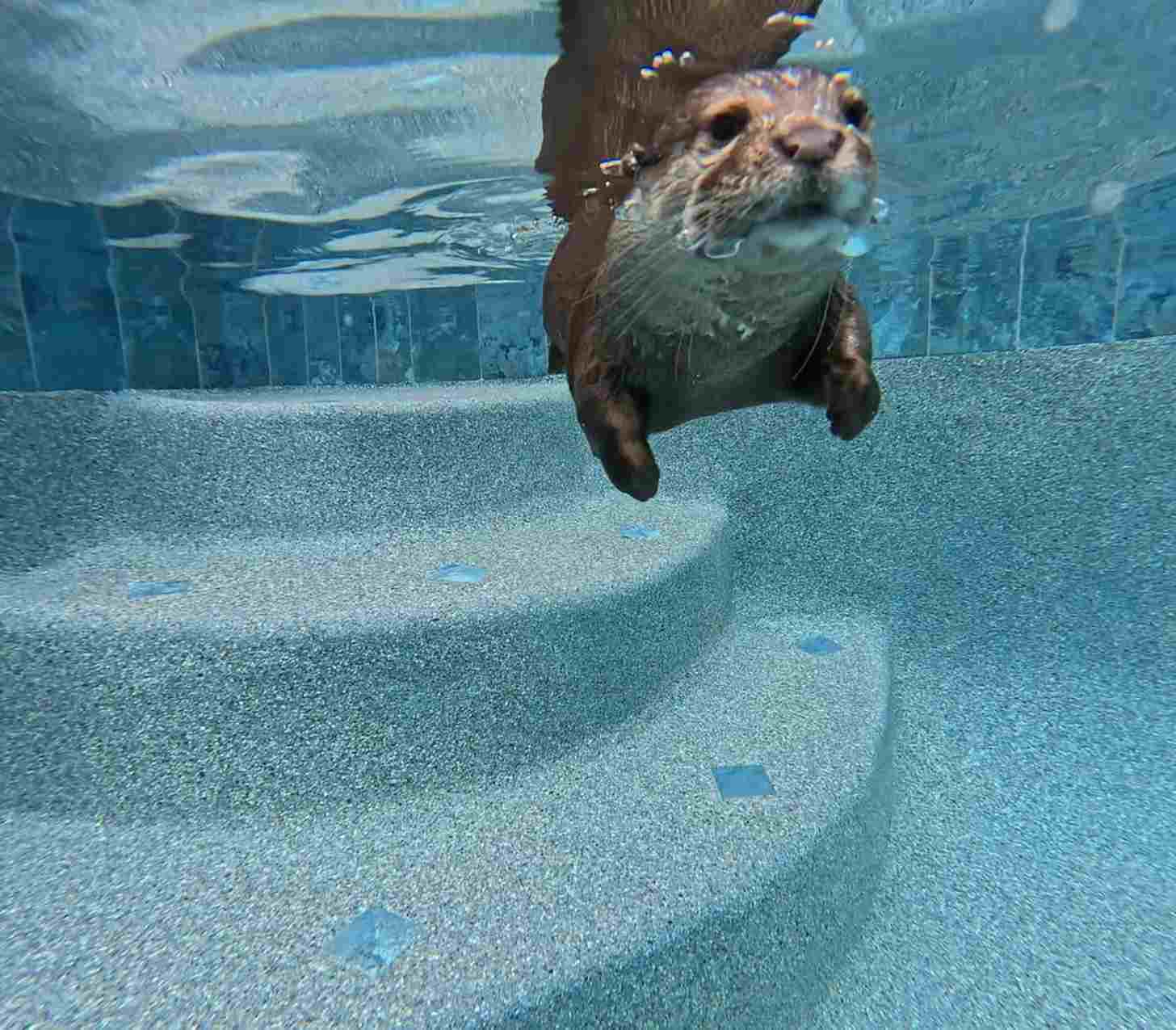
But Splash can hold his breath for five minutes, and he’s easy to train. In his home swimming pool, Hasdell hides an object that’s been marked with the odor of human remains, then places the same smell on a ball on the end of a stick. When he gives him a signal, Splash will sniff the ball and dive into the pool to seek out the target.
Otters smell underwater in a unique way: Blowing bubbles at a target and then quickly breathing them back in, where they absorb odors. Once Splash captures an odor target, he alerts his handlers, who are often diving with him.
“He comes up and starts grabbing my mask to tell me he’s got something, and he’s not going to let me get away until I start moving forward,” Hasdell said.
Splash wears a custom harness to be attached to Hasdell underwater, and once he spots a scent target, he lays on top of it so humans can mark a precise search area.
And when Splash is successful, he gets a piece of salmon.
“It has to be farm-raised salmon,” Hasdell quipped to Outside Magazine. “He won’t eat wild salmon.”
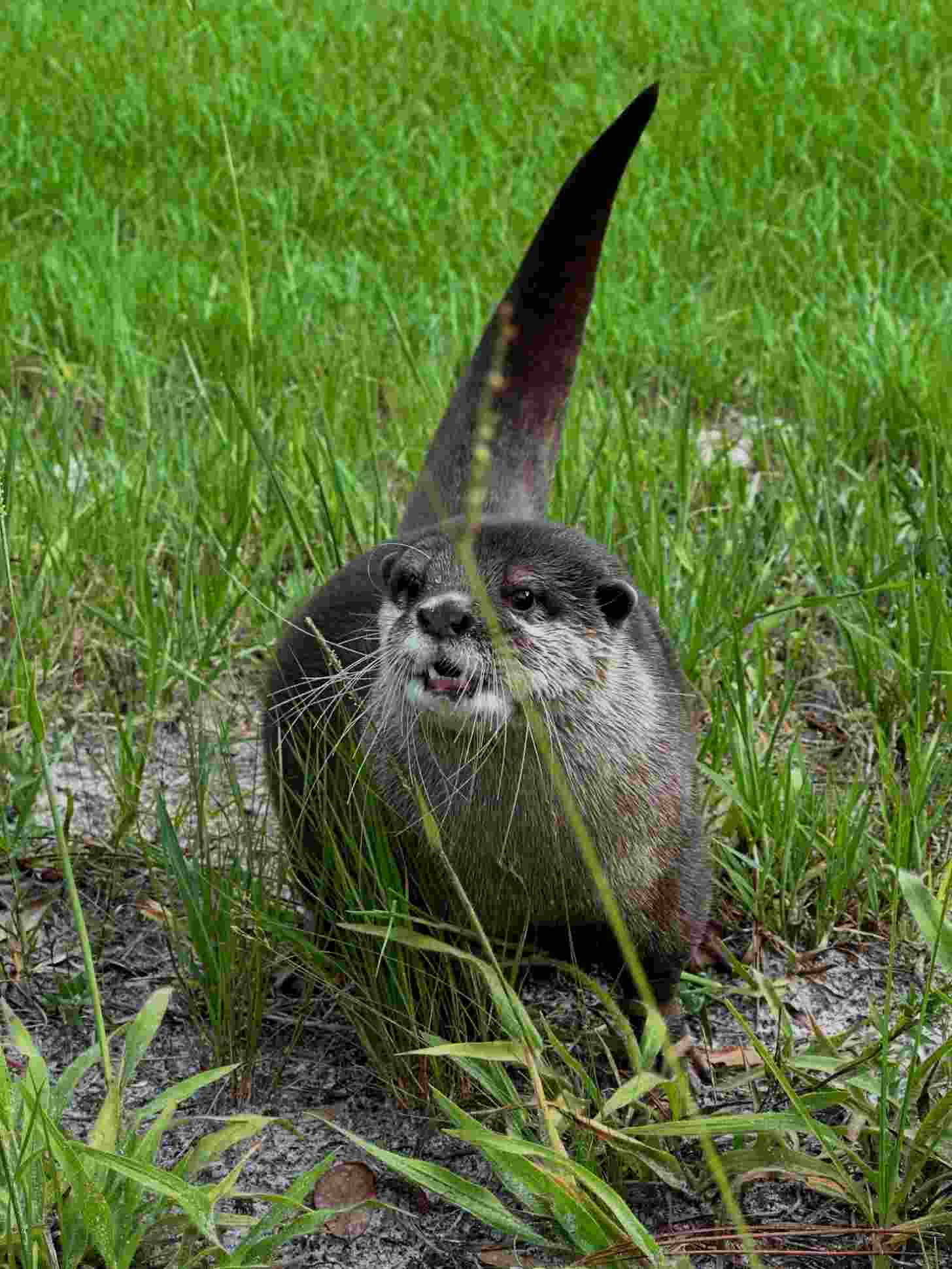
So far, Splash has been successful in the field. After four months of training, he was able to help recover a weapon used in a 25-year murder case. At just 8 months old, he was also able to locate human DNA on a clay brick at the bottom of a lake, bringing closure to the family of a murder victim.
And he’s been called on at least 20 other recovery missions since.
There are still safety concerns that keep the otter safe and well. Splash can work in all kinds of water — freshwater or salt water — but even if it’s perfectly clear, he is not allowed to go any deeper than 30 feet, and if currents are strong, he stays back, too.
“The search has to qualify for the otter, or we don’t use him,” Hasdell told AAHA.
And then, of course, there are predators in open waters that pose a risk to Splash.
“I have folks on the team who wear shirts that say ‘Otter Spotter’ on them,” Hasdell added. “They watch for alligators and anything else, so they’re constantly keeping track of him so we know where he is and where the dangers are.”
Otters are also sensitive to illness, though Splash’s protective oil often keeps him protected in murky waters. But on rare occasions, he needs a bath with Dawn dish soap, and then he has to take a few days off to let his oils balance out.
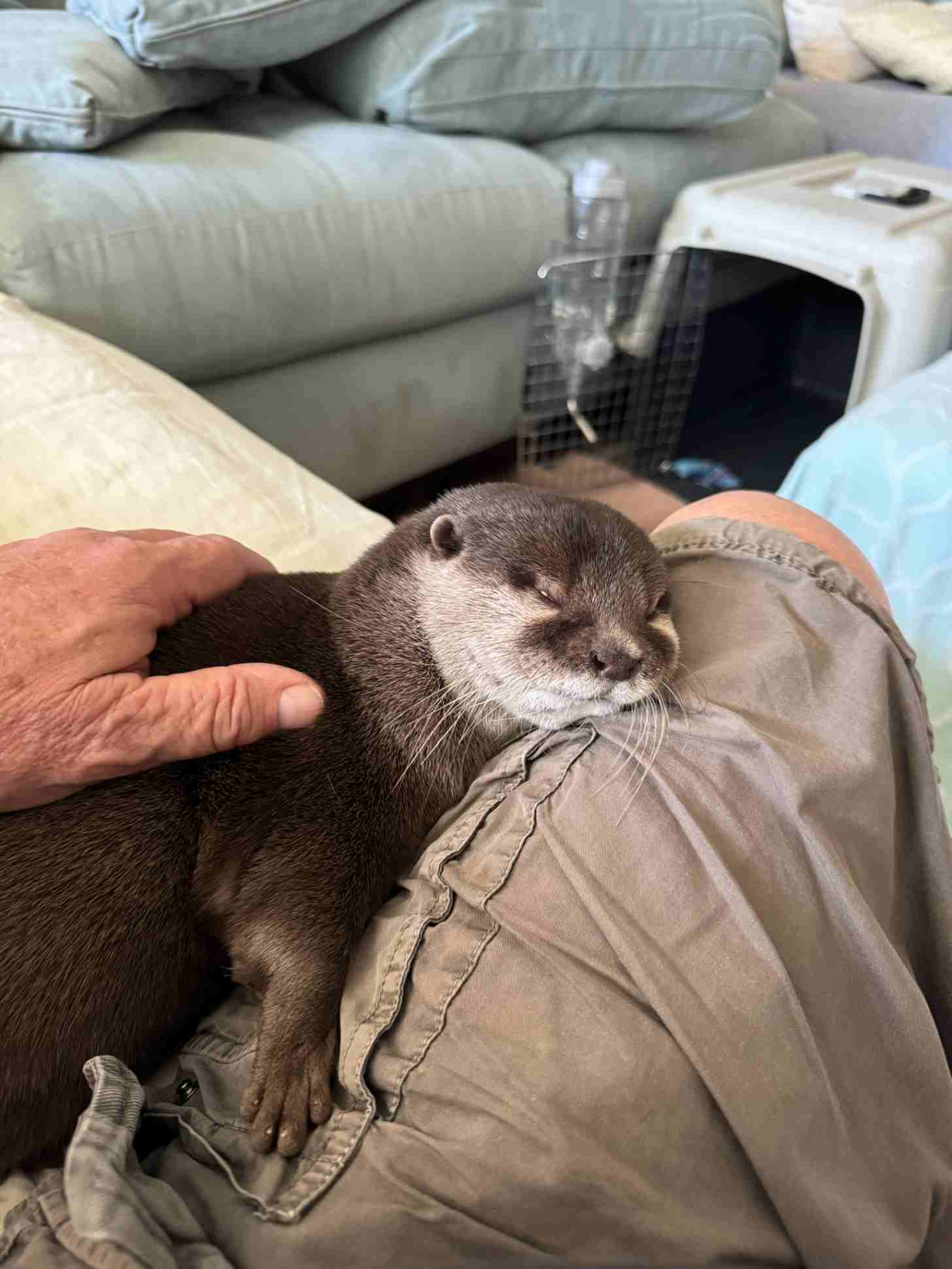
As finicky as his nature may be, Splash has become a beloved member of the PRSARK9 team, even working alongside search and rescue canines, like his best buddy, Nova.
“He’s out there with the rest of them, wanting to do his thing,” Hadsell told AAHA. “He’s part of the team now.”
You may also like: Scientists are building cyborg cockroaches to create the world’s smallest search and rescue workers
Header image courtesy of Peace River K9 Search and Rescue