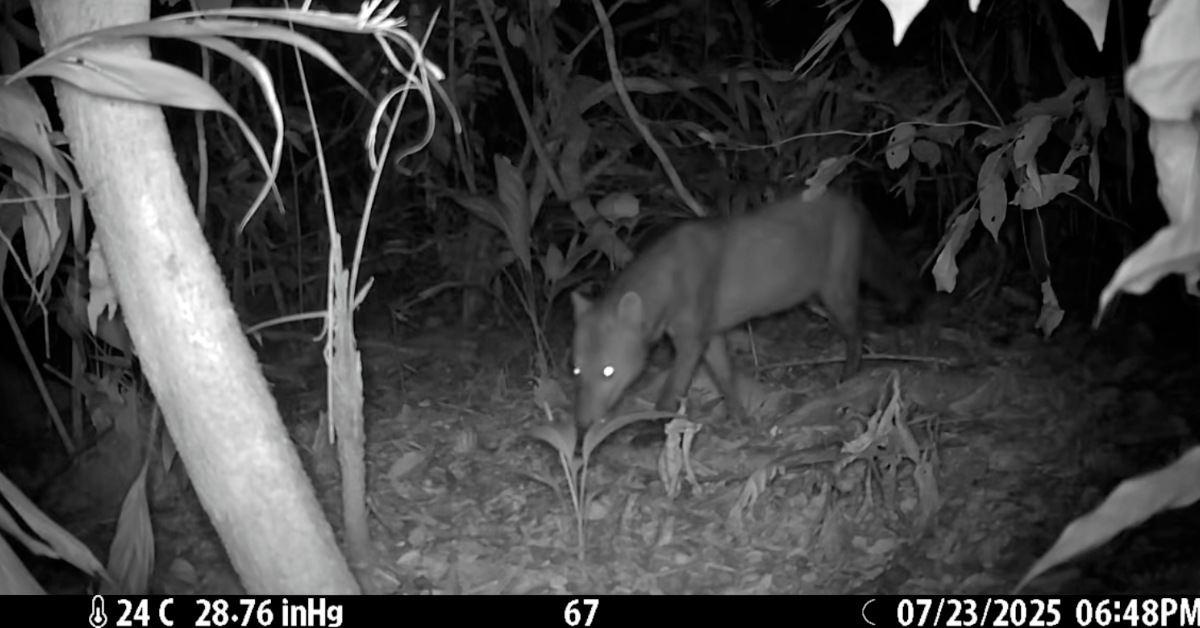
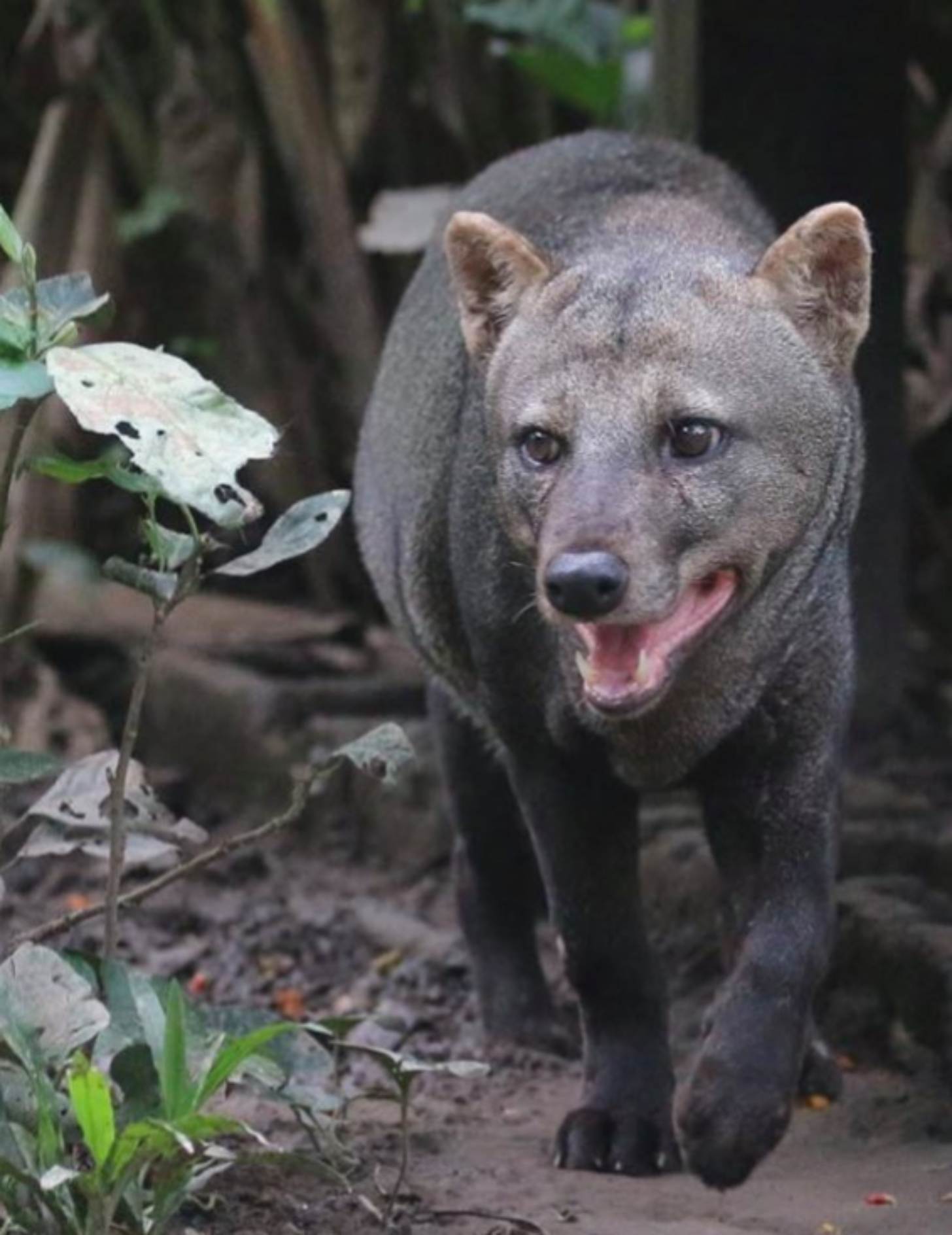
One of the world’s least-known mammals is a mammal with stubby limbs, a fox-like tail, and partially webbed feet, and it roams the dense tropical rainforests of South America.
This solitary, semi-aquatic animal is called the short-eared dog. But in the Amazon Basin, it is better known as the “ghost dog” of Latin America.
Due to its acute hearing and strong sense of smell, the mammal keeps a wide berth from human activity, making it notoriously rare to spot in the wild.
In Brazil and Colombia, it is officially classified as endangered, but researchers have only hazarded a guess at its true population size.
Now, a new study has shed light on the evasive predator.
“The short-eared dog (Atelocynus microtis) is one of the world’s least-known canids and one of Latin America’s least-known carnivores,” Dr. Robert Wallace, the lead researcher, wrote in the study, which was published in the journal Neotropical Biology and Conservation on March 27.
“Even the geographical and habitat distribution of this species is unclear, with its ecology virtually unknown,” Wallace and his peers observed.
“After decades of speculation, more recent continental-scale habitat analyses suggest that short-eared dogs are forest specialists, with occupancy studies in southern Peru suggesting a strong preference for … upland forests away from rivers.”
Together with study co-authors Guido Ayala, Maria Viscarra, and Zulia Porcel, Wallace ran 34 intensive camera-trap surveys across Bolivia and southeastern Peru from 2001 to 2024 to better understand the endangered species.
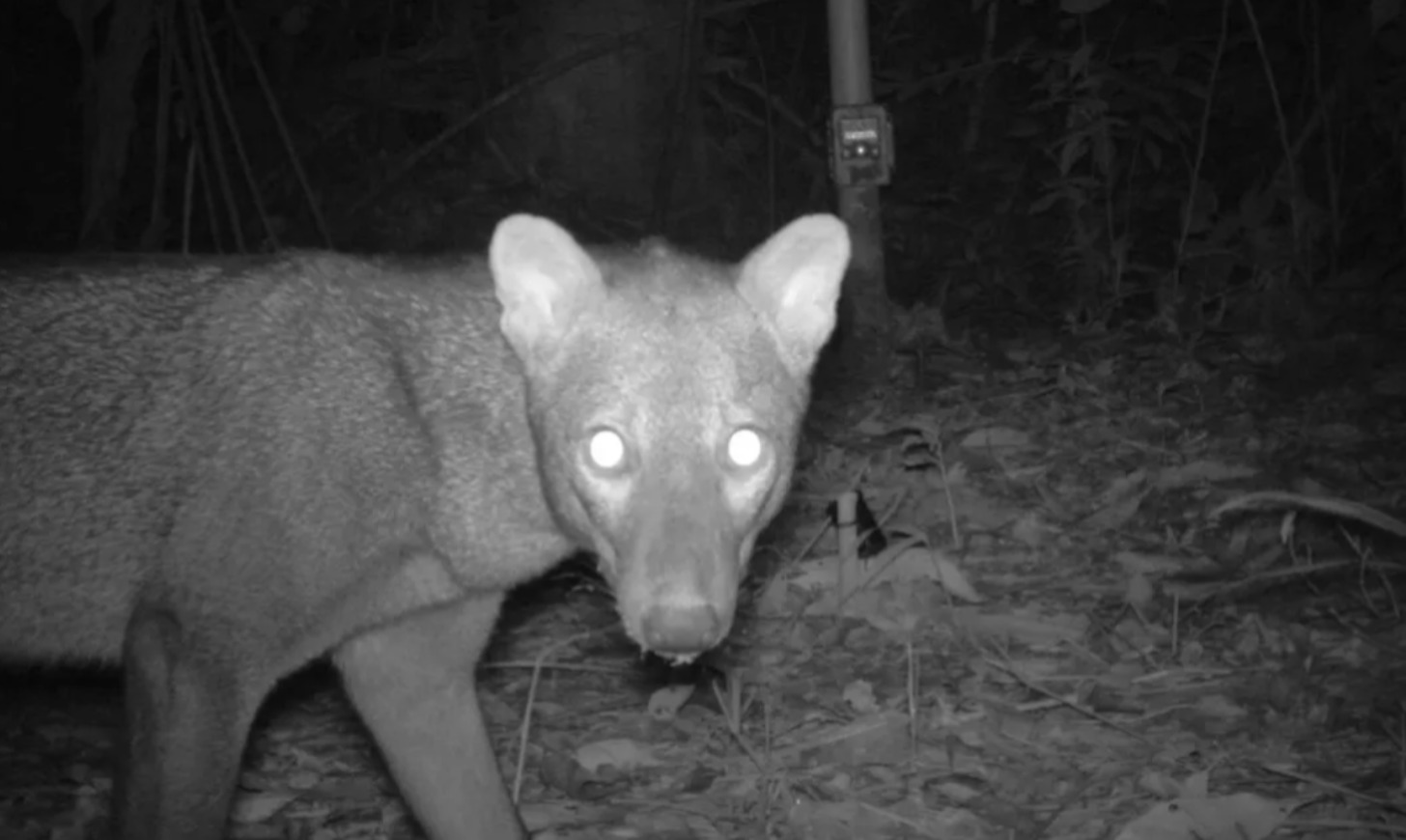
Over the 23-year study, they captured 594 recordings of short-eared dogs in the Greater Madidi-Tambopata and Llanos de Moxos regions. Those camera-trap capture rates — and estimated population density of 15 individuals per 100 square kilometers — revealed a more optimistic look at the endangered species.
“The most surprising aspect of the results was that despite being an almost mythical beast, short-eared dogs are much more abundant than we had imagined,” the researchers said in a shared statement.
By studying the ghost dogs for over two decades, the researchers were able to confirm just how critical upland forests were to the carnivore, which weighs roughly the same as the average beagle.
In fact, the presence of short-eared dogs was noticeably higher in protected areas and Indigenous territories than in unprotected lands that were vulnerable to deforestation and logging.
In turn, in habitats where short-eared dogs thrived, the ecosystem flourished. As medium-sized carnivores, they help control a range of prey populations across forest floors and riverbanks, including fish, insects, rodents, birds, frogs, and crabs.
In their study, Wallace and his peers emphasized just how critical their habitat was to their species' survival.
“The most important management strategy is the protection of Amazonian forest canopy, for which the creation and effective management of protected areas is the most important element, in combination with the sustainable management of Indigenous territories,” the researchers said.
Wallace added that their extensive study was also a testament to the important role that trail cameras can play in monitoring species, especially ones as rare as “ghosts.”
“[Our research is a] wonderful example of how conservation technology and remote sensing — in this case the intensive use of camera traps — can provide substantial data on one of the least-known species of the Amazonian rainforests,” he said.
You may also like: Experts thought this critically endangered species had vanished. Then, one was spotted on a trail camera
Header image via Wildlife Conservation Society