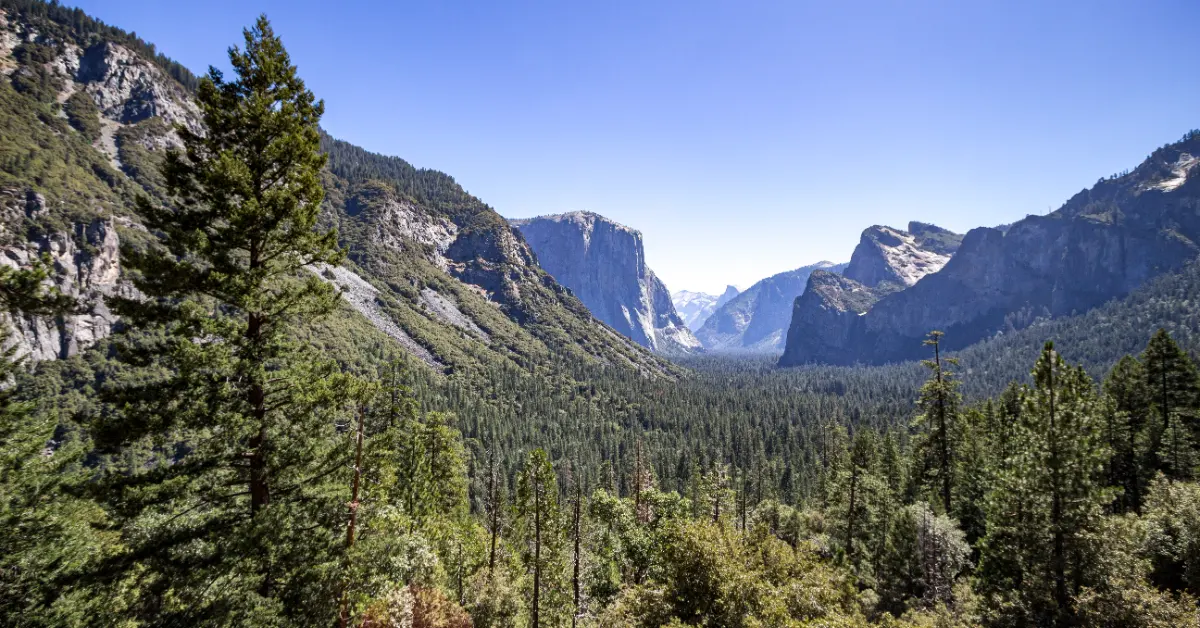
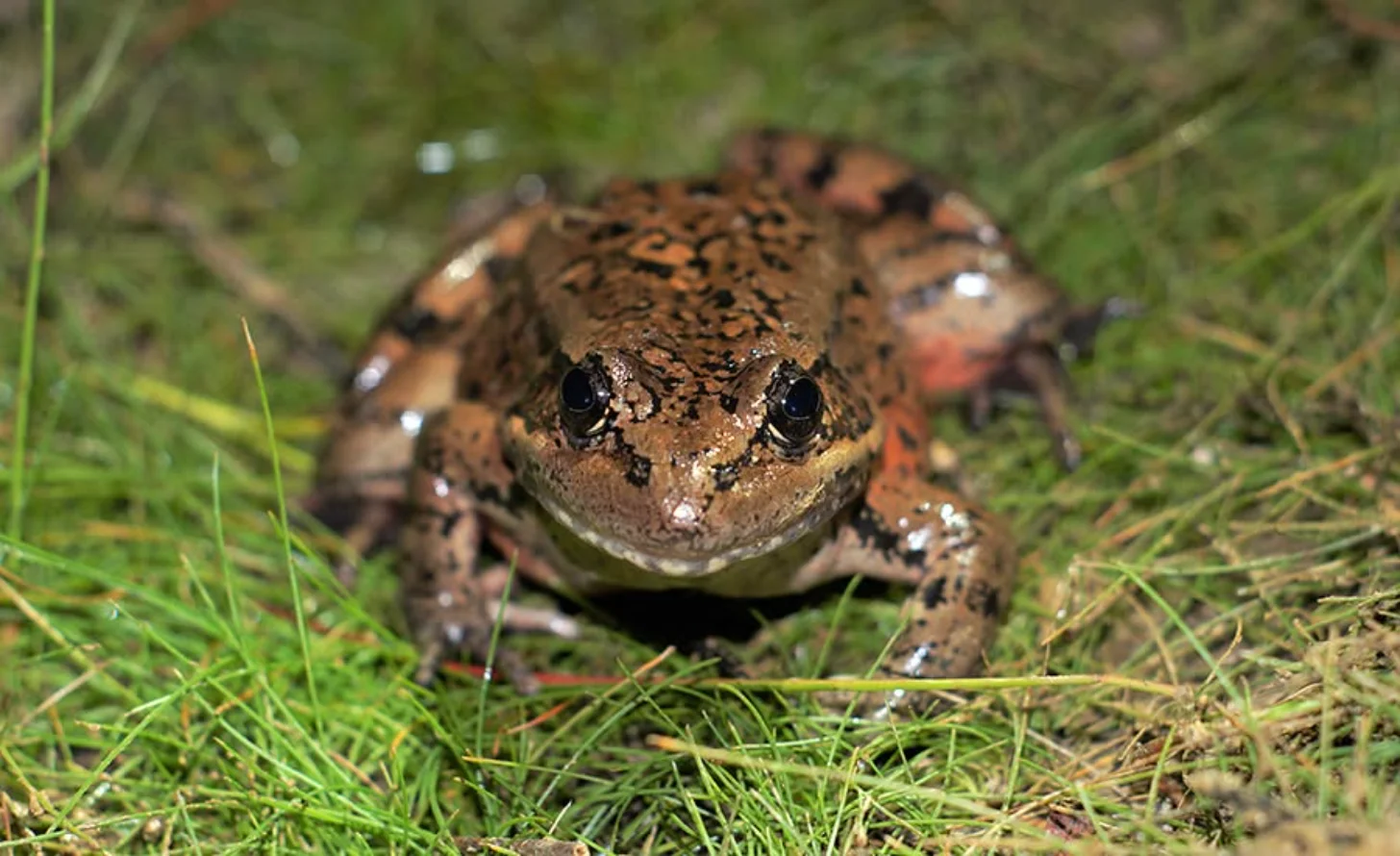
About 50 years ago, red-legged frogs completely disappeared from Yosemite National Park.
Native to the Sierra Nevada, conservationists believe the frogs were subject to a number of threats back in the 1970s. Those threats include habitat loss, invasive American bullfrogs, and elevated raccoon populations — which led red-legged frog numbers to vanish.
In the decades since, park staff have worked to remove the invasive bullfrogs and make habitat improvements to restore wetlands, streambanks, and river systems.
But ten years ago, conservationists embarked on their biggest effort yet: A controlled repopulation effort to breed and release red-legged frogs back into the park.
Between the National Park Service, the United States Fish and Wildlife Service, the California Department of Fish and Wildlife, the Yosemite Conservancy, and the San Francisco Zoo & Gardens, conservationists celebrated their 10,000th frog release this spring.
“This milestone reflects years of focused work to restore a species that plays an important role in the park’s ecosystem,” Rob Grasso, aquatic ecologist at Yosemite National Park, said in a statement for the CDFW.
“After invasive bullfrogs eliminated red-legged frogs from the area decades ago, we removed those threats and created conditions for recovery. Today, multiple generations of frogs are established in Yosemite Valley.”
The main component of this repopulation effort is a frog-rearing facility at the San Francisco Zoo, which was established in 2016. Here, experts raise frogs from wild-collected eggs until they are about one or two years old. In this controlled environment, the juvenile frogs have all the support they need to thrive before being released into the park.
“When the program began in 2016, no California red-legged frogs remained in Yosemite Valley,” said Dr. Rochelle Stiles, director of field conservation at the San Francisco Zoo and Gardens.
“Today, every frog in the valley traces back to this effort. Despite drought, severe winters and flooding, the population has proven resilient.”
In 2026 alone, the zoo plans to release about 830 juvenile frogs into Yosemite, with 600 eggs being raised for future release.
When the 10,000th frog was released in May of this year, speakers gathered to commemorate the event, with local elementary schoolers joining in to let the amphibians leap freely.
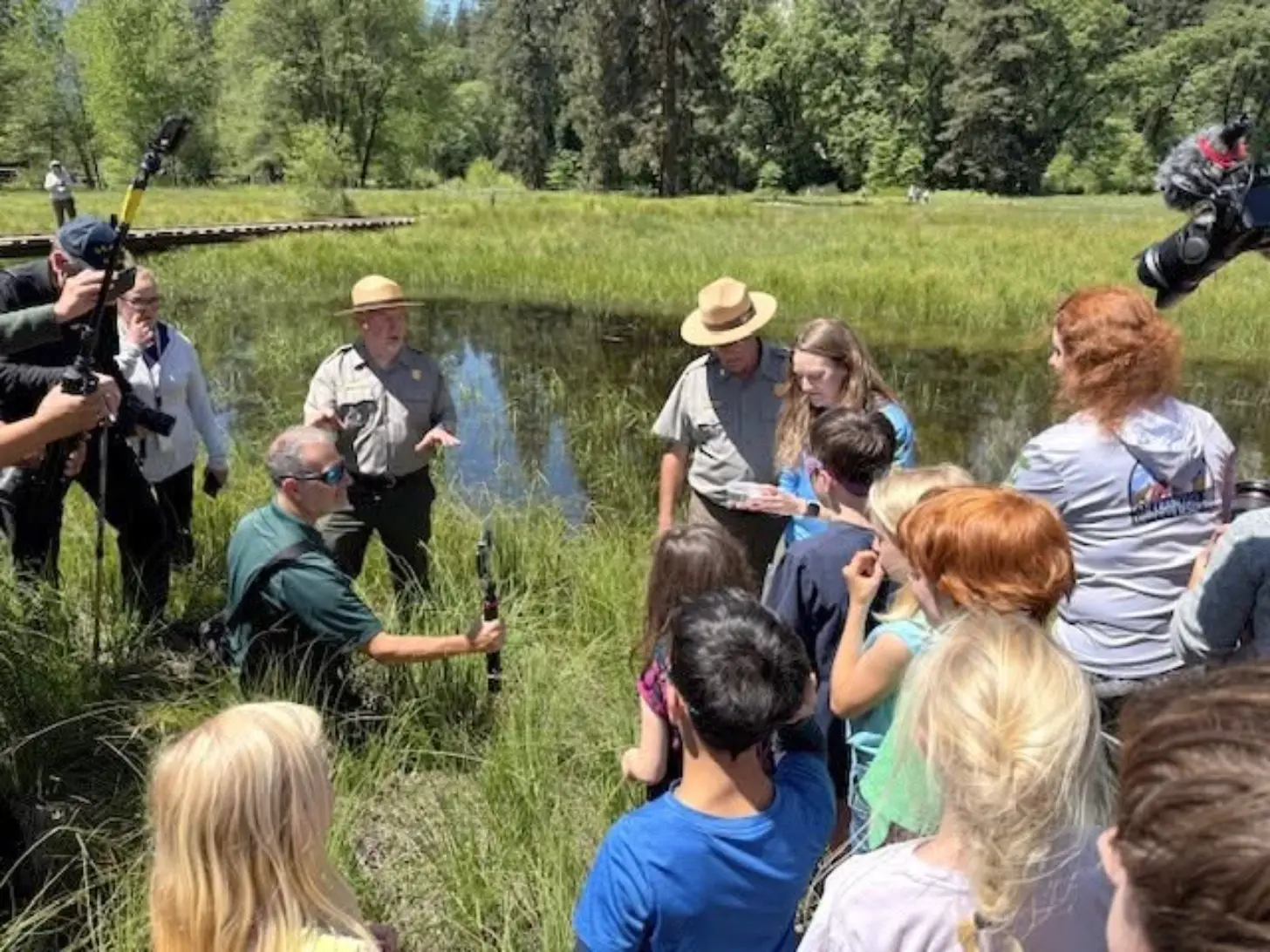
“I mean, the frog was kind of slimy on the inside, and I basically trained it perfectly,” 9-year-old Lupine told Your Central Valley. “It just jumped right out.”
The 10,000th frog released from the program was symbolically nicknamed “Twain,” after the frog species gained national recognition in Mark Twain’s “The Celebrated Jumping Frog of Calaveras County.”
And it’s clear: The species remains celebrated.
“Protecting vulnerable species helps preserve the park’s natural balance,” Cassius Cash, president of Yosemite Conservancy, said.
“This milestone shows what sustained collaboration can achieve.”
You may also like: National park ranger photographs rare species for the first time while snorkeling on the job
Featured Image: Dietmar Rabich/Wikimedia Commons (CC BY-SA 4.0)