Updated with new good news every day
Stanford University behavioral scientist Jennifer Aaker studied the impact of a well-told story versus dispensing facts alone.
Your weekly roundup of the best good news worth celebrating...
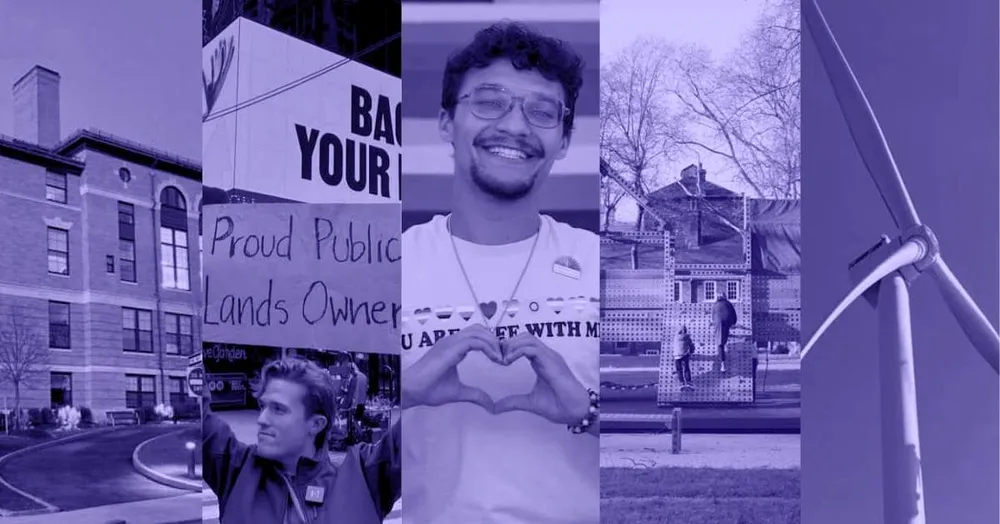
In 2025 and 2026, efforts to roll back LGBTQ+ rights were repeatedly stalled — or stamped out altogether.
British poet Andrew Mears lives in North East England, which has some of the highest rates of homelessness in the country.
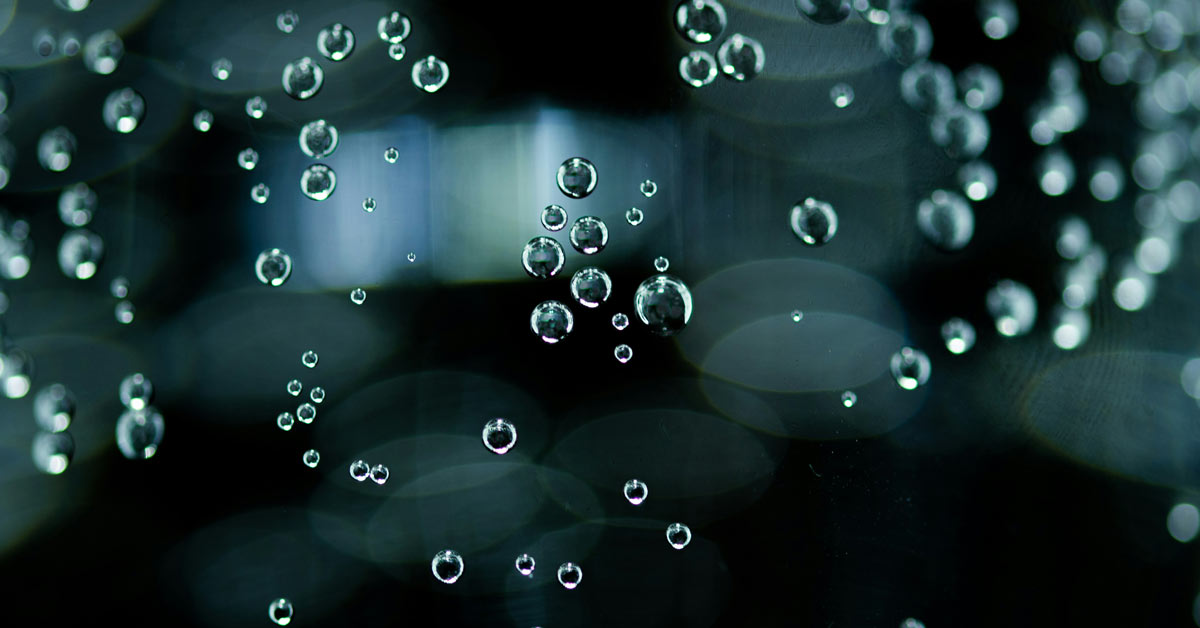
In a recent case study, the method was shown to remove 99.2% of PFAS from water every day for six months.
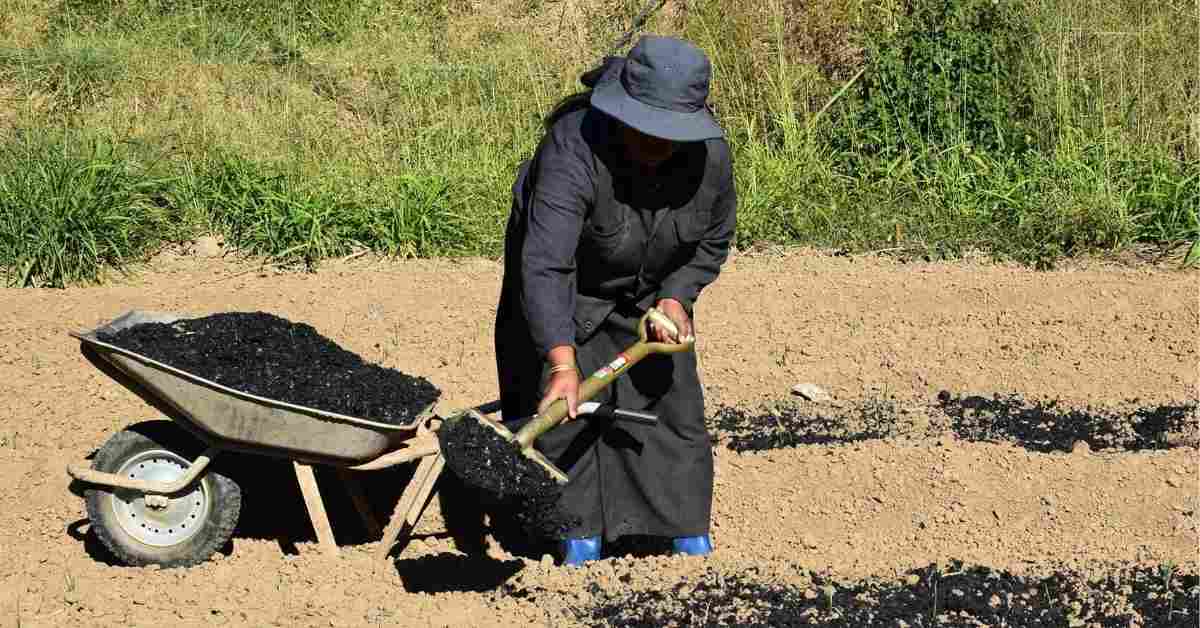
A new study shows that Bhutan has the potential to sequester 68% of its greenhouse gas emissions through biochar, a carbon-rich material made from organic waste that is used to help plants grow.
Your comprehensive guide to positive adjectives that start with the letter A...
The new $10 million investment will support teachers who provide mental health help to students across the country.
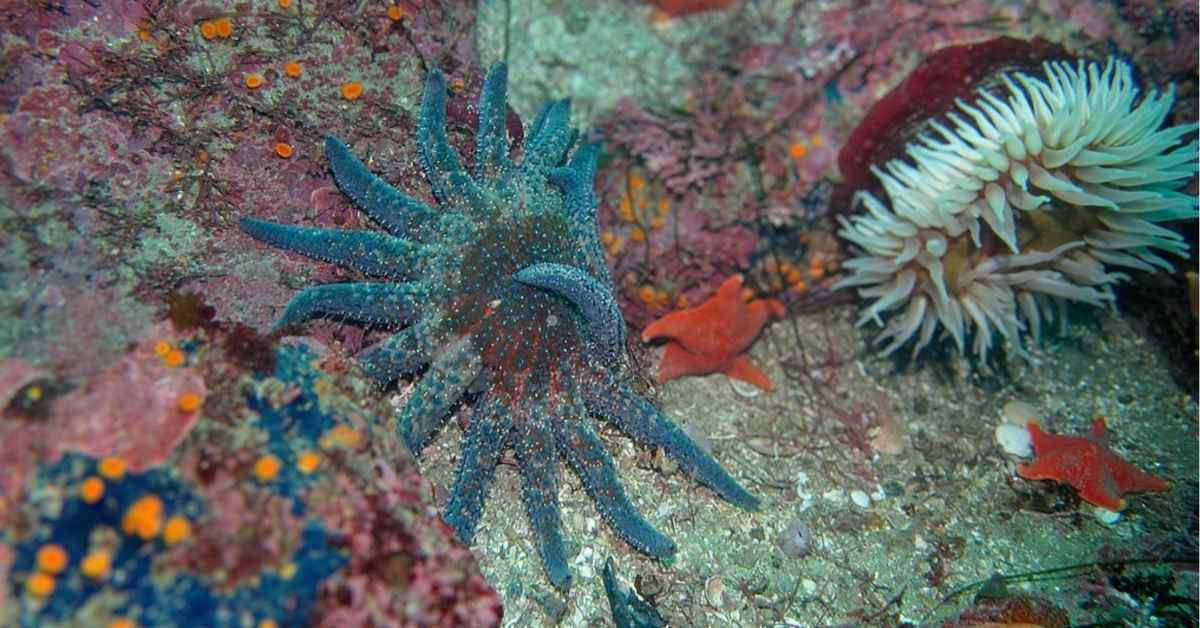
In the last decade, the sunflower sea star species dropped 90%. One researcher stepped up to save them from extinction.
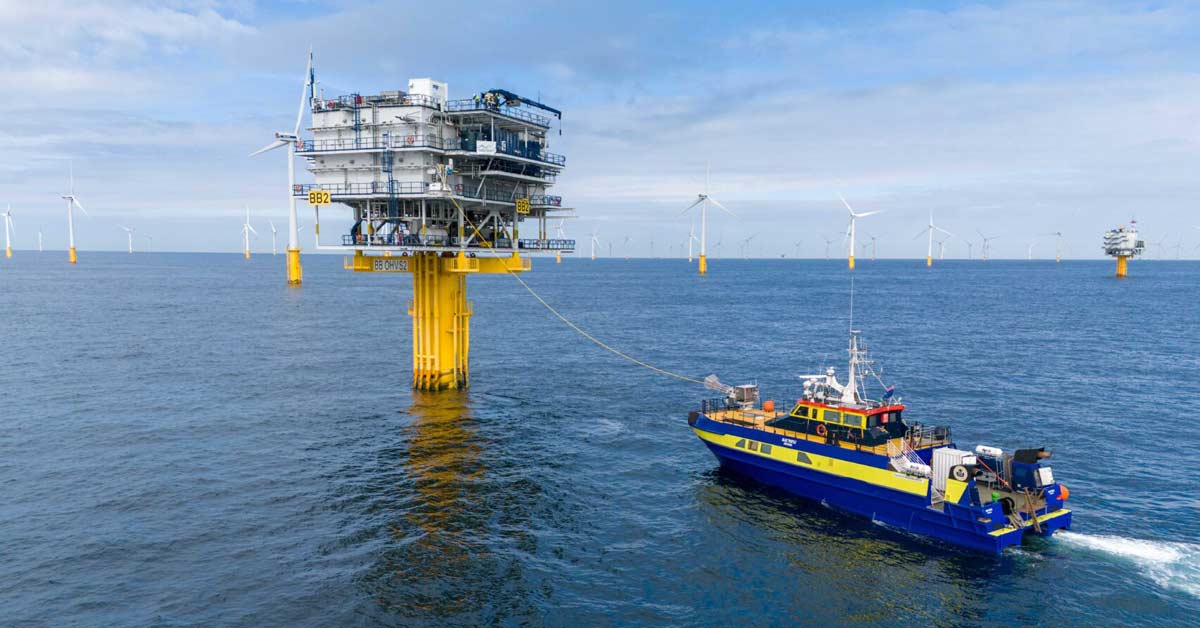
A world-first wind-powered electric ship-charging station debuted in the Belgian North Sea, hoping to reduce atmospheric pollution.
"Wanna know why I've worked for Bernie Sanders for 25 years? Moments like this," said the Vermont senator's staff director after an event focused on lifting up the working class.
Composting is not just commonplace in South Korea, it’s mandatory.
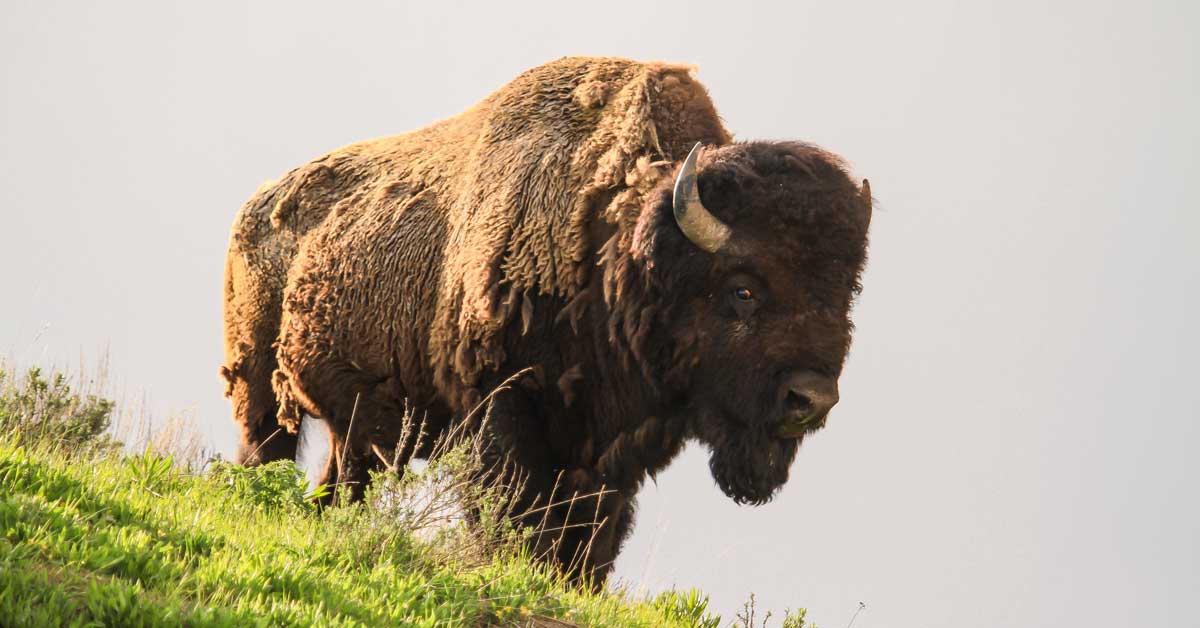
The video was taken by a lucky Yellowstone wildlife guide who caught the moment on film.
The Selfie Control filter keeps visitors from getting too close to wild animals.
Animals like bison and elk will treat domestic dogs like wolves when encountering them in the wild.
In the face of a gig-canceling terror threat, Swifties have made the most of their time together in Vienna, Austria.
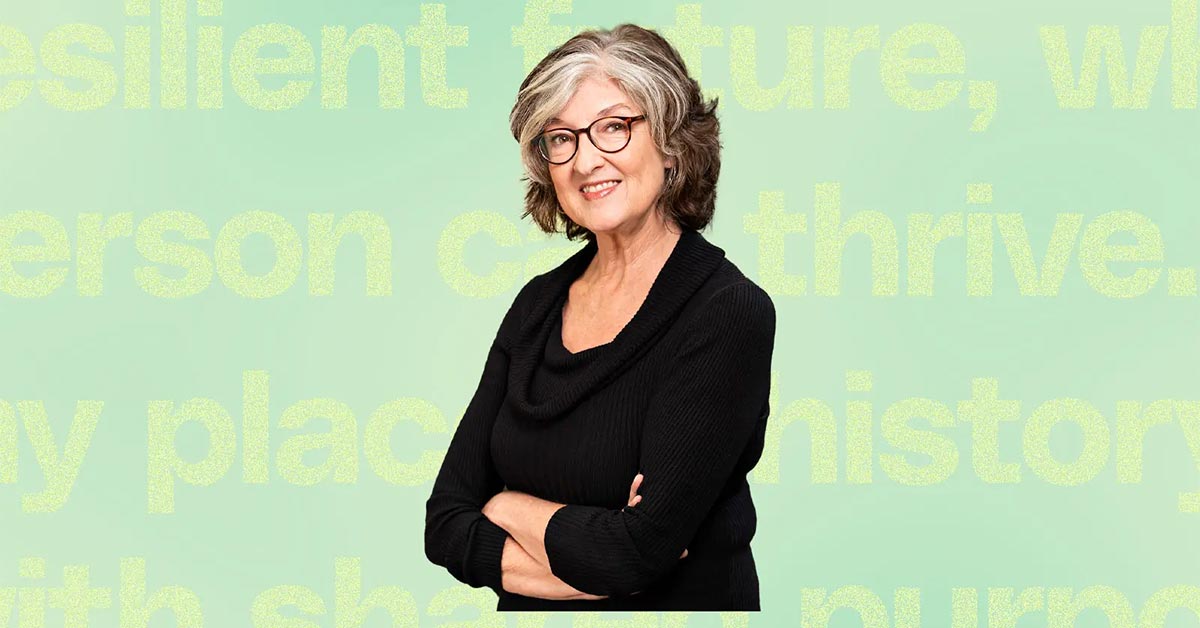
Read the pledge for the all-new American Climate Corps. The novelist explains why she wrote it.
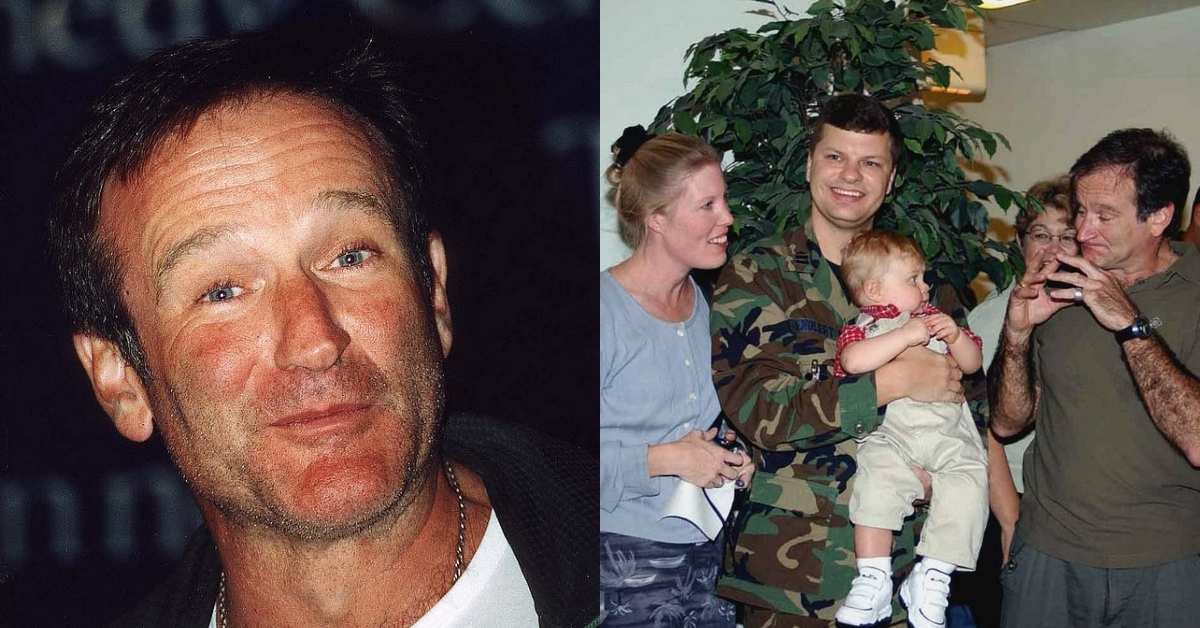
“Robin was everything you would hope Robin would be.”
A new study shows the potential to use sea lion-mounted cameras to better study the ocean floor — and sea lions themselves.
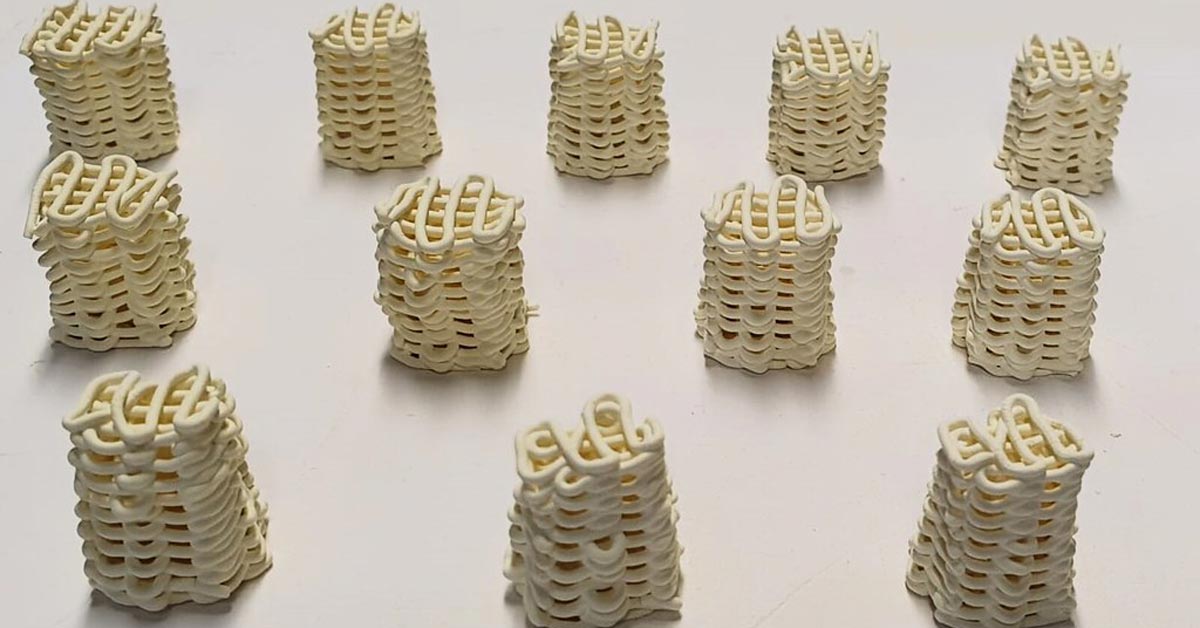
The structures — called "monoliths" — were surprisingly found to be more effective after multiple uses, making them a reusable and affordable water treatment option.
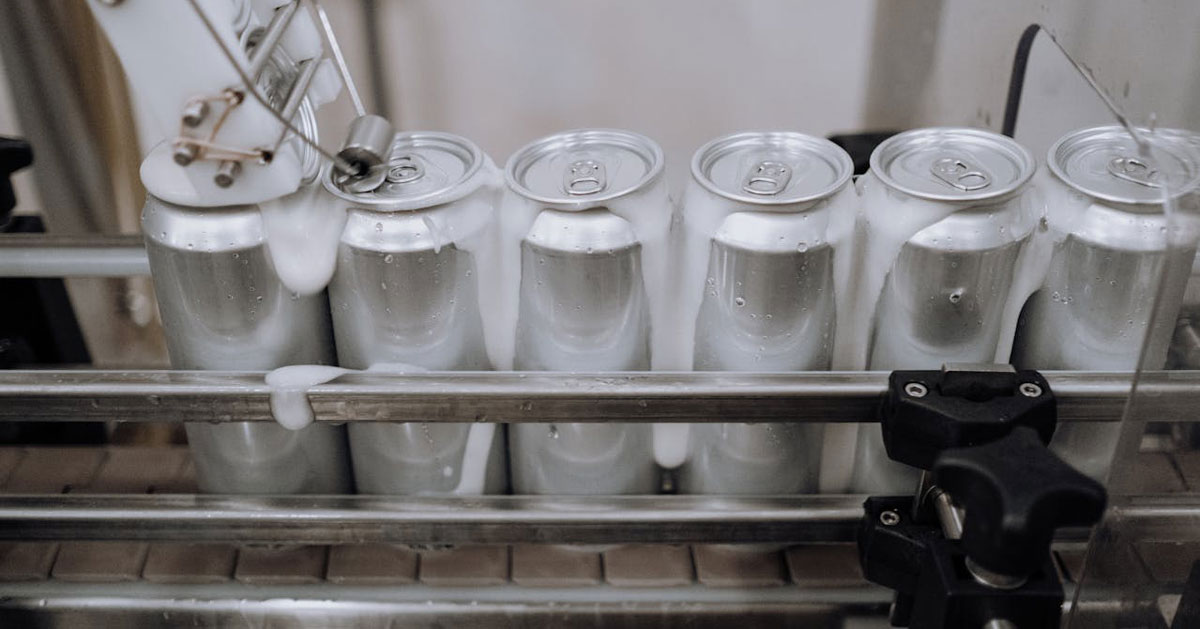
Nearly half — 43% — of the breweries sampled were doing some sort of social advocacy, further cementing the role of craft breweries as important players in their communities.
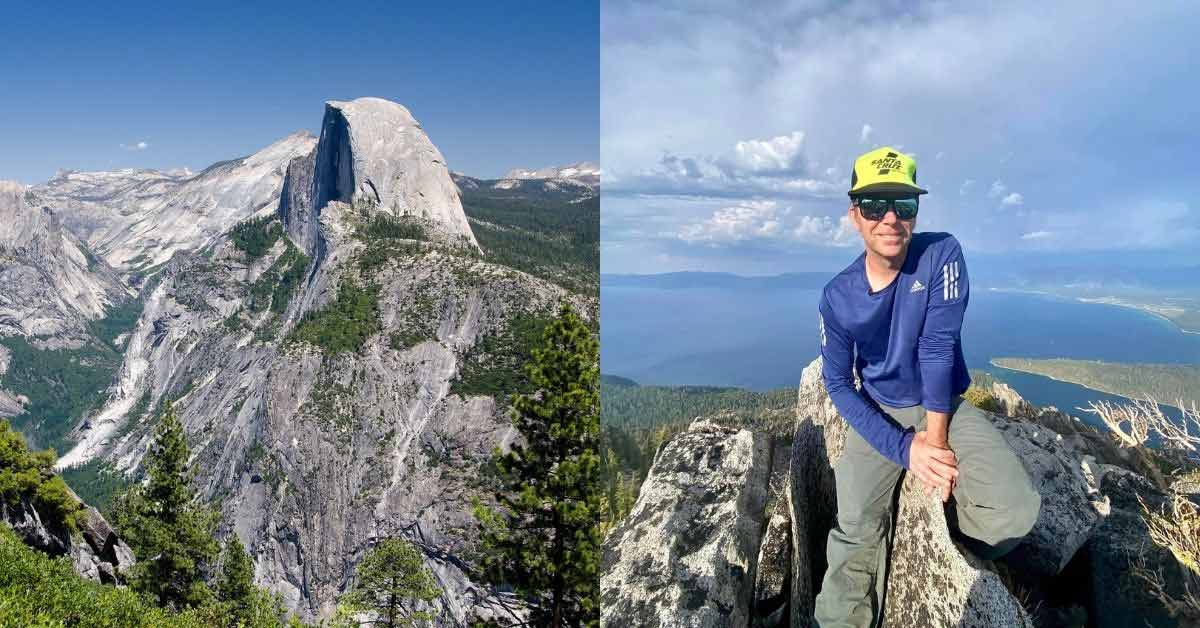
Nature photographer Kirk Keeler ascended Half Dome after years of training amid cancer treatments — with one simple call to action.