People, governments, and organizations are addressing housing insecurity, homelessness, and affordable housing
Your weekly roundup of the best good news worth celebrating...
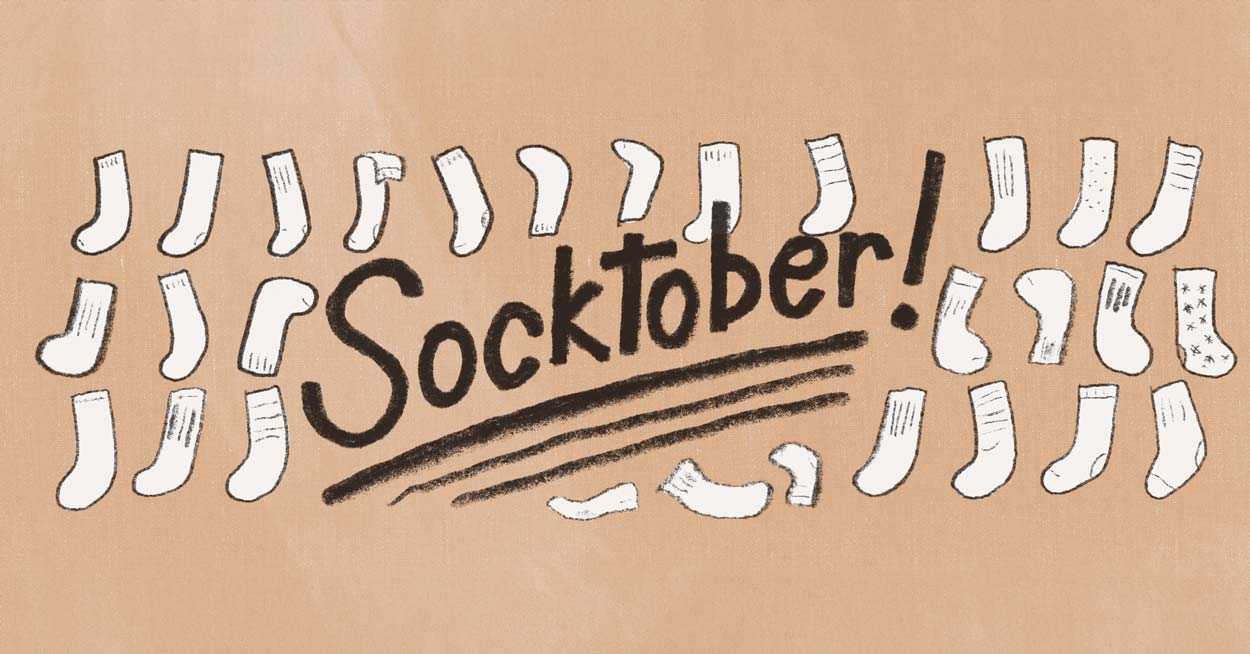
Brad Montague founded Socktober in 2011 thanks to a nudge from a few middle school students. After learning that a concerning number of neighbors were living on the streets, these kids were eager to help in a tangible way.
Radio Dusthole promises “good tunes, great banter, and inspiring stories.”
A Nigerian mother of two was struggling to pursue a college education as she singlehandedly raised her twin infants. Then TikTok creator Zachery Dereniowski shared her story.
Saginaw City Council has established a partnership to help confront rising rates of homelessness.
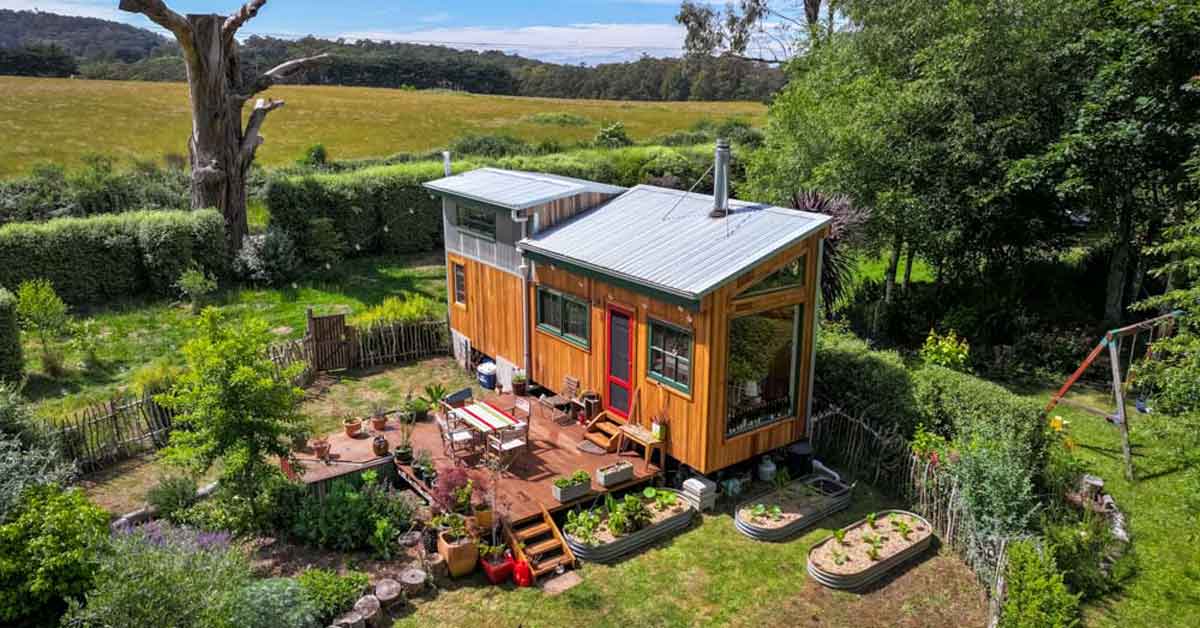
After facing unemployment in the wake of COVID-19, Julius was inspired to build a tiny home from scratch.
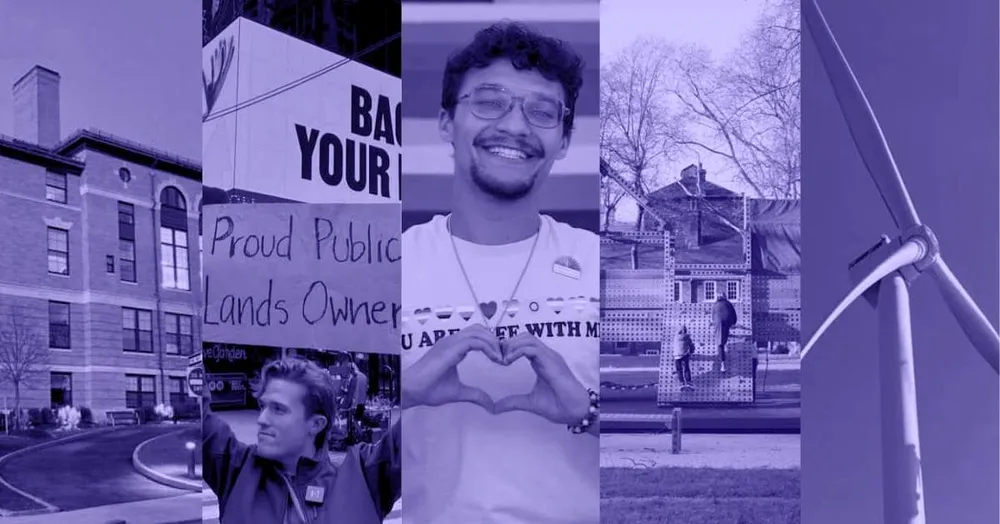
Pastor Michael Jones hopes to turn the church’s undeveloped land into 192 apartments and 40 townhomes.
Surprise sweeps of homeless camps are often cited as necessary steps to reduce crime and ultimately protect the very same people they displace. A new study sheds light on those claims.
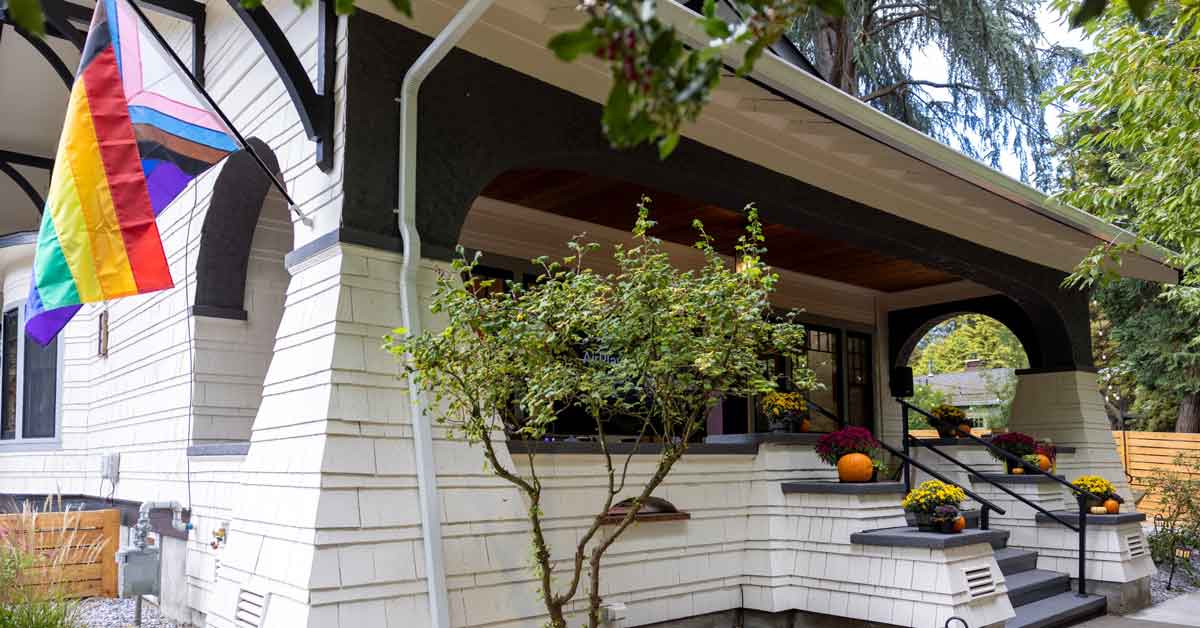
King County and Minority Veterans of America signed a 50-year contract to operate the home for LGBTQ+ veterans in need.
Azure Printed Homes says this method is 70% faster than traditional construction.
As snow banks towered around their parking lot, Central Lutheran Church took in their most vulnerable neighbors.
The three friends renovated the crumbling high school building into a unique apartment complex, while keeping the school’s hallways, auditorium, and gym intact.
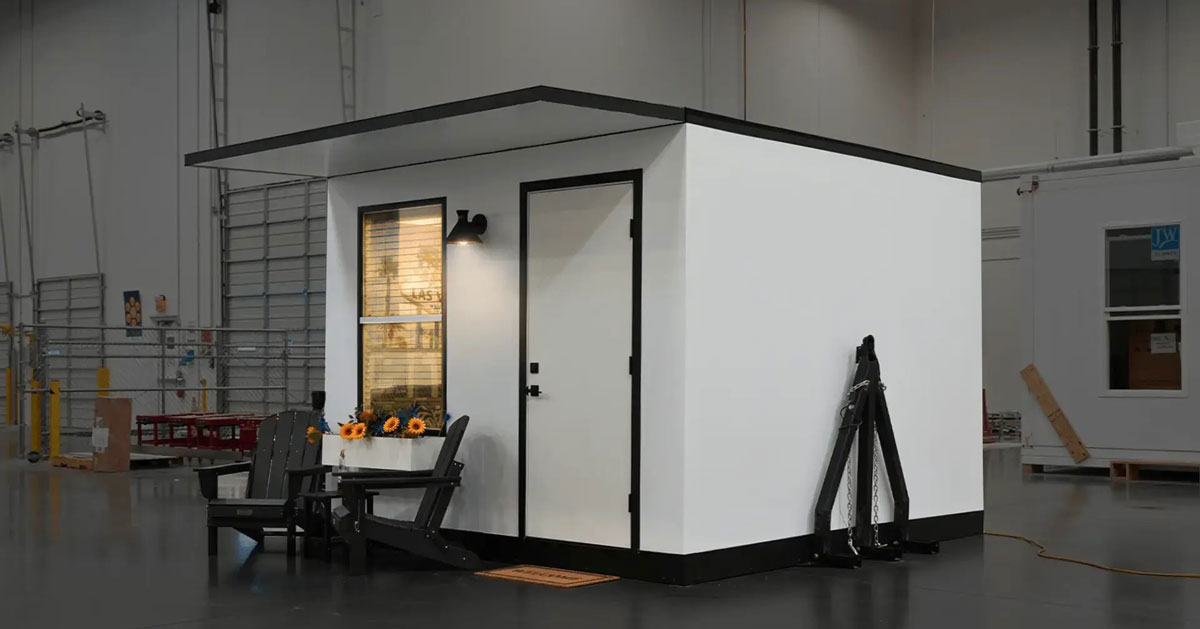
BOXABL’s “Baby Box” and “Casita” models have potential to make waves in ADU construction.
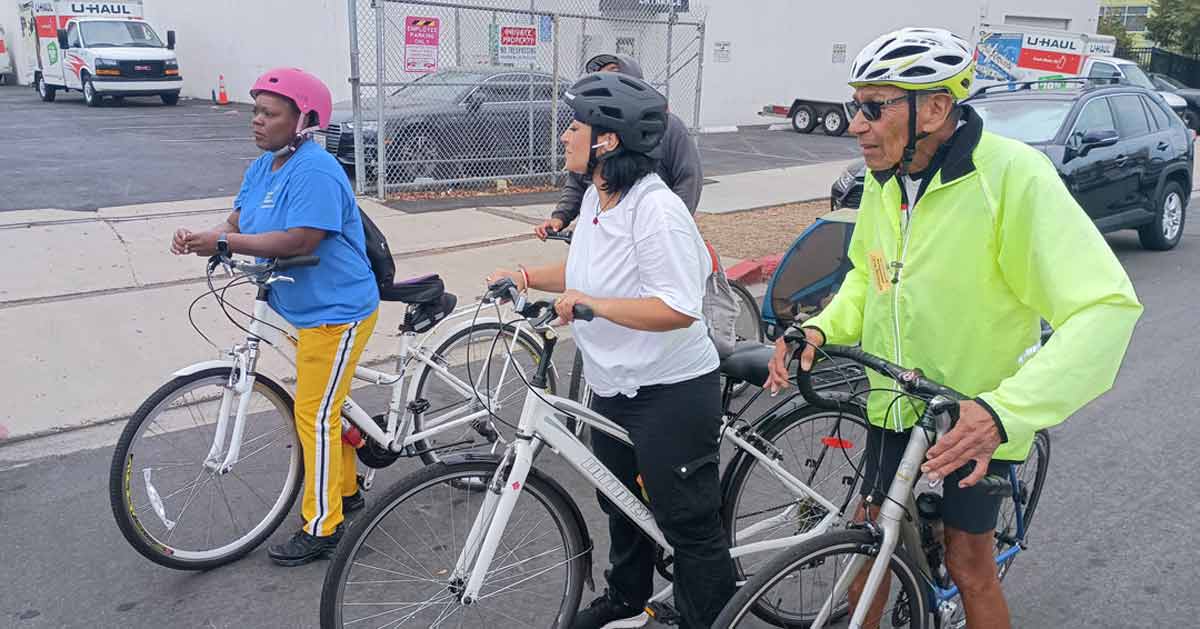
Participants have logged thousands of miles in the program's decade-long history.
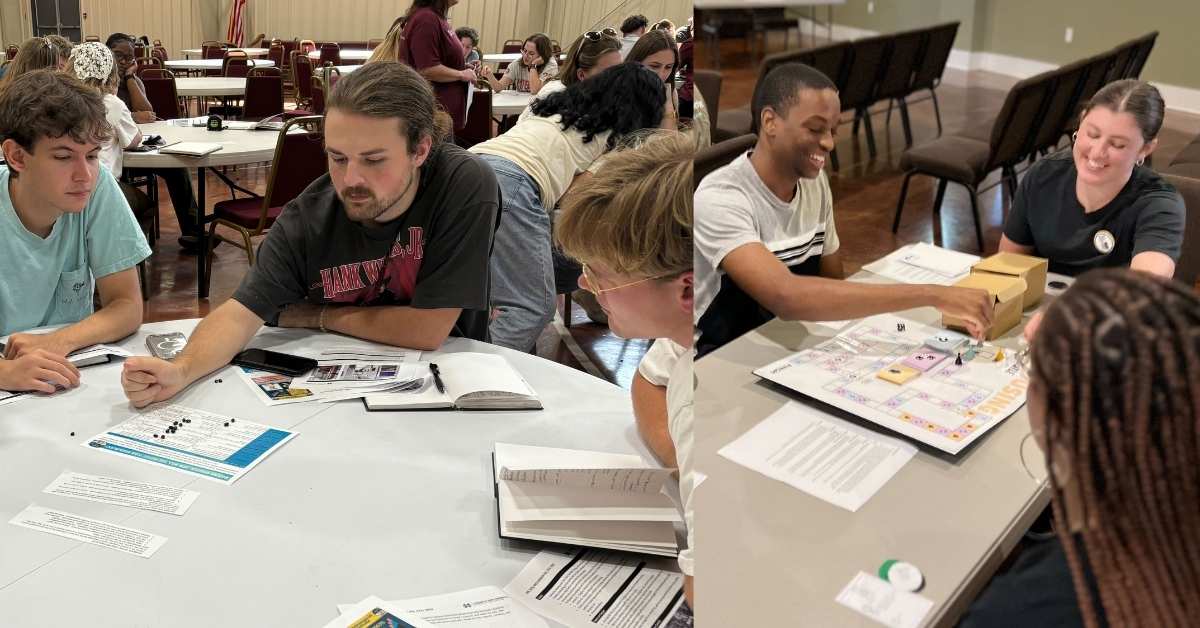
Housing Hustle and the Homeless Experience Simulation use gameplay and real-life personas to put players in the shoes of their unhoused neighbors.
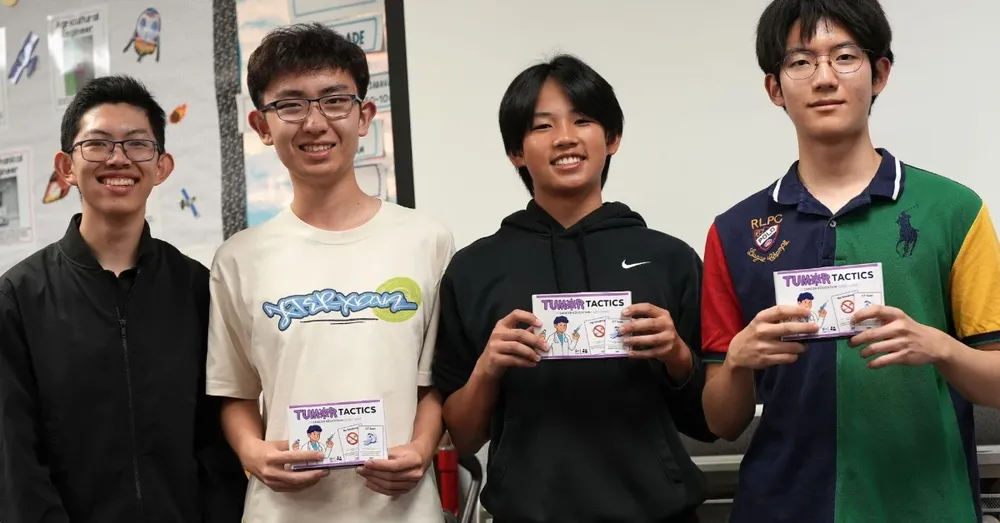
Students at Sedro-Woolley High School are part of the solution when it comes to housing Seattle’s most vulnerable.
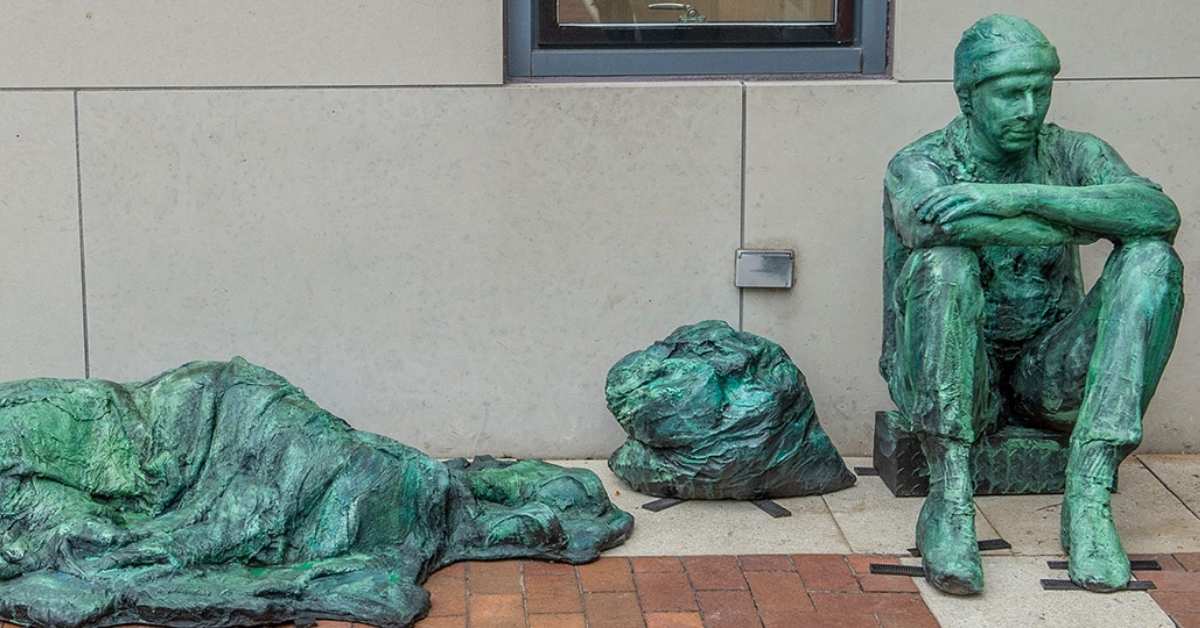
Although addiction and mental health disorders are shared struggles for many people experiencing homelessness, there is another trait that unifies unhoused people.
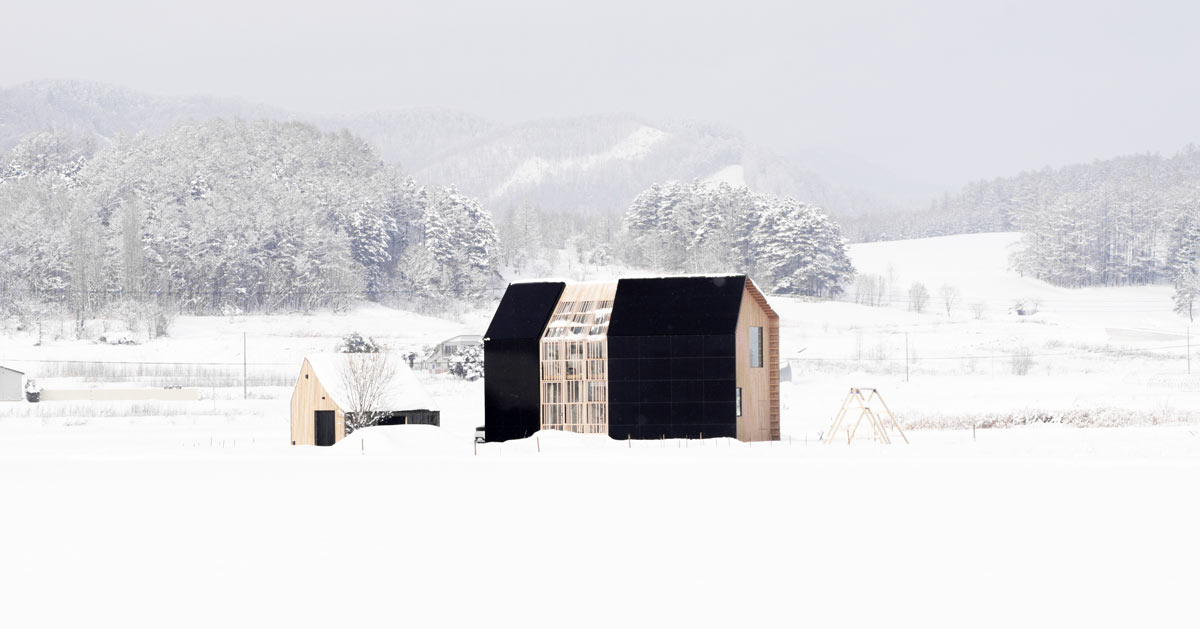
House W utilizes a ‘solar skin’ of 56 panels to generate all the off-grid energy it needs — and more.
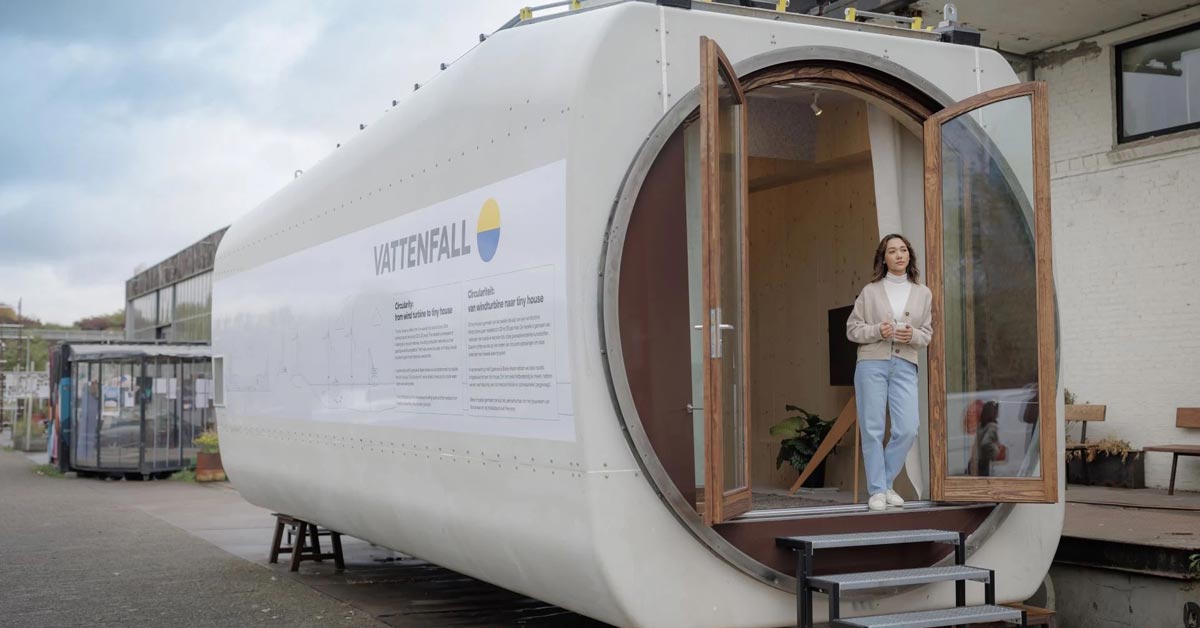
Designers estimate that thousands of wind turbines worldwide will be decommissioned in the coming years, offering a “gold mine” of new resources.
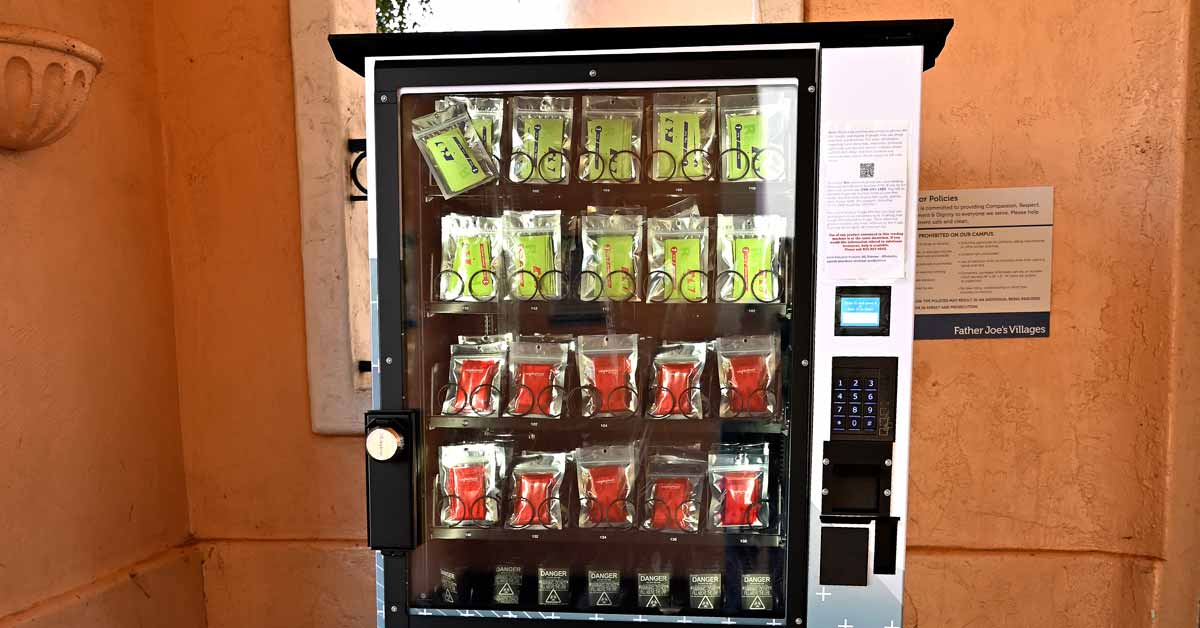
Along with offering naloxone, these vending machines provide life-saving test strips, in an effort to decrease accidental overdoses.