Good news about
Stories About Using Technology and Innovation To Make a Difference
Your weekly roundup of the best good news worth celebrating...
October 2026’s best good news, ranked by 5 million Instagram views. See the top 16, led by a bill that would ban Flock cameras nationwide.
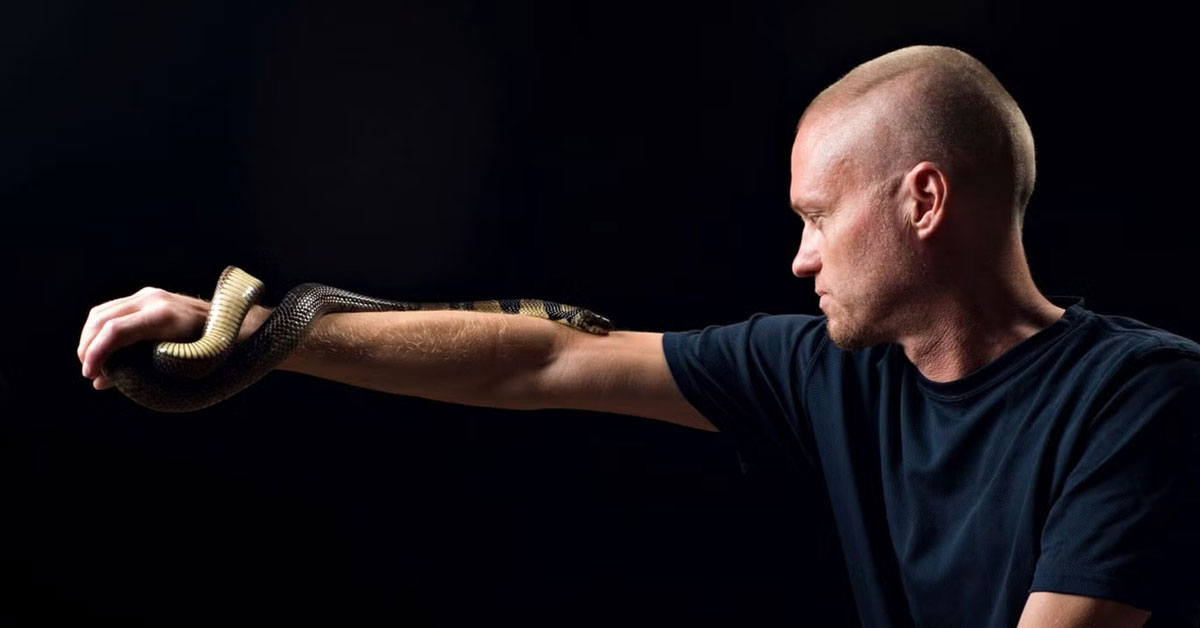
Tim Friede’s blood is now the source of a potential new universal anti-venom, following hundreds of meticulous bites and venomous injections.
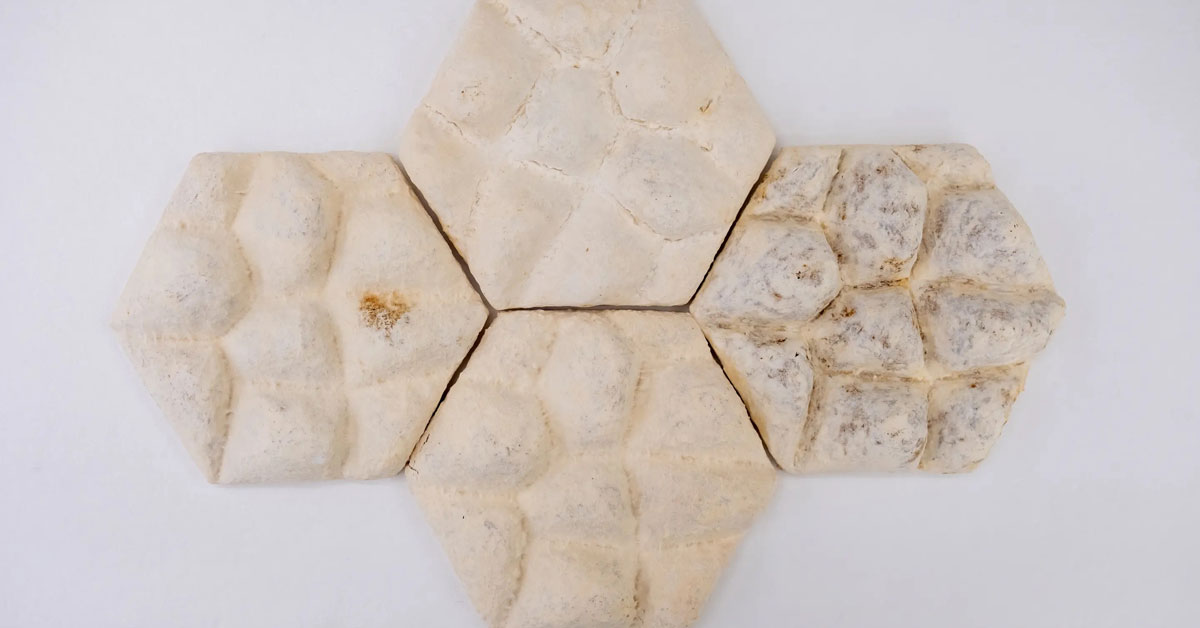
Using bamboo shavings and mycelium, the tiles serve as a “proof of concept” for cooling buildings without electricity.
The Inflation Reduction Act lets companies sell their clean energy tax credits for cash.
Zepeel launched to general obscurity in 2012. Now they’re back with a bold campaign, which encourages users to be their authentic selves.
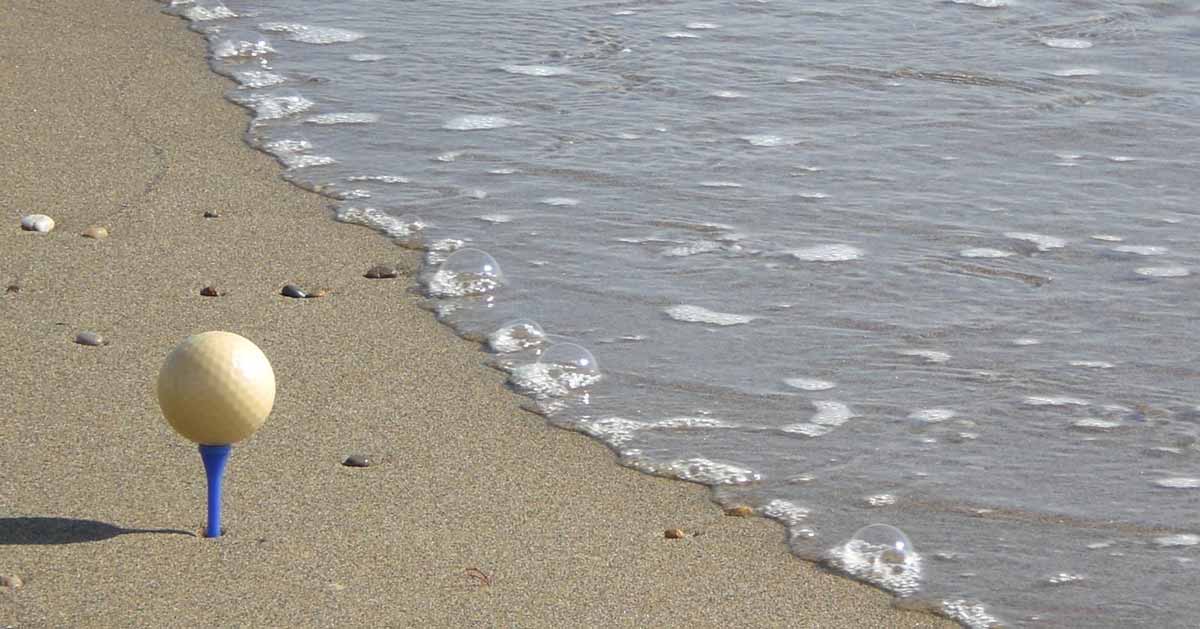
Albus Golf hopes their Ecobioballs will find players who care about the game and the planet.
First designed by Iranian architect Nader Khalili, SuperAdobe homes have popped up all around the world.
BIOCAP tiles, a 3D-printed modular system designed to support marine life and reduce wave impact along urban seawalls, will be installed on the existing seawall at Morningside Park in Miami, Florida.
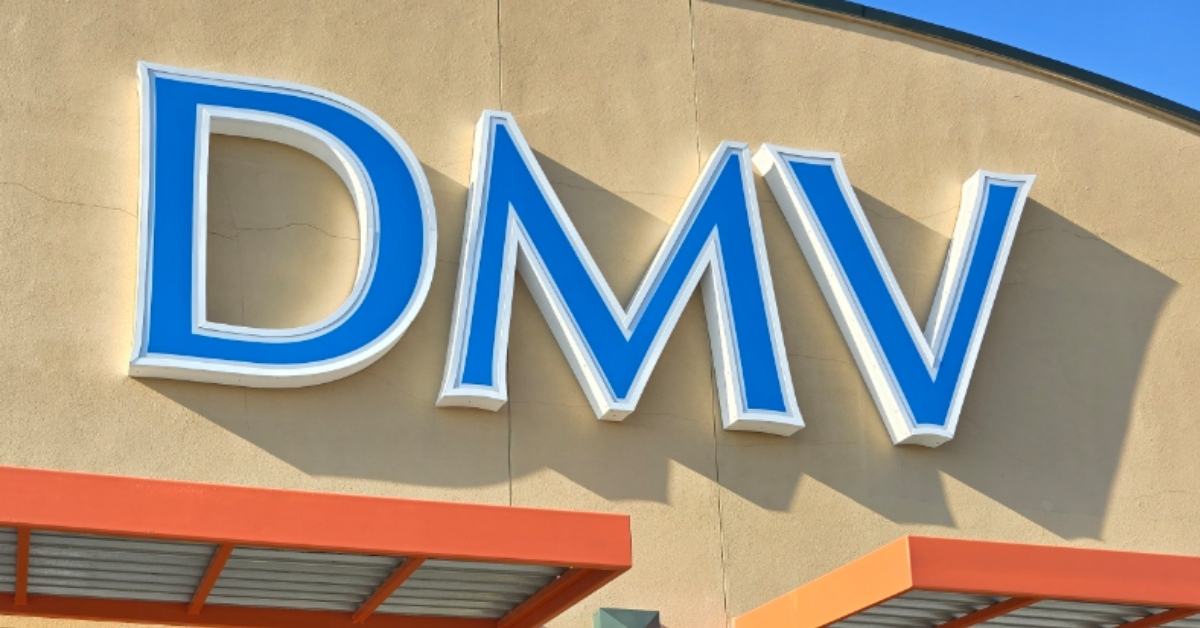
13-year-old Sowmya Nandyala was inspired to create her DriveIt app after her parents were given a “six-month wait” at their local DMV in Texas.
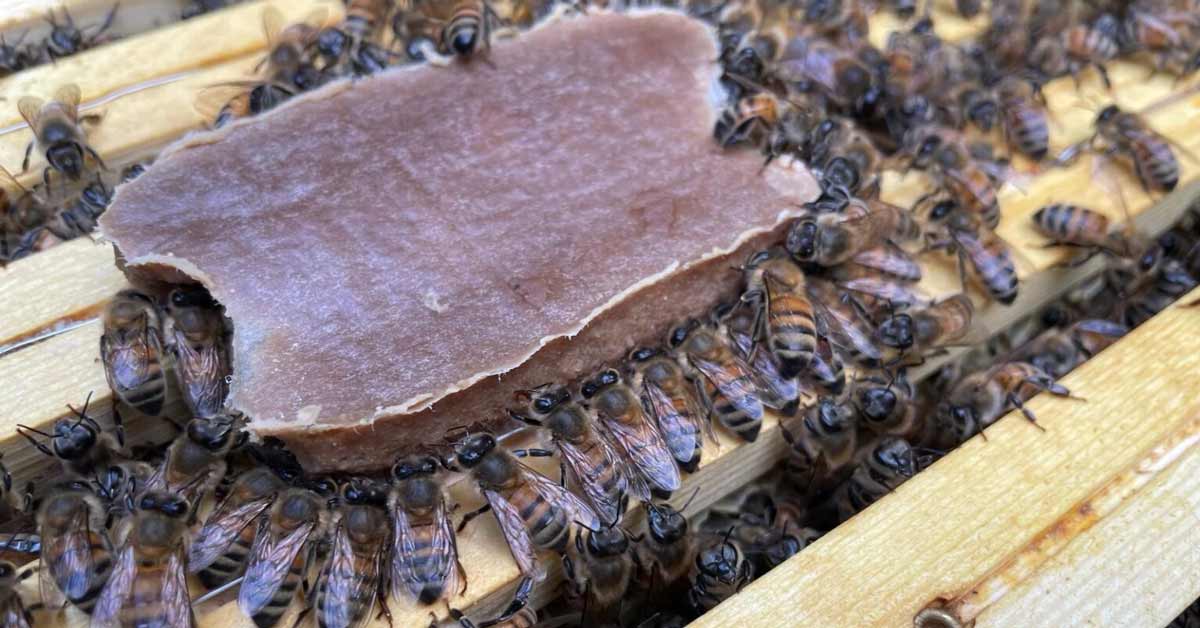
Researchers from Washington State University liken the bee’s food supplement to human “power bars.”
As Congress approves the SAVE Act, venture capitalist and political strategist Bradley Tusk hopes to make elections more accessible.
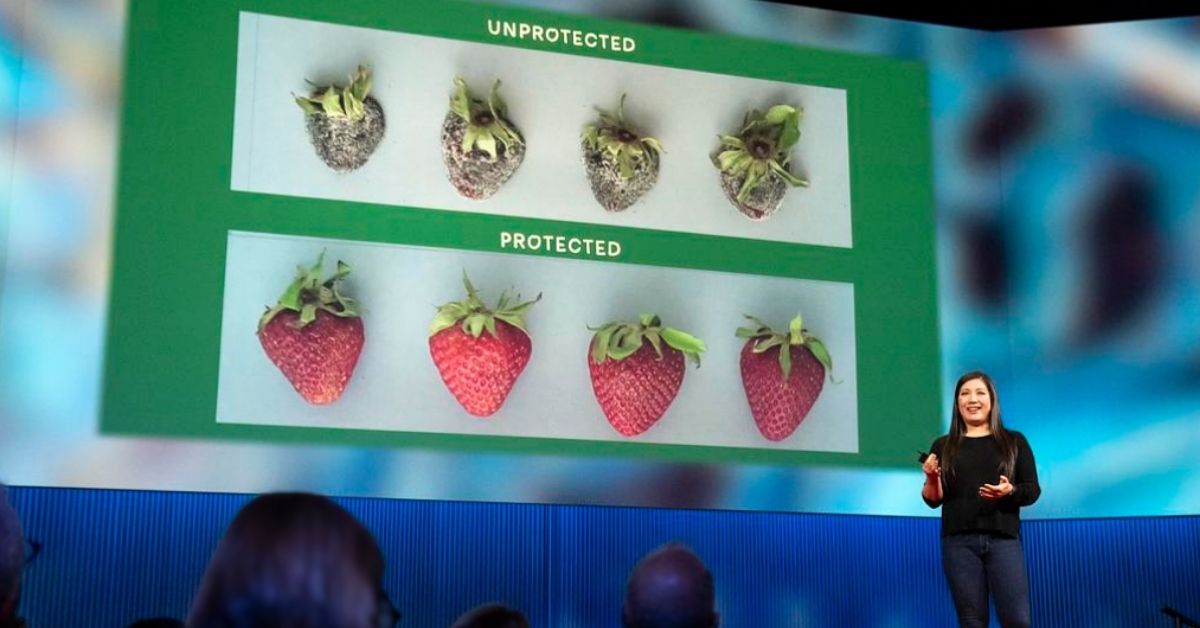
Food chemist Jenny Du said their natural peel works on “bananas, avocados, limes, green beans, tomatoes, bell peppers, cucumber, berries, you name it.”
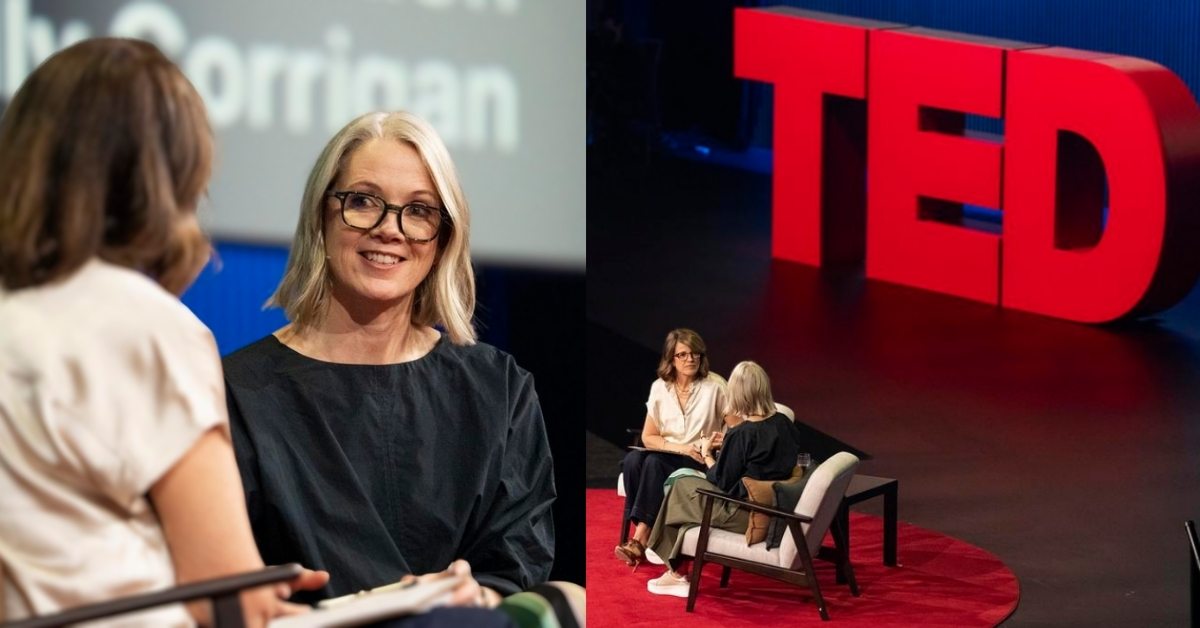
Woebot creator Alison Darcy: “Most people aren't getting in front of a therapist, and even if they are, they're not there beside you as you live your life.”
Rob Bredow looked back at innovations at the heart of “Star Wars,” “Jurassic Park,” and “Indiana Jones” to show how AI should be used as an artist tool, not as a replacement.
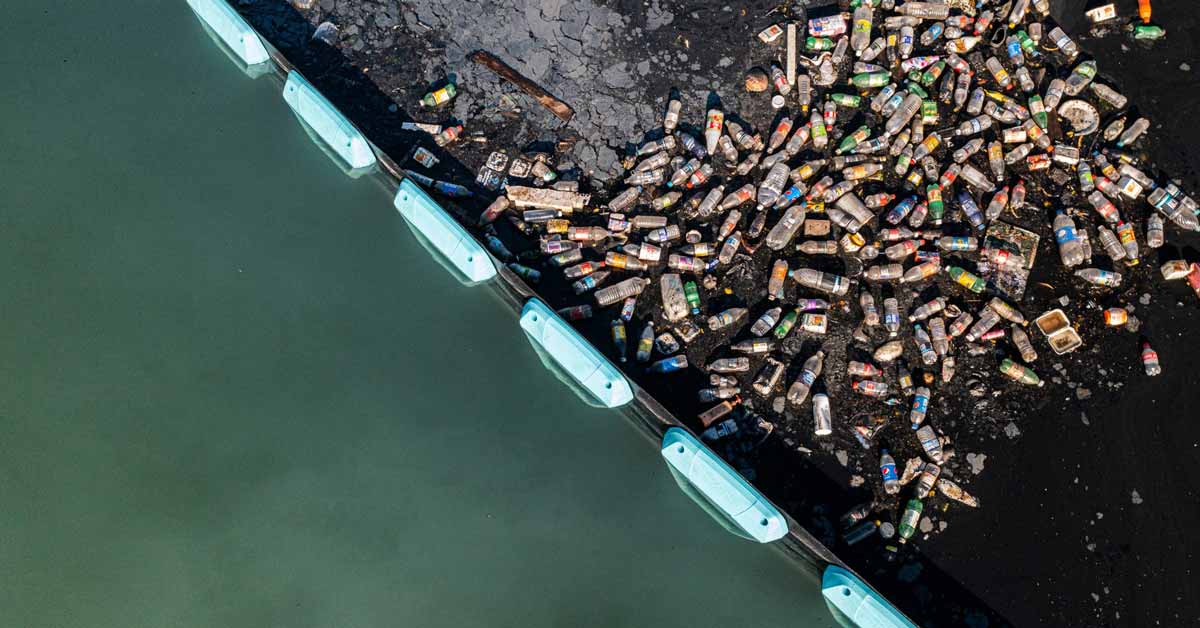
With the organization’s technology, an area of the ocean the size of a football field is being cleaned every five seconds.
In addition to translating languages in real time, the glasses use a “Memory” tool to help users remember where they’d misplaced forgotten items.
The biofilm was derived from the peel of a pomegranate and the inner shells of a squid.