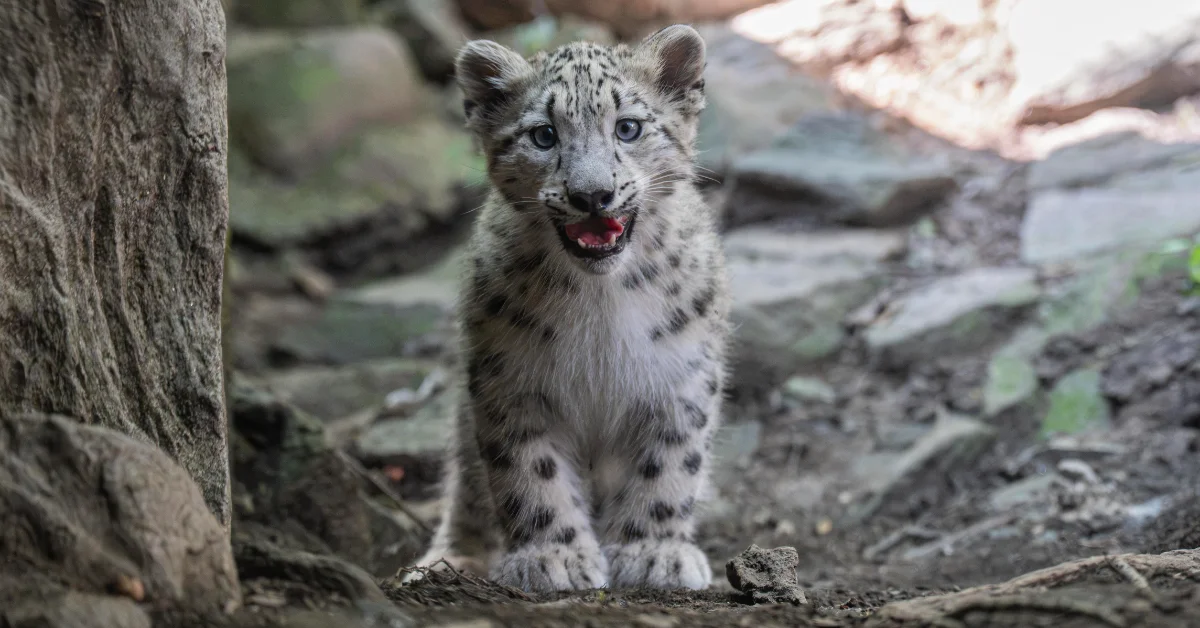
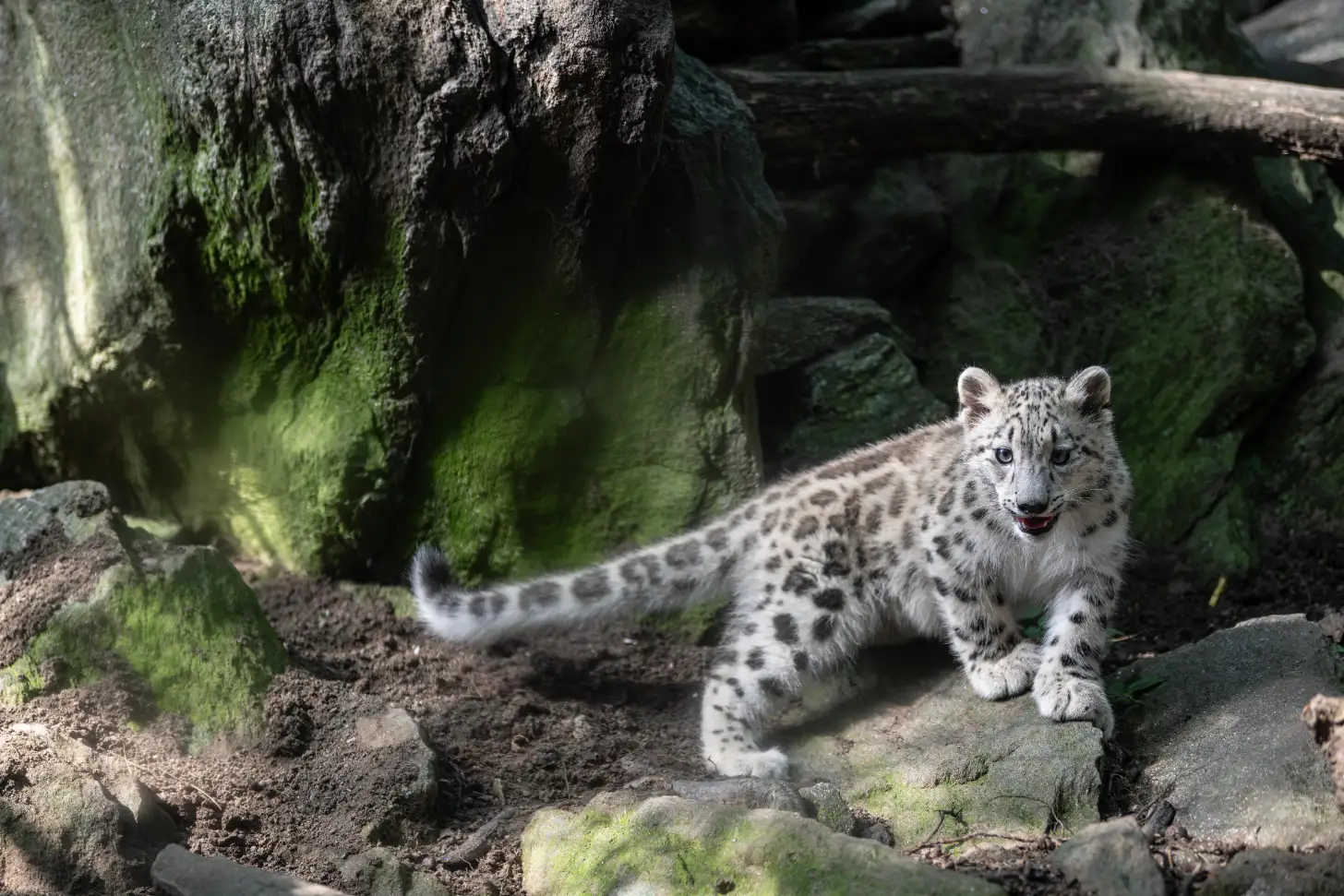
A new big cat bombshell has entered the Himalayan Highlands at The Wildlife Conservation Society’s Bronx Zoo: Sarka.
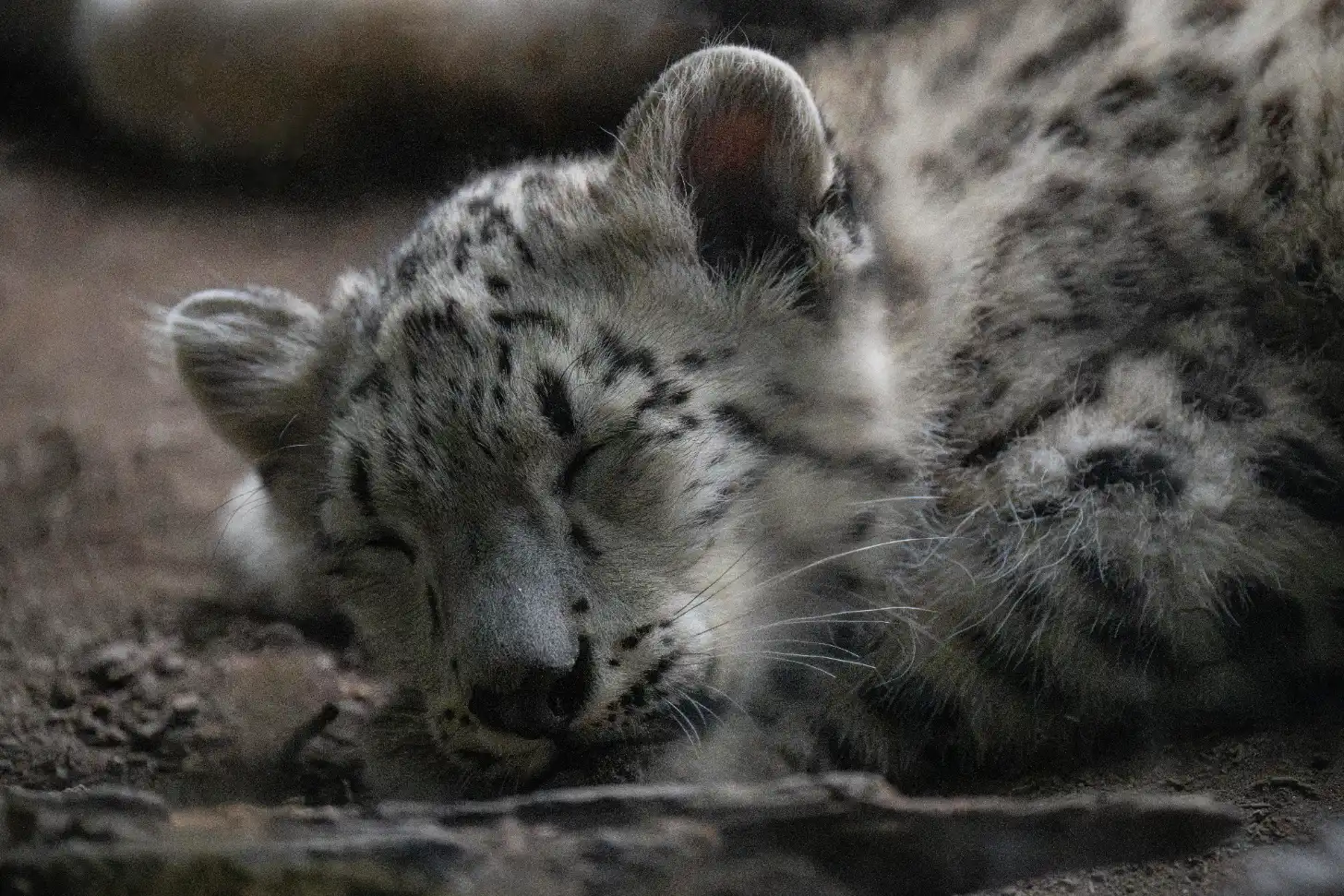
The female snow leopard cub was born on May 31 to parents Dariga and Moutig in the Bronx, New York. After passing her physical exams and routine vaccinations, the new cub is now exploring the zoo’s snow leopard habitat — on display for visitors to see.
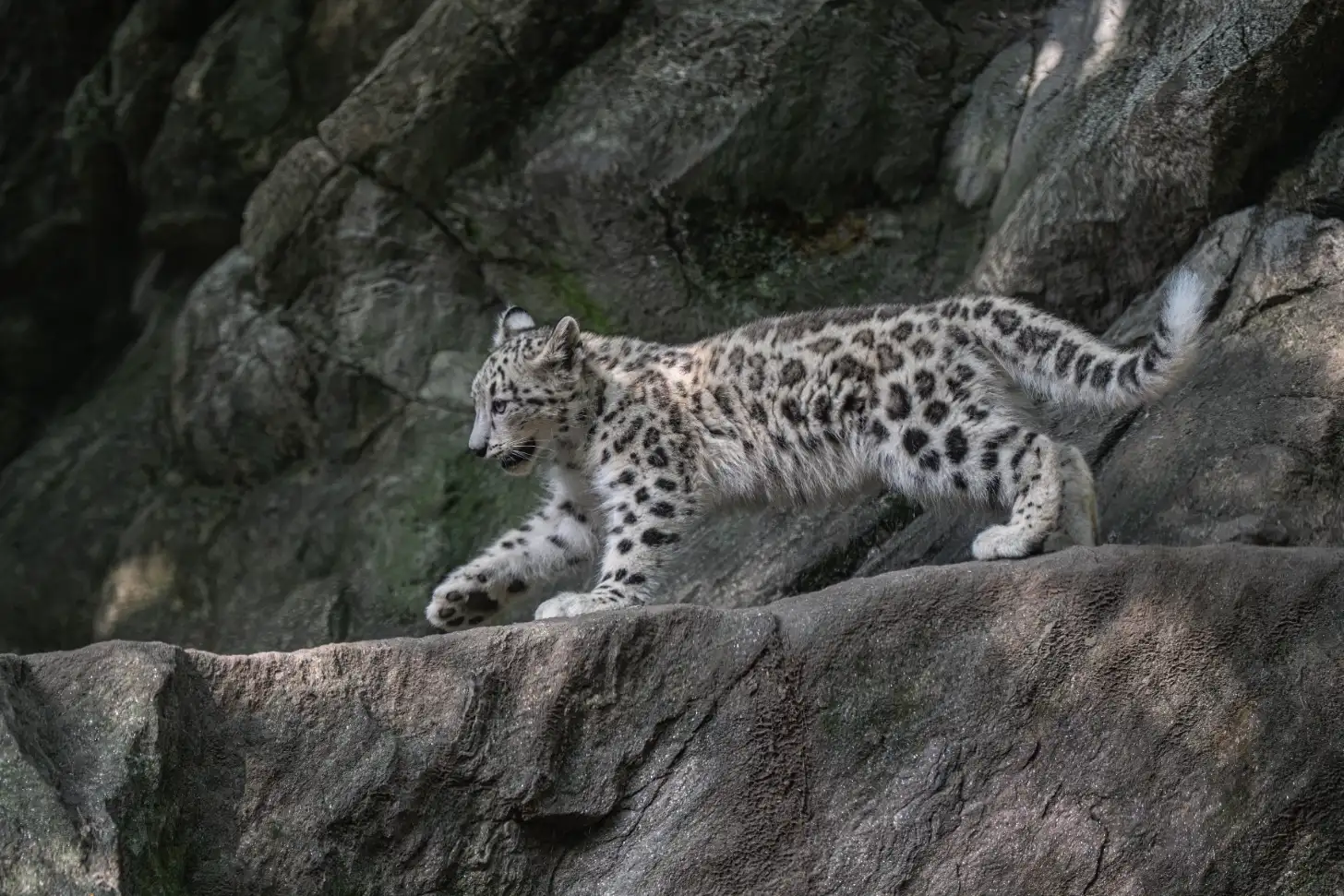
“The female cub is doing well and has now reached the age she can venture with her mother into the Himalayan Highlands exhibit,” the zoo wrote in a recent social media post.
“According to her keepers, she is enjoying exploring the habitat as well as seeing snow leopards in the neighboring exhibits. We currently have eight snow leopards here at the zoo.”
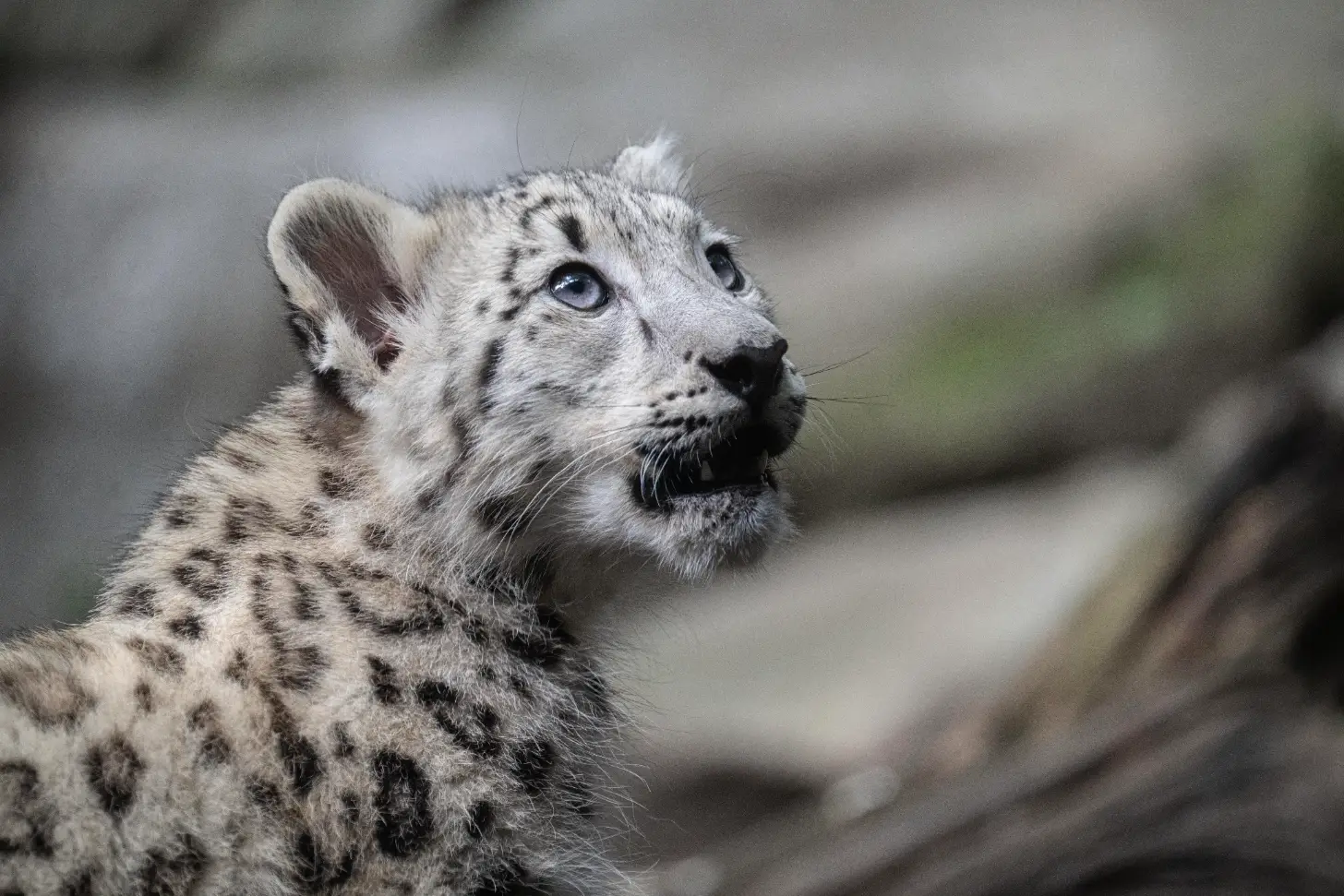
Sarka, whose name means “shark” in Nepali, represents an exciting milestone in snow leopard conservation.
The species is known as one of the world’s most elusive big cats, occasionally called “the ghosts of the mountains.” The species is rarely seen in the wild but is well-suited to high-altitude habitats on the Himalaya and Tibetan Plateau in Asia.
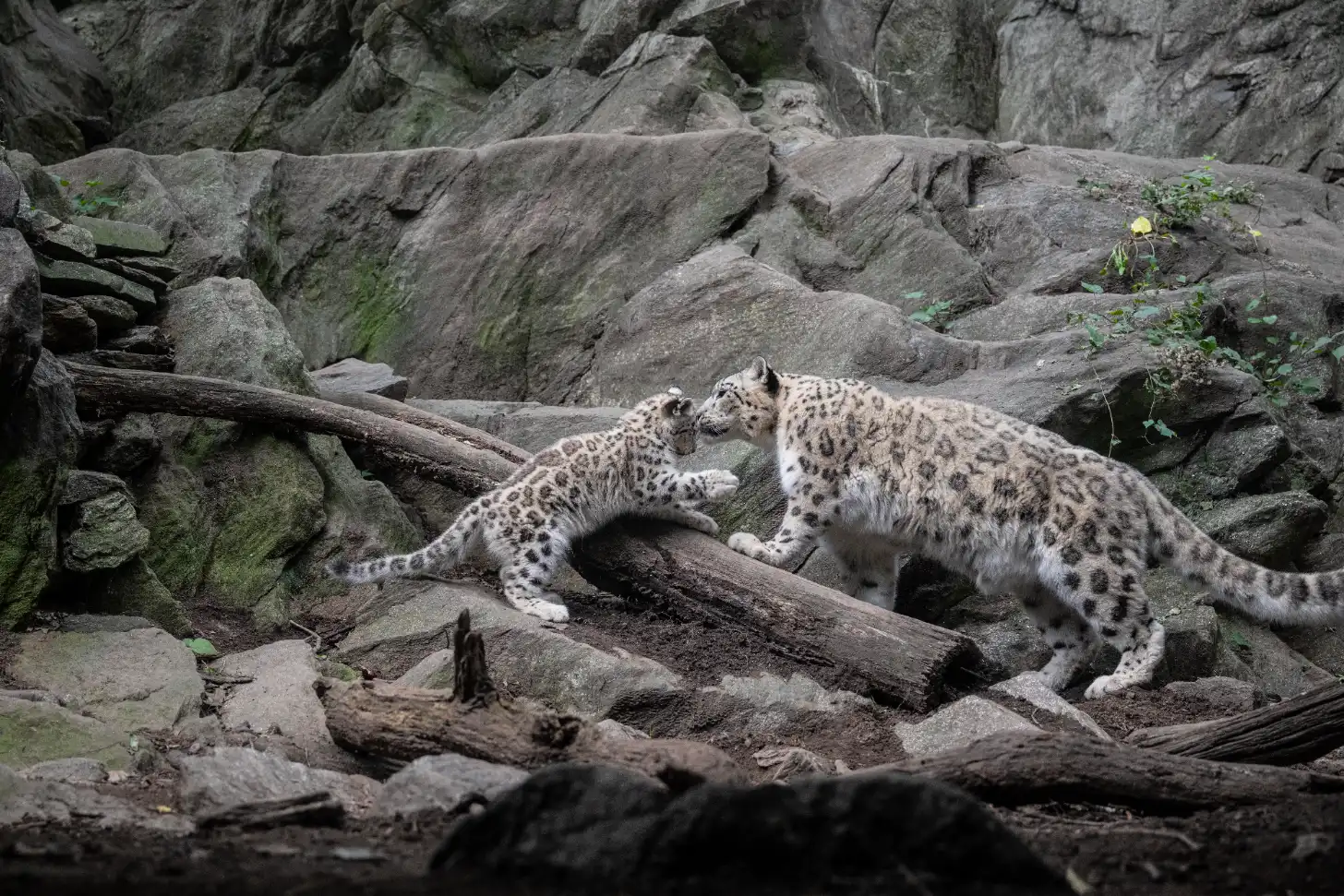
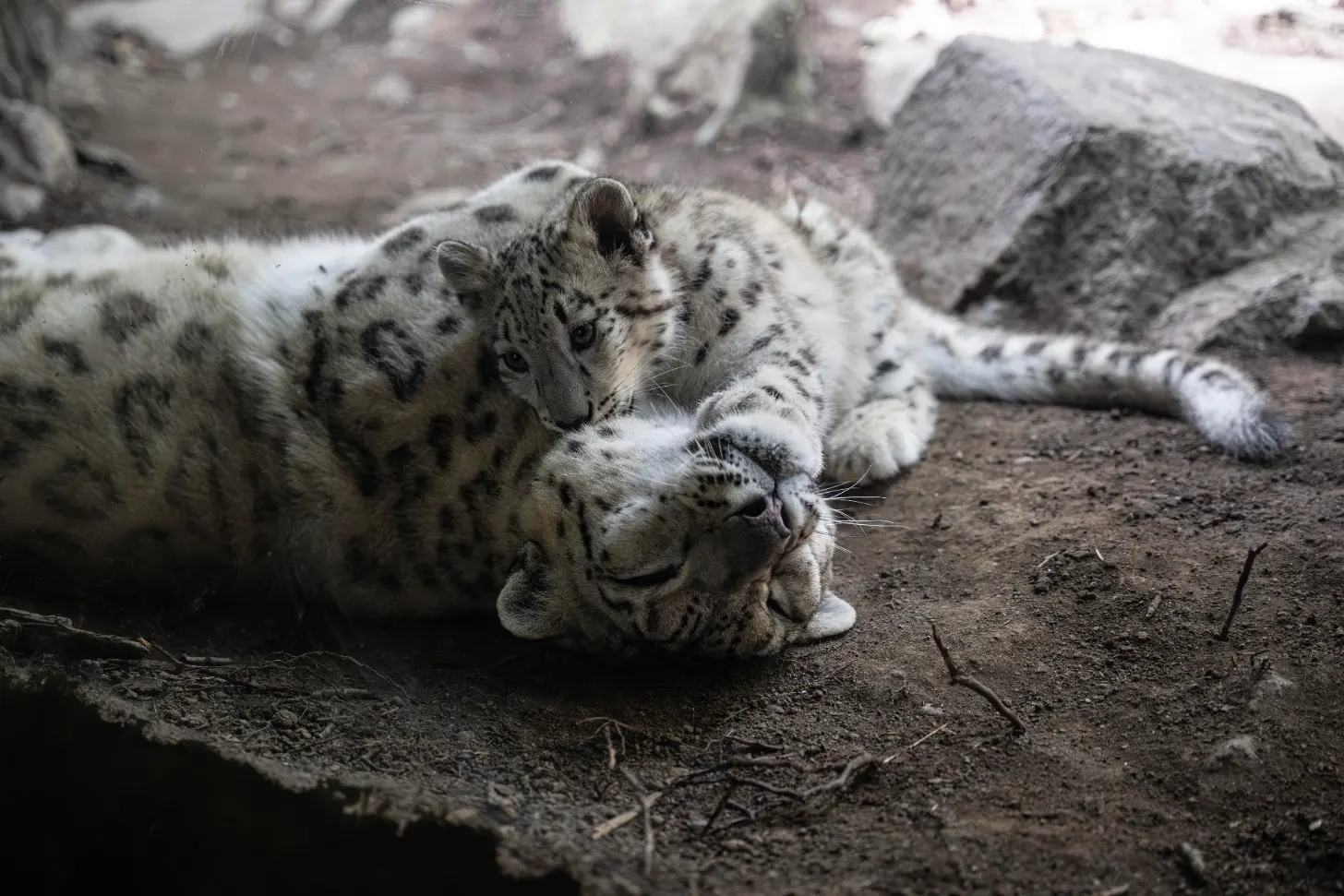
“They have a spotted white-gray coat that provides camouflage in their rocky mountainous habitat; large, padded feet that act as natural snowshoes; and long, woolly tails that provide warmth and balance as they navigate steep terrain,” the zoo wrote in a press release about the new cub.
The International Union for Conservation of Nature lists the species as “Vulnerable,” with an estimated 5,000-7,000 remaining in the wild across Asia. The snow leopards are threatened by habitat degradation and decline in prey species, as well as poaching, illegal trade, and retaliatory killing by livestock herders.
The WCS has been a longtime leader in snow leopard conservation, with the Bronx Zoo making history as the first zoo in the United States to exhibit snow leopards in 1903.
The organization’s field biologist George Schaller led pioneering surveys on wild snow leopards in the 1970s and 80s, establishing a scientific foundation for the species’ conservation.
“Building on 55 years of work protecting the species across Asia, WCS today supports these big cats and their mountain ecosystems in Mongolia, home to the world’s second-largest snow leopard population, and in Afghanistan, where WCS is the only international NGO working to conserve the species,” the organization explained.
“These efforts include community outreach and governance building, protected area development and management, ongoing monitoring using camera traps and satellite collars, and anti-poaching and anti-trafficking initiatives.”
Now with this new cub in their midst, the Bronx Zoo has had more than 80 snow leopard births since 1903 and participates in the Association of Zoos and Aquariums Snow Leopard Species Survival Plan. The cooperative breeding program is built on the intention of enhancing the genetic viability of the species.
You may also like: The Bronx Zoo rescues 800 endangered turtles from 'unprecedented surge in trafficking'
Featured Image: Terria Clay/Courtesy of Wildlife Conservation Society