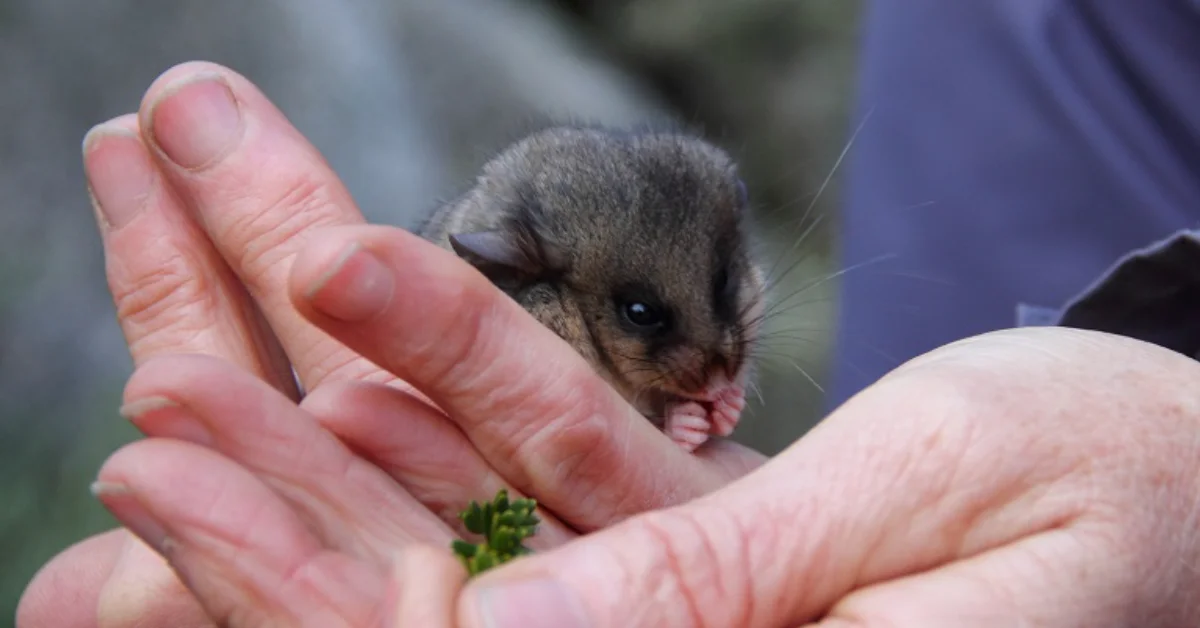
The burramy, or mountain pygmy-possum, supports fragile Australian environments by dispersing seeds from mountain plum-pines across rocky alpine landscapes.
The tiny, four-inch marsupial — which has a prehensile tail longer than its body — was long feared to be extinct until it was rediscovered in 1966 at Mount Hotham in the Victorian Alps of Australia.
In the decades since, scientists across Australia have worked to engineer a species recovery plan.
One critical habitat scientists honed in on was a population of roughly 150 mountain pygmy-possums in Little Mount Higginbotham. But it faced a major problem: a 210-mile roadway that cut directly through its natural habitat.
“At Little Mount Higginbotham, the Great Alpine Road currently acts as a barrier for movement of possums from one side of the road to the other,” Jerry Alexander, the natural environment program officer for the Department of Environment, Land, Water, and Planning, said in a statement.
That’s particularly an issue when it comes to mating. While female mountain pygmy-possums generally live in higher altitude habitats amid boulder fields, males tend to live further down the slope. The Great Alpine Road, Australia’s highest accessible road, makes it nearly impossible for the males and females to reach each other safely.
“We are making it easier and safer for the males to travel and breed with the females by linking their habitats,” Alexander said. “By increasing breeding opportunities, habitat restoration, and predator control, we are giving this critically endangered species the best possible chance to thrive.”
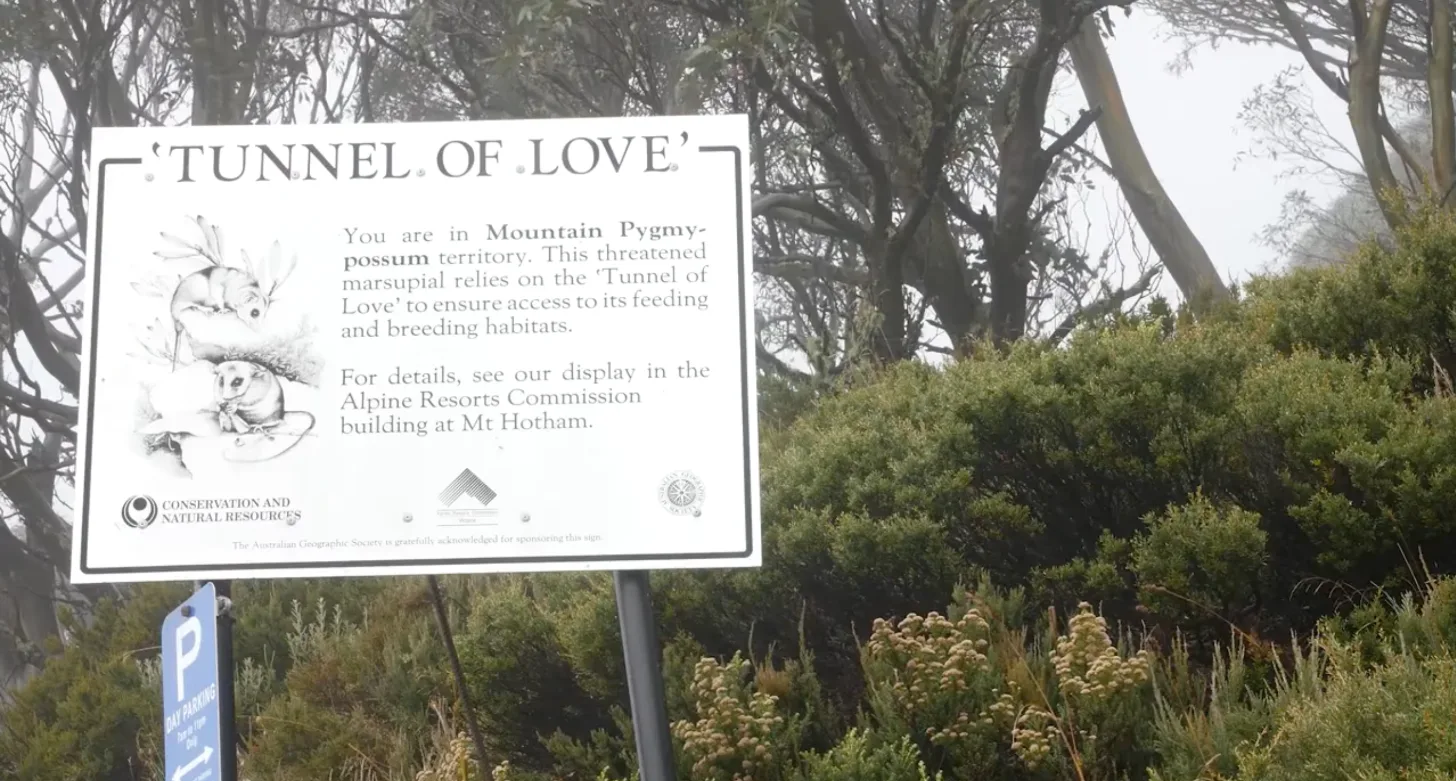
Over two summers, researchers recorded 30 mountain pygmy-possums using the tunnel of love, often in springtime, after their mates had woken from hibernation. According to scientists, the marsupials can clear the nearly 50-foot tunnel in just 15 seconds – a rate that’s sometimes too fast for trail cameras to even capture them.
Today, fewer than 2,000 mountain pygmy-possums are believed to remain in the wild. In addition to nature-based, non-invasive methods of saving the marsupials, captive breeding programs have also proved critical to the species’ survival.
In March, Zoos Victoria’s Healesville Sanctuary welcomed 12 tiny joeys as part of its breeding and research program.
Mountain pygmy possums remain Australia’s only true hibernating marsupial — in the wild, they spend more than five months beneath the snow each year.
At Healesville Sanctuary, zookeepers use special thermal cameras to check in on the little critters as they hibernate.
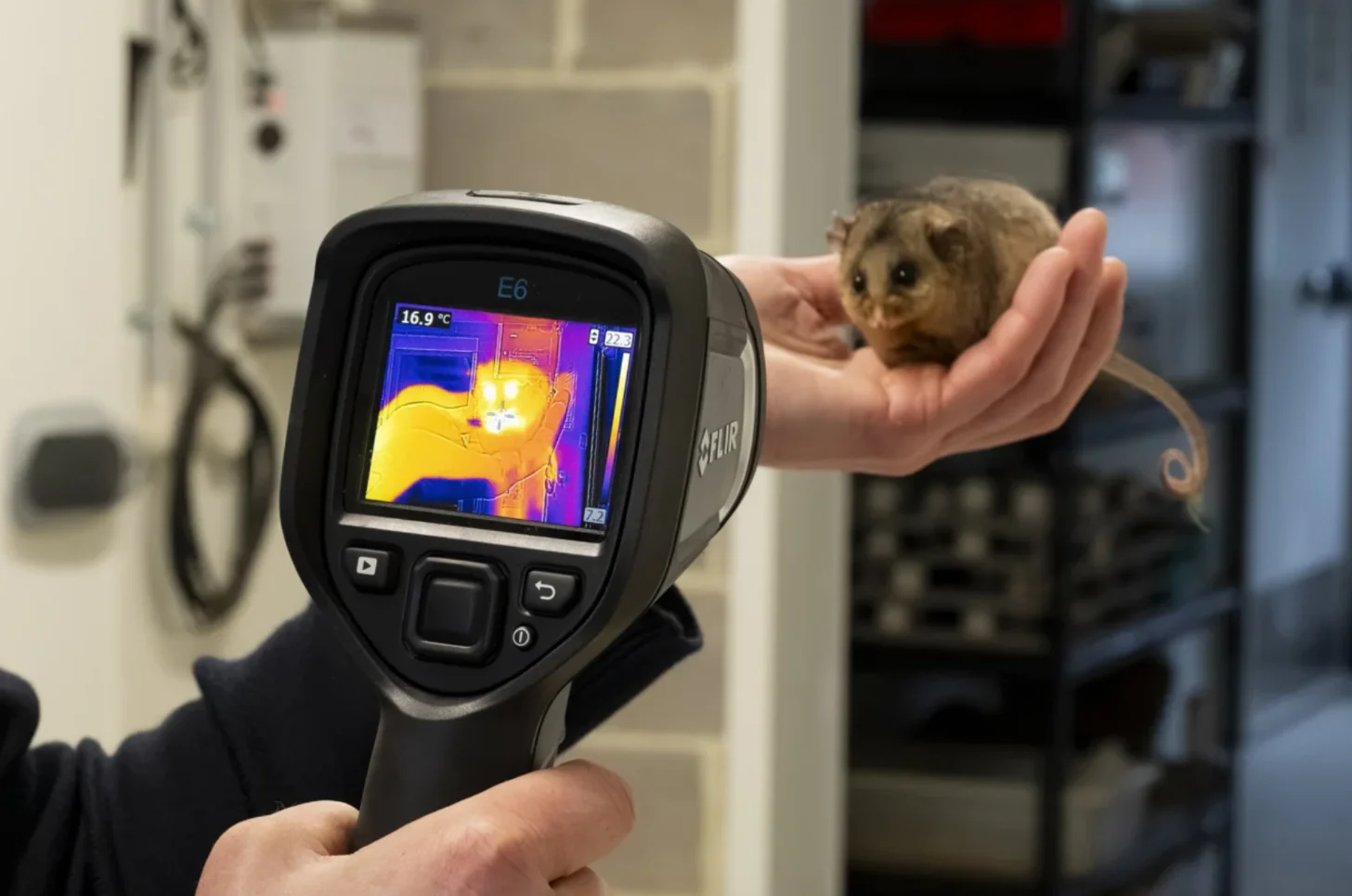
“When in torpor (hibernation), mountain pygmy-possums can reduce their body temperature to two degrees Celsius,” Threatened Species Keeper Amie Hindson said in a statement. “They curl their bodies into a little ball with their head tucked into their chest or abdomen. Sometimes, the females will tuck their little noses into their pouch.”
Before hibernation, the little marsupials nearly double their weight to around 2 ounces, then shrink back to nearly half that size over winter.
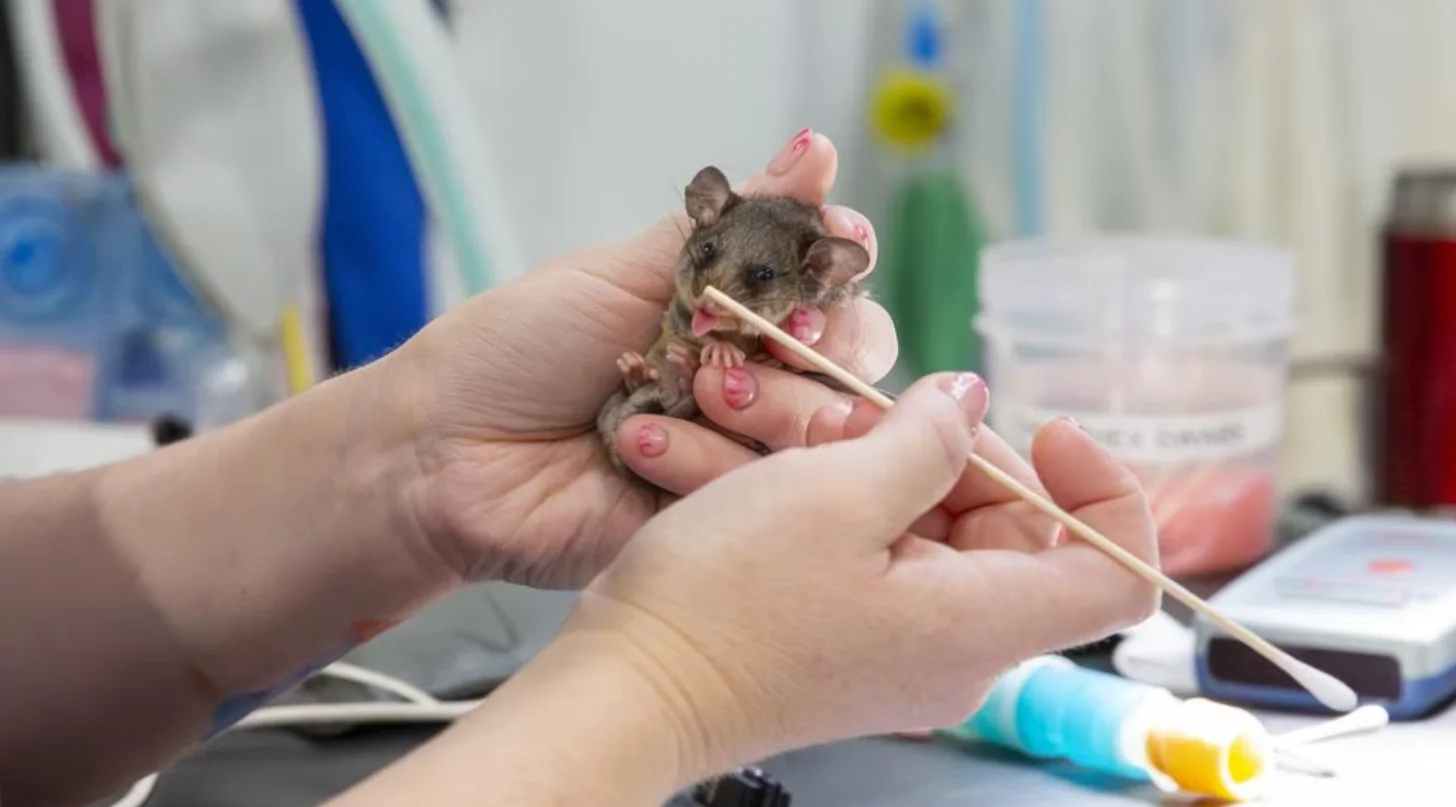
“We already do weekly weight checks of the possums, record their activity levels each day, and record how much food they are consuming over the hibernation period,” Hindson explained. “But it was pretty cool to see the difference on the thermal camera between an awake and torporing possum.”
“Any additional monitoring of our nocturnal species that we can do without extra disturbance is something that is really important for the well-being of those species in our care.”
You may also like: Maine's first 'turtle tunnels' help endangered reptiles cross a 'highway of death'
Featured Image: Lucy Morrell/DPIE