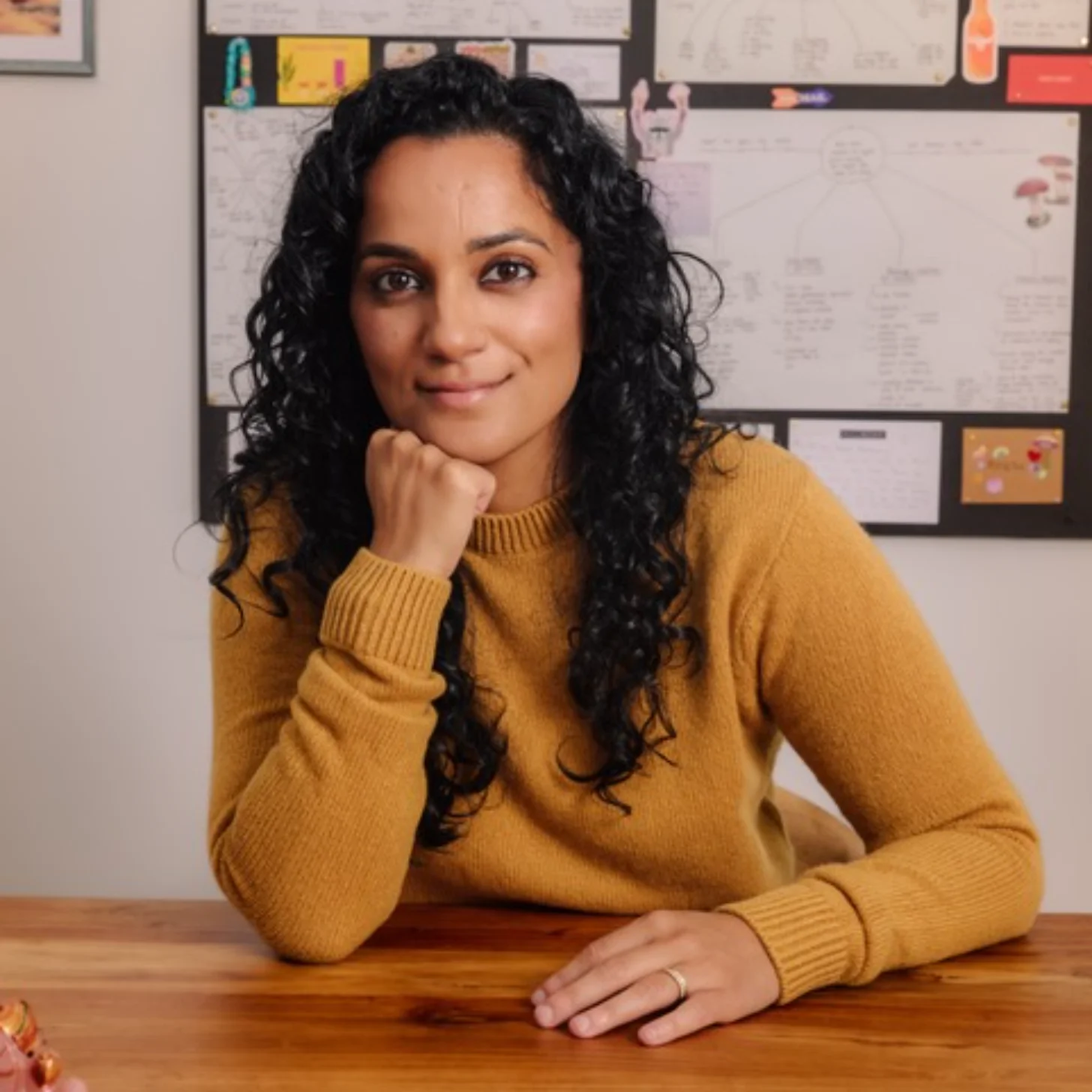
Sonya Passi founded her nonprofit, FreeFrom, in 2016, with a mission to “end gender-based violence by building economic freedom and safety with survivors.”
One of the main efforts of the organization is to give direct cash transfers to survivors of GBV — often no more than $1,500 — in an effort to prove that economic support could transform the lives of survivors. According to FreeFrom, one in two women and one in two transgender individuals will be subjected to GBV in their lifetimes.
At first, the organization started by helping survivors start their own businesses. While it still offers entrepreneurship support, when COVID-19 hit, the nonprofit answered the call from their community to provide support in cold, hard cash, too.
“I founded FreeFrom on a conviction that felt radical at the time: that gender-based violence is an economic problem, and that survivors — given unrestricted cash — already know how to solve it,” Passi told Good Good Good.
“This type of financial support was once dismissed as impractical. Over the last decade, FreeFrom has built the evidence that it works.”
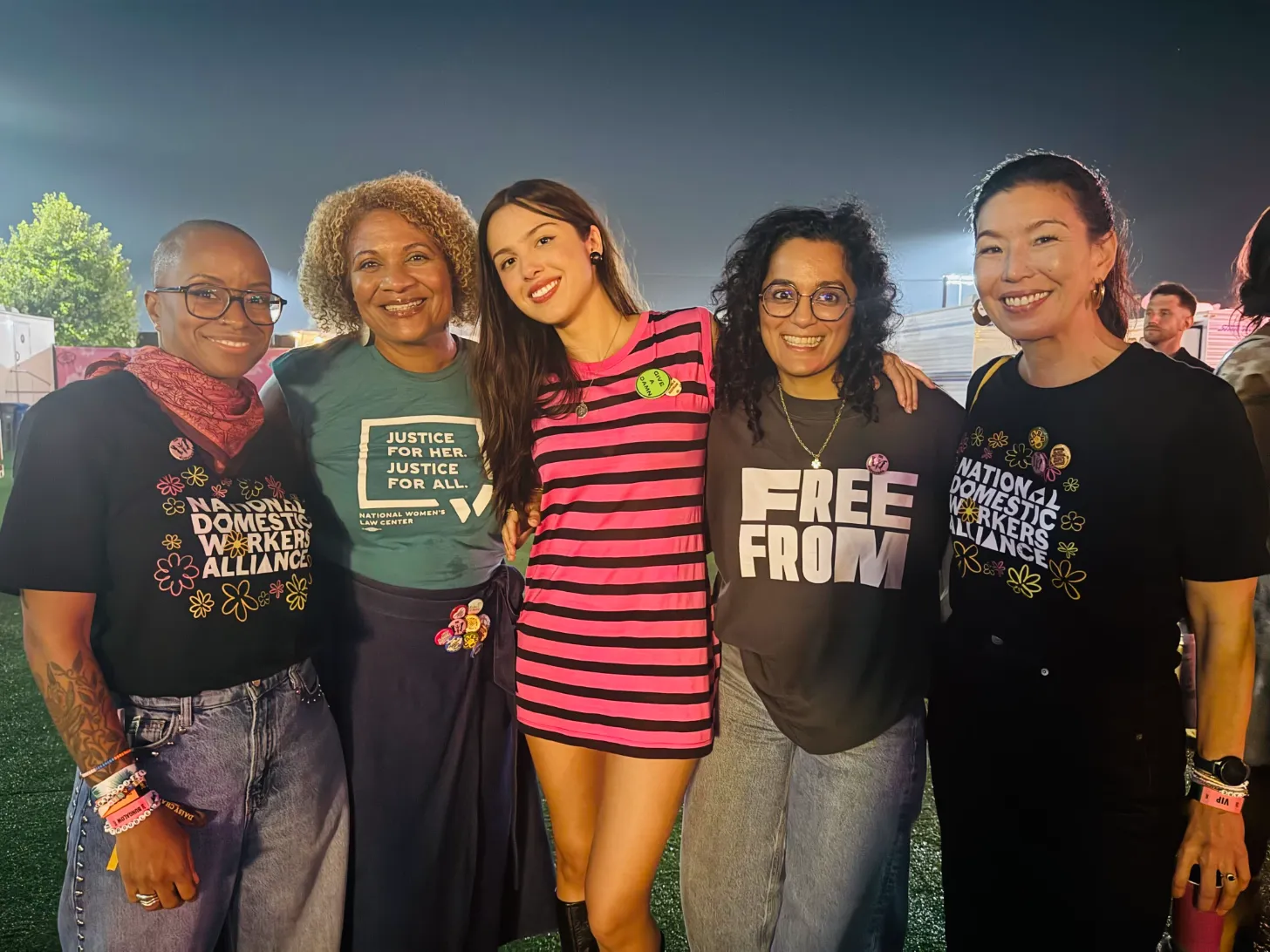
On August 29, Passi represented the organization at Olivia Rodrigo’s Daisy Chain Fields festival, where FreeFrom was awarded $2 million, along with nine other nonprofits with missions to uplift women and girls.
And FreeFrom is celebrating its tenth anniversary with a major impact report — the evidence, Passi supplied, that these cash transfers are working.
“Since 2016, we've put $10 million directly into survivors' hands,” Passi summarized. “To understand the impact of this work, we surveyed survivors who had participated in our programs.”
According to the 10-year report, all survivors surveyed had participated in at least one FreeFrom cash assistance program, receiving up to $1,500, with many engaged across multiple programs over as many as five years.
The findings showed that 94% of those surveyed strengthened their sense of social well-being, and 93% strengthened their physical and psychological safety after engaging with the organization’s cash assistance program.
More than 90% of survivors also made meaningful progress in securing employment, stable housing, healthcare, and education. And 88% had strengthened their financial security. Among the survey pool, over half of respondents — 56% — improved across all domains measured.
“Gender-based violence is so painful, prevalent, and complex that we make the mistake of thinking we have to solve every single piece of the problem for survivors. We don’t,” Passi said.
“Survivors are incredibly resilient, resourceful, and know what they need. With a little bit of financial support, they are healing and getting to thriving.”
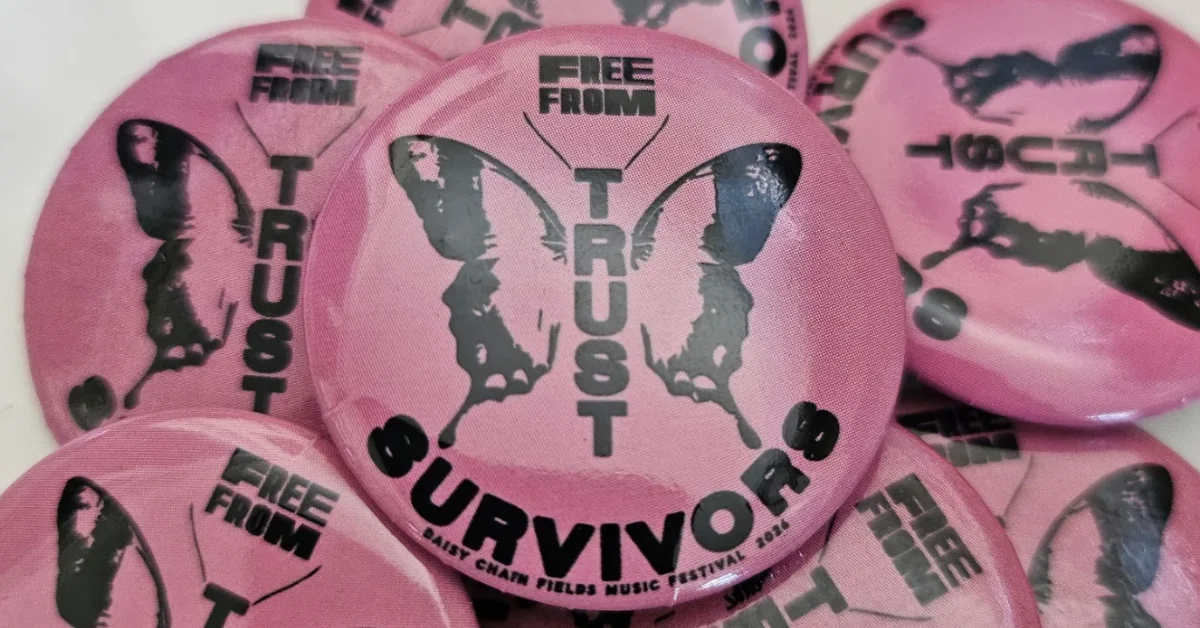
This belief stems from an organizational ethos to “trust survivors.” In the years following the surge of the #MeToo movement, phrases like this, and “believe women,” became a rallying cry to provide more credence to the stories and lived experiences of GBV survivors.
But beyond an “I believe you,” FreeFrom practices trust in a more generous and unrestricted way: Trusting that survivors know what they need to heal.
“Survivors never have to justify their situation to get support from us. No receipts, no explaining themselves,” Passi said. “They just get cash and decide for themselves what happens next. That's how our programs are designed, and it's why they work.”
That trust doesn’t seem to concern itself with how exactly survivors spend their money — rather, it cares about results.
“Before FreeFrom, half the survivors we surveyed were in financial crisis. Today, that's 10%. More than half were in immediate physical danger. Today, that's 13%. But what surprised us most was what survivors accomplished in areas we weren't even targeting,” Passi said.
“95% made progress finding employment and accessing healthcare. 93% pursued education. 91% secured housing. We don't help survivors with job applications or housing searches. We give them cash, trust them to decide what they need, and they do the rest themselves.”
There is programming beyond the initial “Safety Fund.”
FreeFrom also offers a savings matching program that helps survivors match dollar-to-dollar up to $55 per month to build up to $1,440 in emergency savings over the course of a year.
Community financial coaching, webinars, and a “next-step” program are also available.
“The money I'd obtained through the savings match program went directly to me putting a down payment on an apartment when my safety was at the most risk, and my abuser was threatening violence against me and my father,” one survivor shares anonymously in the 10-year report. “It came in handy during an unexpected time when I had to leave my home.”
Beyond those handful of support structures, the power is put directly back into the survivors’ hands.
“You helped me understand that financial instability wasn't a curse or something that just happens like I've been told,” one survivor also shared anonymously.
“I have learned to have my own agency with money, and for the first time in my life, I feel safe and trust myself with financial choices.”
Advancing systemic solutions
While FreeFrom has reached thousands through its programming, Passi knows that the world needs systemic change; one nonprofit can’t reach all the survivors in a given area, let alone the entire country.
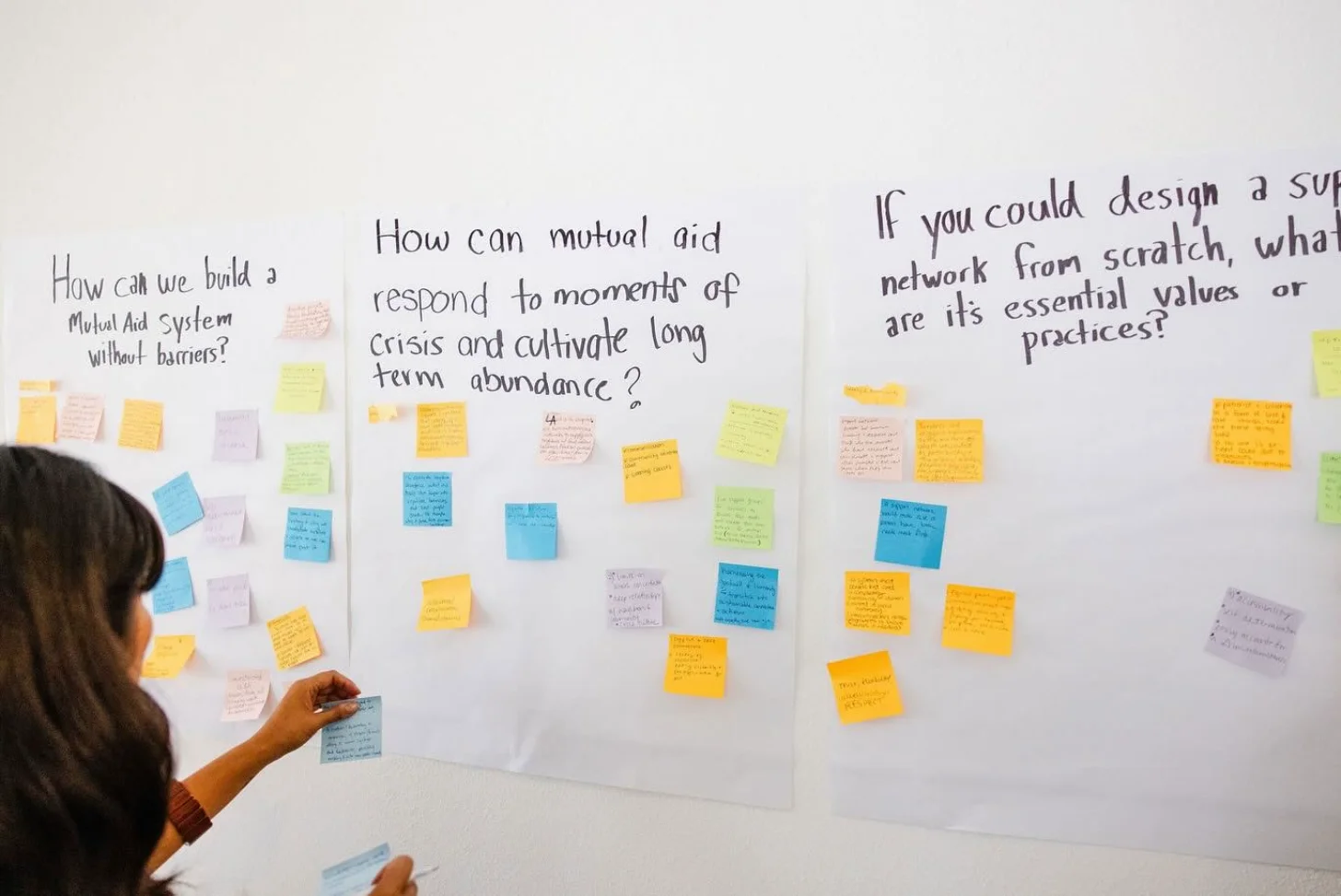
“Lasting change means a world where survivor safety is built into the systems survivors depend on, so they can continue to thrive,” Passi said. “FreeFrom has helped introduce more than 1,200 bills and pass over 220 pieces of legislation across the U.S. in support of survivor financial security.”
In 2023, the organization's data helped Chicago build one of the largest municipally-funded cash assistance programs for survivors in the U.S. The hope is to reach more large cities in the coming years.
“FreeFrom’s goals now are about scale. We want cash assistance to become a population-level solution to ending GBV — backed by philanthropic investment and adopted by local, state, and federal governments,” Passi said. “We want survivor-centered policies to be a permanent fixture in political agendas.”
And she makes a compelling case: Cash transfers are more cost-effective than the existing GBV frameworks in most states.
“In New York City, it costs $9,000 for a survivor and one child to stay in a shelter for one month. In North Carolina, every single time the police are called to an incident of domestic violence, it costs the state $5,500,” she said.
“FreeFrom is giving survivors $1,500 or less. Cash is not just what survivors are consistently saying is their number one need. It’s also the most cost-effective and lasting solution there is.”
Other interventions, like providing employees with survivor-supportive protections or giving credit union members access to survivor-informed banking services, have also been rolled out in FreeFrom’s first decade of advocacy.
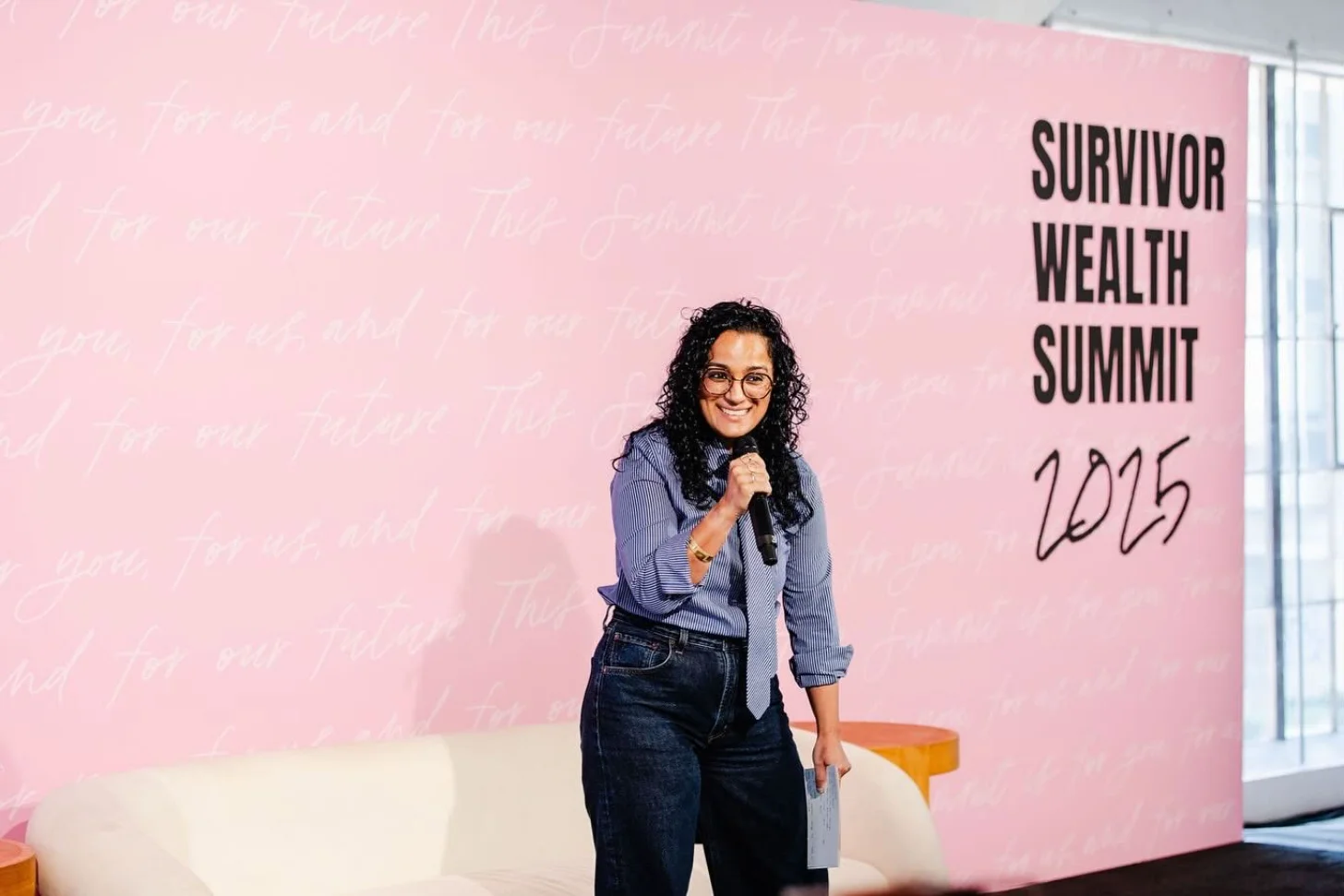
“Ten years ago, economic security wasn’t seen as a factor in survivor safety,” Passi said. “Today it is — and we're proud of the role FreeFrom played in that shift.”
The economic shift is not just about dollars and cents, but the potential of financial support to set survivors free.
“Every survivor who gets to safety breaks a cycle that would have otherwise repeated. Give a survivor the financial floor, and she builds a safer family and a safer community,” Passi said.
“That's the whole point of this work: Prove, one survivor at a time, that the cycle can break.”
You may also like: These women's health nonprofits lost federal funding. Olivia Rodrigo's $20M donation 'will outlast any news cycle'
Featured Image: Courtesy of FreeFrom