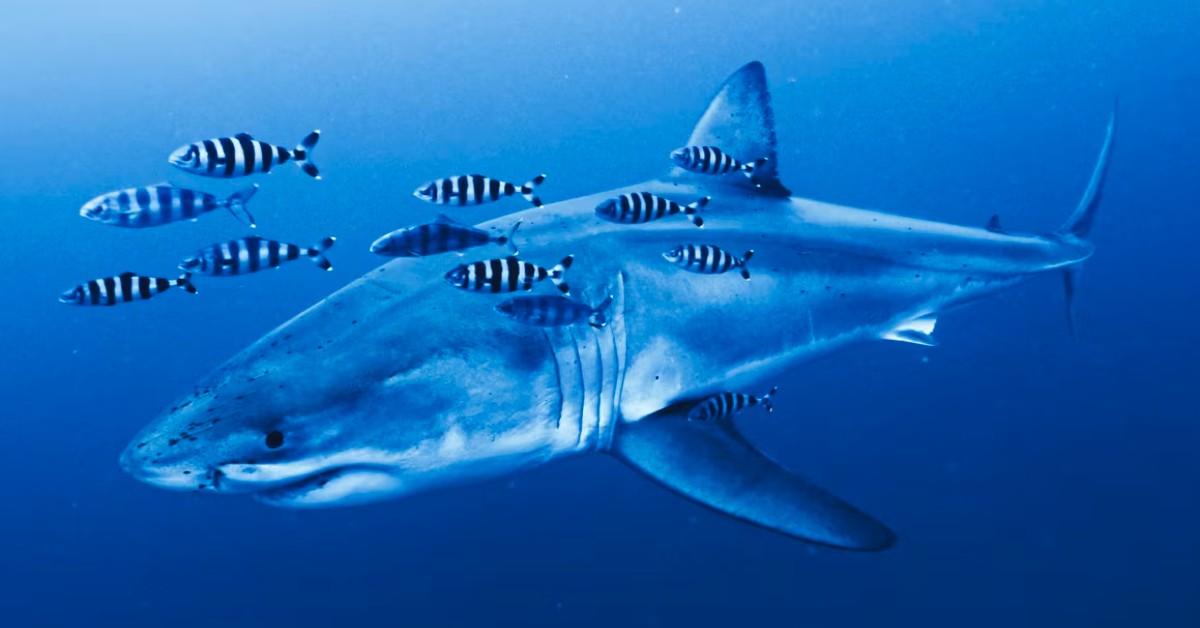
When fishing gear and netting become lost underwater, they turn into “ghost gear” — marine litter that doubles as a deadly trap for marine life through ingestion and entanglement.
And according to the United Nations Environment Programme, a staggering 640,000 tons of fishing gear are abandoned in the ocean each year.
Fortunately, foundations like Healthy Seas have made it their mission to remove ghost gear in oceans around the world.
“In 2025 alone, our dedicated team of 550 Ghost Diving volunteer divers contributed a total of 140 diving days, conducting both survey dives and active clean-ups,” Healthy Seas wrote on its website.
“Together with Ghost Diving, we continue to tackle marine litter and remove ghost fishing gear, embodying our dedication to preserving marine ecosystems for future generations.”
On June 8, Healthy Seas revealed that a recent clean-up resulted in a once-in-a-lifetime encounter.
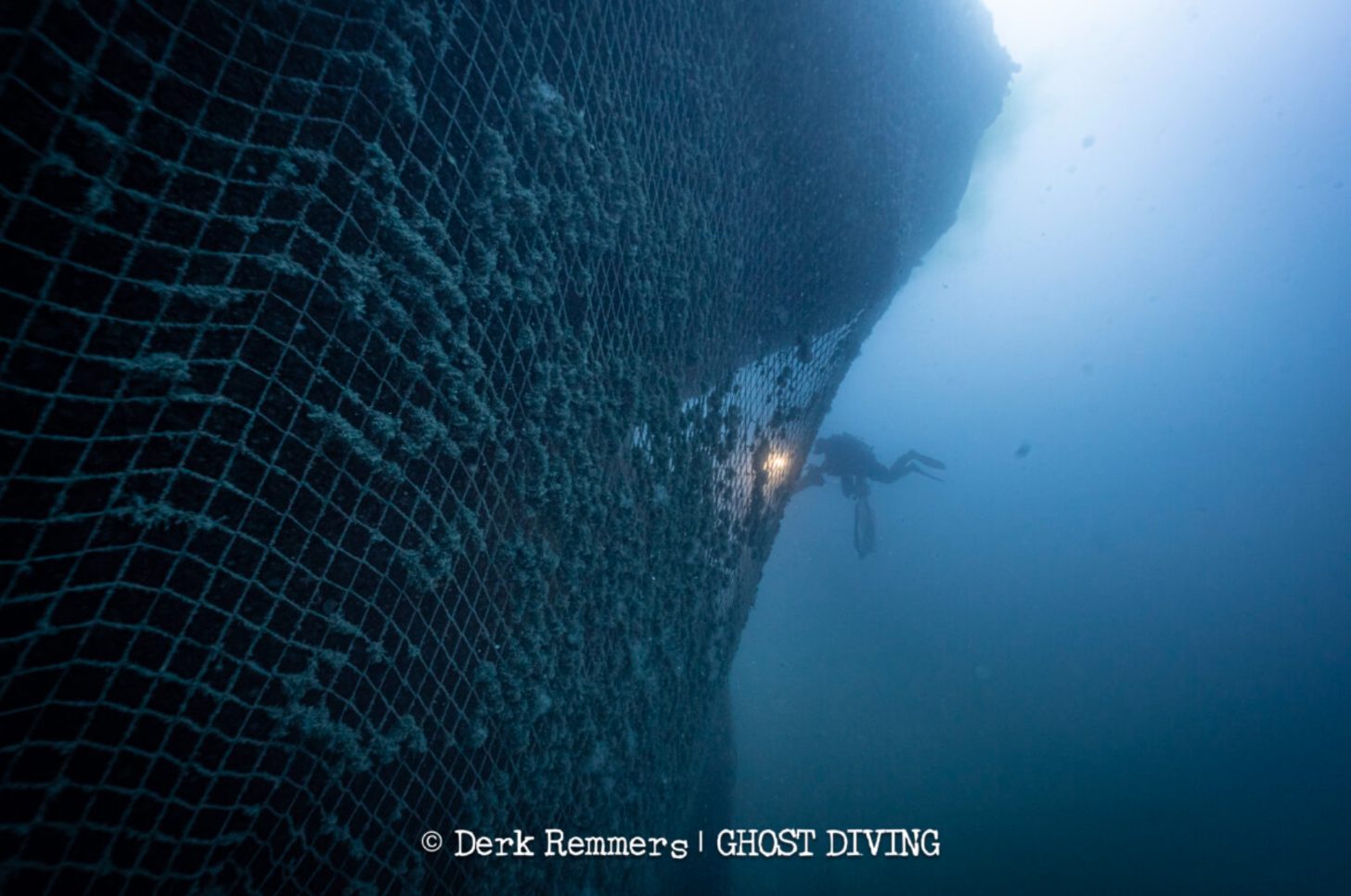
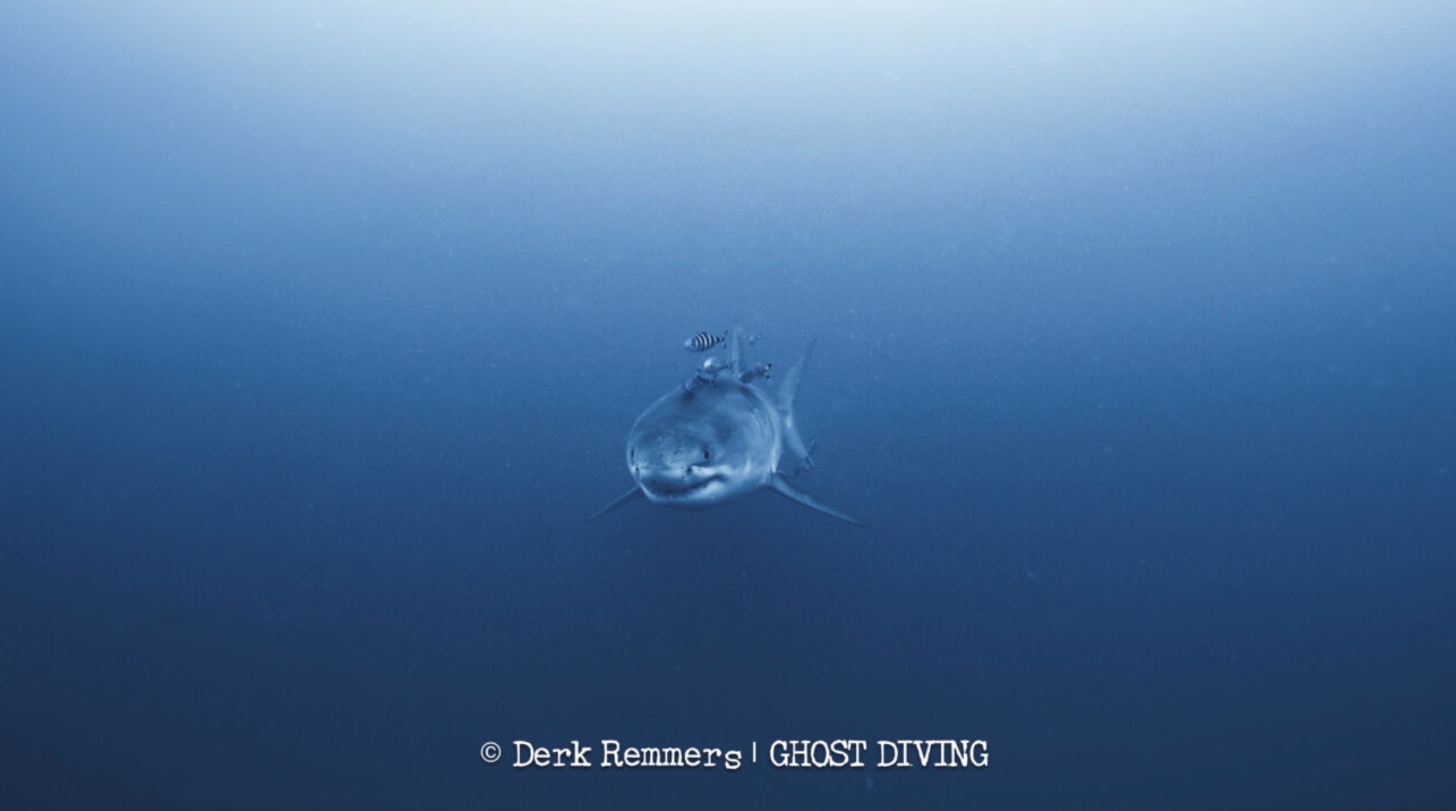
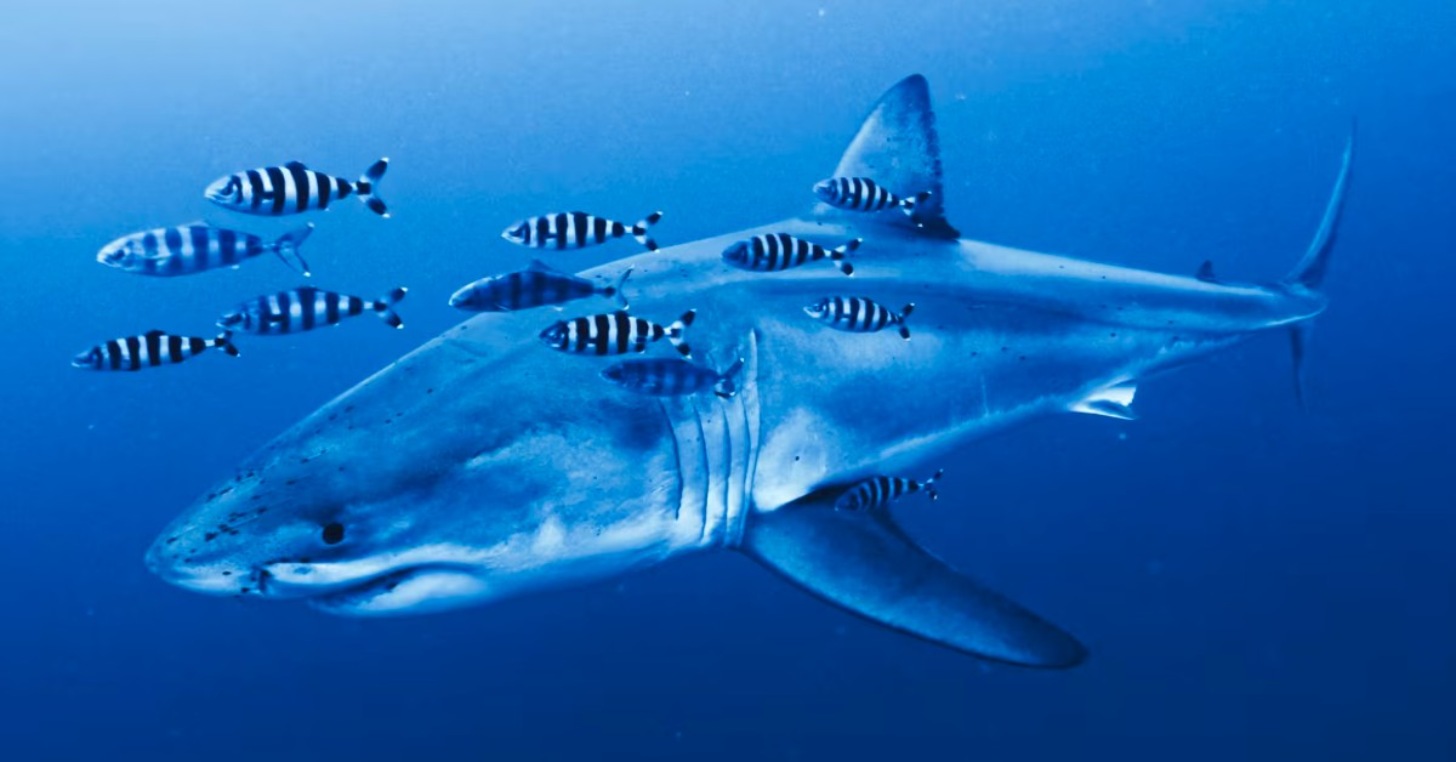
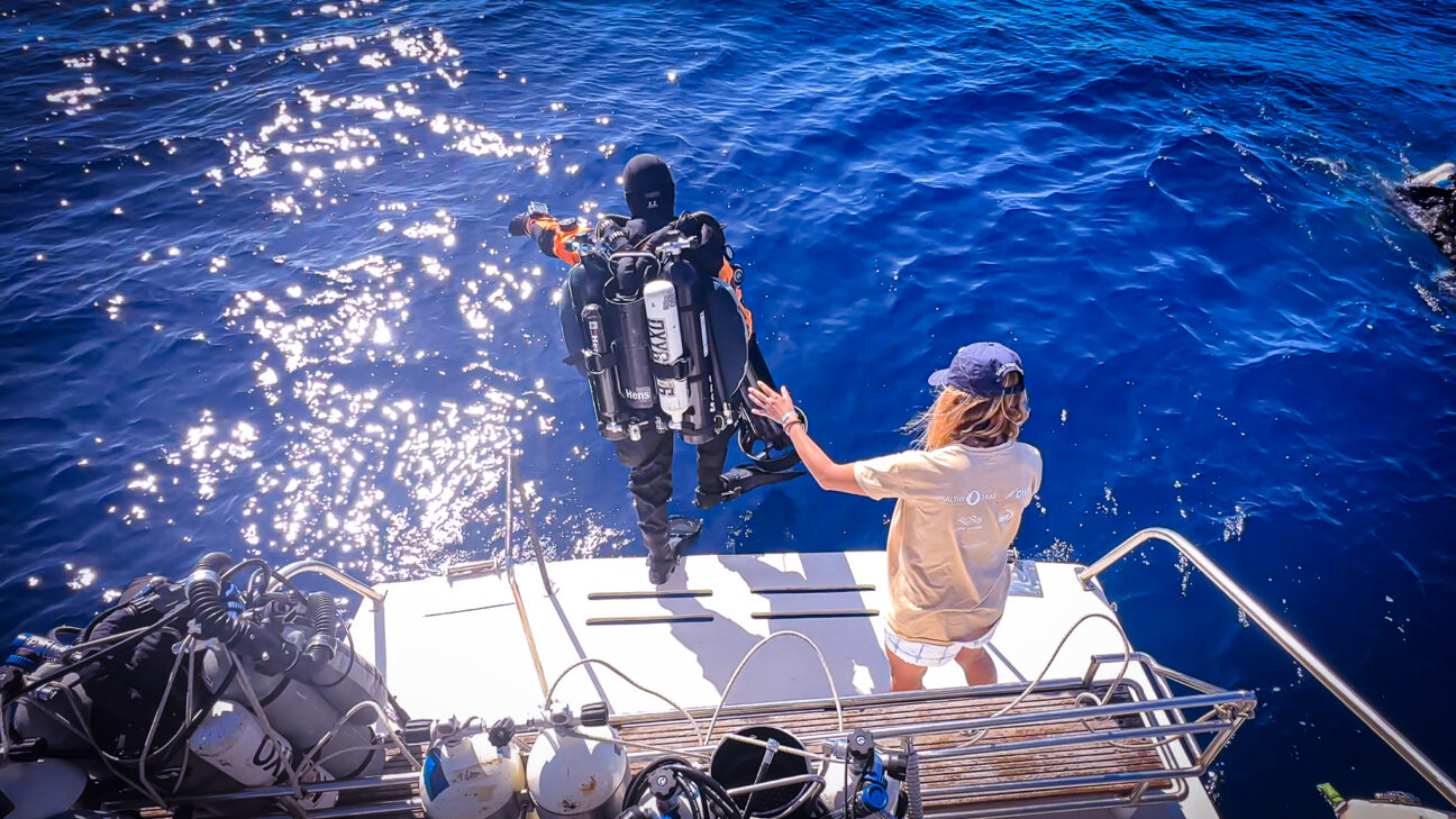
Ghost Diving volunteer Derk Remmers was helping his team remove netting from a shipwreck in the Strait of Sicily when a massive great white shark swam into view.
His immediate concern was not the shark itself, but whether he could take a picture of it in time.
“The shark was pretty close to us,” Remmers told the BBC. “And in fact, my fingers were trembling when I was trying to get the camera operating.”
While great white sharks have long been known to swim in the Mediterranean Sea, live sightings of them are incredibly rare. To date, regional knowledge of great white sharks has been severely limited to deceased specimens that are victims of commercial fishing.
“What makes this encounter so powerful is not only the shark itself, but the context in which it happened. We were there to remove ghost nets trapping marine life on a shipwreck ecosystem that is a hotspot for biodiversity,” Veronika Mikos, the director of Healthy Seas, said in a press release.
“Moments like this remind us how much life can still exist in offshore Mediterranean waters and how important it is to protect it from preventable threats like abandoned fishing gear or overfishing.”
Dr. Carlo Cattano, a researcher at the Sicily Marine Centre of the Stazione Zoologica Anton Dohrn, highlighted the importance of the encounter and the data that awaits them.
“Observations like this are extremely valuable for improving our understanding of the distribution, habits, and behaviour of this critically endangered species, whose survival is threatened by human activities,” Cattano explained.
“Our research on sharks has, over time, allowed us to identify several key hotspots for threatened species, and this sighting is particularly significant in validating the conservation value of this area.”
Remmers was extraordinarily grateful for the experience, saying it felt “pretty special.” He emphasized that a diver is statistically more likely to “win the lotto jackpot” than to meet a great white shark underwater — especially in the Mediterranean Sea.
“You spend decades diving wrecks and removing ghost nets, but nothing prepares you for a moment like this,” Remmers said. “An offshore underwater shark encounter in the Mediterranean is insane, yet we also went on with our diving plan to remove nets from the wreck, as this moment showed the importance of our work very clearly.”
You may also like: Bull sharks are big, aggressive predators — but they can still make friends, according to new research
Header image via Derk Remmers / Ghost Diving / Healthy Seas