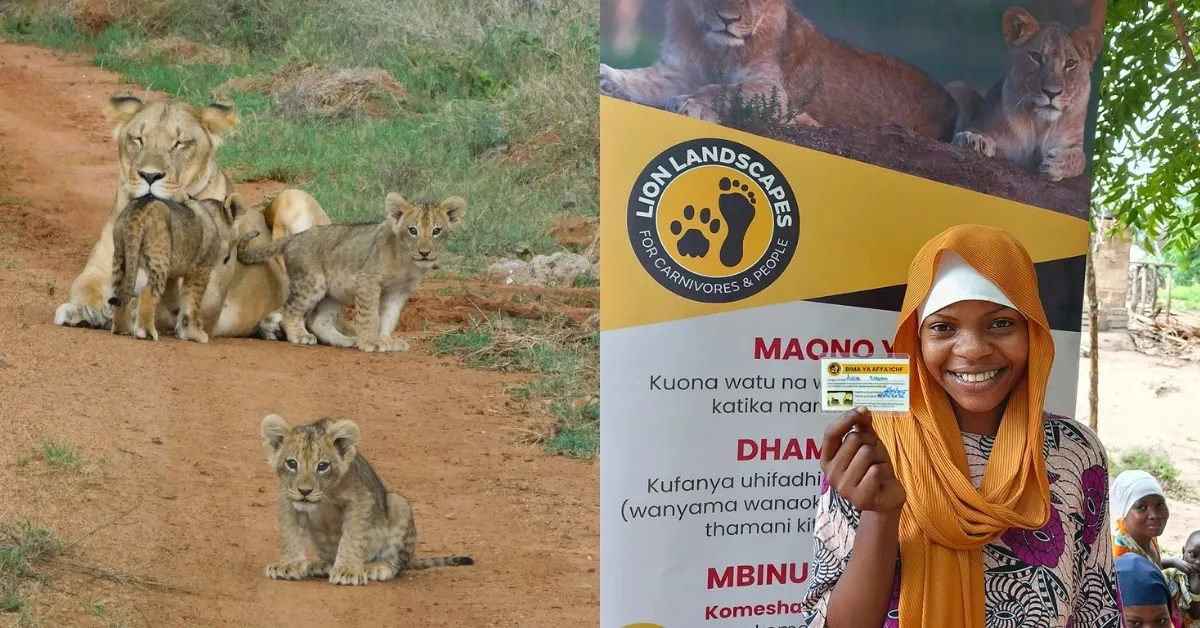
In Africa’s lion range countries, human-wildlife conflict is of increasing concern.
As big cats’ habitats shrink due to climate change, they turn to livestock properties to hunt. In turn, humans may be attacked by wildlife, or humans may kill wildlife out of fear or to protect their farms.
One nonprofit, Lion Landscapes, is addressing this conflict with a grassroots initiative to improve human-wildlife coexistence across East Africa. It’s called Community Camera Trapping Plus, or CCT+, a project that encourages locals to support camera trap placements for wildlife monitoring through the distribution of community benefits.
After discussions with locals, Lion Landscapes — a nonprofit associated with the Wildlife Conservation Research Unit at Oxford University — created CCT+ and its incentive structure.
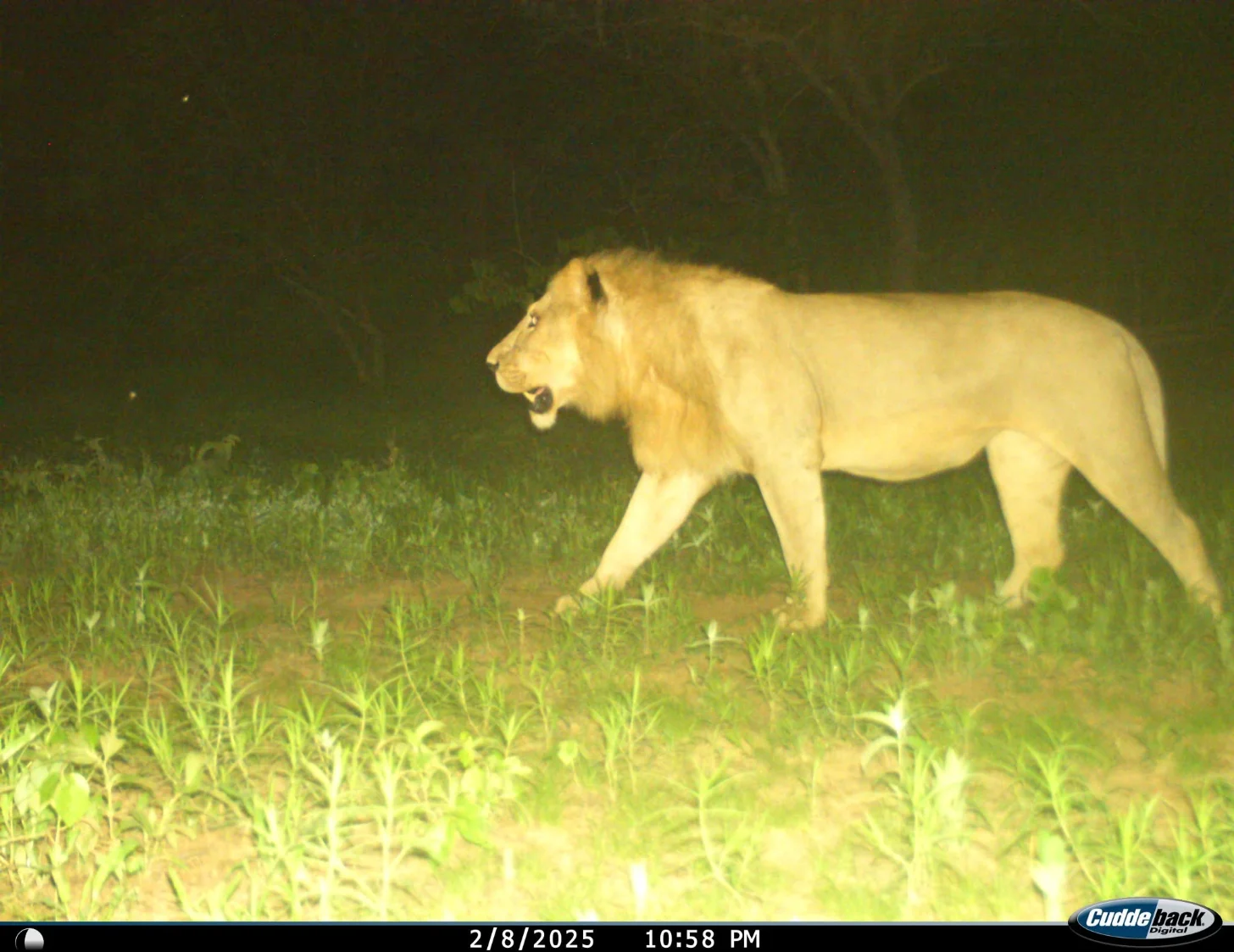
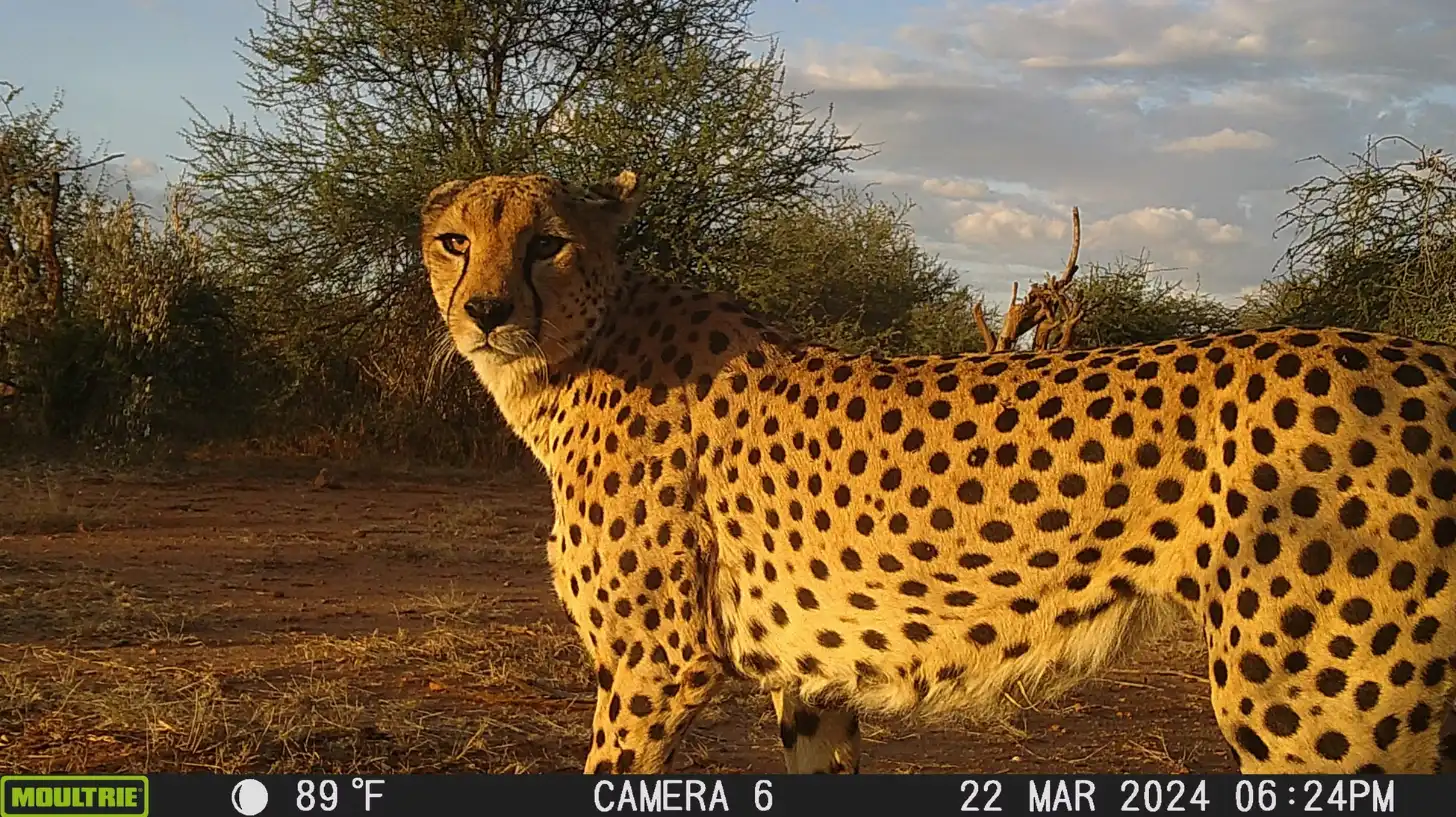
Here’s how it works: Community members are trained to place and monitor trail cameras in strategic locations in their village. Every animal the cameras capture on video earns points, with more points awarded for more threatened or conflict-causing species.
For instance, a lion or hyena generates more points than a small antelope. An animal that appears to have injuries from a snare or trap earns nothing, and an animal that researchers have collared gets double points.
This gamified system in turn provides ample wildlife data for researchers. But it also helps communities.
Each quarter, points are tallied, and benefits are distributed among participating villages. The communities get to choose what they receive: Healthcare benefits, veterinary treatment, school supplies, and more.
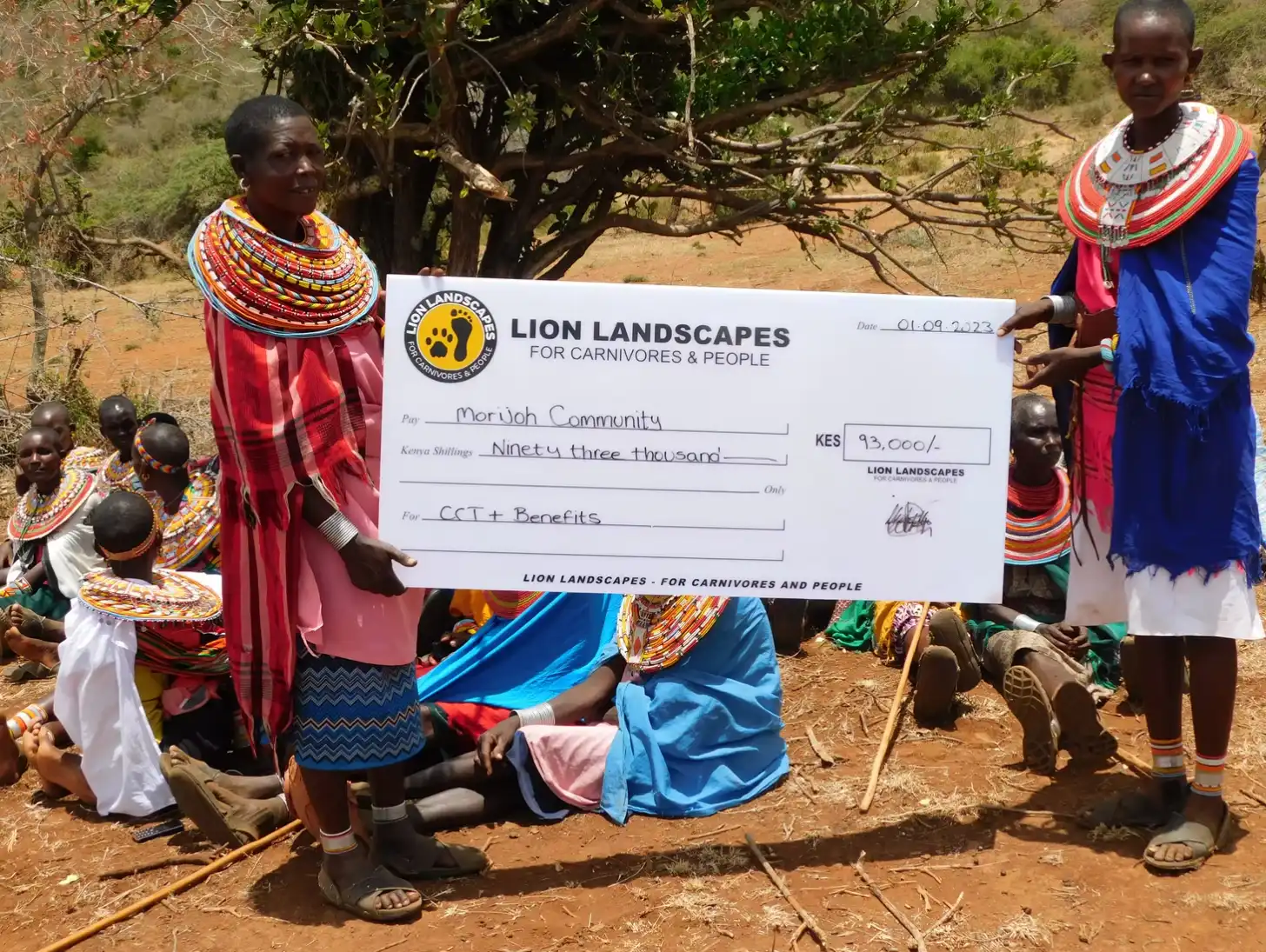
Results and benefits are also displayed publicly, so each participating village receives something — and the process inspires some friendly competition.
CCT+ also encourages locals to reduce harm to wildlife.
“Besides earning benefits from the presence of wildlife, extra benefits can be earned if people take actions to help conservation, such as fortifying livestock enclosures, while penalties exist if people take actions that harm conservation (e.g. poisoning wildlife and snaring),” Lion Landscapes’ website reads.
“The specifics of the positive and negative conservation activities, the types of benefits, and how they will be shared are carefully co-developed with each village or village cluster and written into a conservation agreement.”
The program began with communities in Tanzania and now also operates in Kenya and Mozambique.
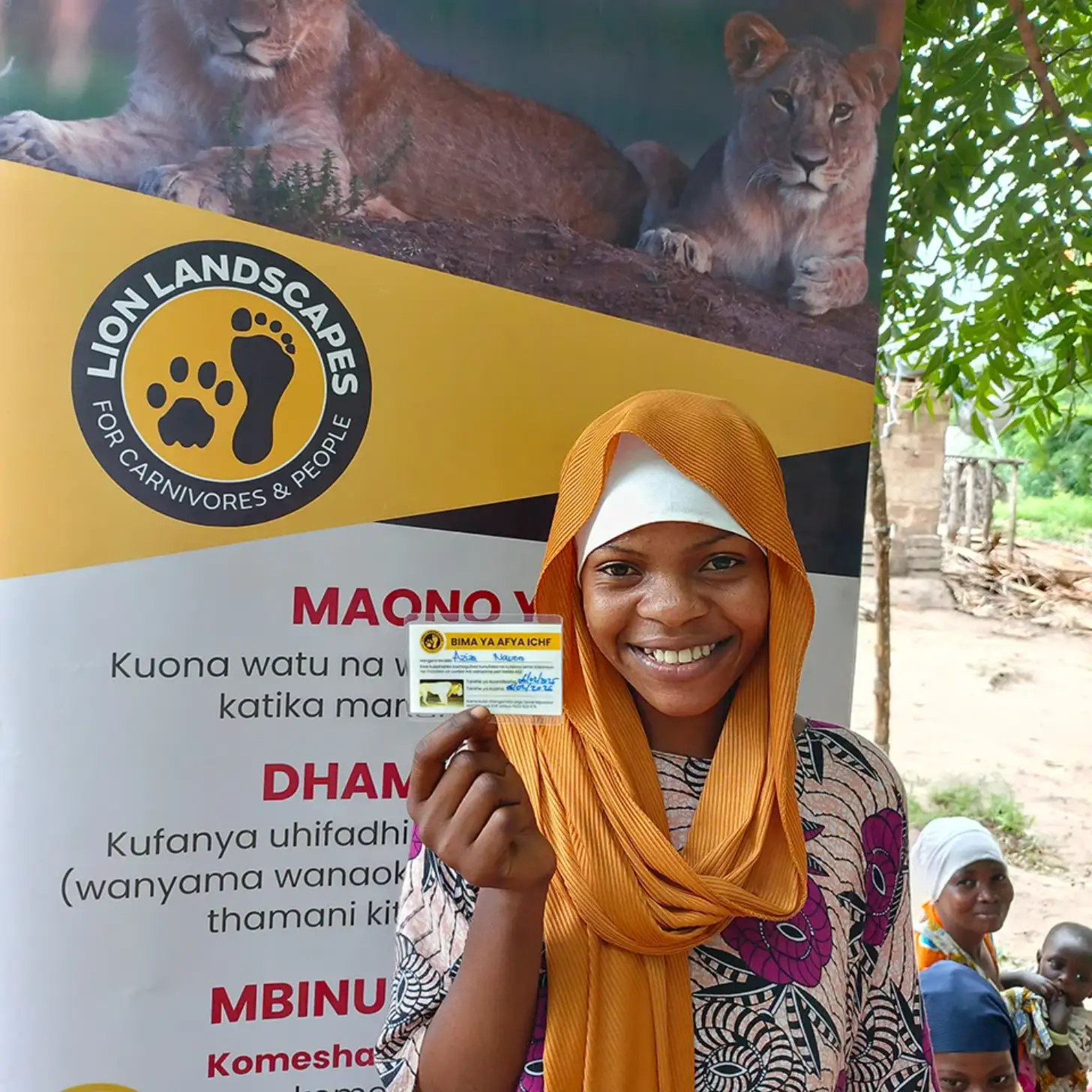
“This program has been very successful in helping community development and improving tolerance for wildlife on village land,” Lion Landscapes reports on its website. “It is now being adapted and scaled up internationally, and has been covered by international organizations and shortlisted for an award for conservation innovation.”
Household surveys also illustrate CCT+’s efficacy. In southern Tanzania, more people reported that they want lion numbers to increase or stay the same, view nearby wildlife positively, and recognize the personal benefits from the presence of wildlife.
It wasn’t always an easy or clear path; a case study document from Lion Landscapes reported that lion killing was not just carried out in retaliation, but rather seen as a cultural act among young warriors.
The organization has also helped to create a “Lion Guardians” program to help transition that practice toward wildlife coexistence — and human employment — rather than hunting.
“The role … enabled them to be community protectors, therefore fulfilling and respecting their traditional warrior role,” a case study from Lion Landscapes reads.
“The warriors tracked lions, warned communities of their presence nearby, helped people protect themselves and their stock, discussed the conservation value of wildlife, and worked to reduce conflict and traditional hunts.”
Informed by local communities themselves, these interventions have made a world of difference in the villages in which they have been deployed. Villagers now even seem enthusiastic about conservation.
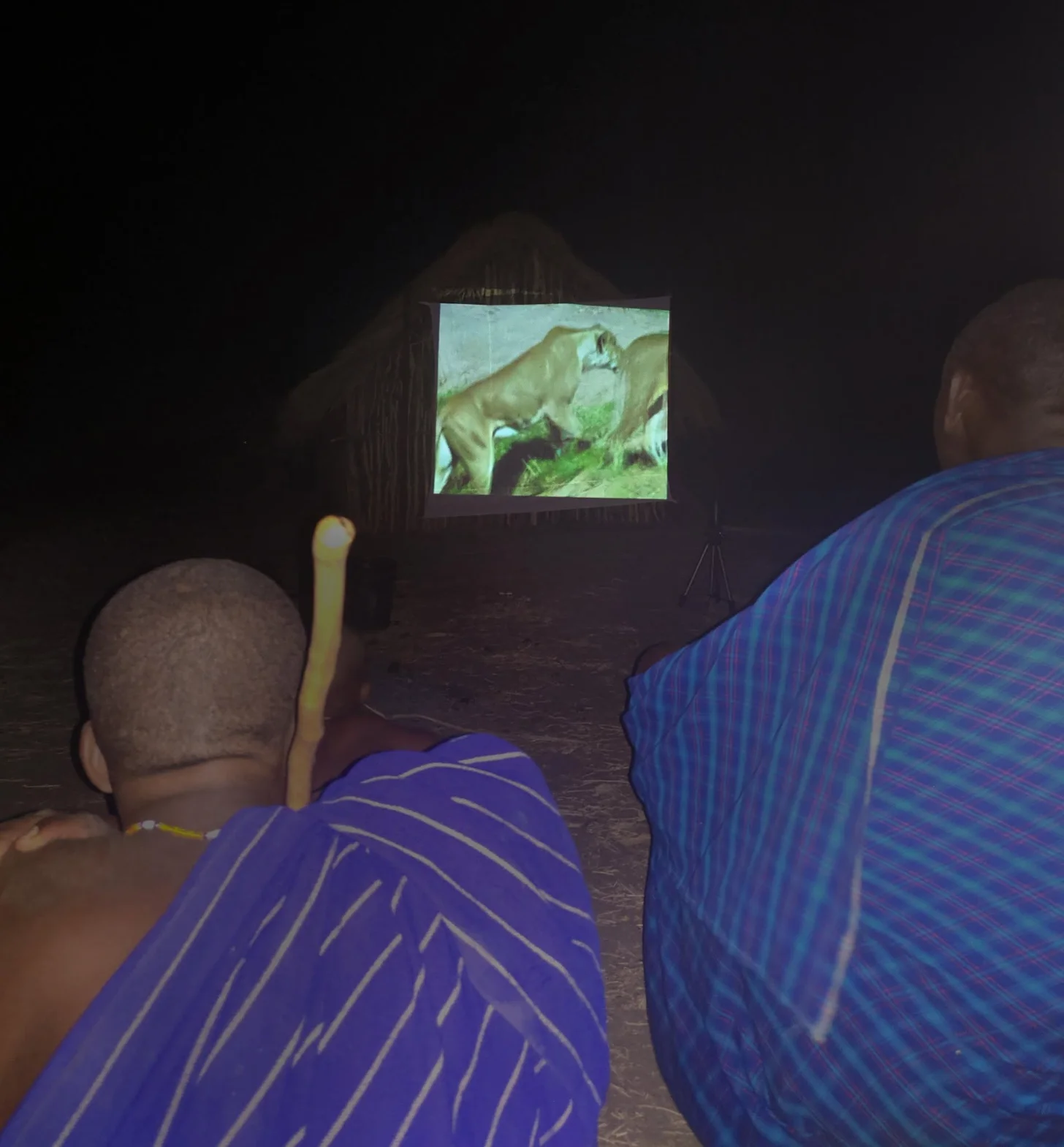
“When images from the camera traps are gathered, DVD nights are held to showcase which wildlife species have been captured on the village land,” the Lion Landscapes case study reads.
“Initially, this was done for transparency purposes but it actually became an important way to engage the wider community and have conversations about the wildlife that was found on the village land.”
Ultimately, experts from Lion Landscapes say, the program has given locals a reason to want wildlife around.
“To reduce human-wildlife conflict long-term, the communities needed to receive benefits from the presence of wildlife,” the organization’s website reads.
“This collaborative approach incentivizes the communities to identify conservation threats which can be tackled locally, and gives them a real reason to work together to reduce those threats.”
You may also like: Rescued as poaching victims, 6 rhinos defy all odds by giving birth to calves in the wild
Featured Images: Courtesy of Lion Landscapes