Across New York City, the average cost of rent is $4,175 per month, about 154% higher than the national average. To live comfortably at this rate, renters would have to make an estimated $166,992 per year.
In the Bronx, however, rent averages at about $1,636 per month.
While this number is drastically lower than N.Y.C.’s total average, the median household income in the Bronx is approximately $46,000 to $48,700 — not even close to the estimated $65,436 per year needed to pay rent in the area.
So, it’s safe to say that people across the city are looking for affordable places to live.
For many young women, Centro Maria Residence in the Bronx has become a guiding light.
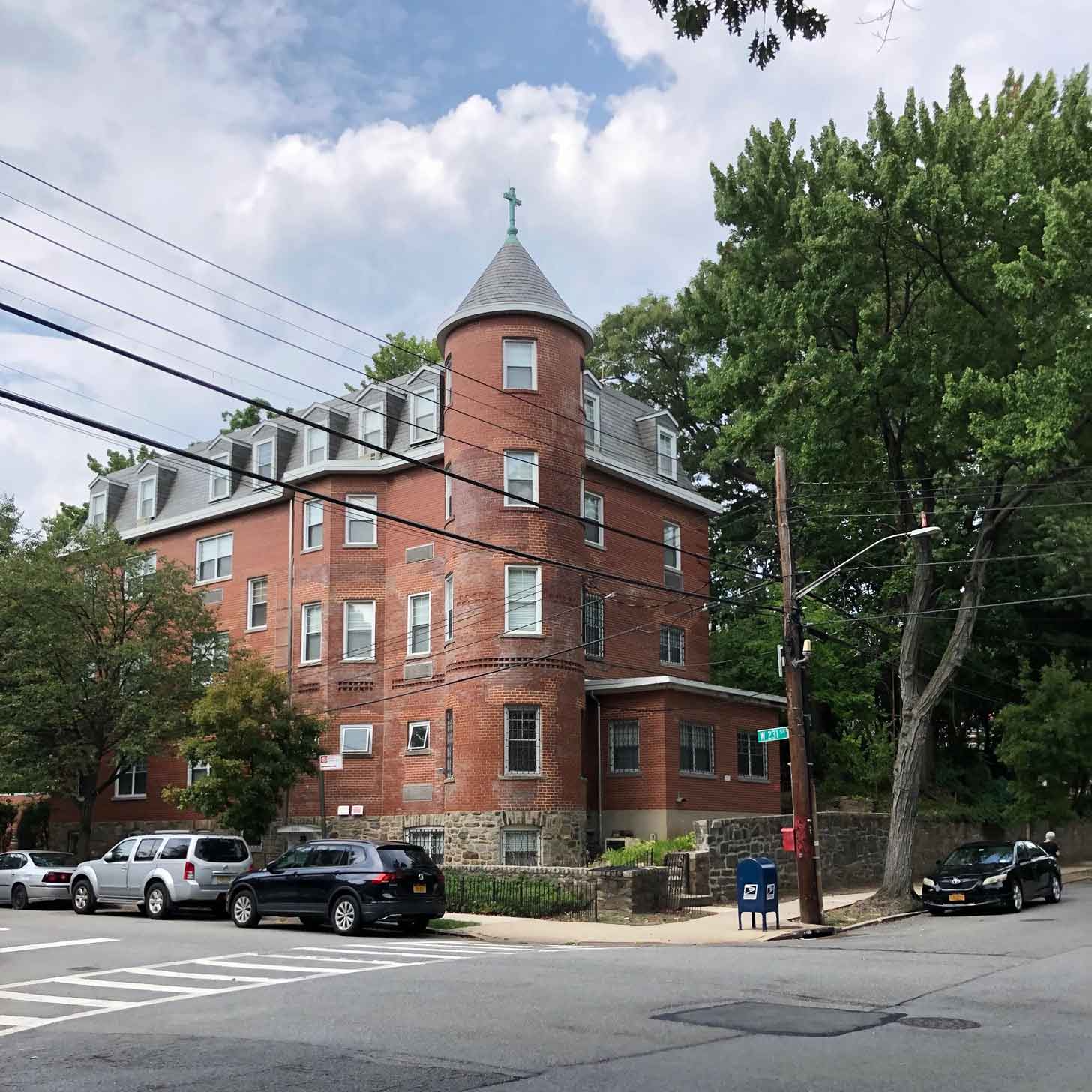
Centro Maria is a boarding house run by a group of Catholic nuns. They host 22 women at the building in the Bronx’s Spuyten Duyvil neighborhood, and the women staying there pay $210 per week for a single bedroom — or $190 for a shared room, according to Brick Underground.
That makes it one of the cheapest places to live in the entire city.
There are some rules, however.
Residents must follow a strict curfew: home by 11:30 p.m. on weeknights and midnight on the weekends. No alcohol is allowed in the bedrooms, and no boys are allowed above the first main floor.
And while residents are allowed to have boyfriends, Sister Rita does not withhold her judgment.
But if those stipulations aren’t a deal-breaker, there are plenty of amenities for residents.
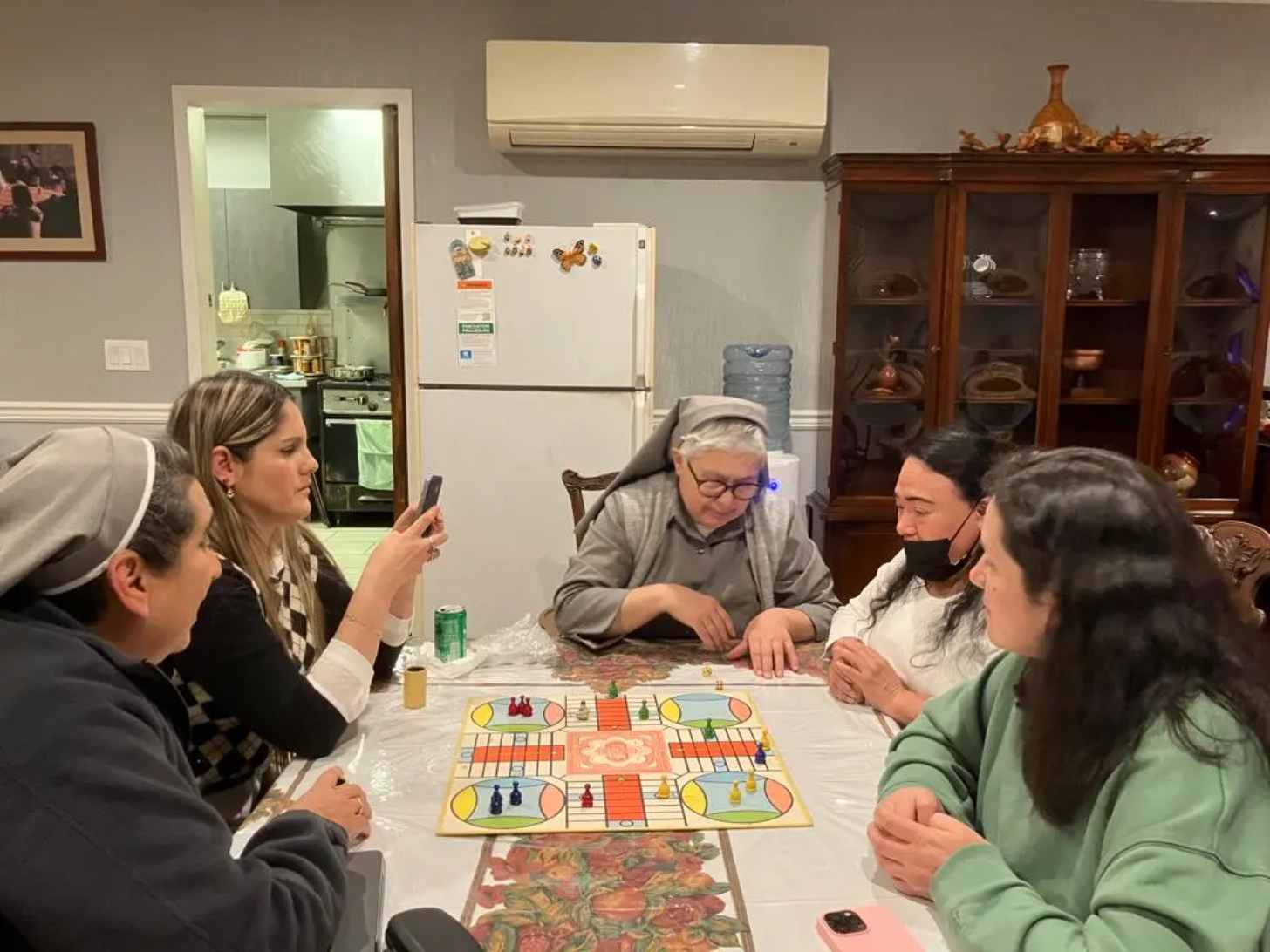
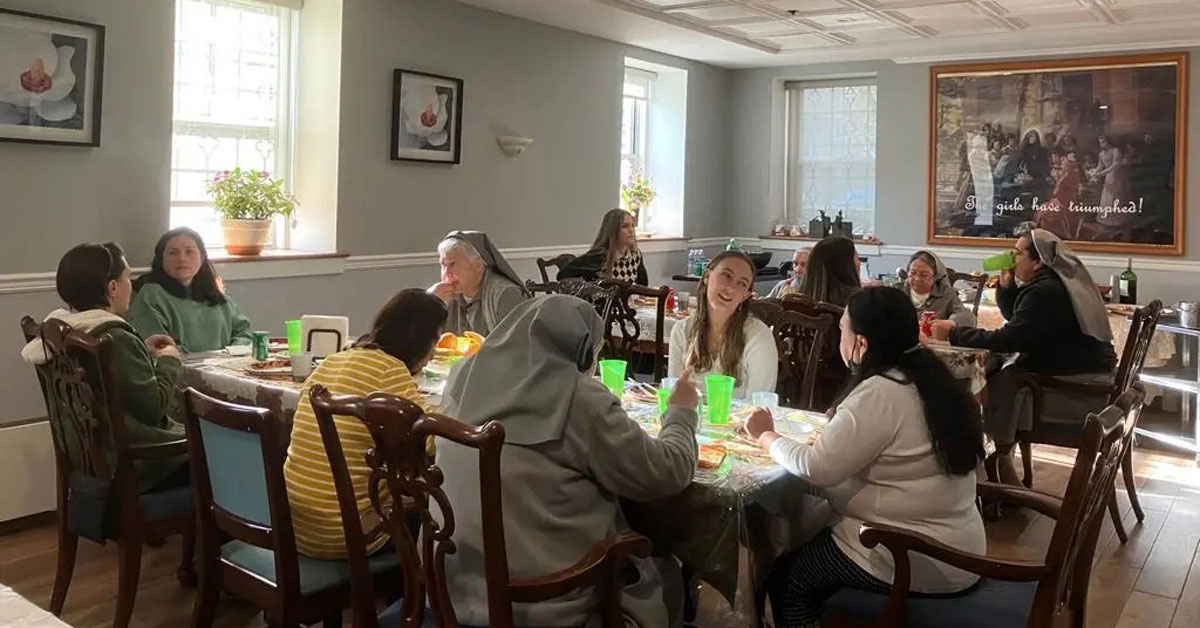
Each morning, the nuns cook breakfast for residents, they offer free Wi-Fi, a fitness center, private bathrooms, on-site laundry facilities, a communal kitchen, 24-hour security, and a parking lot. They also provide basic furniture in each room, and the building has central air conditioning, according to the residence’s website.
The nuns also clean regularly and host parties and social events for the community to get to know each other.
“We are privileged to be here,” Jeralene Maria, a student from India, who lives at Centro Maria, told Brick Underground.
Centro Maria is a unique concept for most modern women, but convents and boarding houses like this were very popular in N.Y.C. after the 1860s, when a group of wealthy Christian women retrofitted homes for factory workers, seamstresses, shop girls, and other working women for a low cost.

Back then, the boarding houses came with strict rules for unmarried women, according to the New York Historical Society.
But these days, with approximately five total boarding houses left in the city, the rules are a lot more relaxed than they were over a century ago. Some places even allow co-ed housing.
“Nuns are awesome,” Katie Rettig, a resident of another boarding house in the city, St. Mary’s Residence, told The Wall Street Journal. “They be chilling.”
“I trust nuns more than I trust random people on Facebook Marketplace,” she added.

Diana Janna Reyes Núñez, a 26-year-old resident at Centro Maria, found the house to be a refuge after her mother died.
“Finances have been such a struggle for me,” she told The Journal.
Having utilities, Wi-Fi, and breakfast included in the rent made everything a lot more manageable. And the nuns walked with her through the grief.
“It’s like a family connection. The sisters are always there to check on you,” Maria, the resident from India, told Brick Underground. “You’re not lost, because New York is kind of a lost place.”

On Centro Maria’s website, the space is described as “a home away from home” for young women who move to the United States from other countries to pursue work or education.
Most boarding houses in the city accept non-Christian residents and don’t require a religious practice. In fact, it seems like the biggest barrier to entry for most is the months-long waitlist to secure a spot.
“I love living with the girls,” Sister Rita, one of the five nuns at Centro Maria, told The Journal. “They keep me young.”
You may also like: They turned an old convent into an all-women apartment complex: 'It's about taking control of our lives'
Header image courtesy of Centro Maria Residence