Last November, nine critically endangered sea turtles were found stranded in Brewster, Massachusetts, after freezing temperatures left them cold-stunned and sick.
After a brief visit to the New England Aquarium, the sea turtles took a 1,000-mile flight to the Georgia Sea Turtle Center in Jekyll Island, Georgia for extended care.
Jaynie L. Gaskin, the director of the Georgia Sea Turtle Center, was told that they would be receiving eight Kemp’s ridley sea turtles — the most endangered sea turtles in the world — and one loggerhead.
But when she loaded nine boxes into the Georgia Sea Turtle Center’s turtle van, director Jaynie L. Gaskin did a double-take.
“Where is the loggerhead?” she recalled asking in a post for the Jekyll Island Foundation. “These are all Kemp’s Ridleys.”
The pilots confirmed that all the turtles had been carried off the plane, so Gaskin and the team began opening boxes again. That’s when she spotted the missing turtle.
“Oh, here they are,” Gaskin said. “This little loggerhead looks so much like the others; I must have counted them as just another Kemp’s.”
It had been a long time since the director had misidentified a sea turtle.
“That little guy really fooled me with their round shell and small head,” she told hospital manager Rachel Overmeyer.
At the center, the sea turtles received new names, each after a different tea: Chai, Boba, Darjeeling, Matcha, Jasmine, Peppermint, Chamomile, and Oolong.
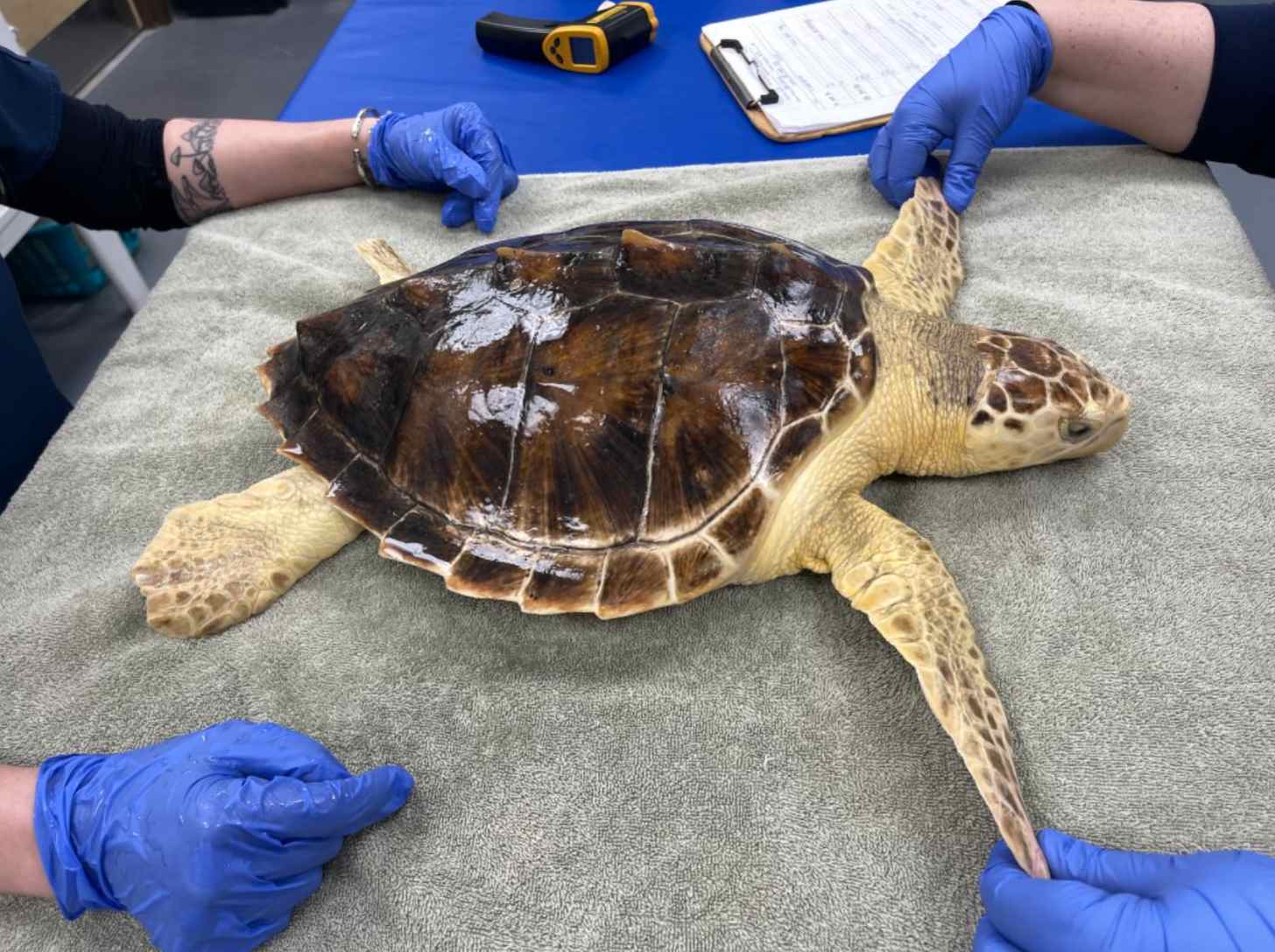
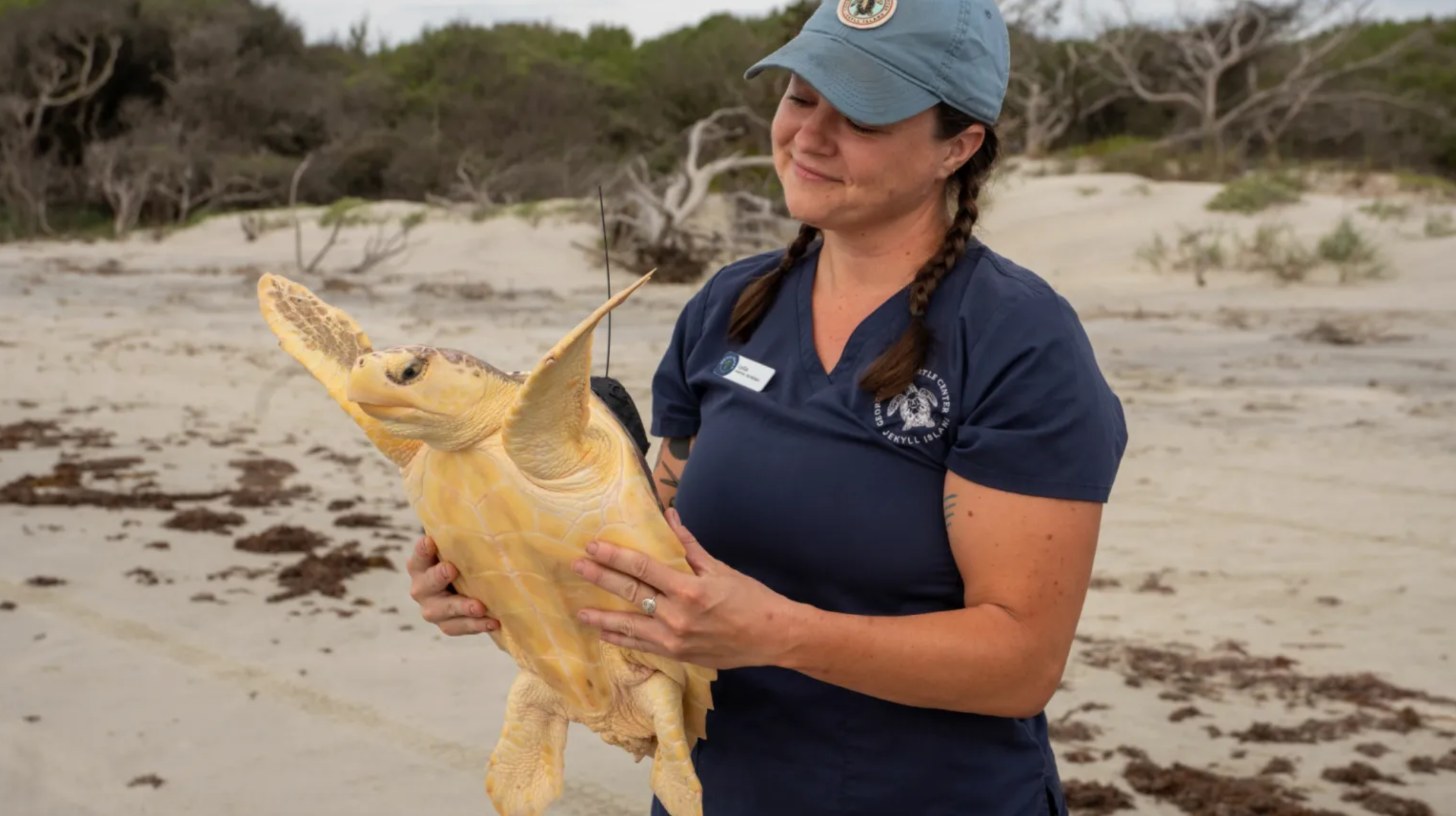
The loggerhead, which boasted strange physical traits, was named Earl Grey after the “blended black tea.”
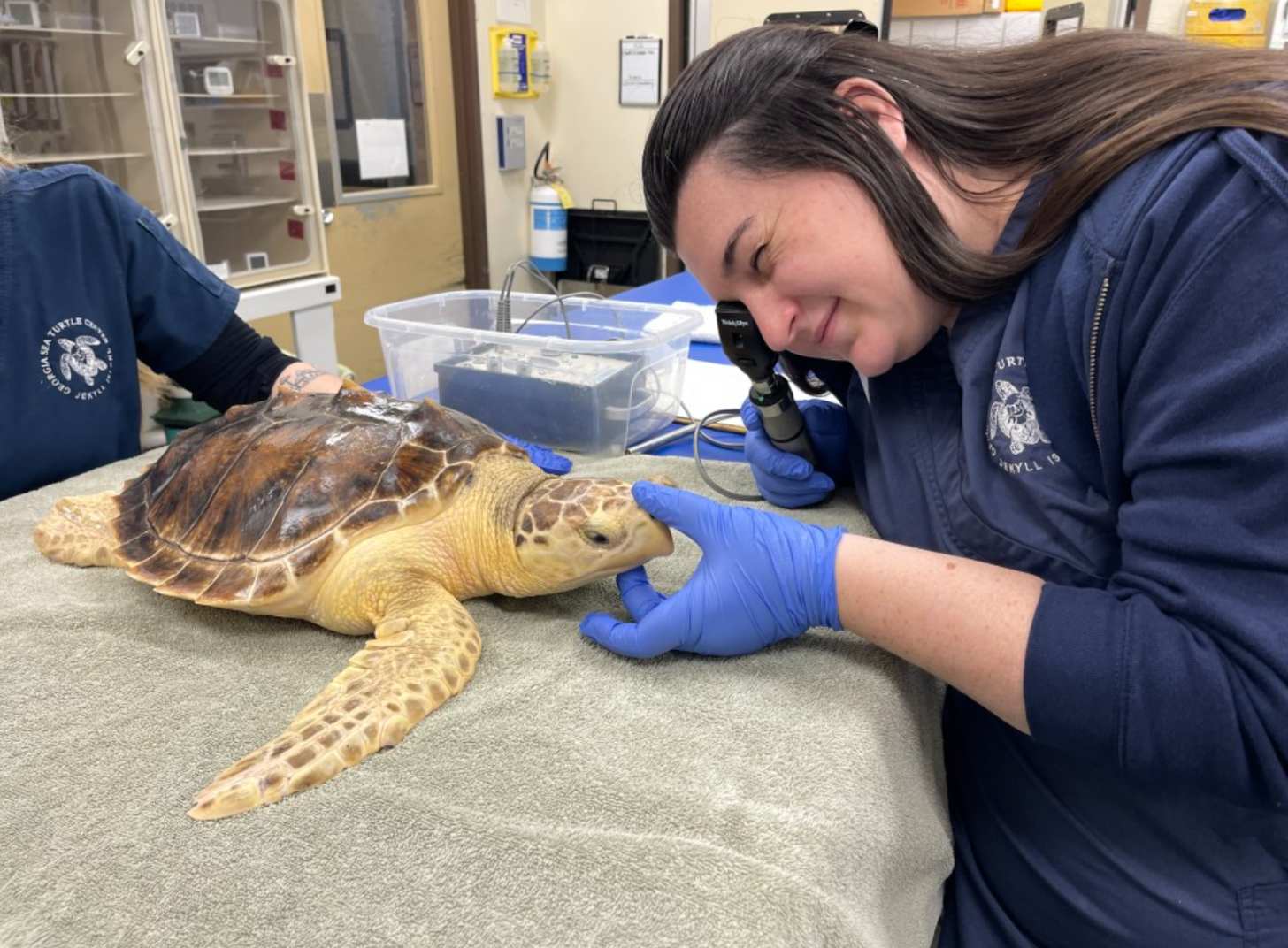
“As the veterinarian examined Earl Grey, he pointed out several unusual features,” Gaskin recalled. “A sharp hooked tip at the front of the beak is typically found on Kemp’s Ridley turtles, not loggerheads.”
“The shell raised even more questions,” she added. “Loggerheads usually have heart‑shaped carapaces, while Kemp’s Ridleys have round shells. Earl Grey’s carapace appeared unusually round, with ridges more characteristic of a Kemp’s.”
Soon, it was clear to everyone on staff that they had never seen a sea turtle like Earl Grey before. So they took a blood sample and sent it off to the University of Georgia for genetic testing.
“Just as rehabilitation was nearing completion, the genetic test results arrived,” Gaskin said. “Earl Grey was confirmed to be a first‑generation hybrid — with a loggerhead father and a Kemp’s Ridley mother — the first hybrid sea turtle ever treated at the Georgia Sea Turtle Center.”
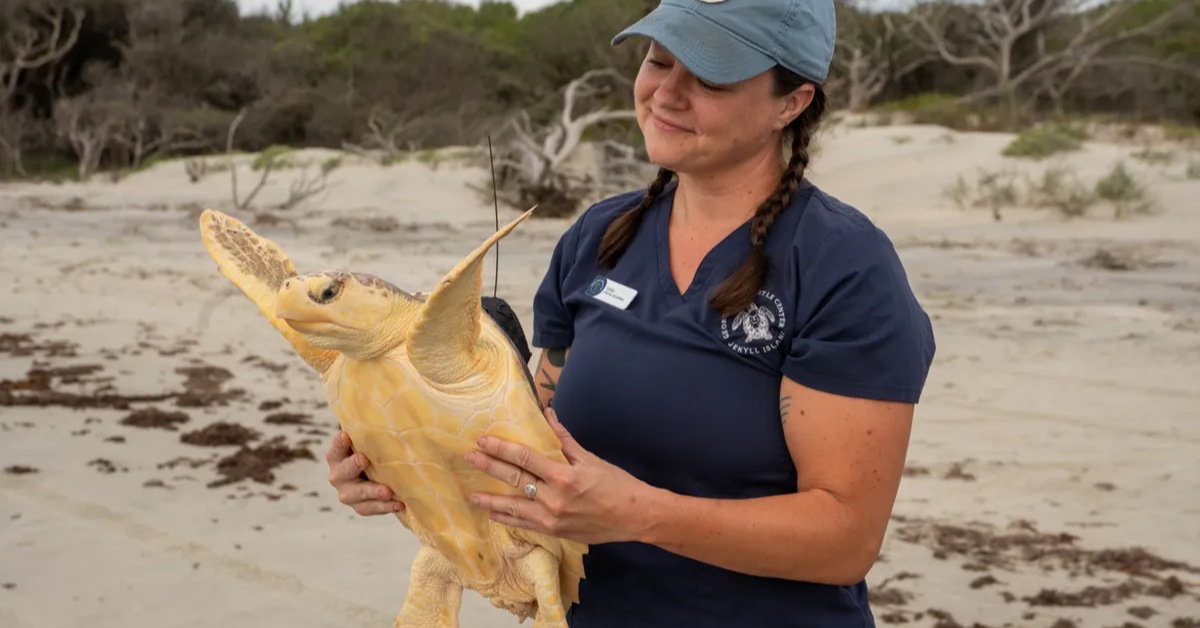
After seven months of rehabilitation, care, and plenty of squid and leafy greens, Earl Grey was cleared for ocean release. On May 28, he returned to Georgia waters in a private release as the staff cheered him on.
In an interview with Popular Science, Gaskin offered a theory about the curious hybrid discovery.
“From an evolutionary perspective, hybridization could be one of many ways genetic diversity is introduced into a population,” she explained.
“We encourage other rehabilitation facilities to consider genetic testing for any suspected hybrid sea turtles, as there may be more individuals than we currently realize!”
You may also like: After oyster farmers saved a seal pup in need, they followed up by sending her rescue a cooler full of clams and crab: 'It takes a village'
Header image via Jekyll Island Authority