After months in the care of Gulf Specimen Marine Lab veterinarians, one very special sea turtle has made a triumphant return to the ocean.
In March, a green sea turtle, assumed to be 3 to 4 years old, was found washed ashore on Florida’s St. George Island.
Patrol officers of the Fish and Wildlife Commission quickly called up experts at the marine lab, who believe the turtle was a victim of a cold-stunning event in February — a phenomenon where sea turtles become lethargic and often incapacitated when water temperatures drop below 50°F.
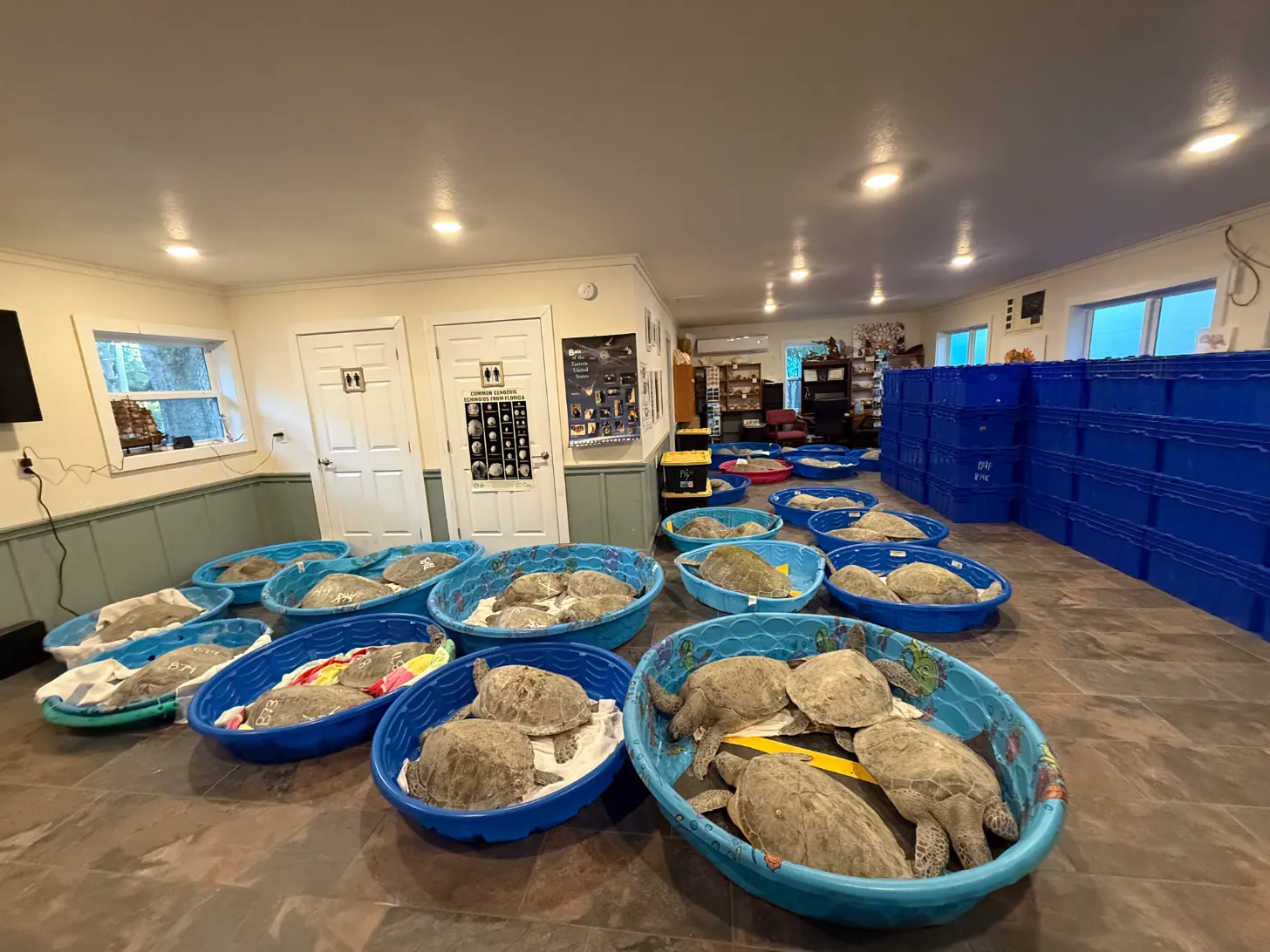
Unfortunately, this turtle must have been missed in initial rescue efforts.
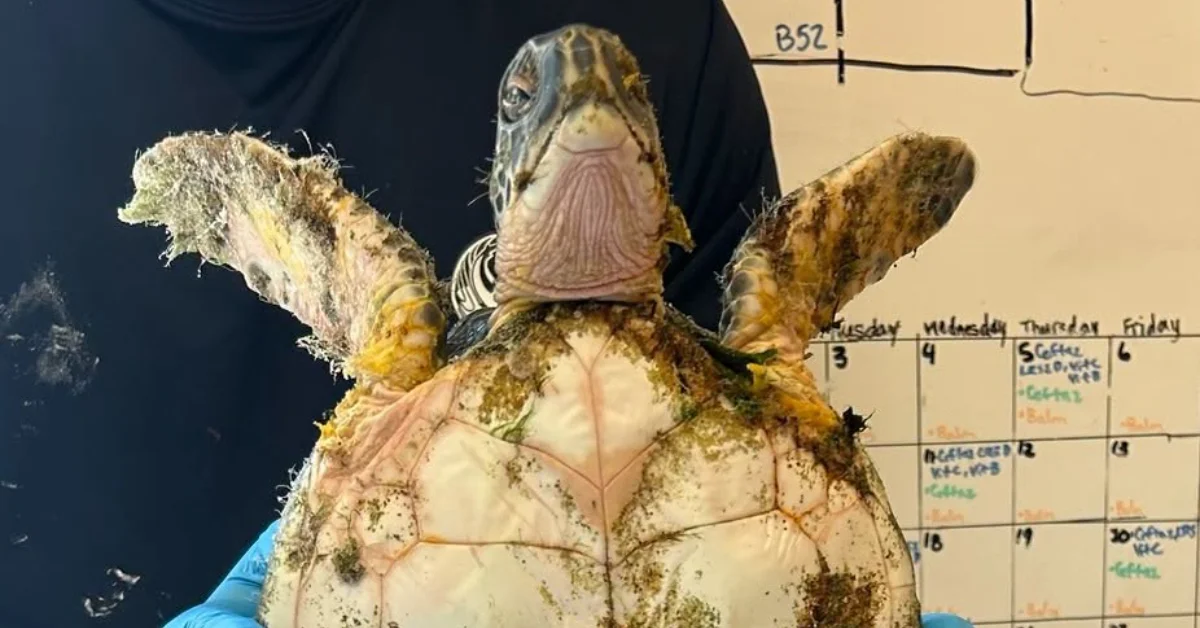
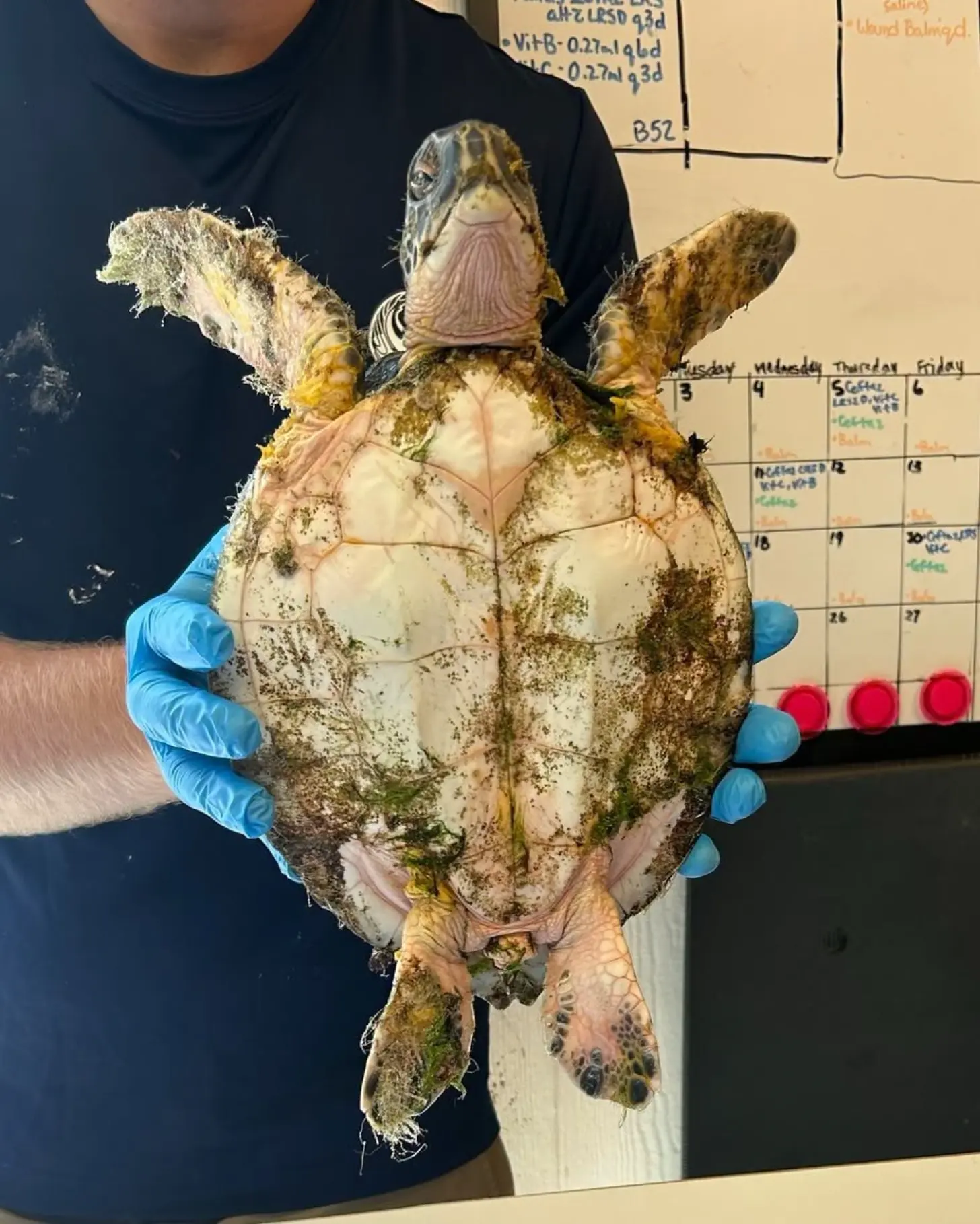
When officials found her, according to a social media post from the marine lab, she was “extremely weak and lethargic, covered in algae and sand, with severe skin damage that caused the outer layer of her skin to turn yellow and slough away, leaving painful sores beneath.”
The juvenile turtle was also battling pneumonia after spending too much time tumbling in the surf. She could hardly move.
Quickly, she was transported to the lab’s rehabilitation facilities to receive around-the-clock care. The team named her Tiramisu.
“We were able to do laser treatments, [and] our vet was able to put her on antibiotics, Paige Parker of Gulf Specimen Marine Lab told ABC 13 News.
“She couldn’t swim for about two weeks, [so] we continued therapy and rehydration and vitamins and antibiotics. We got her healthier and healthier.”
Finally, after months of care, the marine lab shared on social media, Tiramisu’s skin had healed, the crusts had disappeared, and she hadn’t developed any new lesions.
Most importantly, her appetite came back, and she was “thriving.”
After finishing her course of antibiotics, the turtle was cleared for release back into the wild. A crowd gathered to send her off on July 16.
“What a great turnout we had for Tiramisu’s release yesterday,” the organization shared on Facebook. “After a few months in our care, it was so great to be able to send Tiramisu back to her home.”
Tiramisu’s “remarkable” recovery comes at an especially impactful time for the Gulf Specimen Marine Lab.
In February, during that initial cold-stun event, the lab helped rescue, stabilize, rehabilitate, and release more than 600 sea turtles. And amid the crisis response, the community raised over $50,000 for the creation of a new Sea Turtle Hospital facility at the lab.
“This expansion will allow us to significantly increase our surgical capacity and perform more advanced medical procedures, helping fill a critical rehabilitation gap that currently exists in the Florida Panhandle,” the organization shared on social media in May.
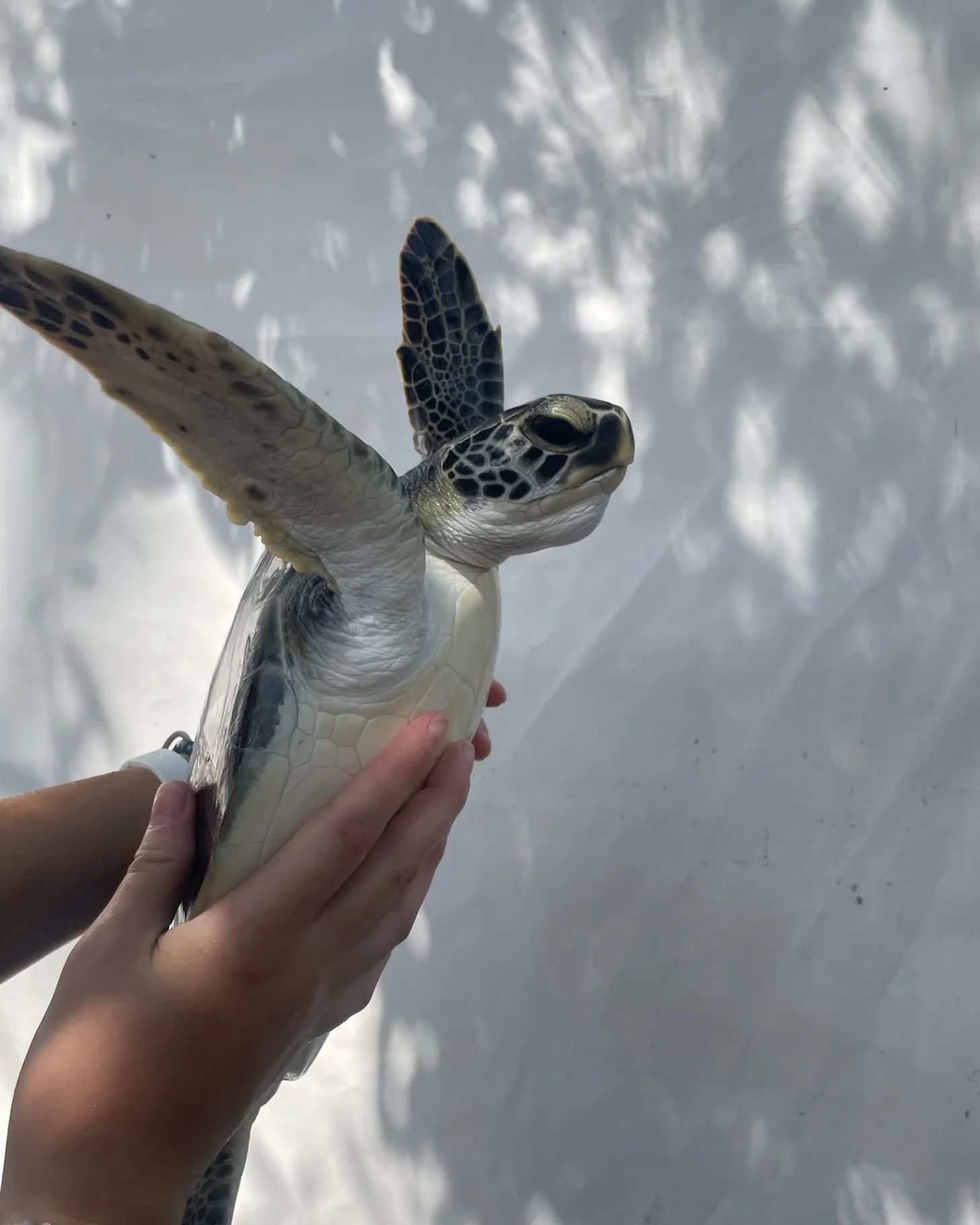
And that means more turtles like Tiramisu will have a second chance at life.
“Every turtle that comes through our doors becomes more than just a patient,” the lab wrote. “They become an ambassador for ocean conservation.”
You may also like: A sea turtle swallowed 20 fishing hooks. Only a procedure meant for humans could save her
Featured Image: Gulf Specimen Marine Lab/Facebook