
Last week, The Audacious Project, an initiative of TED, announced it would be investing $1.03 billion in a new cohort of grantees.
Among the 13 funding recipients is Ipas, an international reproductive justice organization that has worked with partners across Africa, Asia, and the Americas for over 50 years to bring safe and legal abortion and contraception to all.
While it’s currently unclear exactly how much funding Ipas will receive from The Audacious Project, a representative from the organization said it will be in the “multi-millions.”
Through its unique model, The Audacious Project brings together dedicated philanthropists to give in community with one another, allowing funders to connect with groundbreaking projects that aim to solve humanity’s biggest challenges.
This is the first time The Audacious Project has funded an organization that works specifically in abortion access and care since the initiative was developed in 2018.
“We are honored to be part of the Audacious Project 2025 cohort and the first organization recognized that works specifically in abortion care/access. The Audacious Project has given Ipas an incredible platform to center abortion and, in particular, medication abortion,” Anu Kumar, CEO and President of Ipas, told Good Good Good.
“Abortion with pills is revolutionary and, with these funds, more people will know about them and have access to them. At a time when abortion care, human rights, and democracy are under attack, this is urgent. We hope this recognition encourages others, partners, and donors, to join us in this work.”

With support from TED and The Audacious Project, Ipas plans to expand access to abortion and contraception globally.
“Our vision is to prevent 16.3 million unsafe abortions and 22.6 million unintended pregnancies and to avert 39,000 maternal deaths by 2032, reducing unsafe abortion by 30 percent in 10 high need countries across Sub-Saharan Africa, Asia and Latin America by 2040,” a statement from the organization shared.
Funding from The Audacious Project is restricted to particular countries and strategies but remains flexible, as long as funds are used for the project Ipas has proposed and builds on the organization’s existing work.
The organization says it will focus these newly awarded funds in 10 “high-need countries” in Africa, Asia, and Latin America, including: Côte d’Ivoire, Democratic Republic of Congo, Ethiopia, Kenya, Nigeria, Zambia, Bangladesh, India, Pakistan, and Mexico, “with plans for broader expansion.”
In addition to saving the lives of millions of people who end pregnancies using unsafe methods, this funding supports Ipas’s work to “advance global gender equality goals by ensuring women and girls can control their own bodies and futures, remain in school, and participate fully in economic and civic life.”
Kumar told Good Good Good that every single year, there are 121 million unintended pregnancies around the world — nearly half of all pregnancies. Of those 121 million, she added, 61% end in abortion, with nearly half of those abortions being unsafe.
“That’s 35 million people ending pregnancies every year using unsafe methods, amounting to one unsafe abortion every second of every day and potentially fatal consequences. These outcomes are not inevitable — we know how to prevent unsafe abortion,” Kumar said.
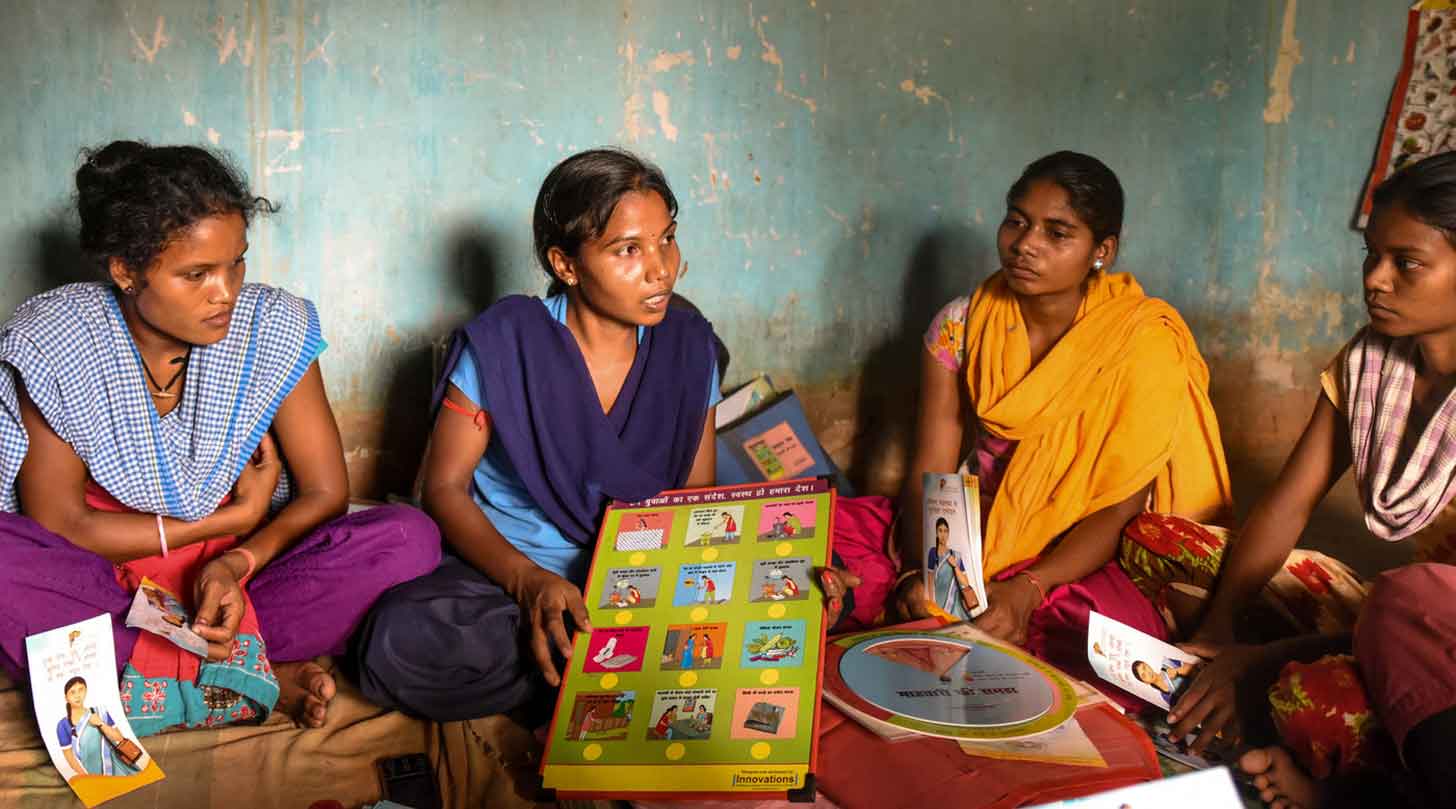
Ipas ensures people have access to safe medical abortions, distributes contraception, works to end stigmas around abortion, and specifically supports communities that face intersectional issues, like climate injustice, gender-based violence, war and conflict, and more.
“Ipas’s approach breaks down the systemic, legal and social barriers that make access to safe abortion care out of reach for women and girls around the globe. Our solutions are systems-based and locally rooted,” Kumar added.
“We focus on creating pathways to quality abortion and contraceptive care, advocating for policy that expands reproductive rights, and working with communities to challenge stigma and shift social norms so that sexual and reproductive rights are ingrained into the daily fabric of people’s lives.”
While Ipas itself does not receive funding from the United States government, aid funding tied to contraception has been especially precarious under the second Trump administration. As the international development landscape evolves, philanthropic investment like this is crucial for this work to continue across the globe.
“Ipas works to make sustainable, systemic change in the world. We know access to abortion and contraception leads to immense benefits to individuals, families, communities, and even countries,” Kumar said in a statement for the Audacious Project.
“We want every woman and girl, no matter where they live, to have healthy, prosperous lives.”
You may also like: With student clubs and scholarships, Girls Who Code is on track to close the tech gender gap by 2030
Header image by Jasmina Tomic / TED
Good Good Good has been covering TED's annual conference and spinoff events — like TED Women, TED Next, and TED Countdown — as press since 2023. Our journalists watch TED Talks live and interview speakers after they get off stage, giving Good Good Good the opportunity to share stories like this before TED Talks are released online.